Santa Maria delle Grazie: A Roman Catholic Church and Minor Basilica in Pavia
Site at a Glance
- Popularity
- Medium
- Country
- Italy
- Primary era
- Early Modern
- Eras represented
- Early Modern
- Civilizations
- Duchy of Milan, Habsburg, Spanish
- Site type
- Religious
- Remains
- Church
On this page7 sections
History
Foundation and Carmelite convent
Construction of Santa Maria delle Grazie, a Roman Catholic church in Pavia, Italy, began in 1609, following the establishment of a shrine to Mary at the site in 1578. The church stood along a former section of the Via Francigena, a pilgrimage route leading toward Rome. Bishop Giovan Battista Biglia commissioned it after Agostino Rattazzi, who had been paralyzed from birth, was reputedly healed. The church later became known as Santa Teresa.
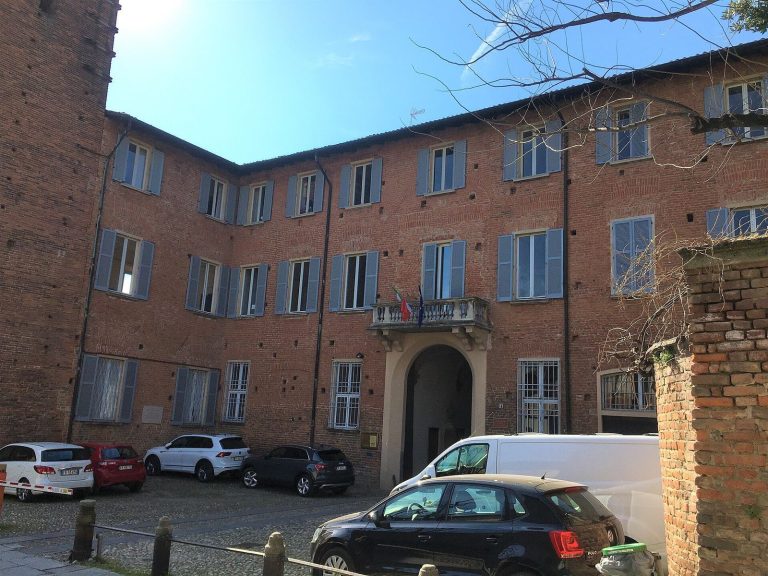
A community of Discalced Carmelites, a reformed branch of the Carmelite order, established a convent beside the church in 1627. In 1799 the convent was suppressed. The church was then used first as a stable and later as a saltpeter factory. Saltpeter, or potassium nitrate, was used historically in gunpowder production, and most of the convent was demolished.
Revival and later status
The church faced demolition until Luigi Tosi, bishop of Pavia, intervened. It reopened for worship in 1824. In 1897, Agostino Gaetano Riboldi, another bishop of Pavia, entrusted the sanctuary to the Salesian fathers, members of a Catholic religious congregation.
The church became a parish in 1942. In April 1995, Pope John Paul II granted it the title of minor basilica, an honorary designation for a Catholic church. Santa Maria delle Grazie remains an active Roman Catholic church.
Remains
Architecture and decoration
Church plan and exterior
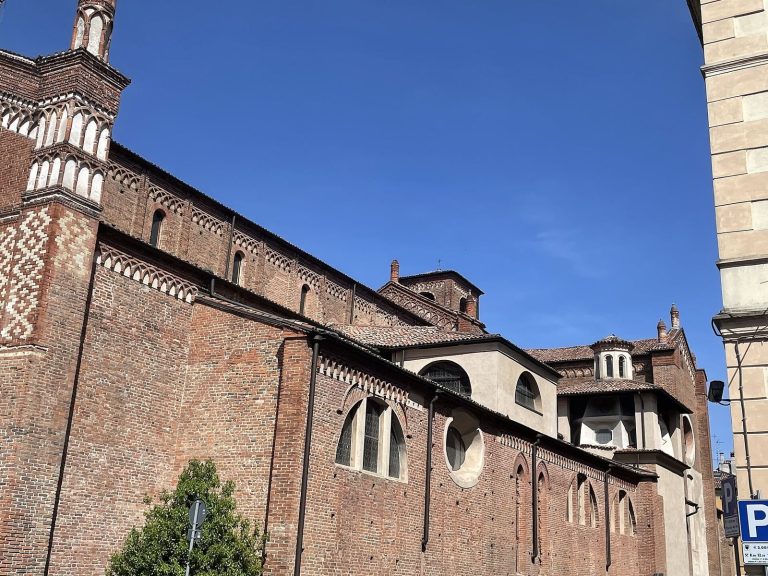
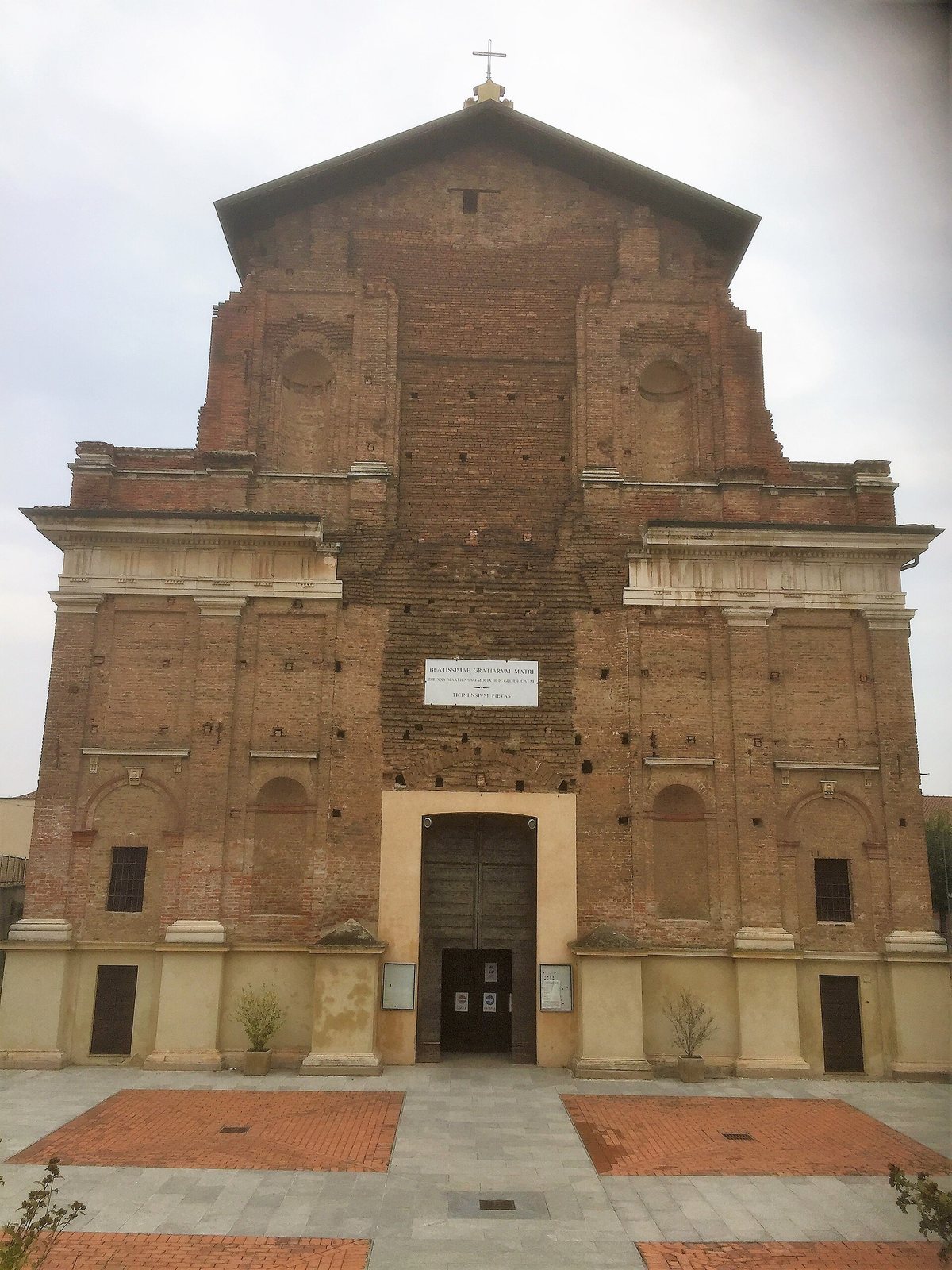
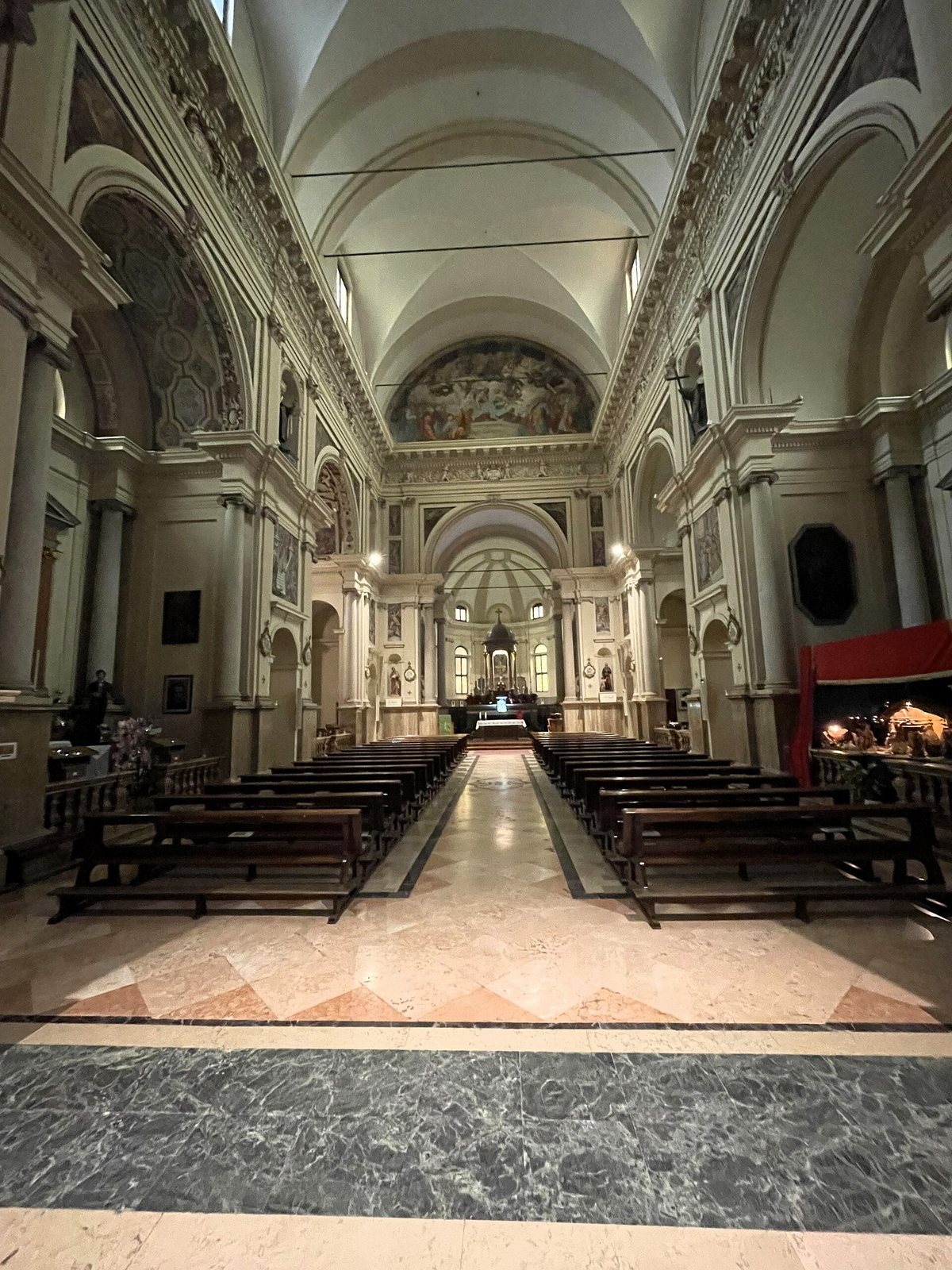
The church has a single nave, with 34 granite columns joined by stucco bands that support its vaulted roof. An eighteenth-century bell tower accompanies the church and was completed in 1748. The façade remains unfinished.
Interior artworks
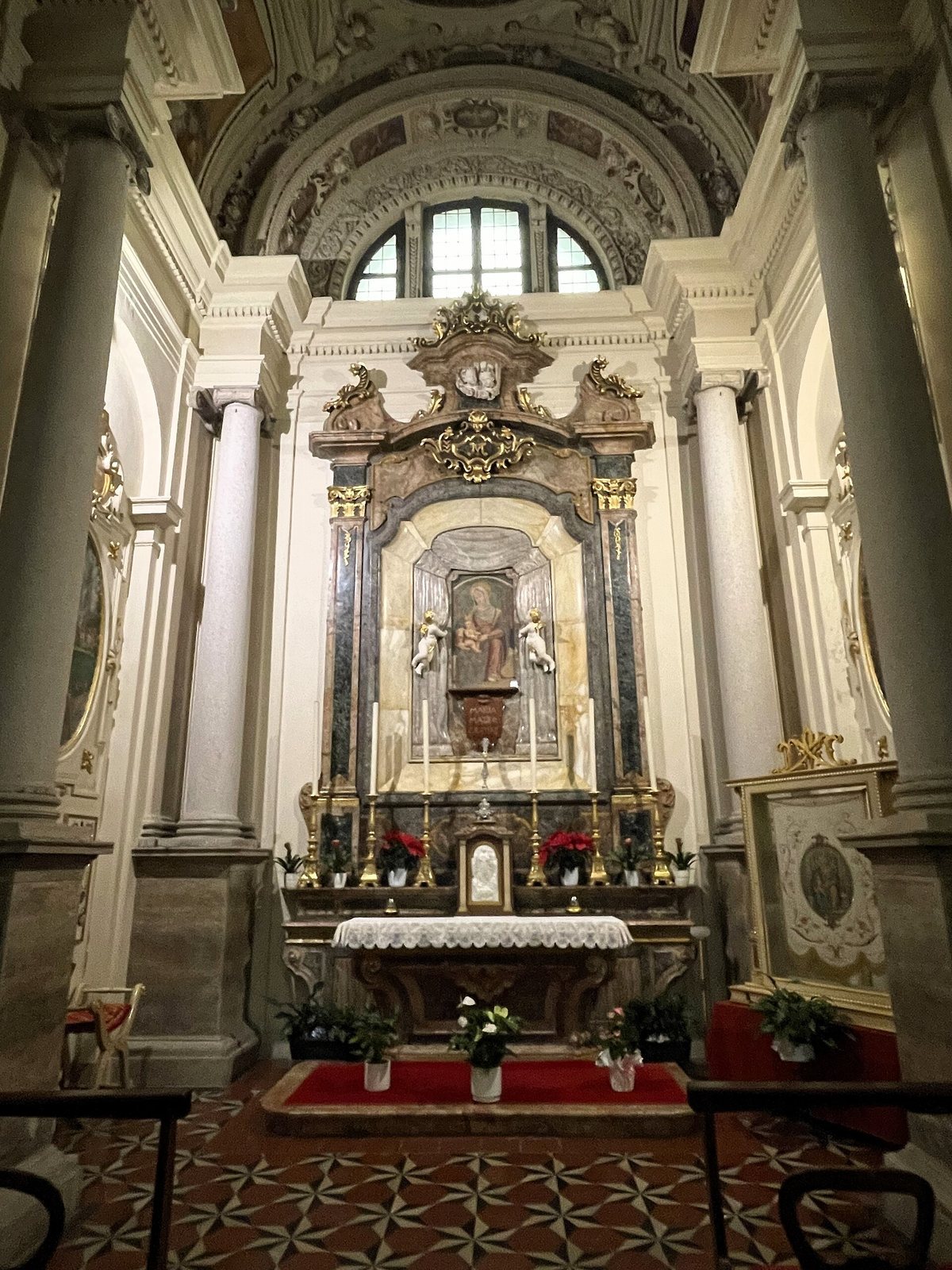
Stucco and frescoes richly decorate the interior. Works by the painter brothers Giovanni Mauro and Giovanni Battista della Rovere, known as the Fiammenghini, date from 1629 to 1636 and are found in the nave and presbytery, the area around the main altar. A large fresco by the Montalto family, dated 1641, occupies the arch above the high altar. The side chapels contain Giulio Cesare Procaccini’s The Ecstasy of Saint Teresa, Pietro Antonio Magatti’s The Immaculate Conception, Domenico Pedrini’s Saint Francis de Sales and Saint Francis of Paola, and Everardo de Doort’s The Passing of Saint Augustine, dated 1616. A sixteenth-century fresco showing Mary and the infant Jesus is in the second chapel to the left of the altar and is regarded as miraculous.