San Giuliano Archaeological Site: Bronze Age Settlements, Etruscan Necropolises, and a Medieval Stronghold
Site at a Glance
- Rating
- 5
- Popularity
- Very Low
- Country
- Italy
- Primary era
- Medieval
- Eras represented
- Bronze Age, Iron Age, Classical, Medieval
- Civilizations
- Etruscan, Papal States, Roman
- Site type
- Settlement
On this page16 sections
History
The San Giuliano Archaeological Site is an archaeological area north of Barbarano Romano in Italy. It includes remains of at least one inhabited center active from the Bronze Age through the late Middle Ages, as well as several Etruscan necropolises, or burial grounds. The Etruscans were an ancient people of central Italy whose civilization flourished before Roman dominance.
Bronze Age settlement and origins
At least two Bronze Age settlements are known in the area. Their proximity, relative size, and dating have prompted the suggestion that people may have moved from Pontone to San Giuliano during the protohistoric period, the transition from prehistory to written history.
The proposed identification of the San Giuliano settlement with ancient Marturanum has fallen out of favor.
Etruscan cemetery landscape
In 1882, Chiusa-Cima was recognized as an Etruscan necropolis associated with San Giuliano. It was assigned to the Etruscan Orientalizing period, an early phase shaped by artistic influence from the eastern Mediterranean, especially during the seventh century BC.
Medieval stronghold
In the medieval period, San Giuliano served as a fortified defensive position.
Archaeological investigation
Investigations began in the mid-nineteenth century. Luigi Rossi Danielli excavated in the early twentieth century, and the first scientific excavations followed in the 1930s, led by Gino Rosi and Augusto Gargana. Systematic investigation of the area began in 2016; it may contain hundreds of tombs.
Remains
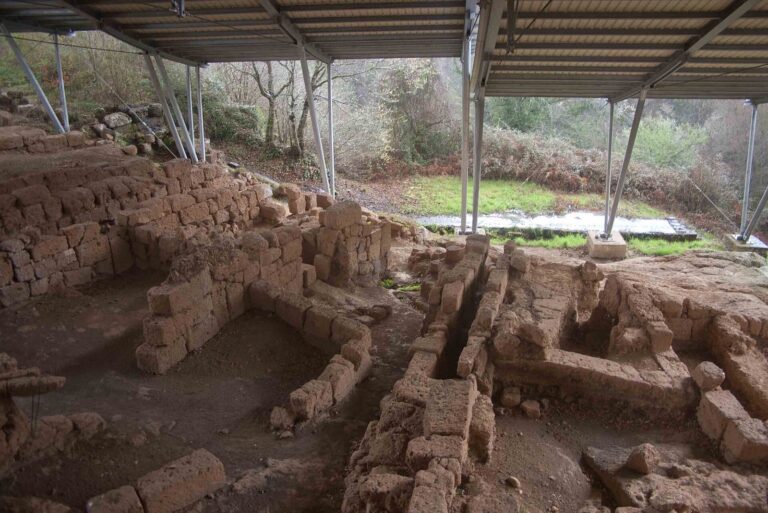
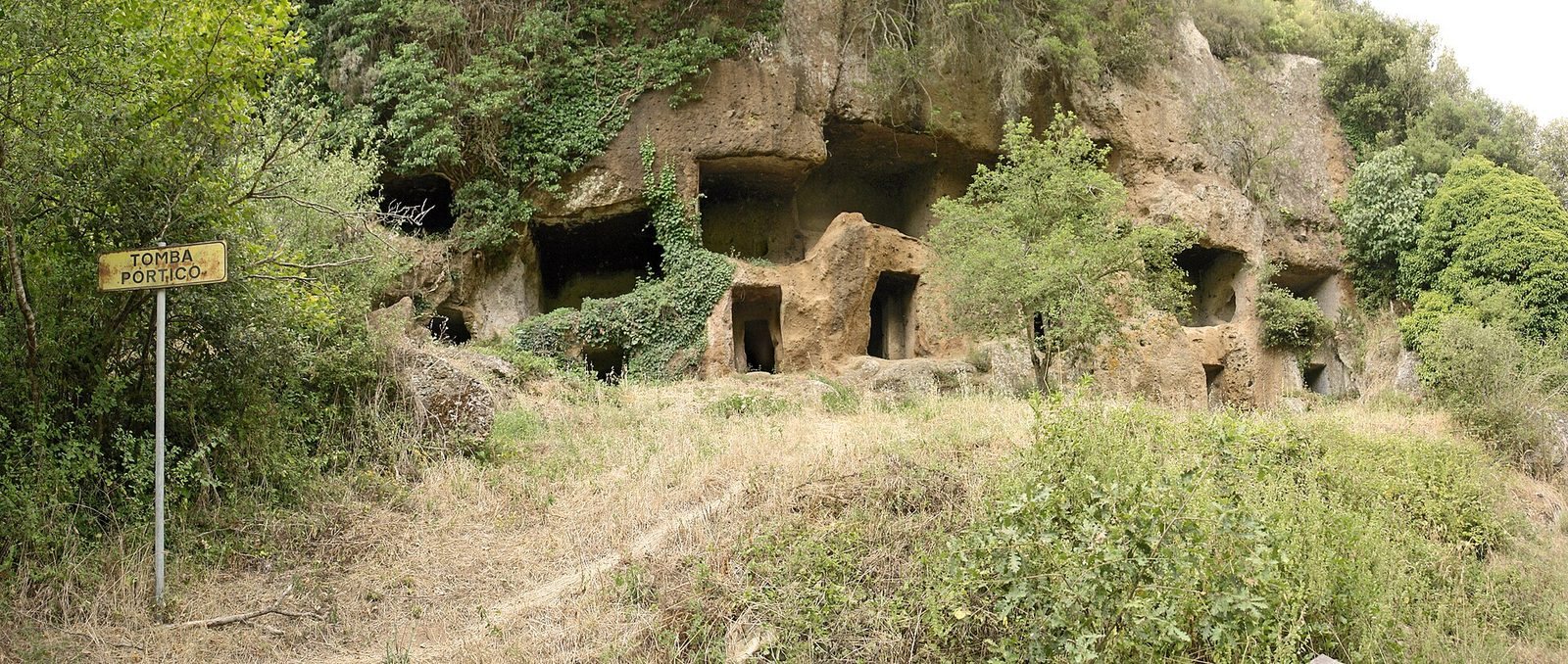
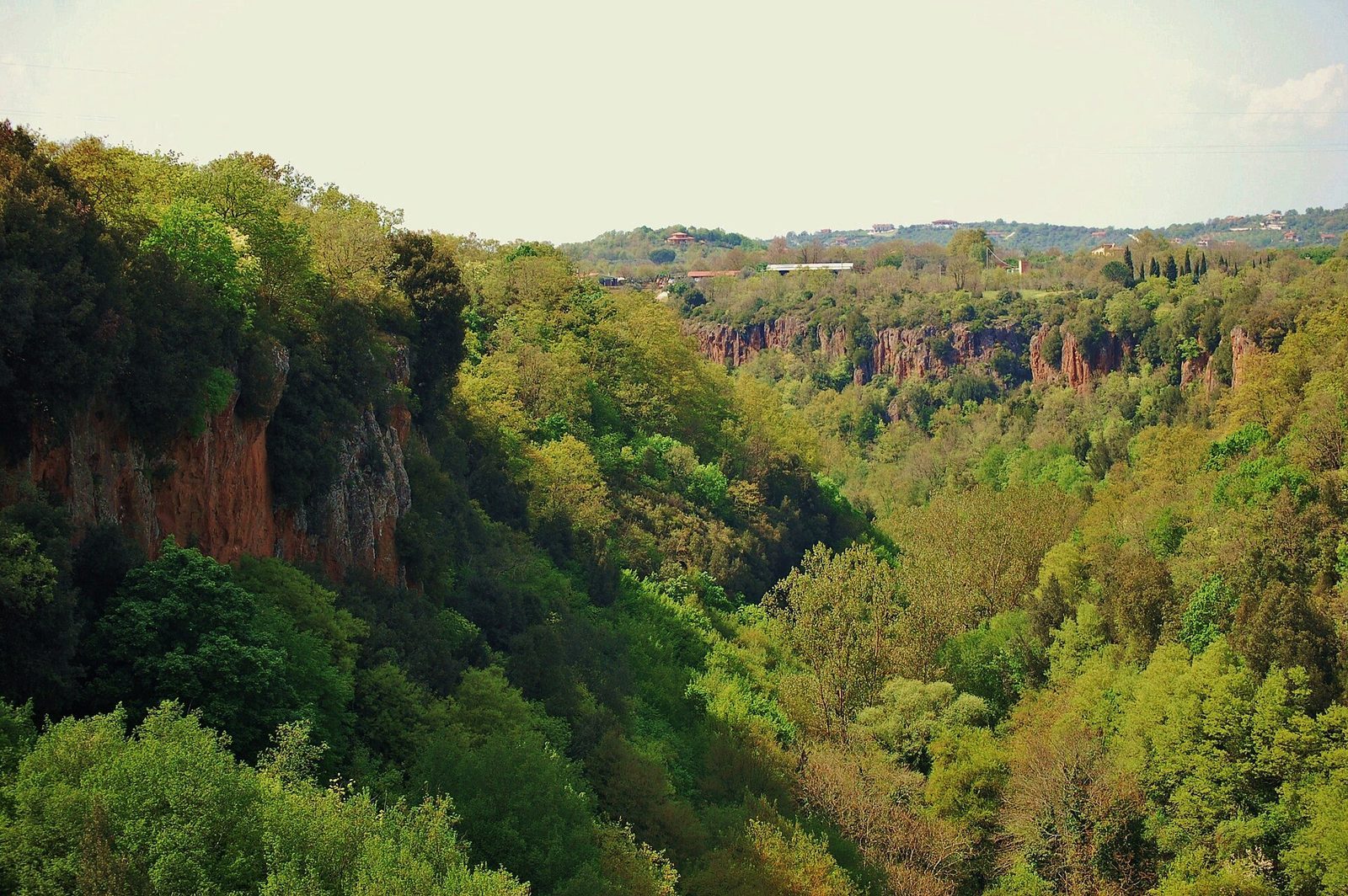
The archaeological area extends across uplands and ravines below Colle Sarignano, Colle Caiolo, and Colle San Simone. Its remains include prehistoric settlement traces, Etruscan burial and sacred sites, and medieval structures on the hill.
Bronze Age settlements
Pontone
Immediately north of the modern town, the Pontone settlement covered about 3 hectares. Its remains include a stone-built rampart and pottery fragments dating to the Middle Bronze Age.
San Sarignano
The settlement at San Sarignano, also known as Colle San Giuliano, lay northeast of Barbarano Romano and covered about 8 hectares. A few pottery fragments survive and are attributed to the Proto-Villanovan culture, an archaeological classification for Italy’s Final Bronze Age.
Etruscan funerary and sacred sites
Necropolises
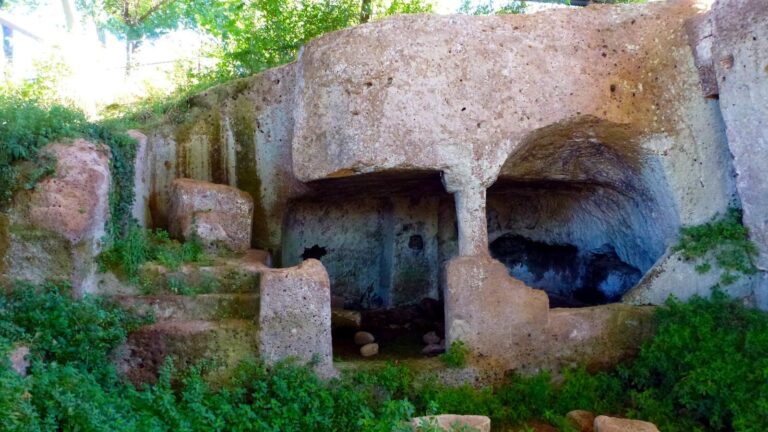
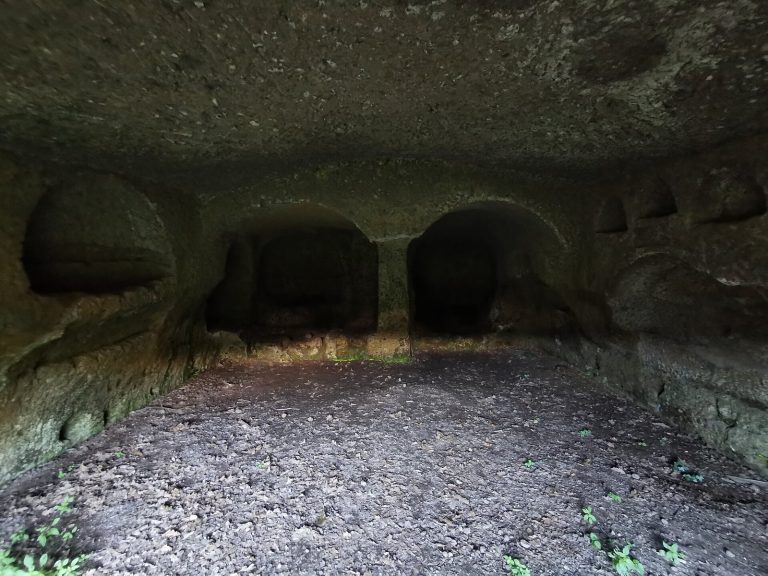
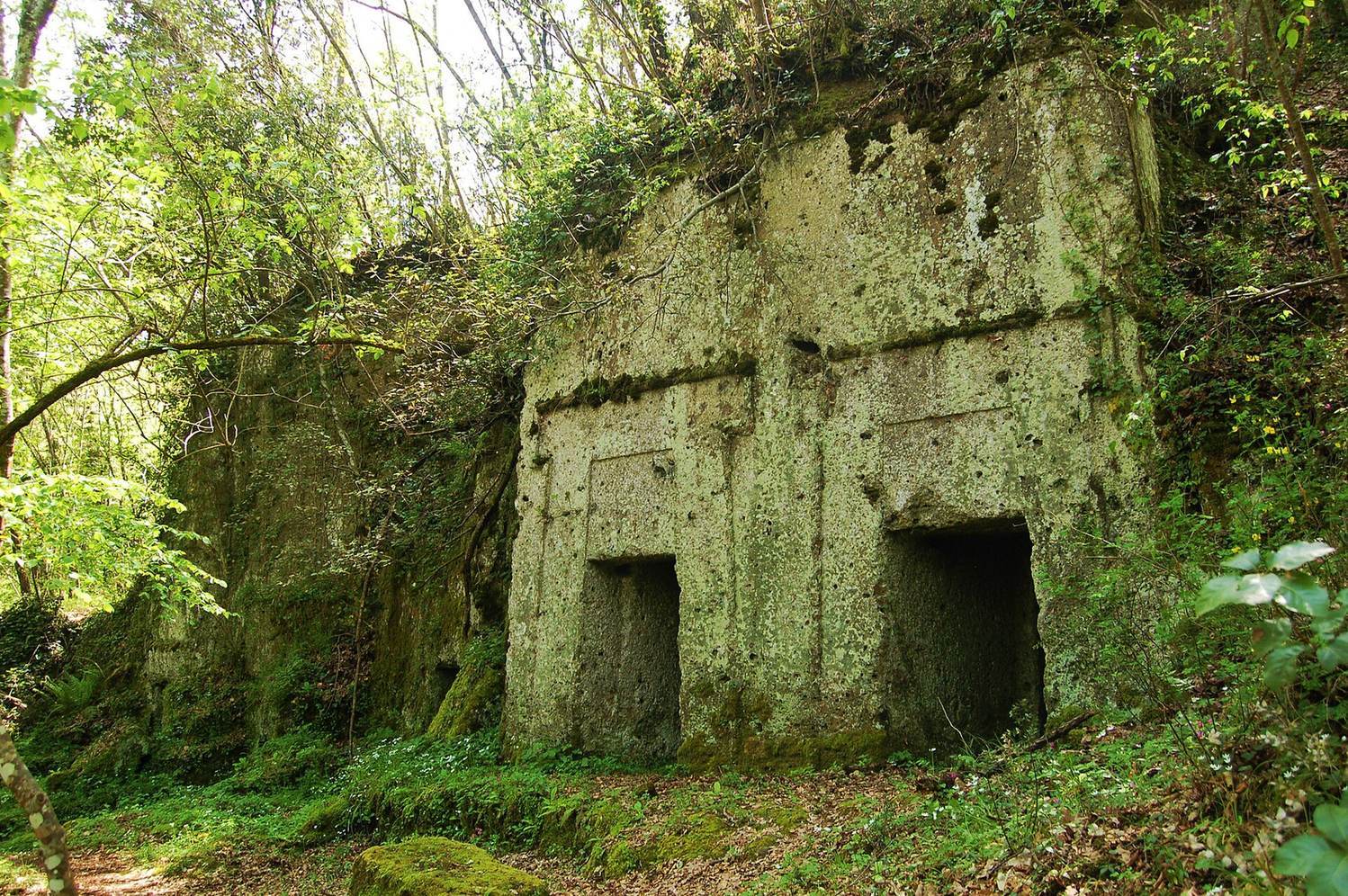
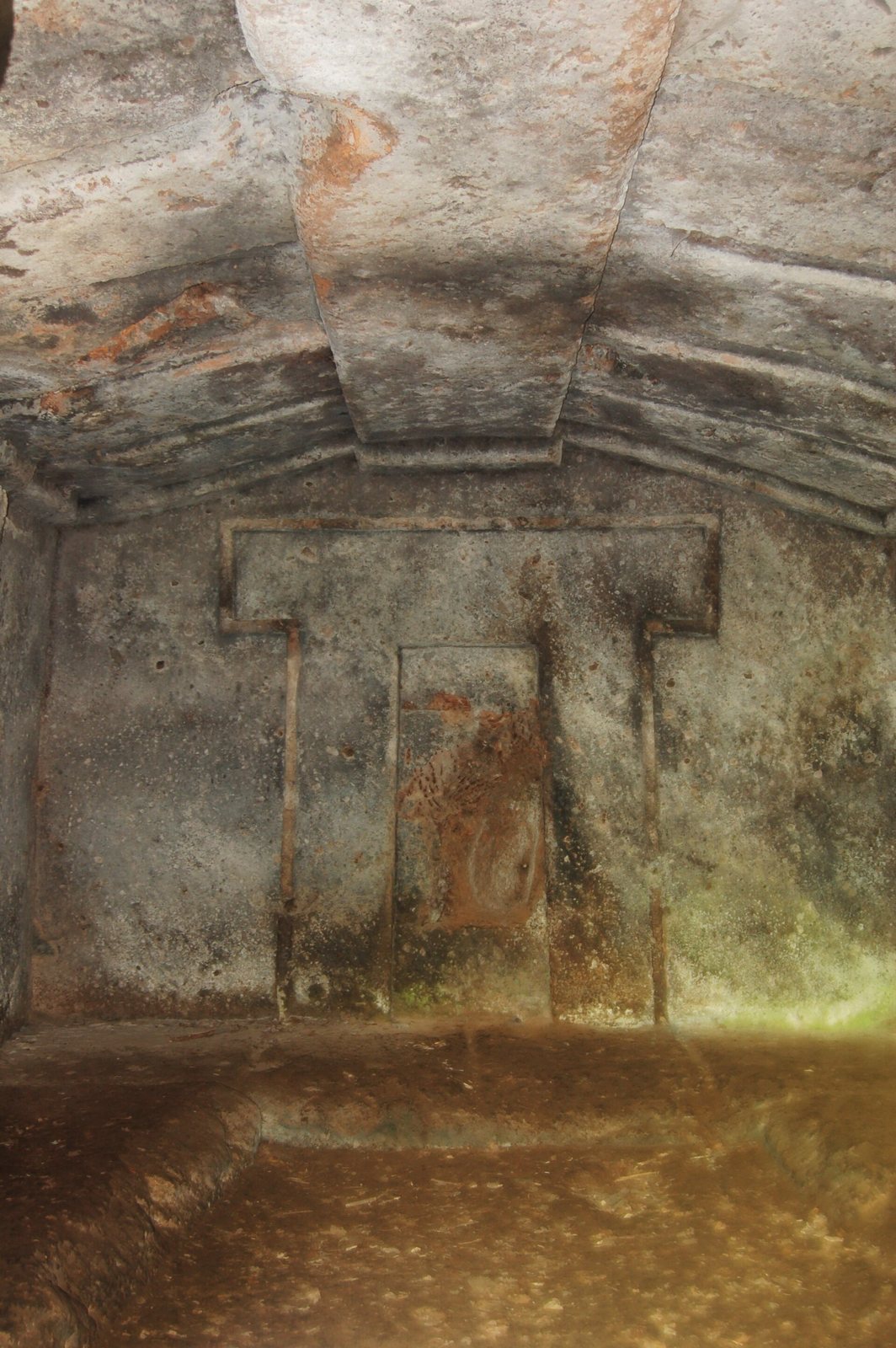
Several burial grounds lie around the settlement, at Caiolo, Chiusa-Cima, Valle Cappellana, and San Simone. Chiusa-Cima dates to the Etruscan Orientalizing period. The Queen’s Tomb and the Tomb of Rois-Costa were among the tombs visited and described in the nineteenth century.
La Noce
Between the summits of San Giuliano and San Simone, remains at La Noce indicate a temple with an attached sacred well. Numerous terracotta votive objects, items offered in religious worship, were recovered there and later entered museums in Barbarano Romano, Vetralla, and Viterbo.
Medieval hill settlement
Defensive works
The hill settlement includes walls, a tower, and at least two entrance gates associated with its medieval defensive role.
Church of San Giuliano
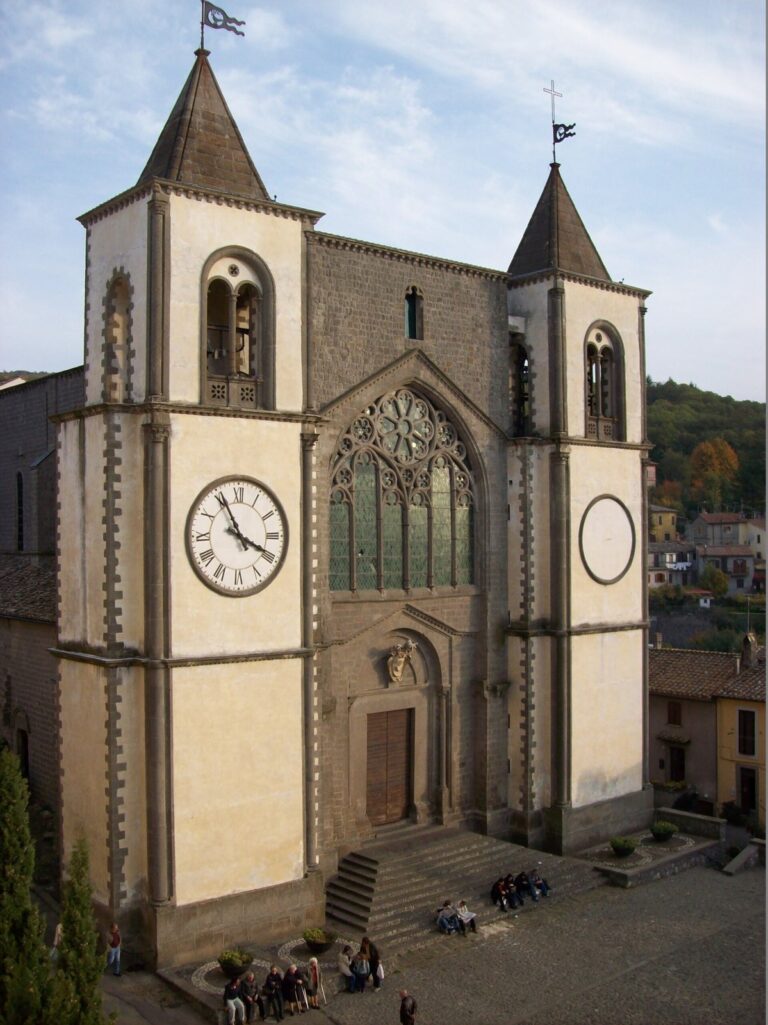
The Romanesque Church of San Giuliano belongs to a medieval architectural style characterized by rounded arches and massive masonry. It has fifteenth-century frescoes.
Rainwater cistern
A Roman cistern on the hill was used to collect rainwater.