Saint Procopius Church, Veria: A Fourteenth-Century Orthodox Church
Site at a Glance
- Popularity
- Very Low
- Country
- Greece
- Primary era
- Medieval
- Eras represented
- Medieval, Early Modern
- Civilizations
- Byzantine, Ottoman
- Site type
- Religious
- Remains
- Church
On this page4 sections
History
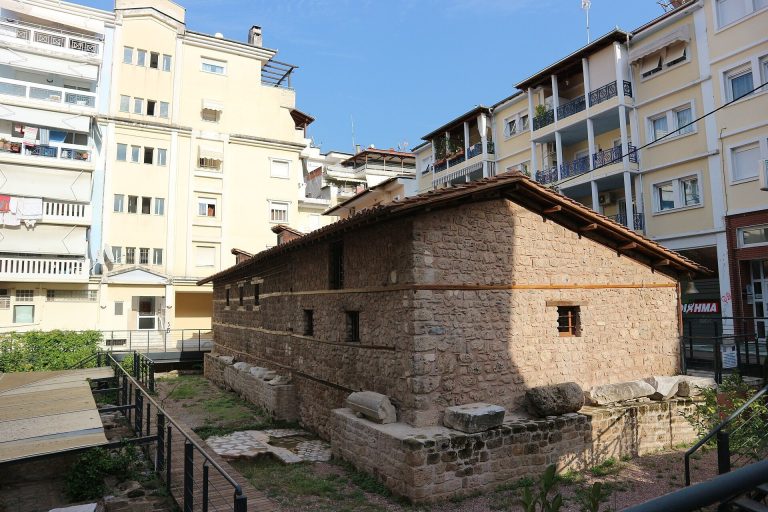
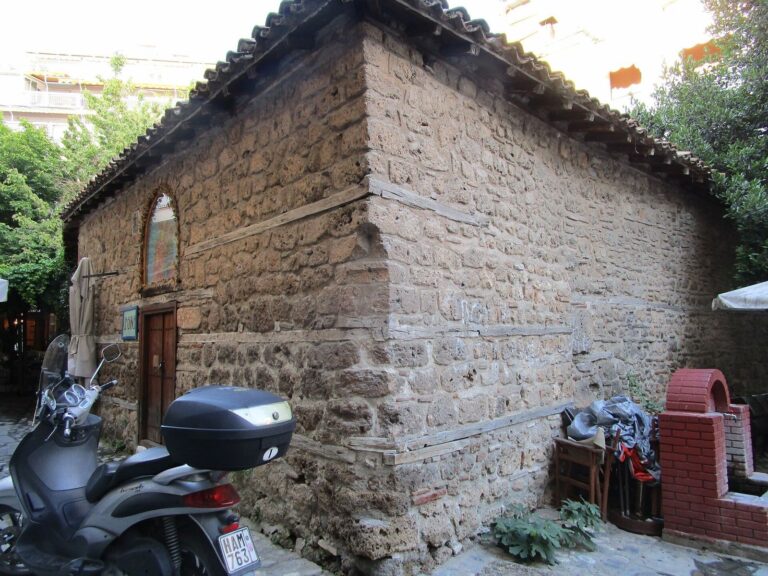
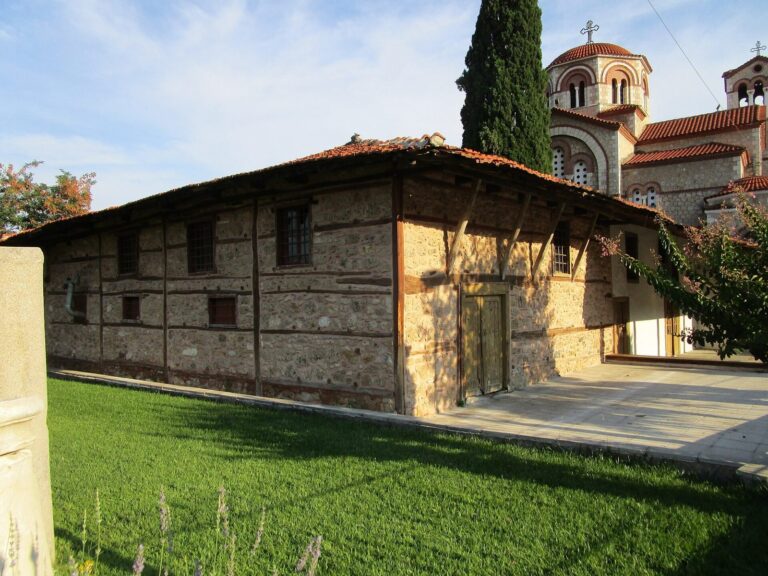
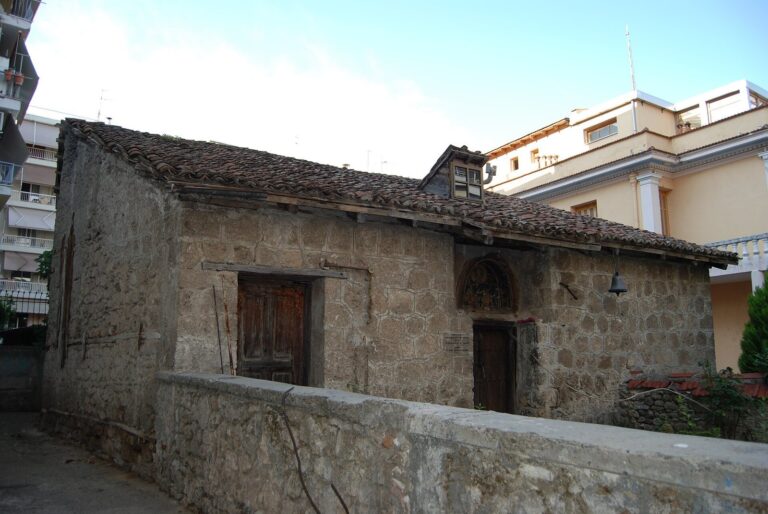
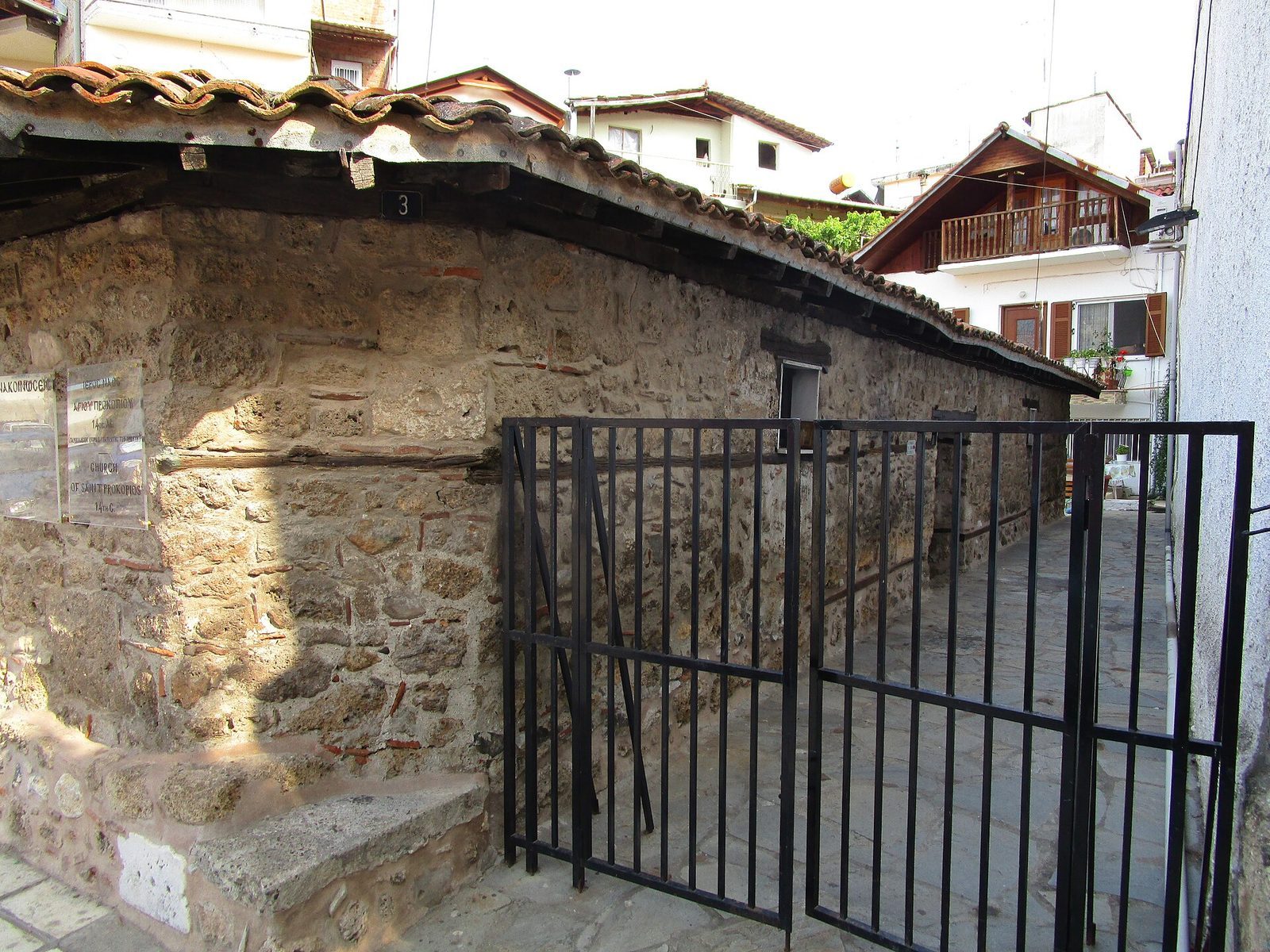
Saint Procopius Church is a medieval Orthodox church in Veria, Greece, built in the fourteenth century. Saint Procopius, for whom it is named, was an early Christian martyr venerated in the Eastern Orthodox tradition. Architectural interventions continued through the beginning of the seventeenth century, changing the building from its original form. The church’s painted decoration was renewed in 1589 and 1607.
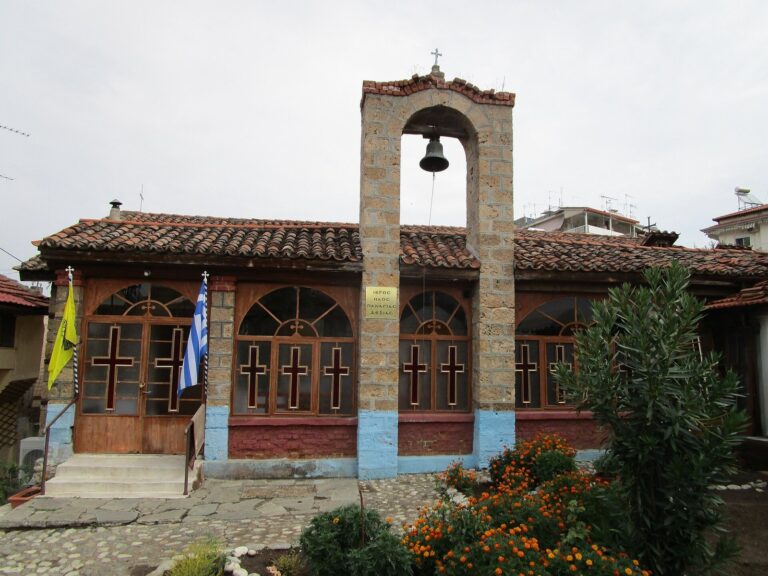
The church belongs to the Ecumenical Patriarchate of Constantinople, a senior institution of the Eastern Orthodox Church, and to the Diocese of Veria, Naousa and Kampania within the Veria deanery. It is part of the parish of the Presentation of the Lord, a Christian feast commemorating Jesus’ presentation at the Temple, and remains an active place of worship.
Remains
Church layout
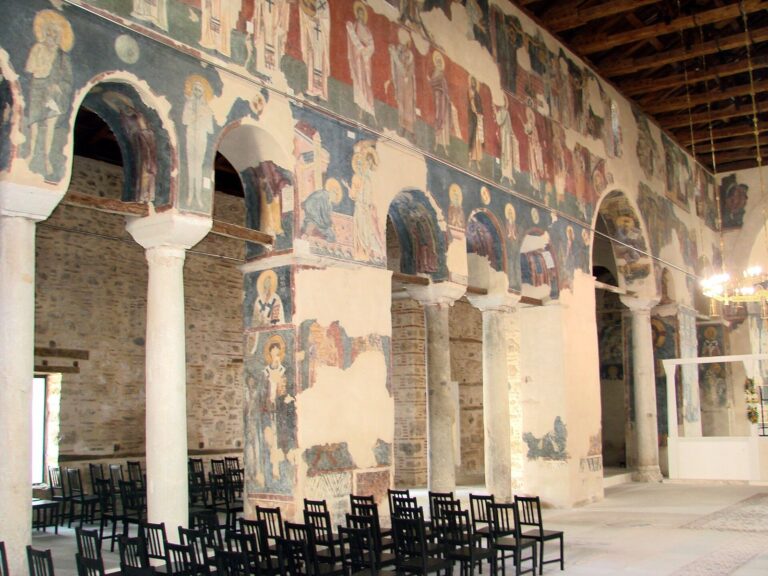
The original church was a single-nave building with a wooden roof. Later alterations formed a three-aisled basilica, a building with a long central nave and side aisles.
Frescoes and icons
Frescoes, paintings made on plaster, survive on the west wall of the original church and date to the late fourteenth century. Later paintings include scenes of the Nativity, the Annunciation and the Ascension. The church also preserves many icons, including two associated images of the Virgin and Child, both from the second half of the fourteenth century. One depicts the Hodegetria, “She who shows the way,” and the other the Glykophilousa, in which the Virgin and Child embrace affectionately. Each measures 91 × 52 cm.