Ruine Baldenstein: A Medieval Spur Castle near Gammertingen


Site at a Glance
- Rating
- 4.5
- Popularity
- Very Low
- Country
- Germany
- Primary era
- Medieval
- Eras represented
- Medieval
- Civilizations
- Holy Roman Empire
- Site type
- Military
- Remains
- Castle
On this page9 sections
History
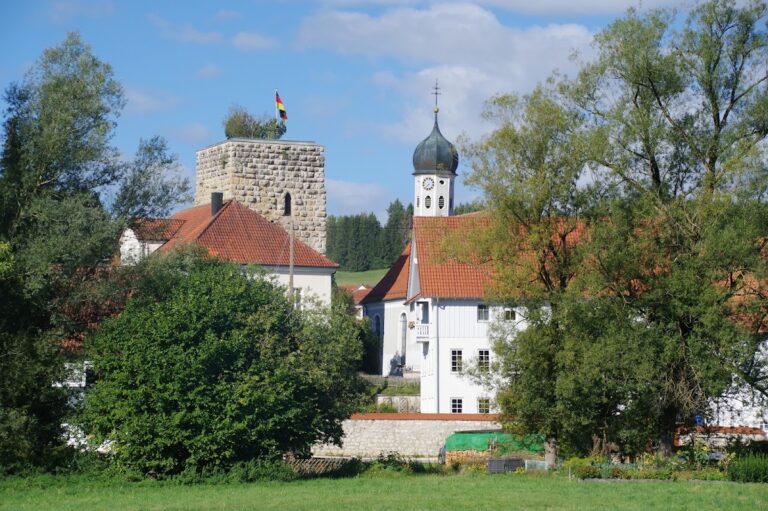
Ruine Baldenstein is the ruin of a medieval hilltop castle in Germany, near Gammertingen in Baden-Württemberg. Probably built between 1050 and 1100 by the Counts of Gammertingen, it is thought to have served as the family’s ancestral seat and stood within their comital lordship.
The Counts of Gammertingen
The settlement of Baldenstein lay below the castle in the Fehla valley. It contained nine farmsteads and a mill. The settlement and its mill passed to Zwiefalten Monastery, a medieval religious foundation that held land and rural properties, around 1130. In 1140, two daughters of Count Ulrich II of Gammertingen donated the settlement to the monastery. A farm there was still recorded in 1329.
Baldenstein Castle was destroyed by fire around 1150, without military intervention, and was not rebuilt. The Counts of Gammertingen died out around 1170–1180. Their burial place was discovered in 1983 in St. Michael’s Church at Gammertingen. After the family’s extinction, authority over Gammertingen and Hettingen, including Baldenstein Castle, passed to the Counts of Veringen, a medieval ruling family whose territories included settlements and fortifications in the region.
Abandonment and later investigation
After Gammertingen and Hettingen were founded as towns, the Baldenstein settlement was abandoned and its territory was divided between them. The castle itself remained unreconstructed after the fire. Excavations began in 1933, and between 1963 and 1965 the ruins were exposed and repaired, making the surviving structures easier to interpret.
The legend of Kunibert
A local legend tells of Kunibert, a wealthy robber knight whose castle supposedly had five towers. A talking rooster watched the roads from the highest tower. Kunibert’s daughter, Walburga, fell in love with a prince, but Kunibert killed him and cursed his daughter, transforming her into a snake wearing a golden crown. His guard dogs then tore him apart, while enemies later destroyed the castle without finding its hidden treasure.
According to the tale, the enchanted snake can be freed by a third kiss, but the chance comes only once every hundred years. The story connects her hoped-for release with a child from the Fehla Valley, a fir tree cut down to make a cradle, the calls of the enchanted rooster, and treasure hidden beneath the ruined masonry.
Remains
Fortified spur and inner castle
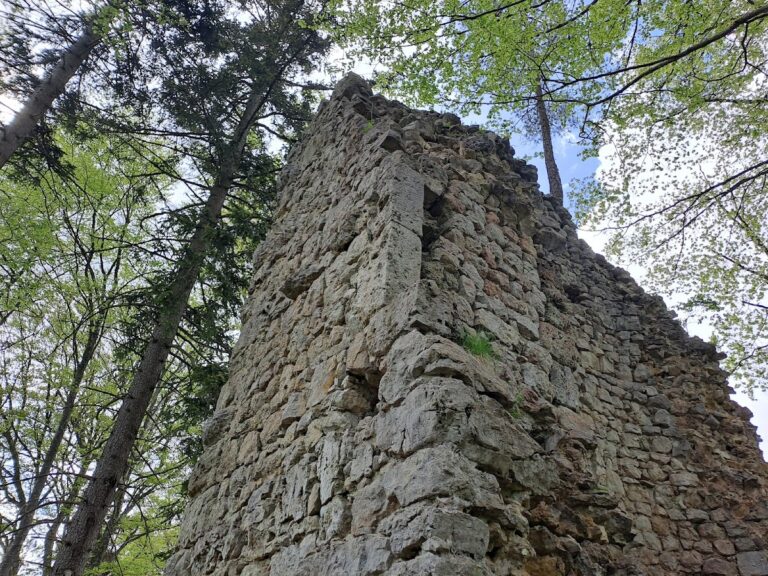
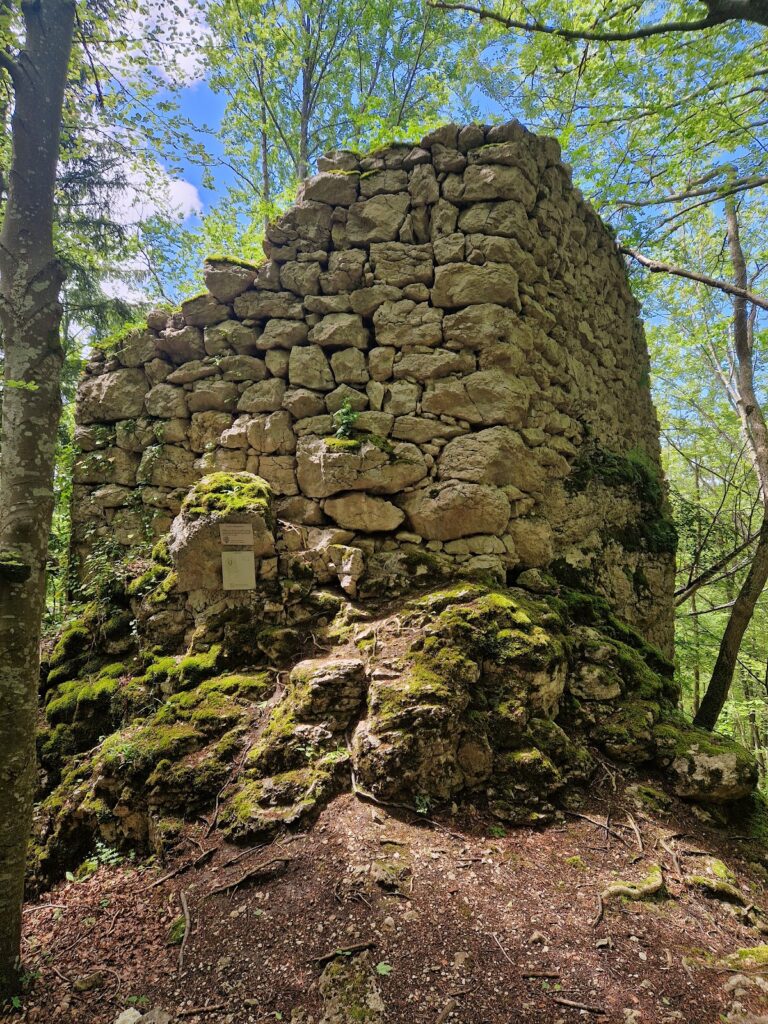
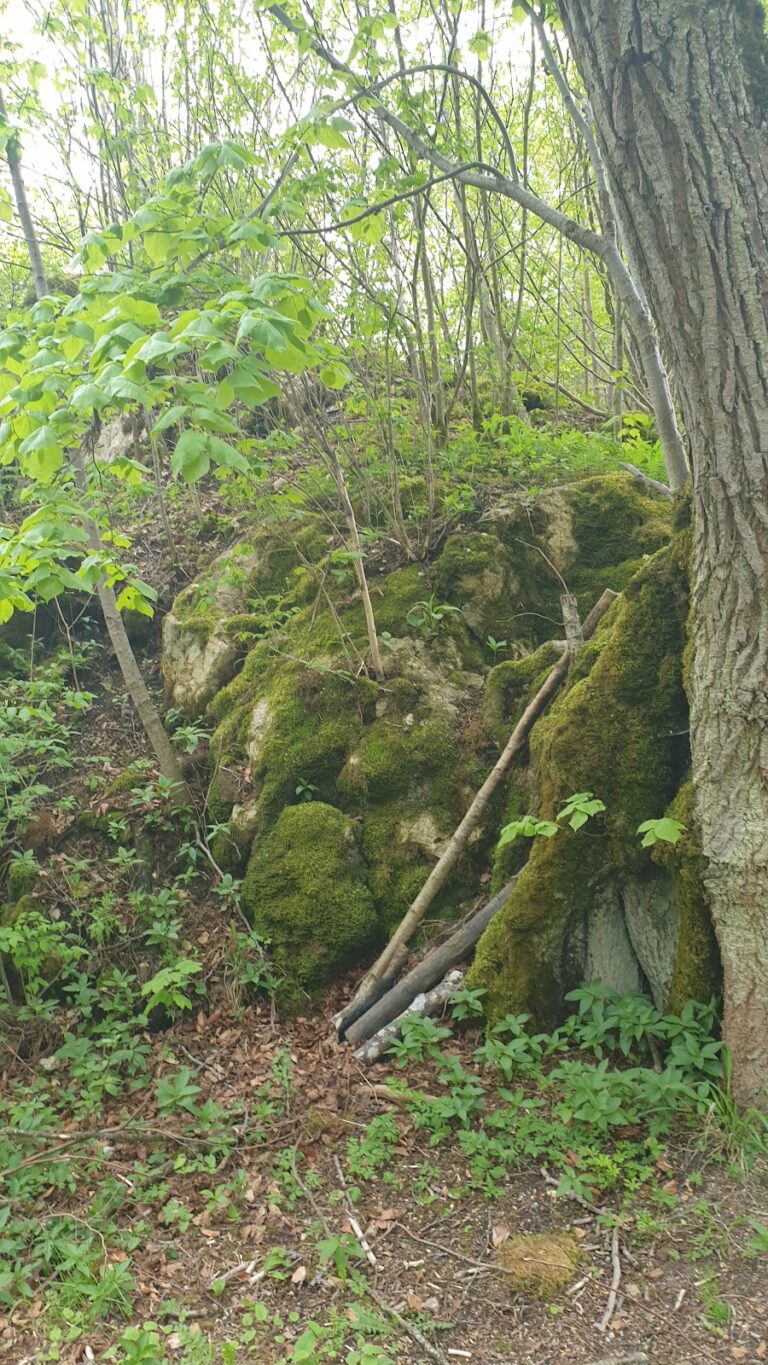
Ruine Baldenstein stands about two kilometres southwest of modern Gammertingen, on a rocky spur to the left of the Fehla at approximately 712 metres above sea level. The projecting ridge formed the basis of a spur castle, a fortification built on a rocky ridge or spur. A ditch cut the complex off from the adjoining upland. Small-block masonry was used in the construction, while the settlement formerly occupied the valley below.
Stone house
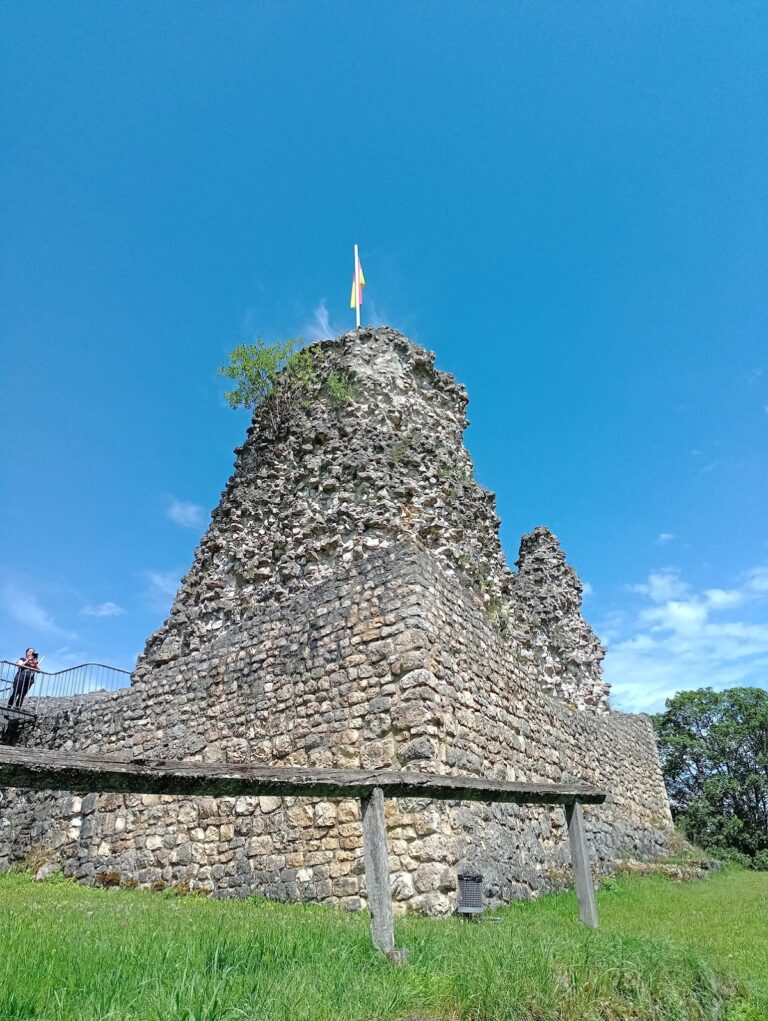
A solid stone house stood in the northwestern corner of the inner castle. It measured approximately 19 by 15 metres and had walls about two metres thick. The ground floor contained two loopholes on its southern side, each set within a round-arched niche. An eastern extension formed a projection shaped like the bow of a ship. This building served as the castle’s donjon, the principal fortified residential or defensive tower of a medieval castle.
Eastern keep
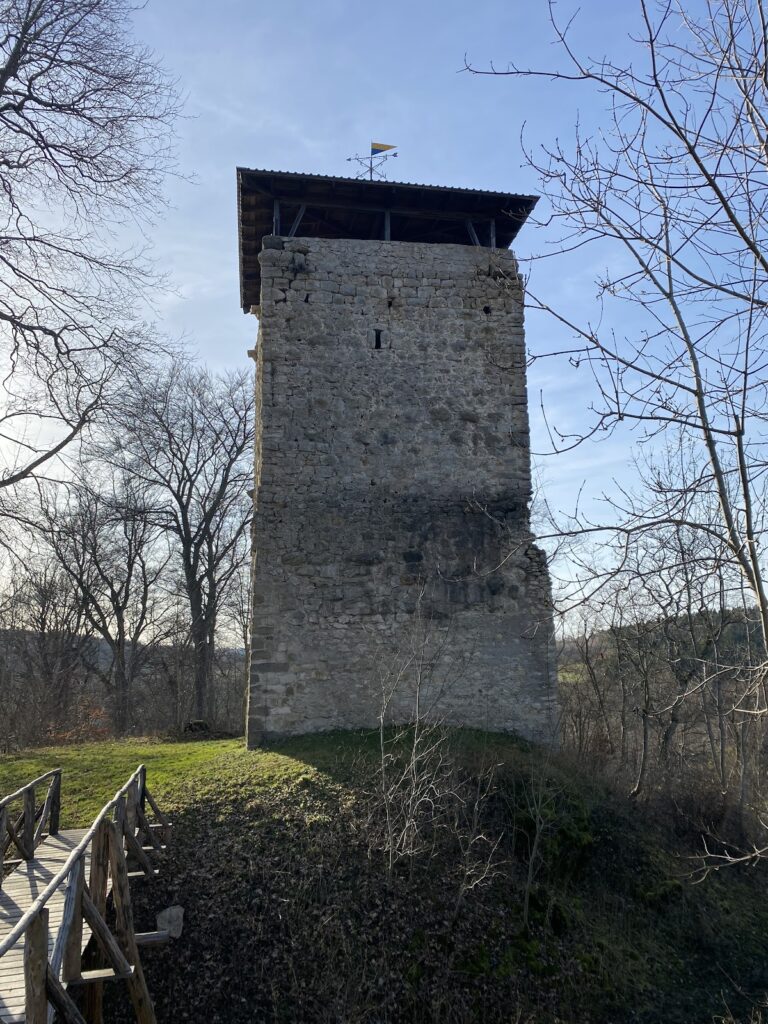
The eastern part of the complex contains the remains of a keep covering approximately 13 by 20 metres. The tower may also have functioned as the castle’s entrance tower. Its surviving footprint forms a second major element of the fortified layout alongside the stone house.
Archaeological finds
Excavations recovered game pieces, fragments of glass, and metal spurs. These objects have been regarded as valuable finds and have appeared in several exhibitions, adding evidence of activity and material culture at the medieval castle.
Nearby sites