Royal Palace of Tétouan: A Former Seat of Protectorate Authority in Morocco
Site at a Glance
- Rating
- 4.5
- Popularity
- Medium
- Country
- Morocco
- Primary era
- Early Modern
- Eras represented
- Early Modern, Modern
- Civilizations
- Alaouite, Spanish
- Site type
- Domestic
- Remains
- Palace
On this page8 sections
History
The Royal Palace of Tétouan is a palace complex in Tétouan, Morocco, occupying a former center of political authority during the Spanish protectorate in Morocco, a system in which Morocco retained nominal sovereignty while Spain controlled substantial aspects of administration and foreign affairs. The compound includes the former governor’s palace and the former Spanish consulate, which housed the Sultan’s representative in the northern zone and Spain’s senior official in the protectorate.
The Government Palace and the Khalifa
The oldest building in the complex was constructed around 1740 as the local Government Palace, also known as Dar al-Emrat. In 1913, it became the residence of Mohammed Mehedi Uld Ben Ismael, the Khalifa, meaning the Sultan of Morocco’s personal representative in the northern zone. He remained there until his death in 1923. His son, Hassan Ben el Mehedi Ben Ismael, then held the position until the protectorate ended in 1956.
The former governor’s palace was remodeled several times. One major renovation took place in 1947, following a design by the painter Mariano Bertuchi. The building therefore continued to serve political functions while its physical form changed during the protectorate.
The Consulate and the High Commissioner
The Spanish Consulate in Tétouan was established after the Treaty of Wad Ras, the agreement that ended the Hispano-Moroccan War of 1859–1860 and set conditions affecting Spain’s presence in the city. The treaty also provided for a Franciscan mission, a Catholic religious establishment administered by members of the Franciscan order.
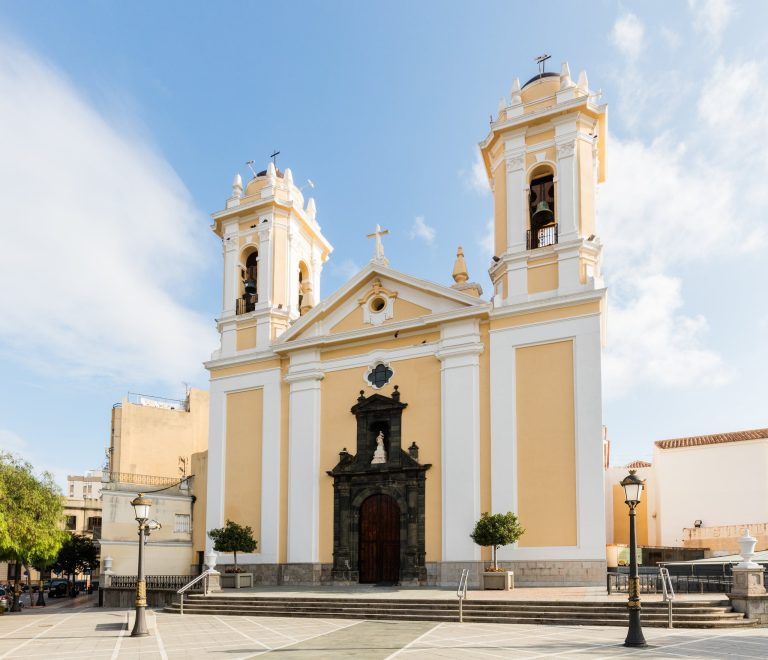
In 1913, the former consulate became the residence of the High Commissioner, the senior Spanish official directing the protectorate’s political administration. Its interiors were remodeled again in the late 1940s by High Commissioner José Enrique Varela. The Franciscan mission remained in the compound until 1926, when it moved to the newly built Church of Nuestra Señora de la Victoria during the Spanish colonial expansion of Tétouan.
Royal Palace after independence
After Morocco gained independence in 1956 and was proclaimed a kingdom on 14 August 1957, the complex was repurposed as a royal palace. It was refurbished during the reign of King Hassan II by the designer André Paccard. The palace has continued to serve this role since Moroccan independence.
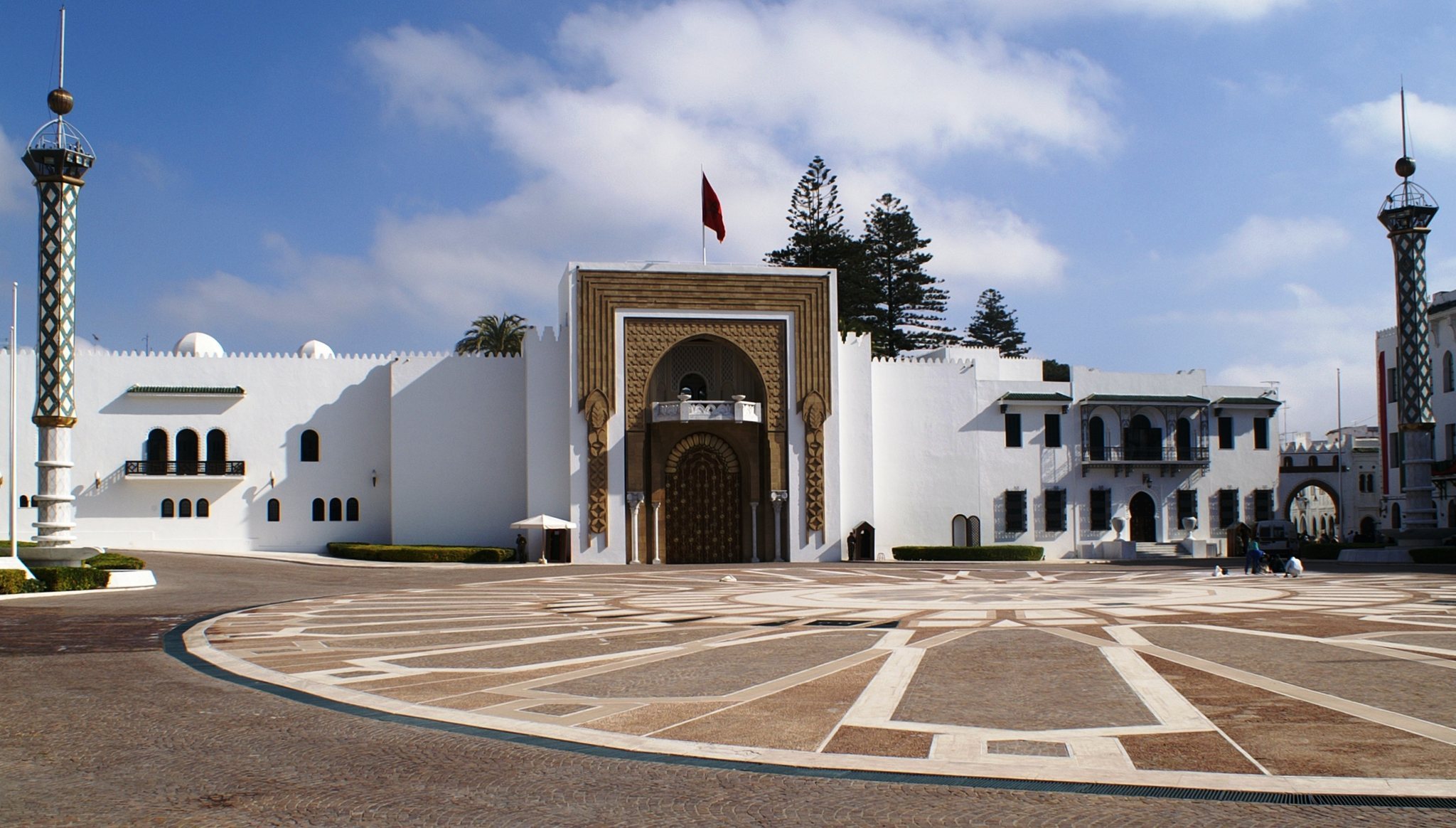
In 1988, the Feddan, the historic urban space traditionally associated with Hassan II Square, was remodeled. A wall and monumental gate were erected at that time, isolating the former High Commissioner’s residence from public view. The palace stands within the Medina of Tétouan, the city’s historic walled urban core.
Remains
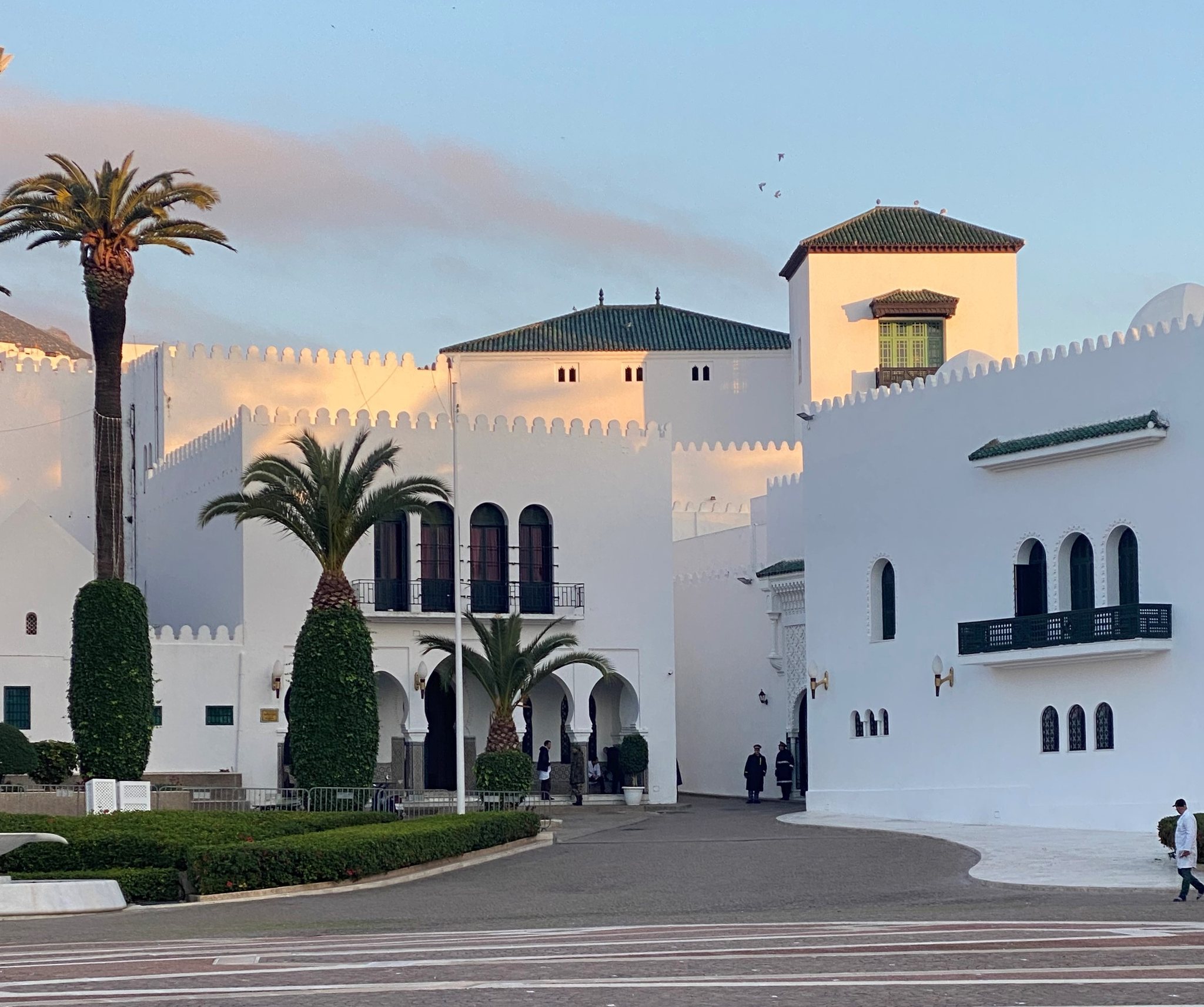
The complex occupies Hassan II Square, historically known as the Feddan, and is organized around two principal buildings. The former governor’s palace lies on the northwestern side, while the former Spanish consulate, later the High Commissioner’s residence, stands on the southeastern side. Their surviving arrangement reflects the compound’s successive political uses from the eighteenth century through the protectorate and the period of the royal palace.
Principal buildings
Former governor’s palace
The former governor’s palace is the oldest building in the compound. Constructed around 1740 as the local Government Palace, it later became the seat of the Khalifa in 1913. Its fabric was altered through several remodeling campaigns, including the 1947 renovation based on Mariano Bertuchi’s design. The building forms the northwestern part of the complex.
Former Spanish consulate
The former Spanish consulate occupies the southeastern side of the compound. Its main building was designed by Colonel Gelis of the Spanish Corps of Engineers and built between 1861 and 1864. A Franciscan church was completed beside it in 1866. During the mid-1910s, Tétouan municipal architect Carlos Ovilo Castelo remodeled the consulate and added two circular towers framing its western façade.
After the building became the High Commissioner’s residence in 1913, its interiors were remodeled in the late 1940s. The 1988 remodeling of the Feddan added a wall and monumental gate that separated the former residence from public view.