Roman Tomb of Silistra: A Late Antique Monument of Durostorum
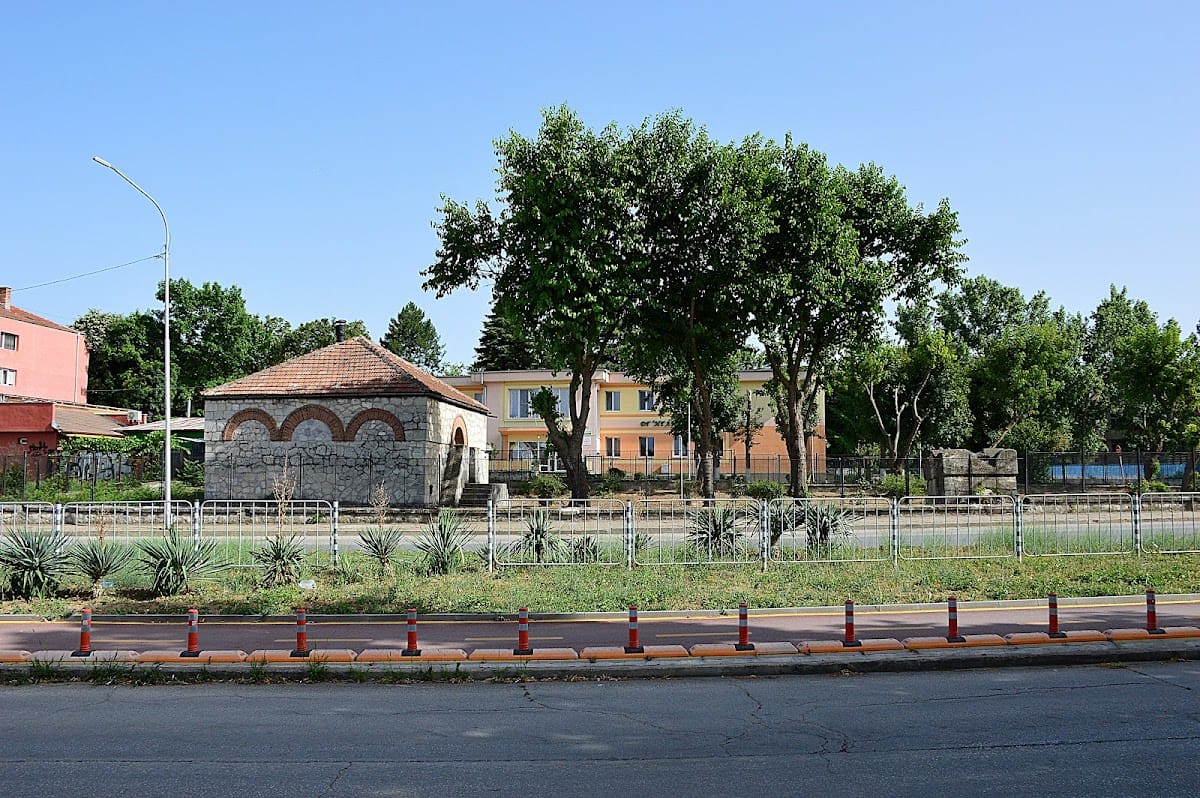
Site at a Glance
- Rating
- 4.5
- Popularity
- Low
- Country
- Bulgaria
- Primary era
- Classical
- Eras represented
- Classical
- Civilizations
- Roman
- Site type
- Burial
- Remains
- Tomb
On this page6 sections
History
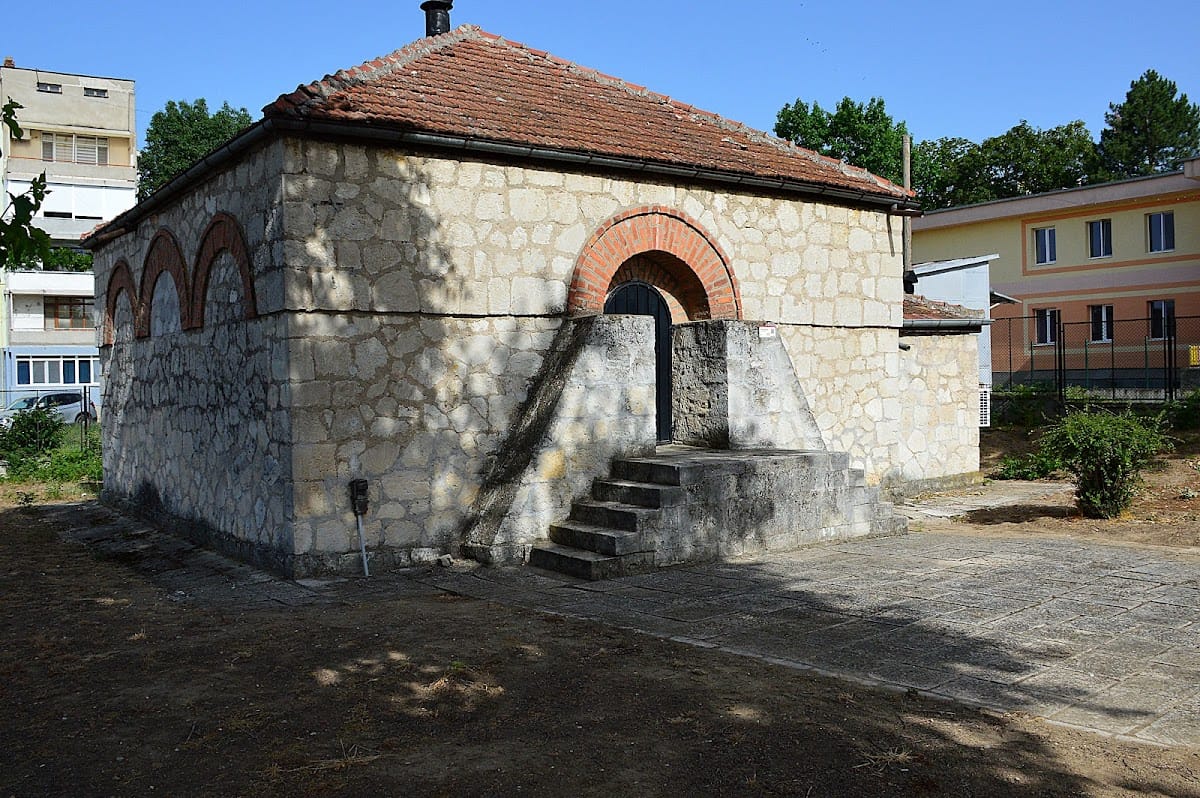
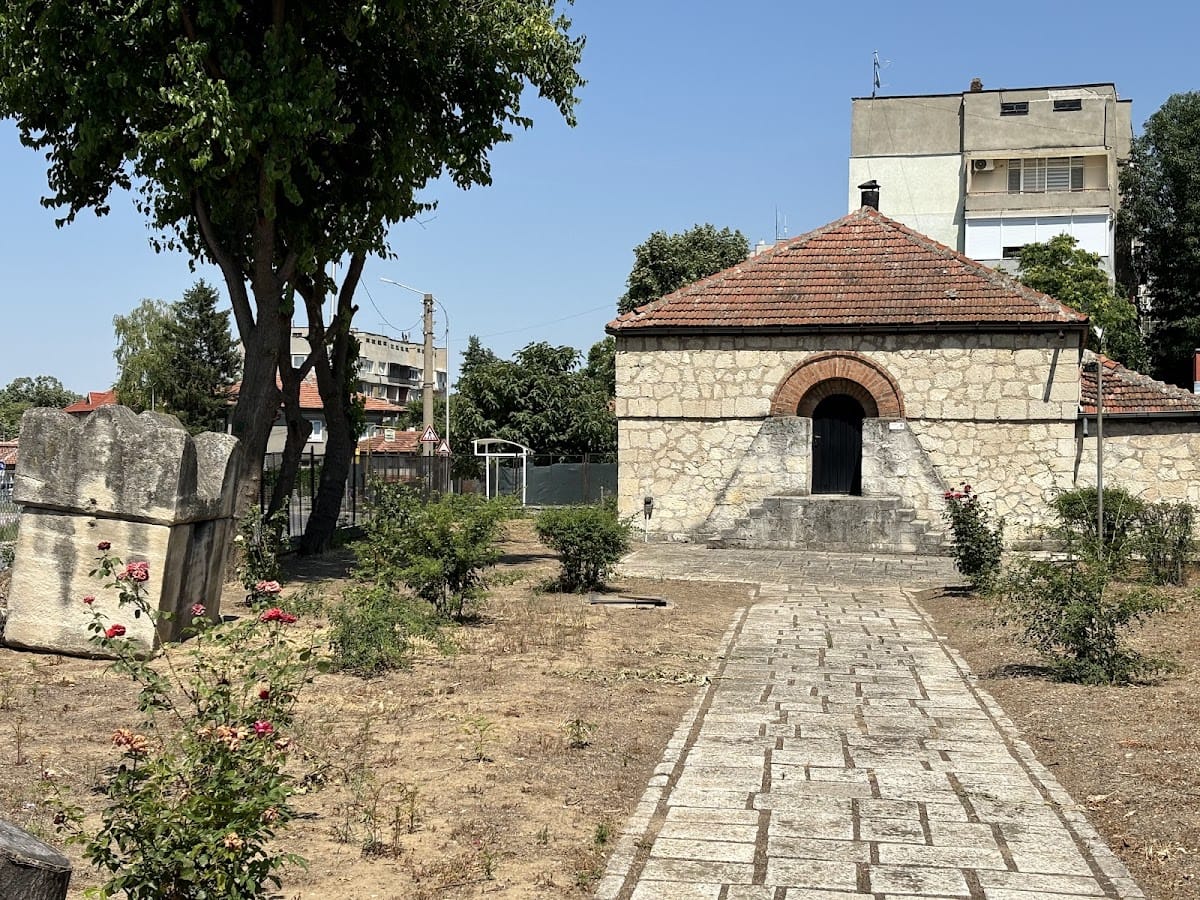
The Roman Tomb of Silistra is a fourth-century pagan funerary monument in Silistra, Bulgaria, built by the Romans for a noble citizen of Durostorum, the ancient Roman city corresponding to modern Silistra. It was probably constructed during the late reign of Constantine I, also known as Constantine the Great, an emperor of the early fourth century. The tomb was prepared and painted for burial but remained unused.
A monument in Late Antique Durostorum
The tomb belongs to Late Antiquity, the period of the later Roman Empire generally spanning the third to seventh centuries. It was created at a time when Christianity had already reached Silistra, yet it retained a pagan character. Its construction probably came before the Gothic invasion of Durostorum in 376–378. The invasion brought major upheaval to the city and may have caused the family represented in the tomb to flee before the burial could take place.
Discovery and historical importance
The monument was found accidentally in 1942 on the southern outskirts of Silistra, within the necropolis of Durostorum. This Late Antique burial area contained other comparable structures. The tomb is regarded as one of the most extensively studied and discussed monuments of Late Antique art in Bulgaria and the Balkans because of the quality and extent of its interior decoration. Since 1984, it has been included on UNESCO’s Tentative List of World Heritage Sites, a register of places identified by a state as candidates for possible future nomination.
Remains
Burial chamber
The tomb is a stone structure with one burial chamber measuring 3.30 by 2.60 metres. It follows a west–east orientation, with the entrance set in the eastern wall. A semi-cylindrical brick vault covers the chamber, while rectangular ceramic plates cover the entire floor. The floor plates were painted using the fresco-secco technique, in which pigment is applied to dry plaster rather than wet plaster.
Painted interior
Polychrome murals cover the interior. The north, south, and east walls carry a procession of servants, while the west wall opposite the entrance presents the master and his wife. A frieze running along the walls contains 11 panels with male and female slaves bearing gifts and garments for the couple. The procession moves from both sides toward the central panel with the masters, forming a symmetrical composition. Hunting scenes appear alongside candlesticks, plants, peacocks, pigeons, and other animals. The murals and associated decoration survive in exceptionally good condition, preserving an unusually detailed picture of art and life in the outer regions of the Roman Empire during the turbulent fourth century.