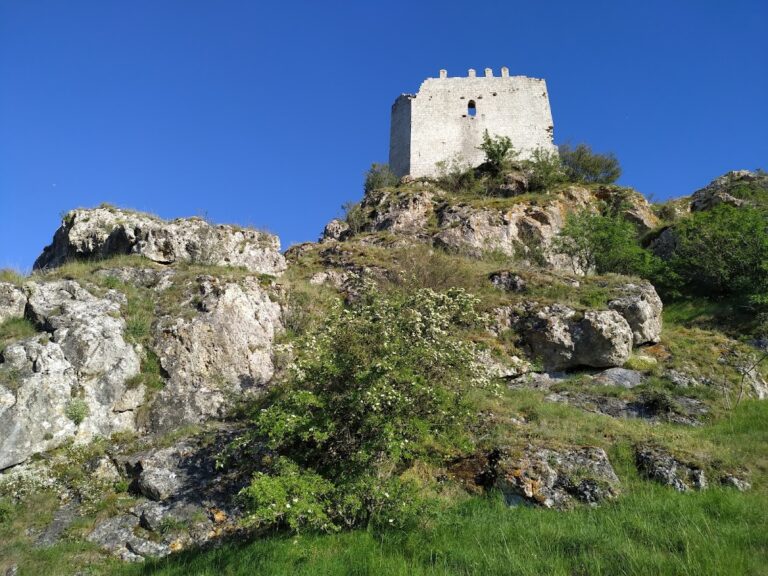
Rojas Castle, Poza de la Sal: A Medieval Hilltop Fortress in Spain

Site at a Glance
- Rating
- 4.4
- Popularity
- Low
- Country
- Spain
- Primary era
- Medieval
- Eras represented
- Medieval
- Civilizations
- Crown of Castile, Kingdom of Asturias
- Site type
- Military
- Remains
- Castle
On this page11 sections
History
Frontier fortress in the ninth century
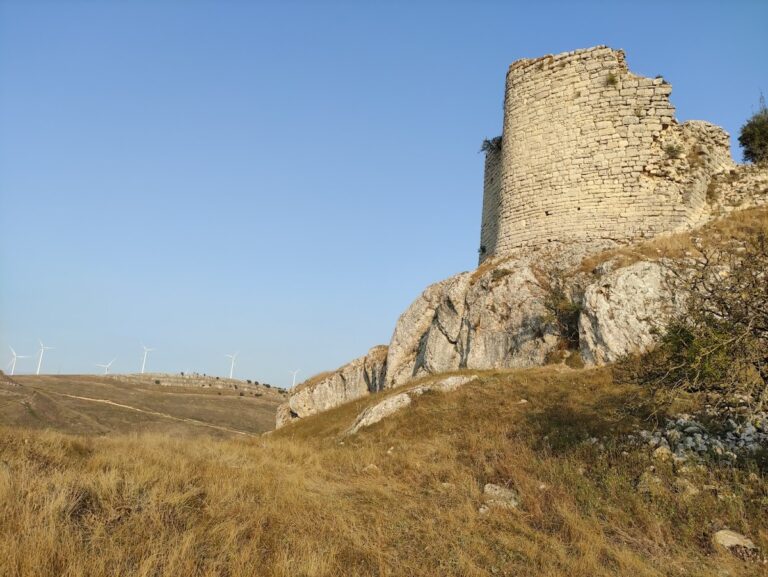
Rojas Castle, Poza de la Sal, in Spain, is a hilltop fortress whose present form dates from the fourteenth century, when the Rodríguez de Rojas family built it over an earlier ninth-century stronghold. Its origins lie in the Christian repopulation and frontier organization of northern Castile. At the end of the ninth century, Count Diego Rodríguez Porcelos repopulated Poza and established a fortress to defend the territory against Muslim incursions.
This work belonged to the same period of frontier building as the construction of Pancorbo Castle and the foundation of Burgos in 884. The earlier fortress probably consisted of a principal tower with surrounding walls and barbicans, outer defensive structures protecting the approach to a fortress or gate.
The Rodríguez de Rojas castle
In the fourteenth century, the Rodríguez de Rojas family replaced the earlier stronghold with the castle that gives the site its present character. Together with the town walls, it created a system intended to protect Poza de la Sal. The fortress occupied a commanding defensive position above the settlement and became an important element in the town’s fortified landscape.
Prison and military post
The castle later served for a time as a prison. Juan Rodríguez de Rojas, a Spanish diplomat who represented the crown at courts in France, Milan, Florence, and England, was held there by order of Charles I, the Spanish monarch who reigned from 1516 to 1556 and was also known as Holy Roman Emperor Charles V. His imprisonment lasted from 22 January to 15 April 1528.
During the Spanish War of Independence, the 1808–1814 conflict between Spanish forces and the occupying Napoleonic armies, the castle returned to military use. It served mainly as an observation post during fighting between French troops commanded by General Palombini and Spanish guerrilla forces led by Francisco Longa and Juan de Mendizábal. Garrisons from Burgos attacked it repeatedly until the end of the war, while French troops rehabilitated the castle in 1808.
Protection as a monument
Rojas Castle is protected as a monument under the decree of 22 April 1949 concerning the protection of Spanish castles. The decree was published on 5 May 1949, placing the surviving fortress within Spain’s protected historic castle heritage.
Remains
Rocky hilltop setting
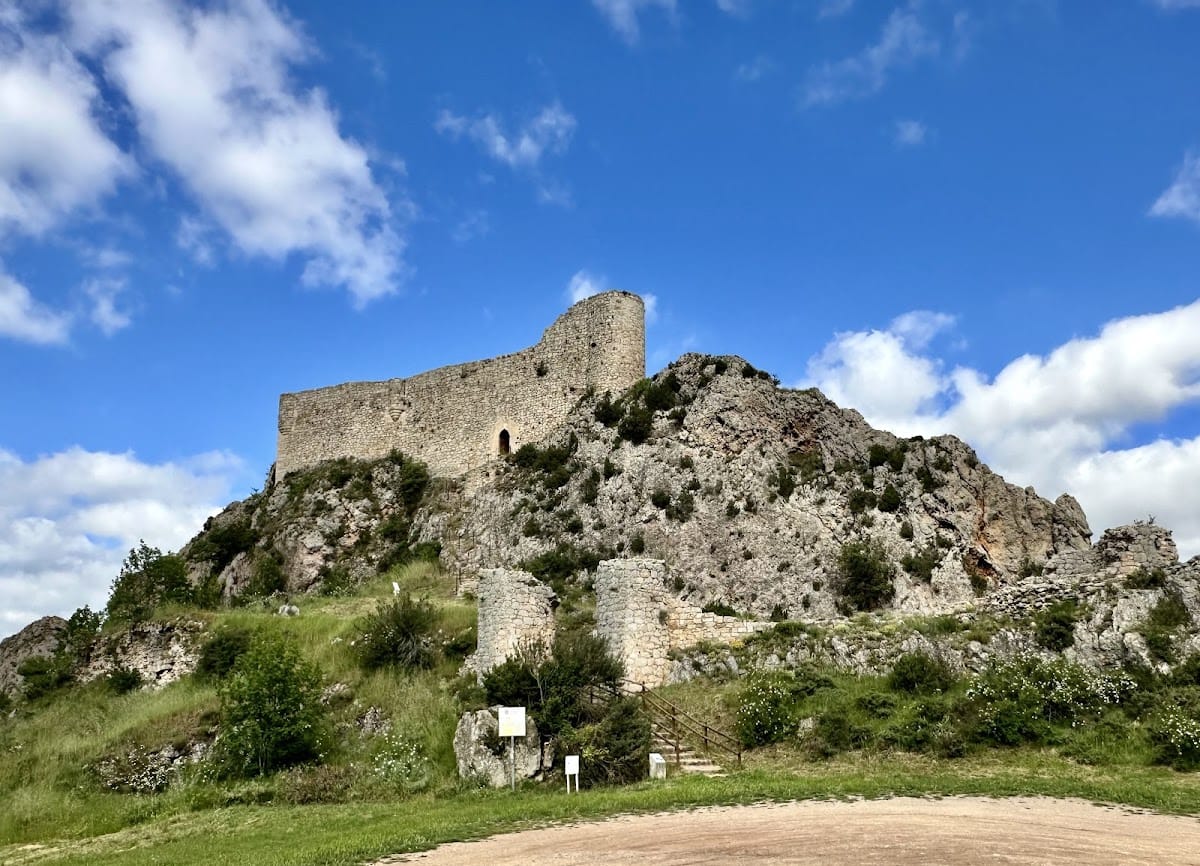
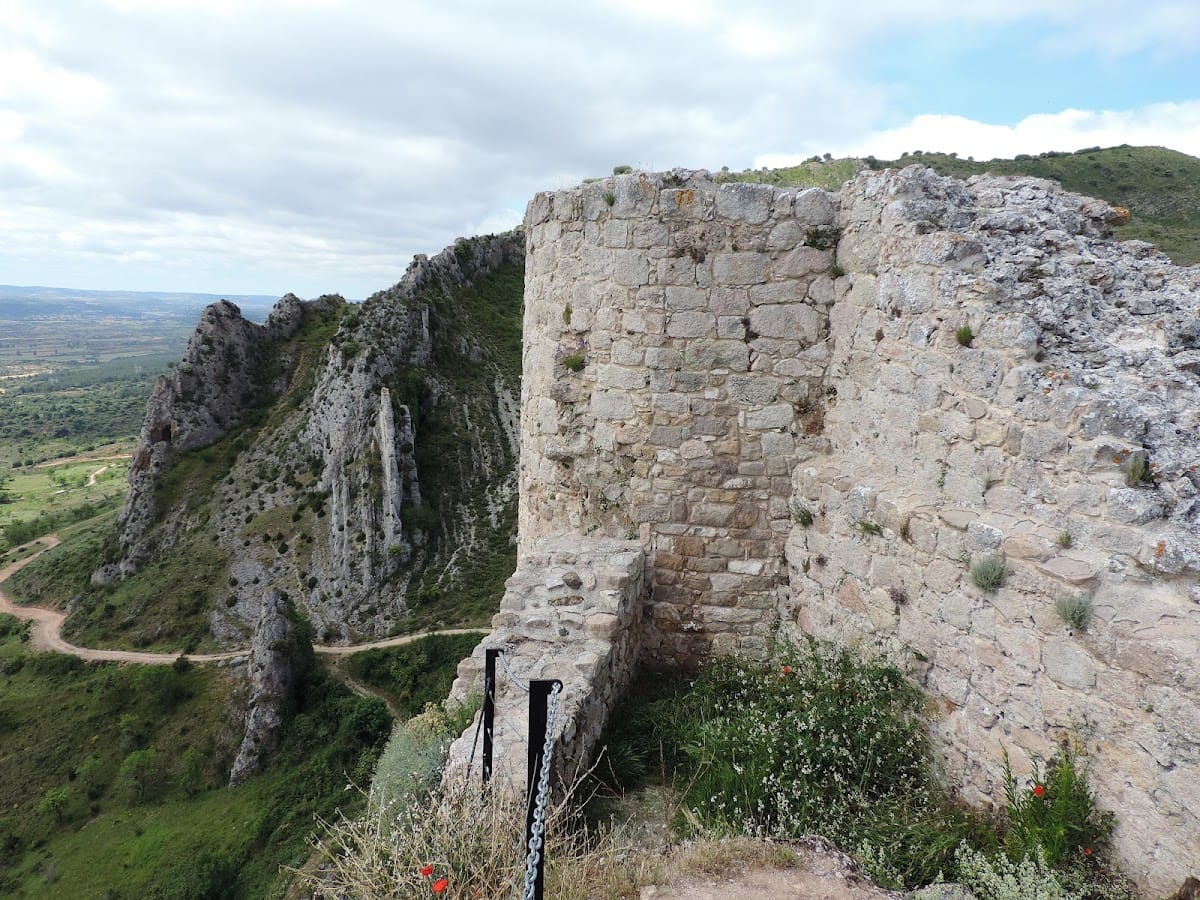
The castle stands on the summit of an isolated rocky hill above Poza de la Sal, while the settlement extends along the lower slope. Its steep position provided a naturally strong defensive site. The promontory overlooks the plain below, where several rural communities and a small town were situated, while the opposite part of the plain was forested.
Approach and outer defenses
Rock-cut staircase
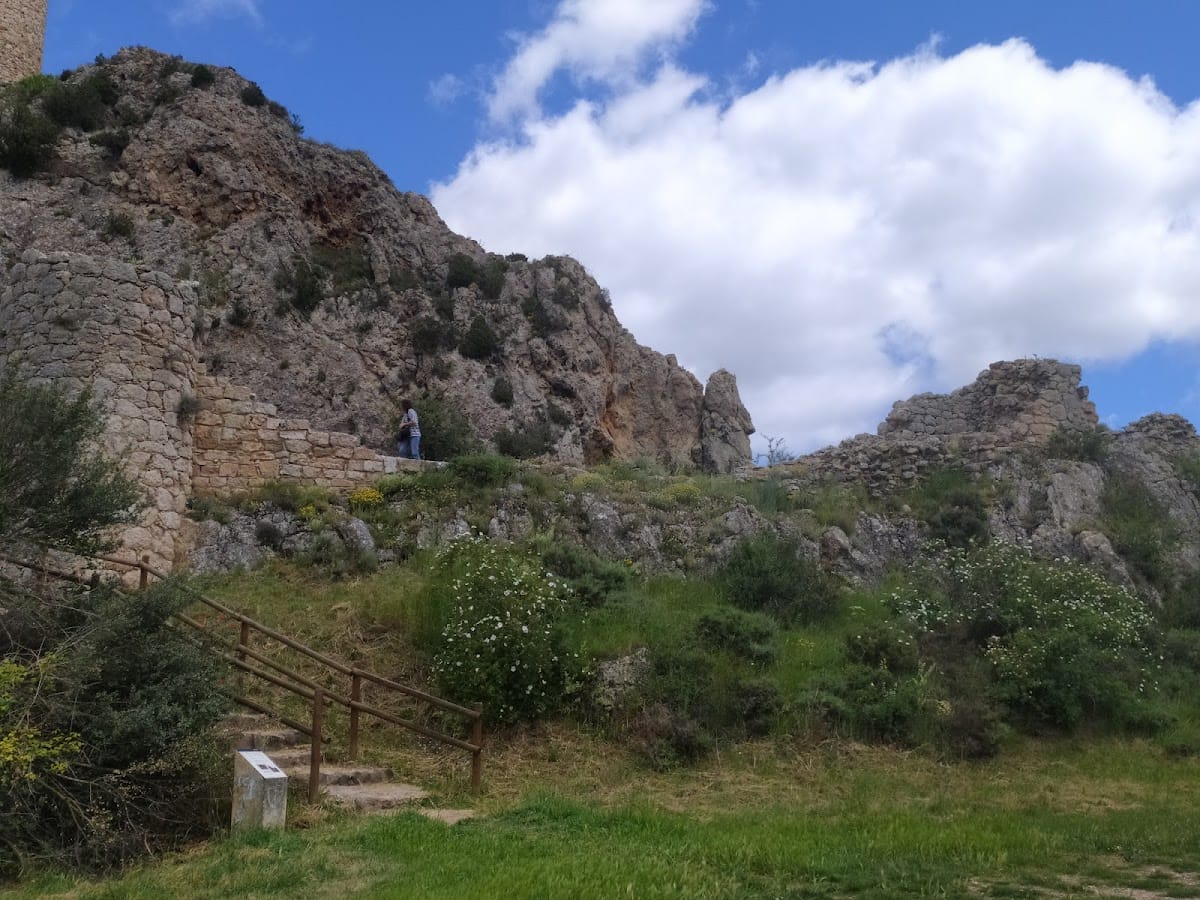
Steps cut directly into the rock provided access to the summit. This staircase extends for 36 metres and forms part of the approach to the fortress.
Gateway columns
Two small columns survive at the foot of the rocky hill. They probably supported an arch and formed a gateway leading into the castle.
Walls and citadel
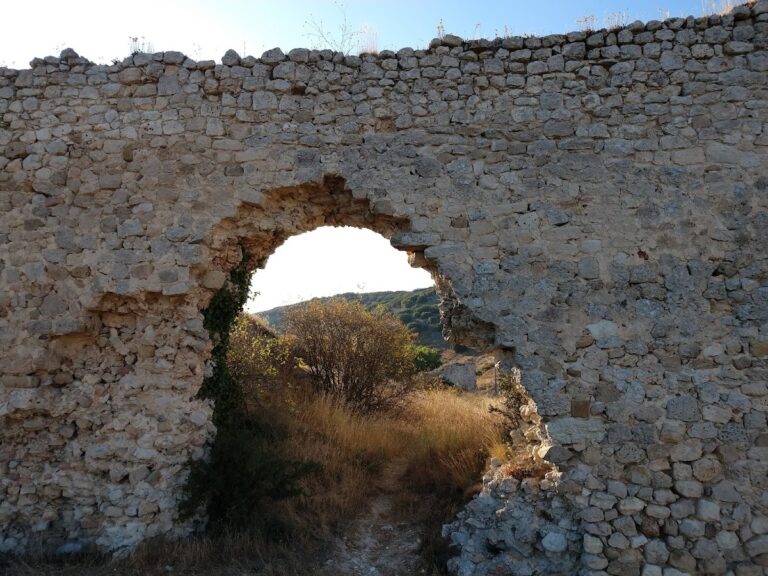
The wall above the castle ran from north to south, and a surviving section remains on the southern side. This fragment preserves part of the castle’s defensive enclosure and helps define the line of the fortification on the rocky summit.
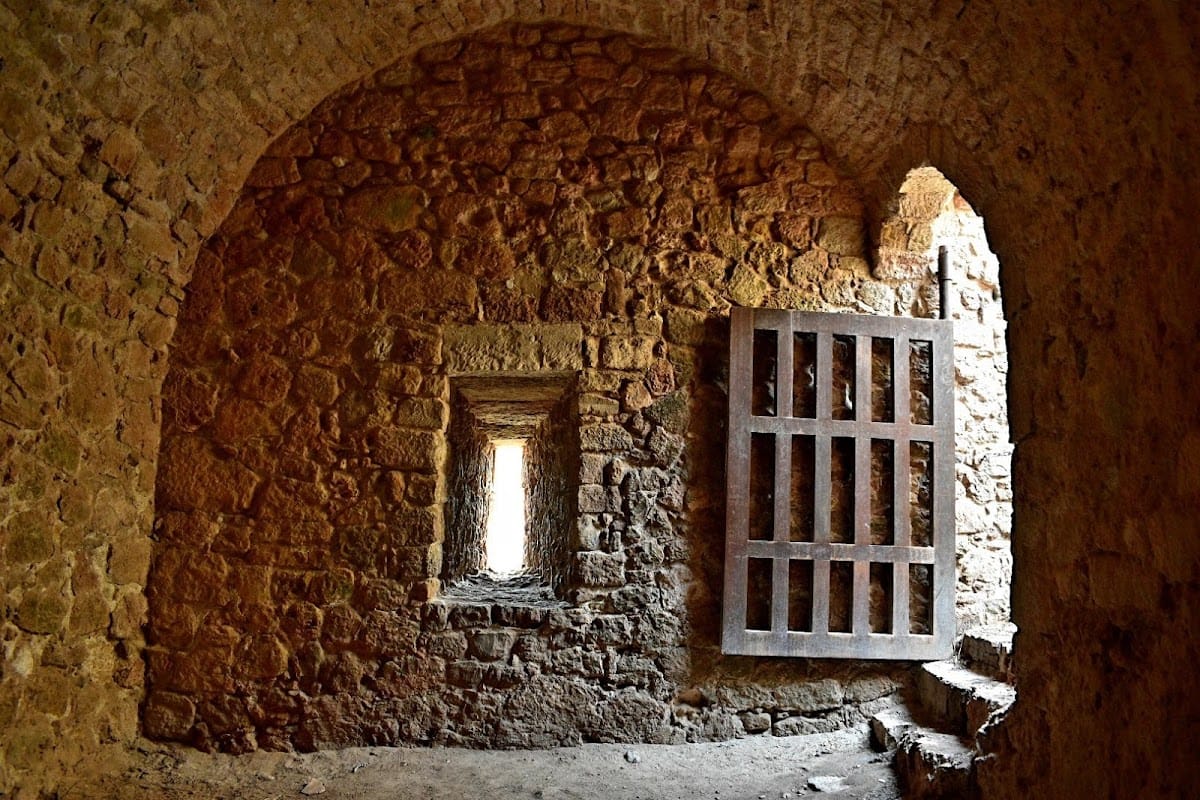
A small doorway in the surviving wall leads into the citadel. Cut into the rock, it forms a narrow passage connecting one part of the citadel with another. The present castle and its surrounding walls belong to the fourteenth-century rebuilding, while the earlier ninth-century fortress is represented by the probable arrangement of a principal tower, walls, and barbicans.