Rocca di Borgia: A Renaissance Fortress in Camerino
Site at a Glance
- Rating
- 4.5
- Popularity
- Medium
- Country
- Italy
- Primary era
- Early Modern
- Eras represented
- Medieval, Early Modern
- Civilizations
- Papal States
- Site type
- Military
- Remains
- Fort
On this page6 sections
History
Construction under Cesare Borgia
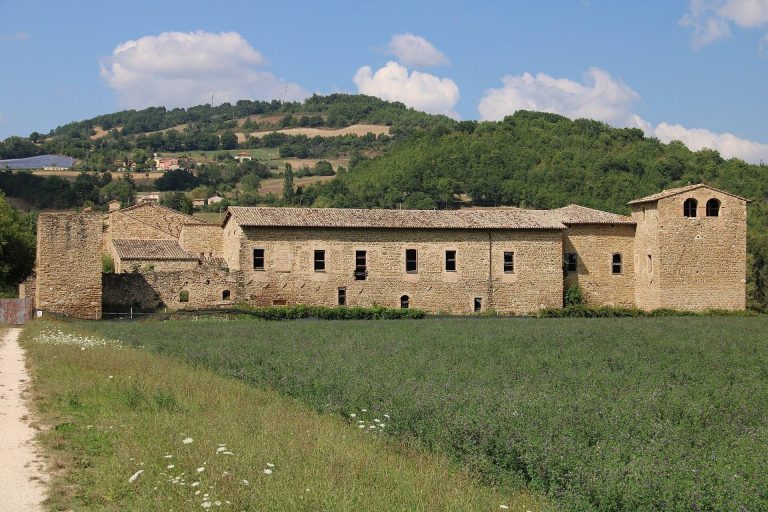
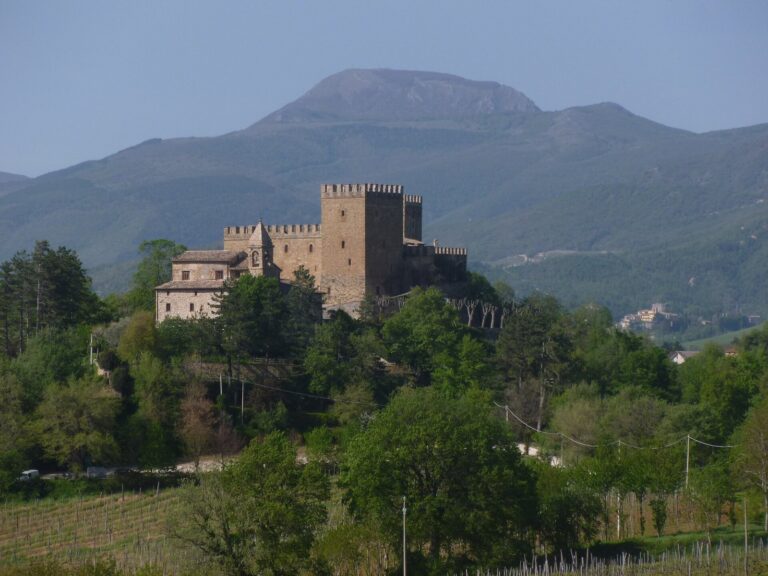
The Rocca di Borgia is a fortress in Camerino, Italy, designed for Cesare Borgia and completed in 1503. It combines a medieval style with features of early Renaissance military architecture. After Borgia defeated the Da Varano, Camerino’s ruling family, he built the fortress to strengthen his authority over the city and its surrounding area and to control the city from the southwest.
Restoration and papal use
About a year after Borgia’s attack, Giovanni Maria Varano regained Camerino and restored the fortress. Further work followed under Guidobaldo della Rovere, duke of Urbino, Ottavio Farnese, duke of Parma and Piacenza, and later the Papal States, territories governed by the papacy. Pope Clement VII used the fortress to guard treasures from the Sanctuary of Loreto against possible seizure by Muslim forces.
Twentieth-century use
During the German occupation of World War II, the fortress served as a command post for the occupying forces. It later fell into disrepair.
Remains
Fortress and surviving structures
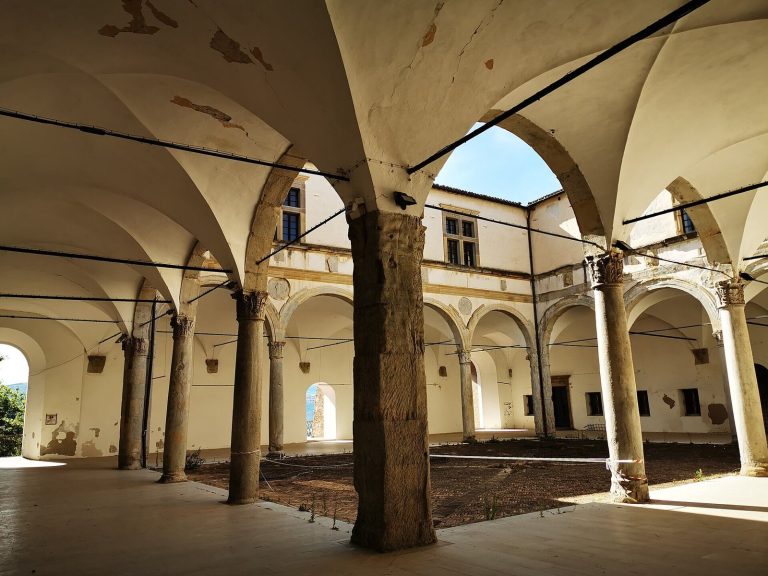
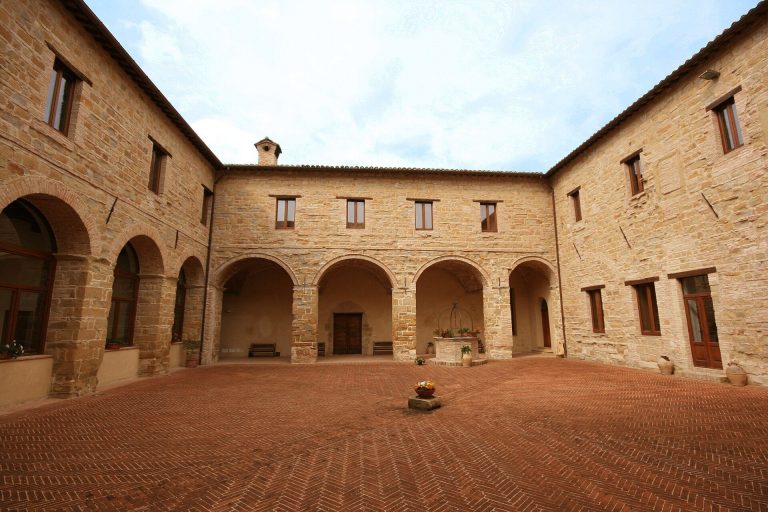
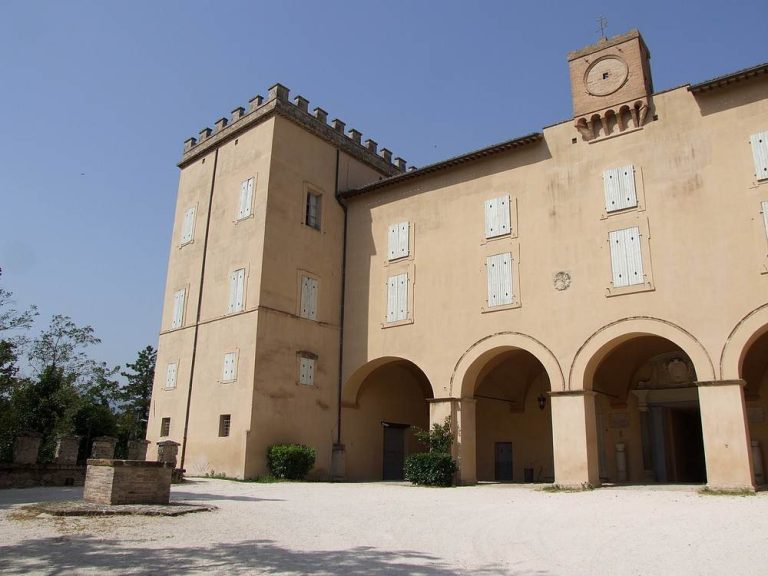
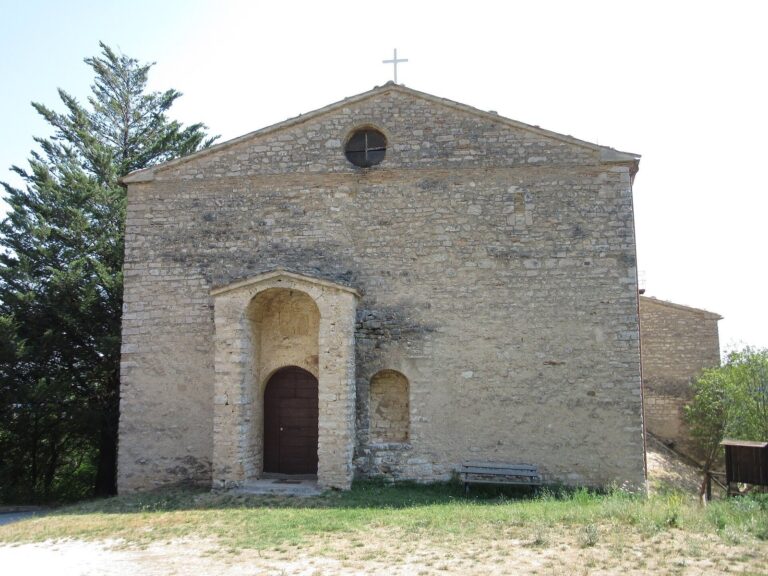
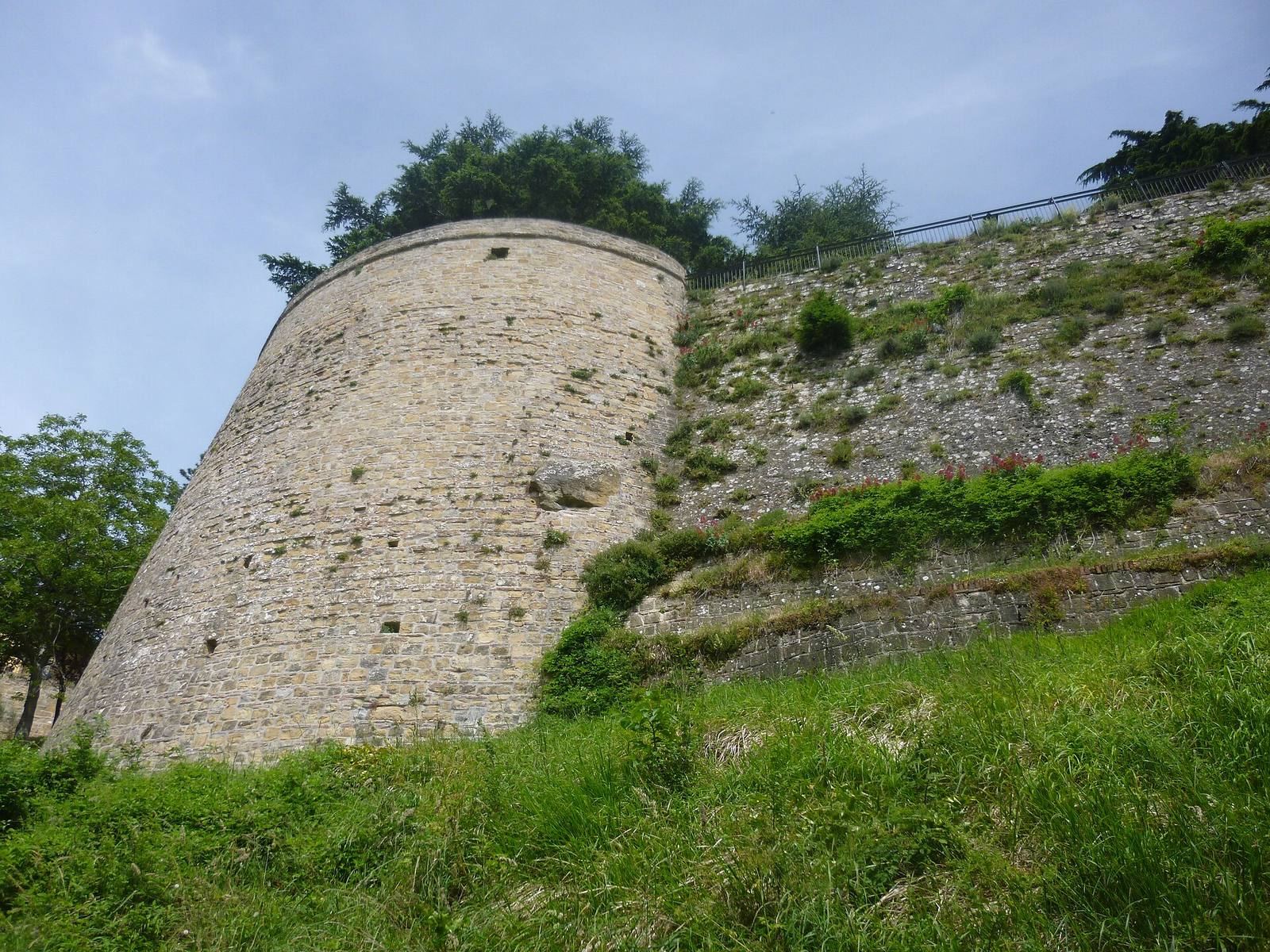
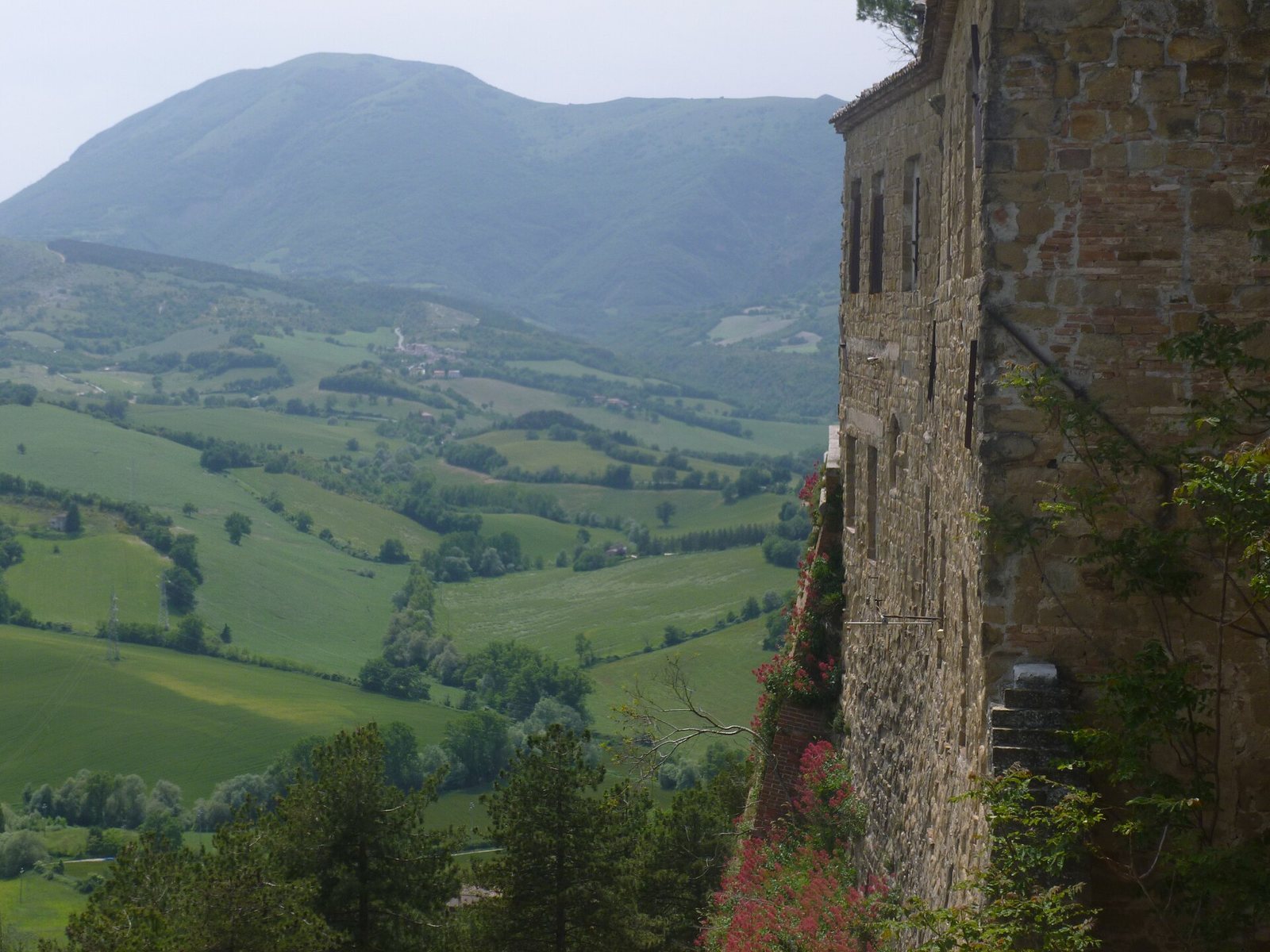
The surviving fortress includes cylindrical towers and a massive keep. A steep depression once separated it from the city, with a drawbridge as the only means of access; the depression was filled in during the seventeenth century. Within the fortress’s inner open space, part of the Franciscan convent of San Pietro in Muralto, dating to 1300, remains. Only a portion of the fortress still stands, and the surviving structure is now used as a restaurant.