Rifnik: Archaeological Hill Site and Open-Air Museum in Slovenia

Site at a Glance
- Rating
- 4.6
- Popularity
- Very Low
- Country
- Slovenia
- Primary era
- Classical
- External website
- Open
- Eras represented
- Bronze Age, Iron Age, Classical
- Civilizations
- Hallstatt culture, Roman
- Site type
- Religious
- Remains
- Temple
On this page8 sections
History
Bronze and Iron Ages
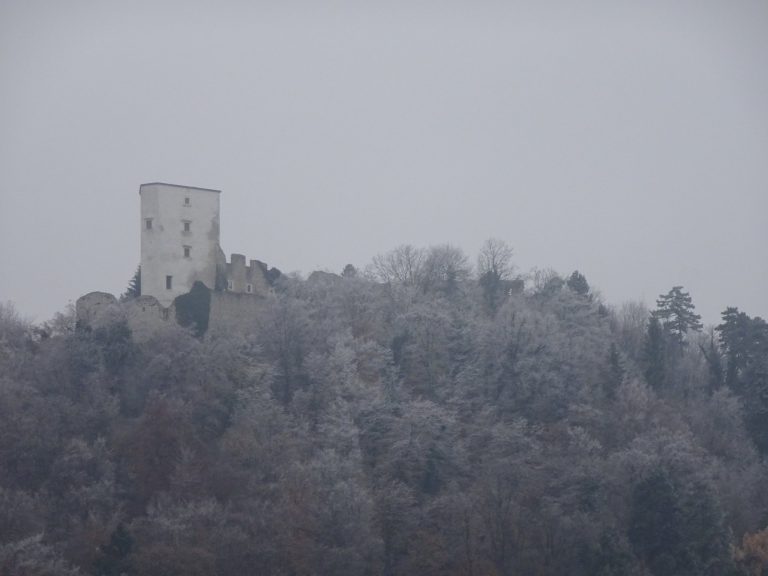
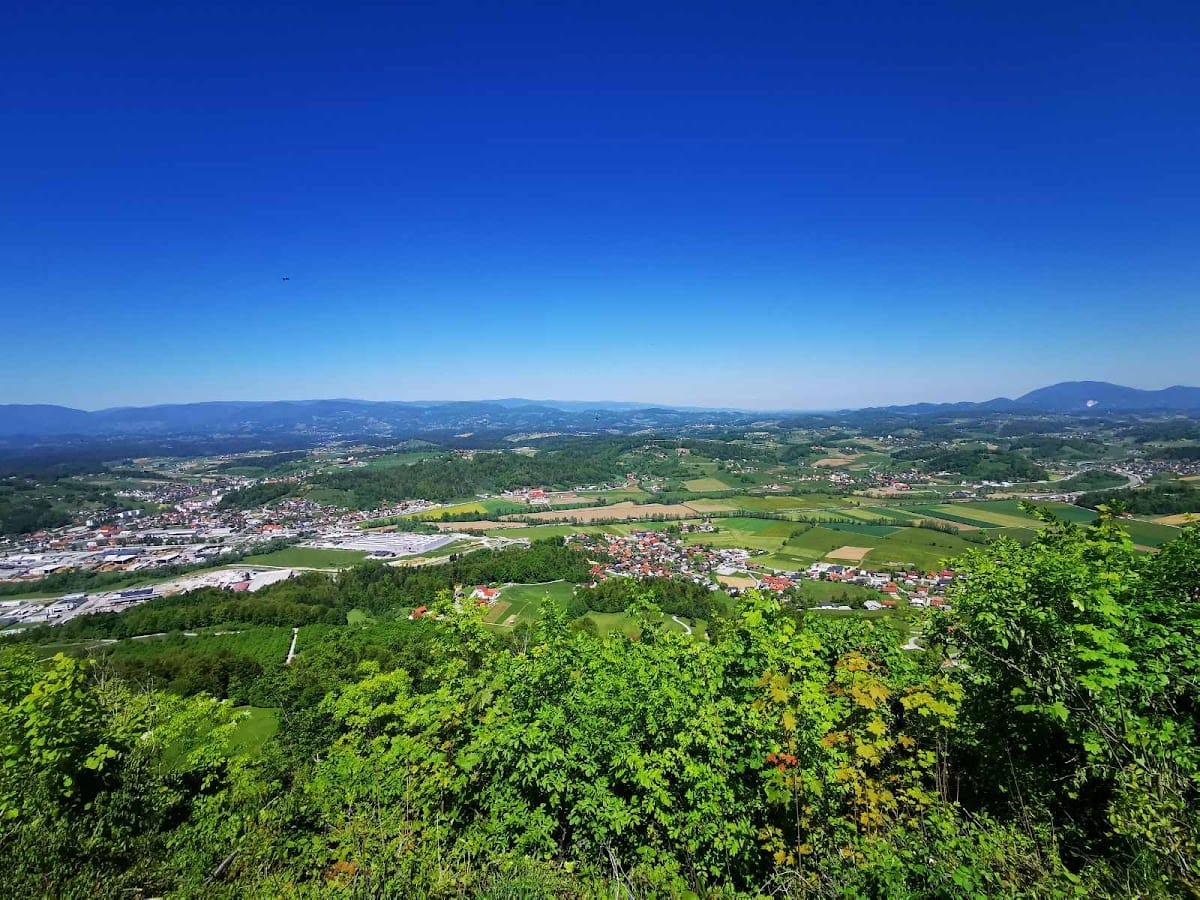
Rifnik is an archaeological hill site and open-air museum in Slovenia. Its long history reaches from the late Bronze Age and Iron Age through the Roman period and into the early medieval era. Archaeological research has taken place at Rifnik for more than a century, while its permanent exhibition presents the site’s development in two chronological parts.
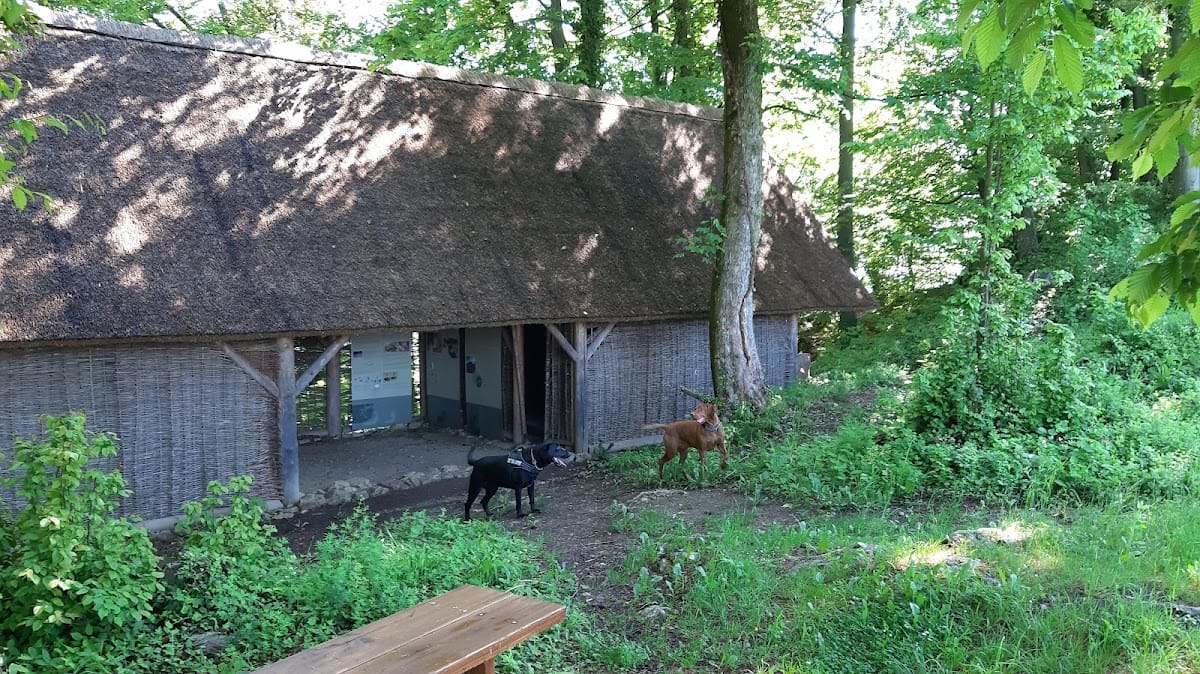
The first section focuses on Bronze- and Iron-Age material culture, beginning at the end of the 4th century BC and continuing until the arrival of the Romans. This period is represented by the reconstructed Hallstatt house and by burial mounds from the Early Iron Age on the northern and eastern slopes of the hill. The Hallstatt culture was an Iron Age archaeological culture of central Europe, although the reconstructed building at Rifnik is identified as a late Bronze-Age house.
Roman and Early Christian Periods
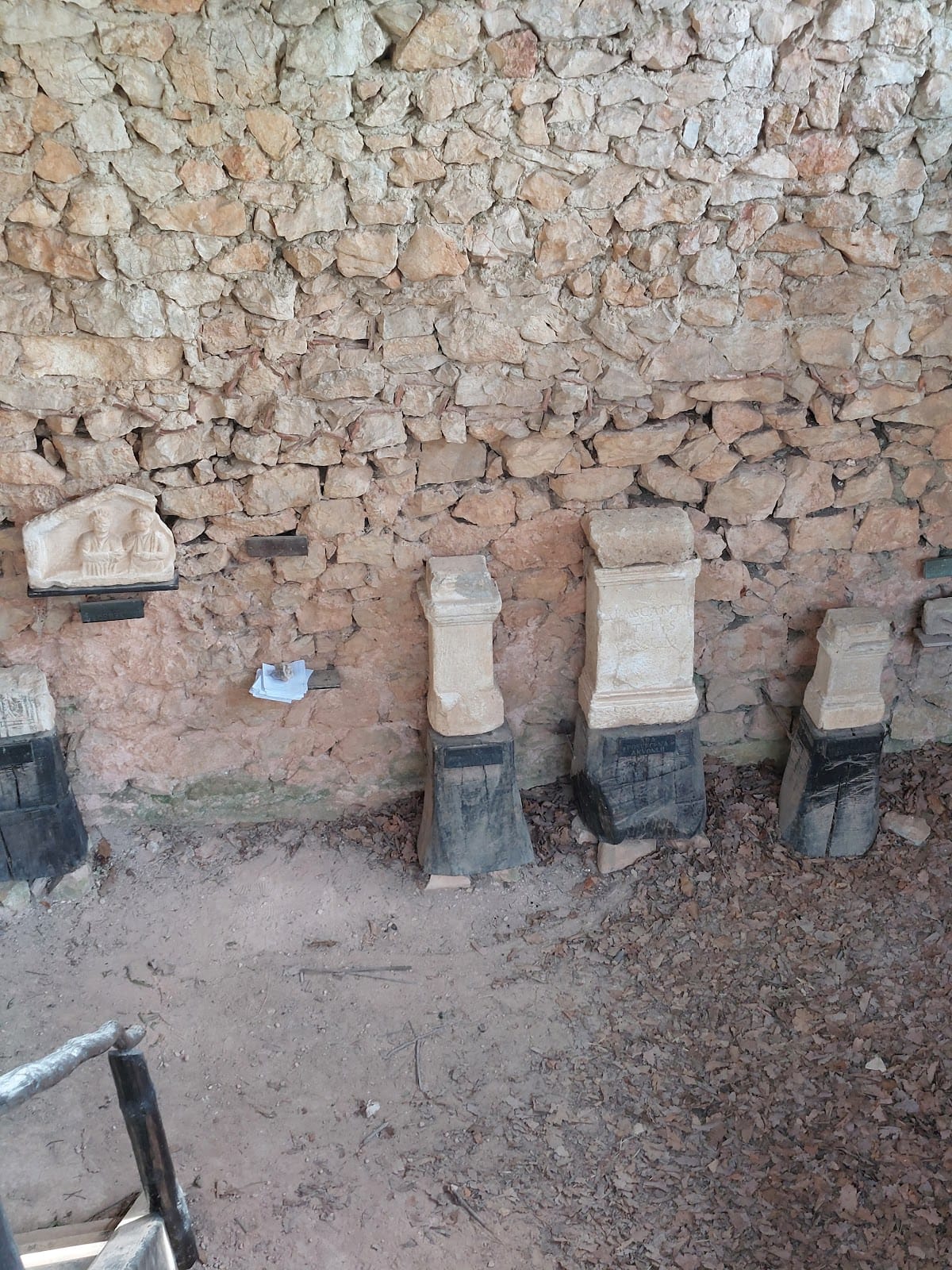
Rifnik flourished again after the arrival of the Romans. The second chronological section of the exhibition covers the 1st to the 6th centuries, following the site’s history from Roman rule until the arrival of the Slavs, peoples who entered parts of central and southeastern Europe during the early medieval period.
During the Late Roman era, a temple dedicated to Aqvon was built at Rifnik. Aqvon was associated with the Voglajna River. An early Christian church was later erected on the temple’s foundations, linking the site’s Roman religious past with its Christian phase. A separate church stood on the western edge of the hill, where Arianism was practiced. This early Christian theological tradition taught that the Son was subordinate to God the Father and was influential in parts of the Roman world during Late Antiquity.
Remains
Settlement and Burial Features
The archaeological park includes a reconstruction of a Hallstatt house dating from the late Bronze Age. The building presents one form of the early settlement associated with the hill and forms part of the open-air interpretation of Rifnik’s prehistoric occupation.
Early Iron Age burial mounds were found along the northern and eastern slopes of the hill. Their distribution identifies burial areas within the wider archaeological landscape of Rifnik and complements the settlement evidence represented by the reconstructed house.
Roman and Early Christian Buildings
Temple and Early Christian Church
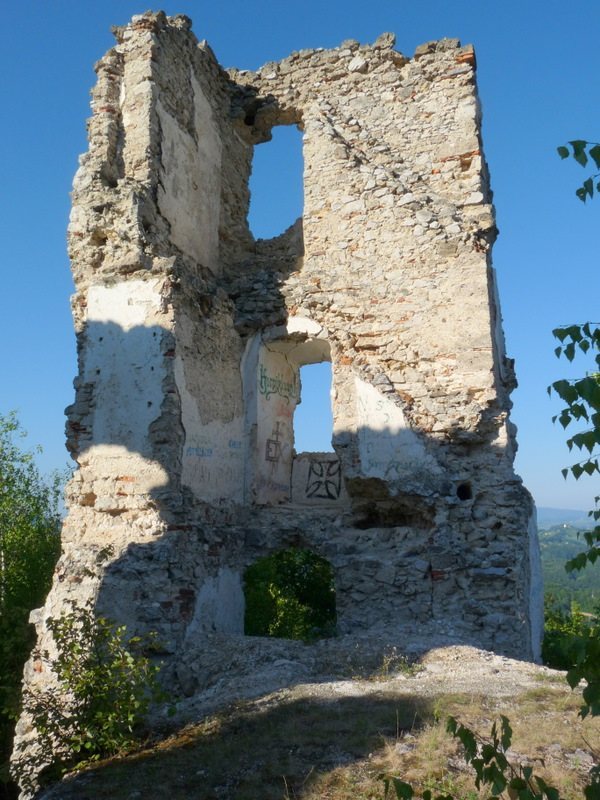
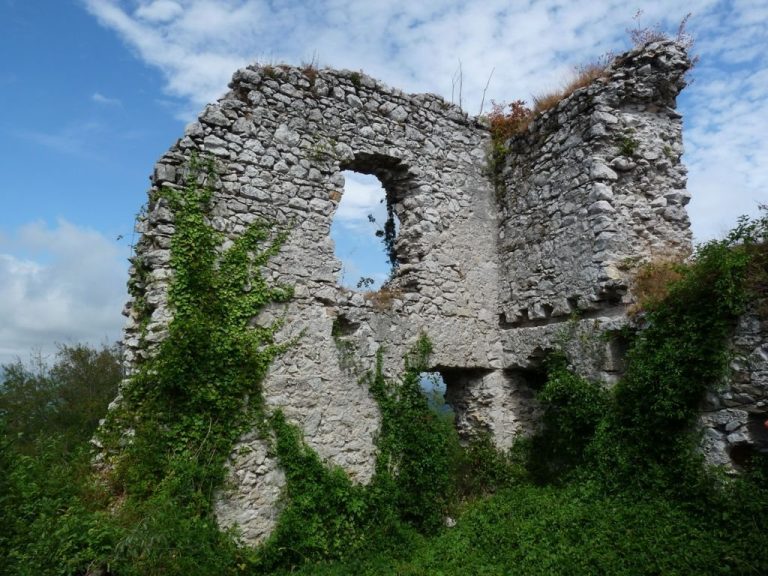
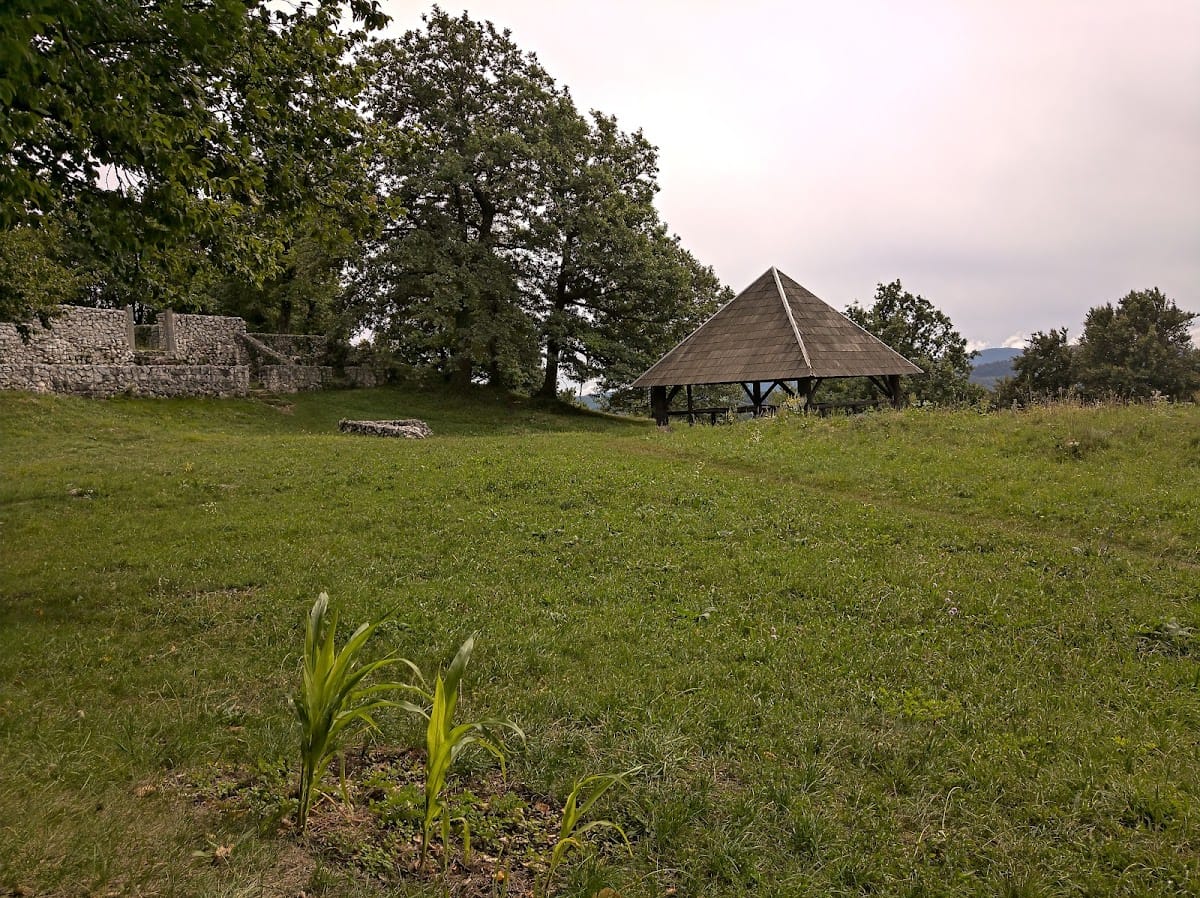
The early Christian church occupies the foundations of the former Late Roman temple dedicated to Aqvon. Its position preserves the physical relationship between the later church and the earlier place of worship, while the surviving foundations represent the temple’s place within the site.
Western Church
A separate church was located on the western edge of the hill. It is associated with the practice of Arianism at Rifnik and represents another Christian building within the archaeological remains of the site.