Rajinovac: A Serbian Orthodox Monastery near Grocka
Site at a Glance
- Rating
- 4.9
- Popularity
- High
- Country
- Serbia
- Primary era
- Early Modern
- Eras represented
- Early Modern, Modern
- Civilizations
- Ottoman
- Site type
- Religious
- Remains
- Monastery
On this page10 sections
History
Rajinovac is a Serbian Orthodox monastery at the southern end of Begaljica, near Grocka in Serbia. It belongs to the Eastern Orthodox Christian tradition and the Archdiocese of Belgrade-Karlovci. Its church is dedicated to the Nativity of the Mother of God, the Christian feast celebrating Mary’s birth. The monastery is associated with the history of Belgrade and Serbia from the fifteenth to the early nineteenth century, though its foundation date is unknown. It first appears in an Ottoman administrative census in 1528 under the name Monastery of Saint Rajko.
The monastery in the eighteenth century
The church was destroyed and rebuilt more than once. In 1732, it was described as a wooden log building. During Habsburg rule in Serbia, from 1717 to 1739, a monastery school operated at Rajinovac. The monastery also appears in several wills: in 1723, a merchant named Stojan from Buda left it six florins; Belgrade merchant Stojan Kuzmanović made a bequest in 1724; and Visarion, abbot of Rakovica, referred to it in his will in 1730.
In 1791, monks carried the relics of Saint Stefan the First-Crowned, a medieval Serbian king venerated as a saint, from Vojlovica to protect them from desecration by Ottoman forces. The relics later continued to Studenica Monastery. During the Austro-Turkish War, a conflict between the Habsburg monarchy and the Ottoman Empire, monks from Studenica who had taken refuge in Belgrade restored Rajinovac. The hieromonk, a monk who is also a priest, who stayed at the monastery may have been Gerasim or Vasilije.
A major restoration followed in 1793 through the efforts of Stevan Andrejić-Palalija, the oberknez, or senior local Serbian leader, of Begaljica. Knez Stefan Dmitar Stefanović, Archimandrite Gerasim Studeničanin, a senior monastic cleric, and Hieromonk Meletije were also credited with the work. Ottoman forces killed Stevan in 1804 during the Slaughter of the Knezes, the killing of Serbian local leaders.
Nineteenth-century community
A further major restoration took place between 1833 and 1839, after Prince Miloš, a Serbian ruler, decided to collect donations for the work. In 1864, the monastery parish included Umčari, Dražanj, Begaljica, Pudarci, and Kamen Do, together comprising 434 Orthodox households. A traditional gathering took place near the monastery for the church feast in 1867. In 1893, residents of Begarica, Podarač, and Kamendol petitioned the National Assembly to join the parish.
In 1897, the abbot, Father Melentije, was noted for growing and grafting fruit trees. The following year, Rajinovac was classified as a third-rank monastery. Its head was Hieromonk Jeronim, and Hieromonk Simeun was its only other monk.
War and later recognition
The monastery estate included woodland, an orchard, and livestock. Monks guarded the property with rifles against people entering the land. In 1915, a young man was killed while cutting timber illegally in the monastery woods. That year, monks Janićije and Pajsije remained at Rajinovac during wartime.
When the First Balkan War began in 1912, the monastery’s head, Archimandrite Miron Janković, volunteered for military service. He became a military priest and protopresbyter, a senior priestly rank, with the Danube Division. Serving with its second-call reserve formation, he was first stationed at Kumanovo, then in Kosovo, and later near Adrianople. Rajinovac is protected as a Monument of Culture of Great Importance and is also listed among the cultural properties of the City of Belgrade.
Remains
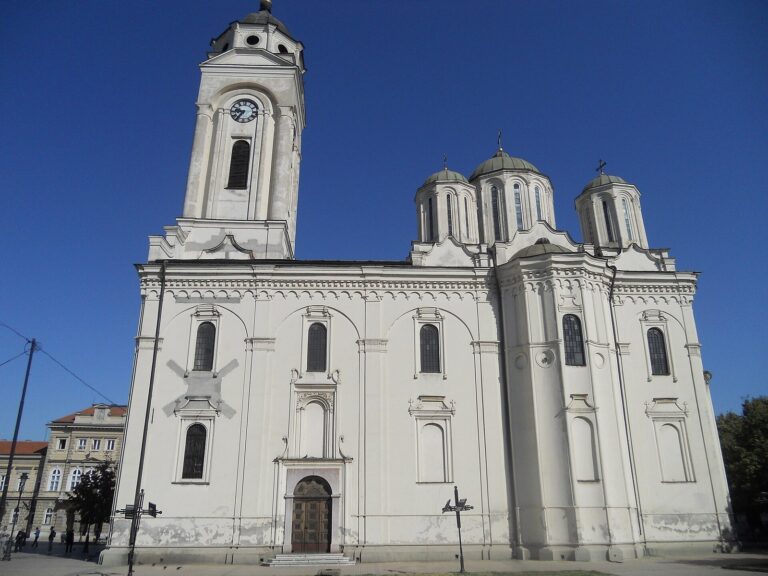
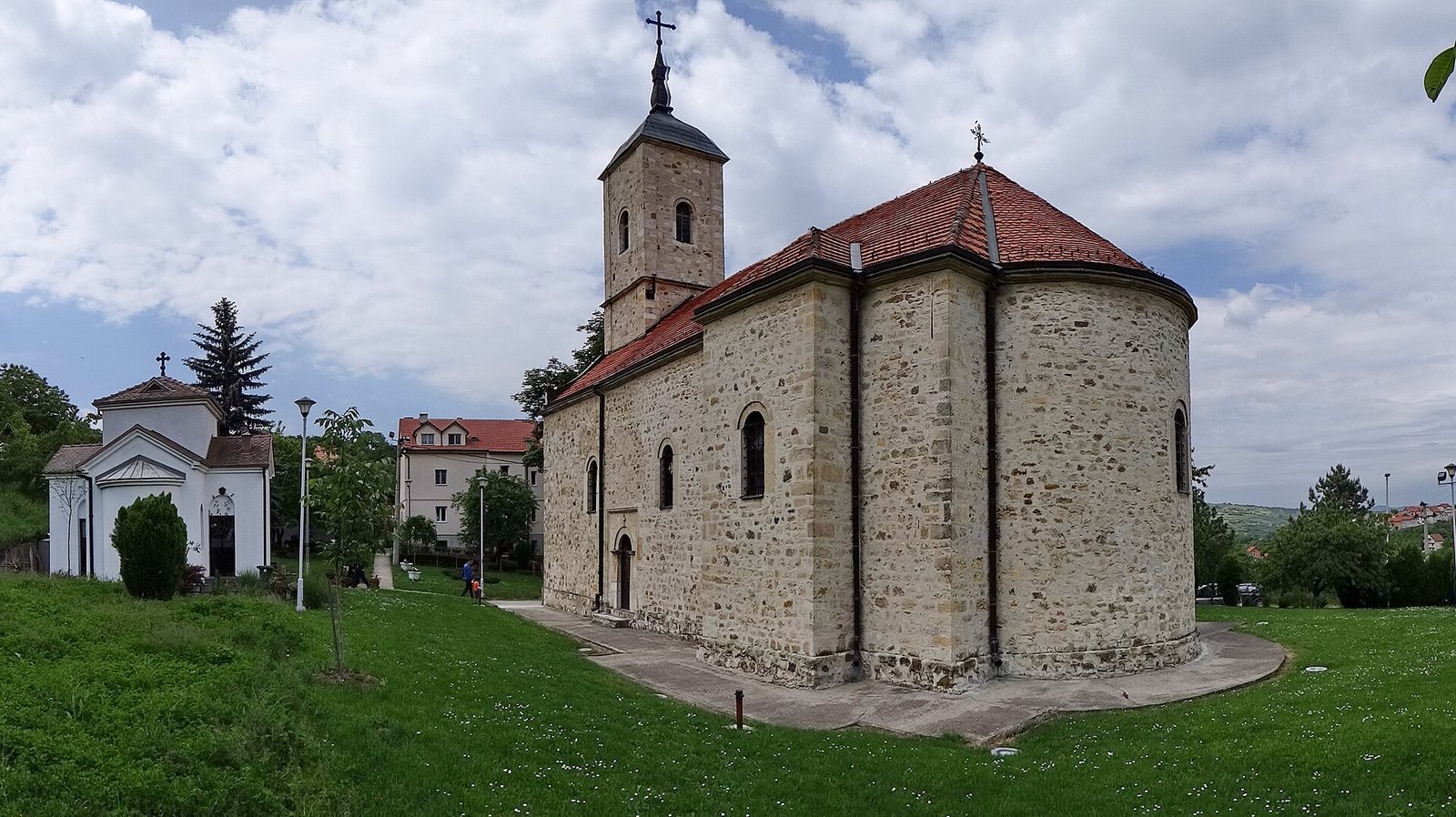
The surviving ensemble centers on a stone church within a monastery compound that also contains associated religious and commemorative features.
Church
Plan and construction
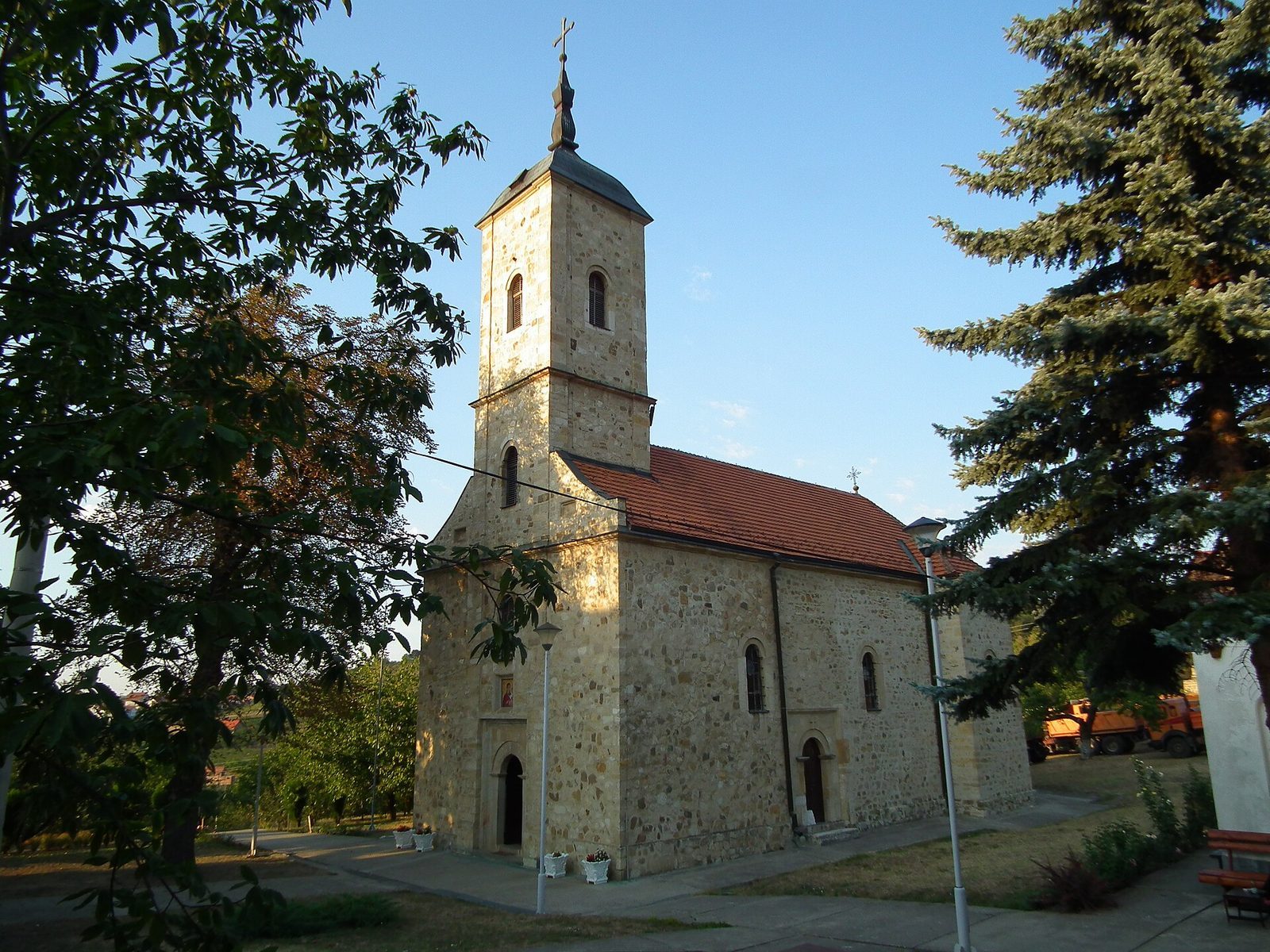
The church associated with the 1793 restoration is an elongated, single-nave building, with a broad, semicircular altar apse, the rounded sanctuary end, on its east side and two side choir spaces. Its walls are built from rough and dressed limestone and sandstone.
Alterations and interior
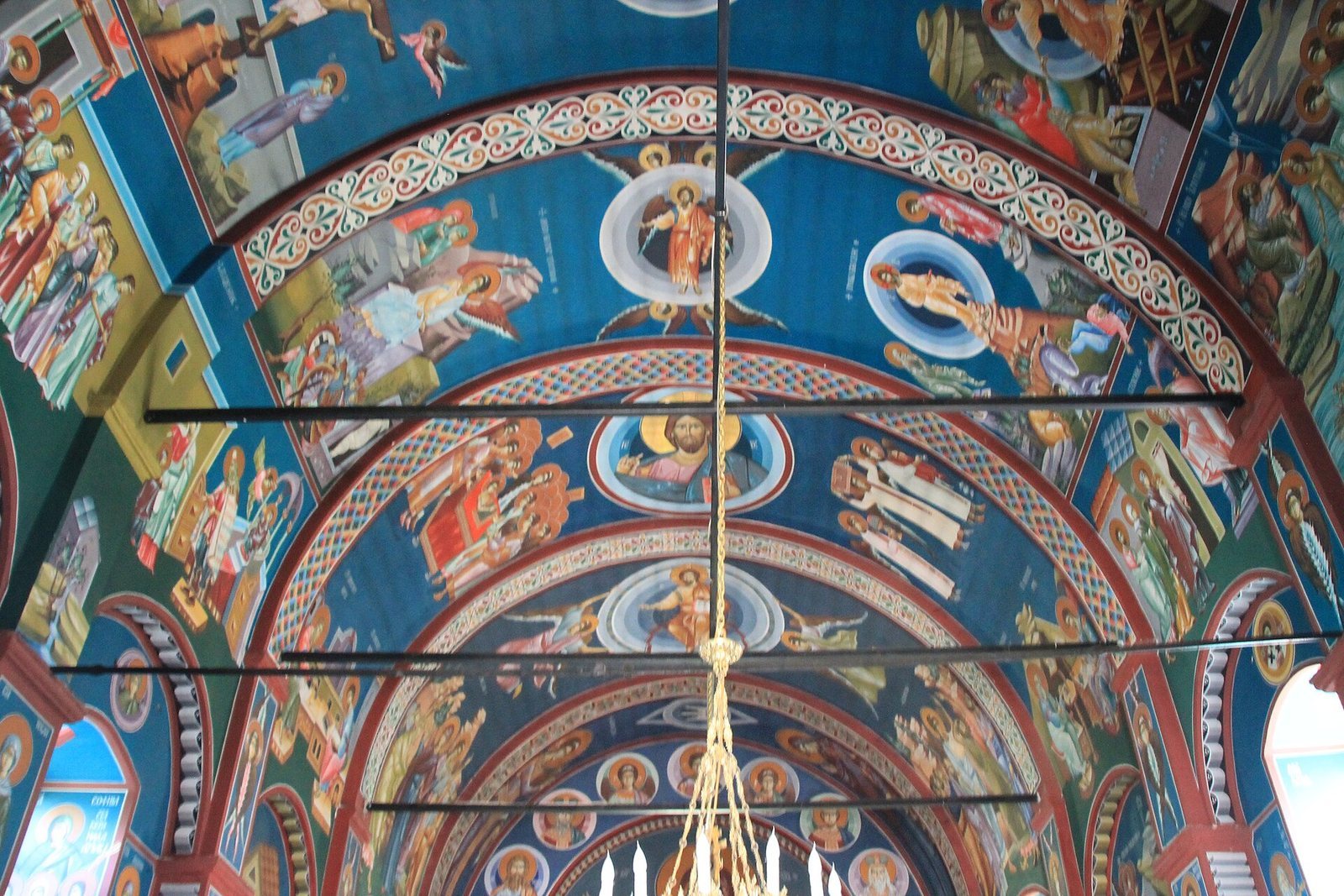
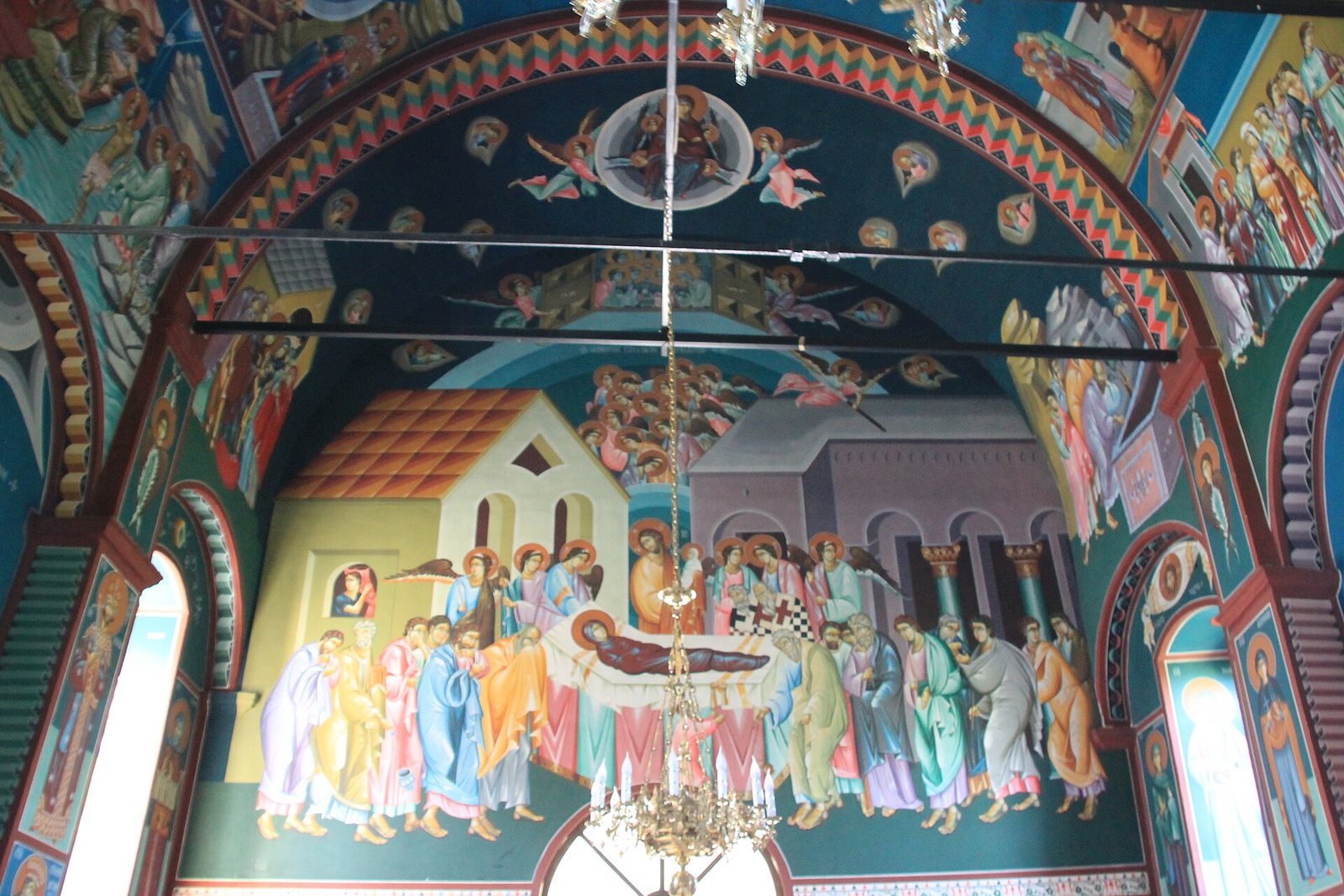
Cracks in the nave walls led to exterior buttresses supporting the north and south sides. In 1920, alterations included demolishing the entrance hall and both domes, bricking up the south wall, and adding buttresses on the north and south. Inside, shallow pilasters, or low vertical projections from the walls, divide the church into four bays.
Icons and church objects
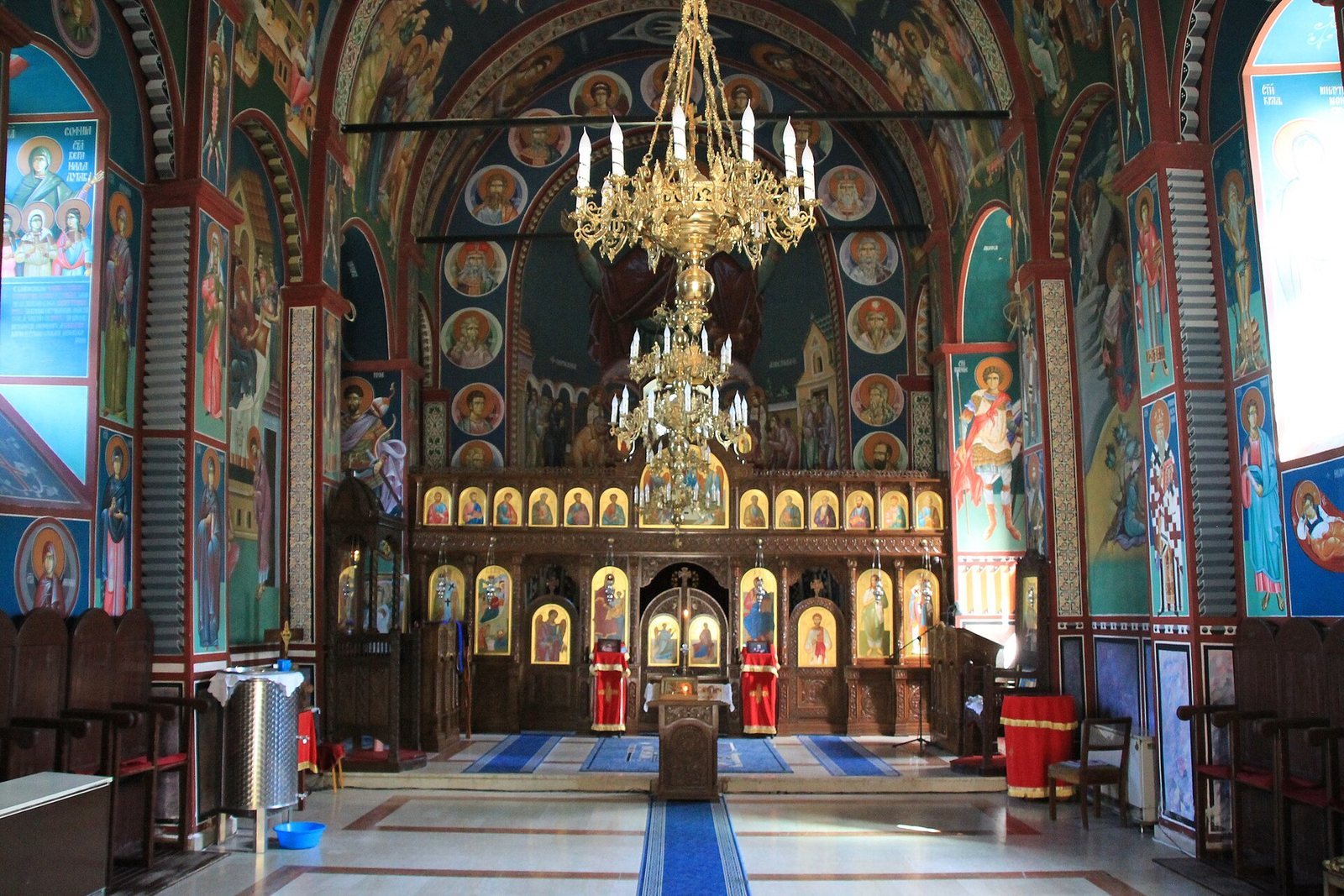
The iconostasis, a screen of icons separating the sanctuary from the main body of an Eastern Orthodox church, was brought from the chapel of the Military Hospital in Belgrade in 1952. It has a simple form, with decorative features in a neoclassical style, drawing on classical Greek and Roman forms. The icons vary in date and artistic quality: some are from the nineteenth century, while most date from the late nineteenth or early twentieth century. A signed icon of the Ascension of Christ, painted by Milan Stefanović in 1885, was associated with the monastery in the early twentieth century. An icon of the Mother of God associated with Rajinovac is believed to help women who cannot conceive. The church also holds books, documents, and objects dating from the sixteenth, eighteenth, and nineteenth centuries.
Monastery compound
The compound includes a small belfry, monastic quarters, and a fountain. The graves of Stevan Andrejić-Palalija and his son Rista are also within the grounds, with Stevan’s grave in front of the church. A commemorative plaque to Stevan, placed by Mija Janković in 1804, is set into the church’s east exterior wall.