Przebendowski Palace in Wejherowo: A Neo-Gothic Residence and Museum
Site at a Glance
- Popularity
- Medium
- Country
- Poland
- Primary era
- Early Modern
- Eras represented
- Early Modern, Modern
- Civilizations
- Unclassified
- Site type
- Domestic
- Remains
- Elite Residence
On this page5 sections
History
Construction and early owners
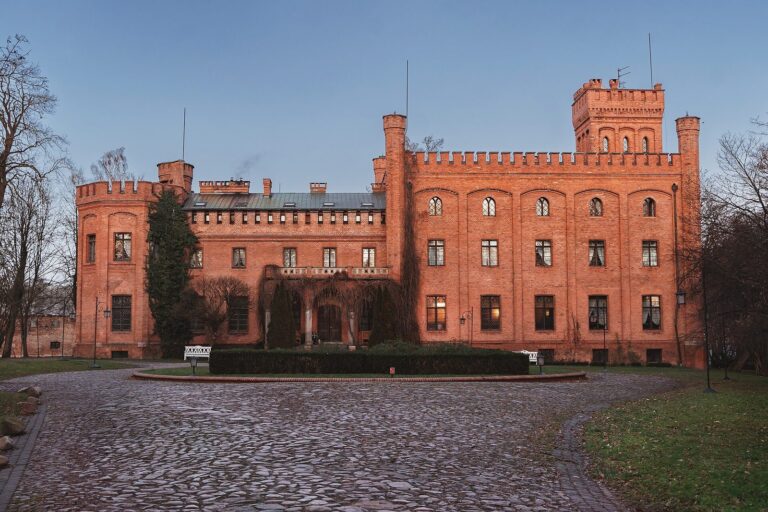
Przebendowski Palace in Wejherowo, Poland, is a Neo-Gothic residence, a revival style drawing on medieval Gothic architecture. Construction began in 1767 and was completed around 1800. Ignacy Franciszek Przebendowski, a member of a Polish noble family, was its first owner. The family held the estate from 1767 to 1782, and Józef Antoni Przebendowski is also identified as a later owner. After the Przebendowskis, the English merchant Alexander Gibson owned the palace until 1790.
Keyserlingk ownership
In 1790, the estate passed to the Keyserlingk family, a Baltic German noble family, which retained ownership until 1945. A major alteration to the palace took place in 1857.
Postwar uses
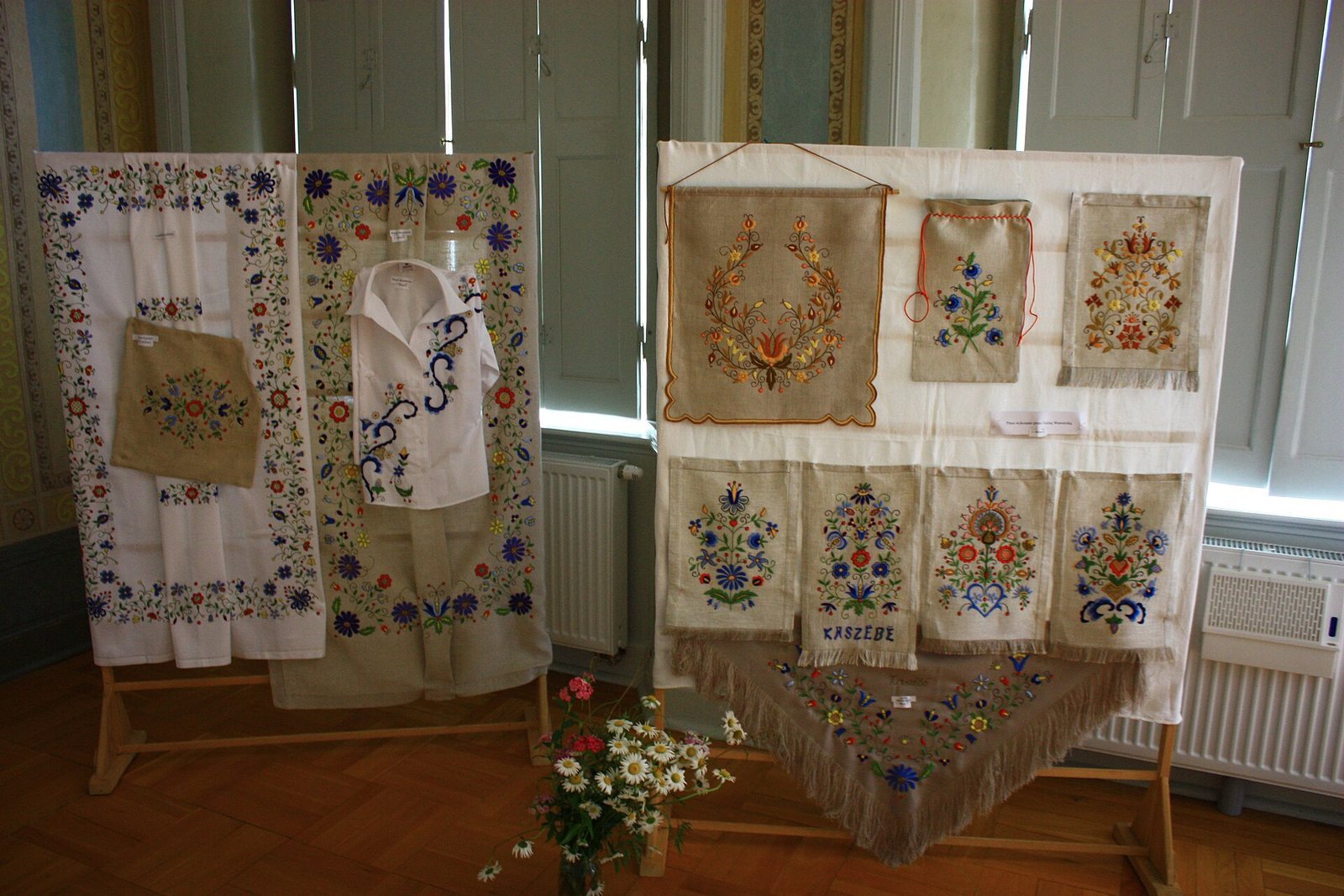
After the war, the building housed a forestry technical secondary school, a student boarding facility and a kindergarten. In 1995, it became the home of the Museum of Kashubian-Pomeranian Literature and Music. Kashubians are a West Slavic people associated with Pomerania, the historic region on the southern Baltic coast.
Remains
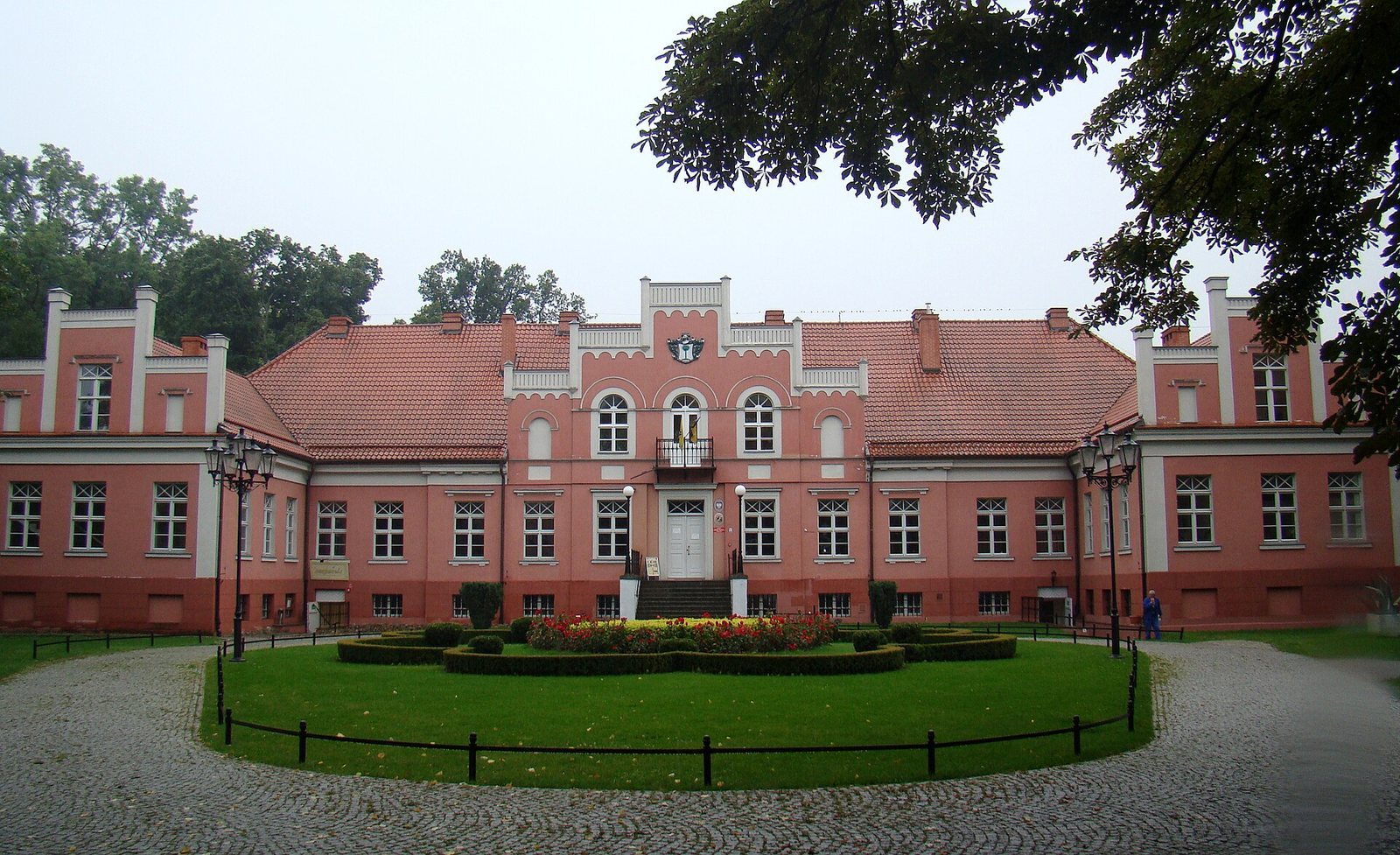
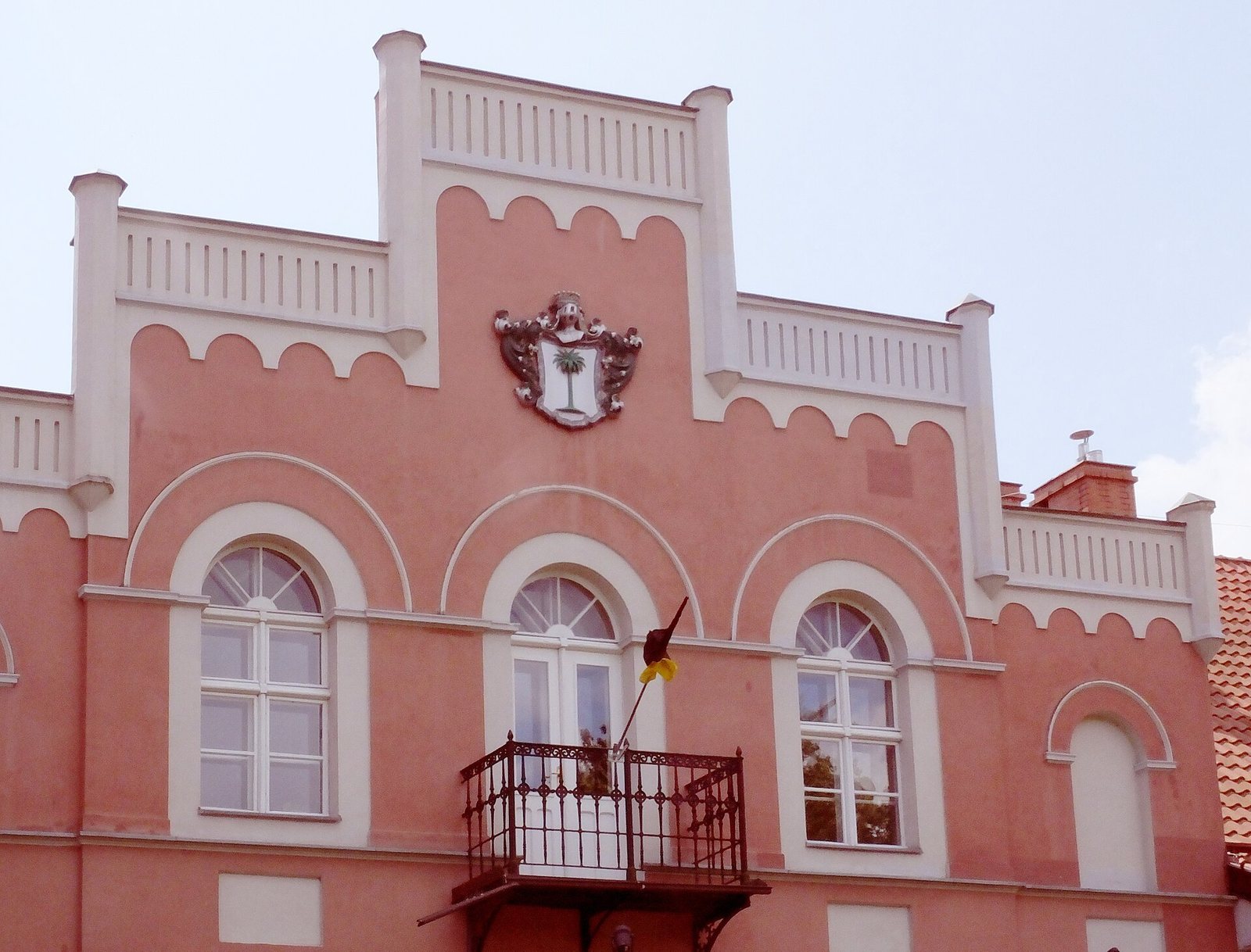
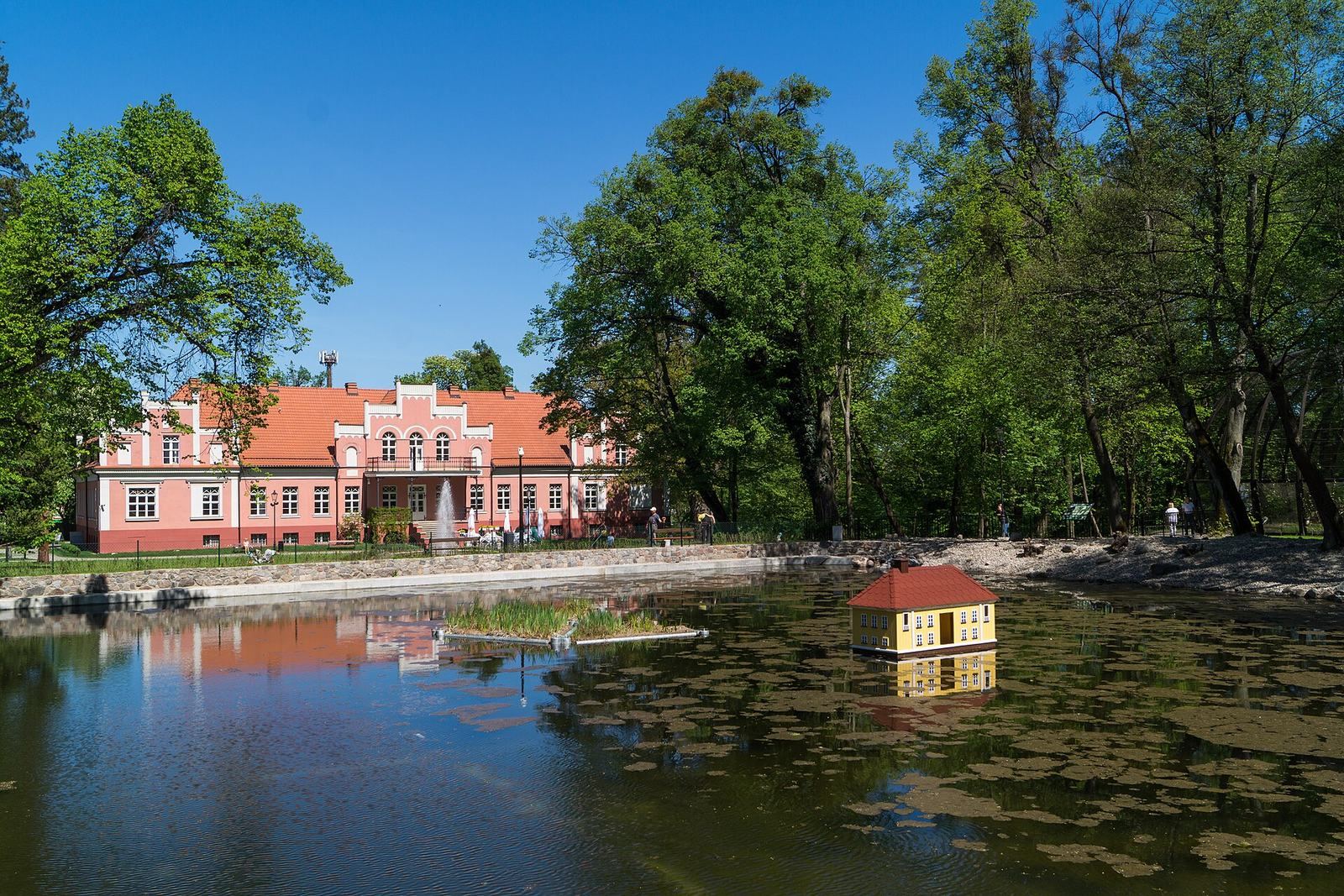
The palace is a one-story Neo-Gothic building raised on a high masonry base and topped by a half-hipped roof, with sloping sections at its ends. Stairs lead to the centrally placed entrance beneath a two-story stepped gable, whose outline rises in stair-like stages. The side wings project forward, each with its own front-facing stepped gable. Above the entrance, a cartouche, a decorative framed panel, displays the Keyserlingk family coat of arms.