Pöide Church: A Medieval Fortified Church in Estonia
Site at a Glance
- Rating
- 4.8
- Popularity
- Medium
- Country
- Estonia
- Primary era
- Medieval
- Eras represented
- Medieval, Modern
- Civilizations
- Crusader, Livonian Order
- Site type
- Religious
- Remains
- Fortified Church
On this page10 sections
History
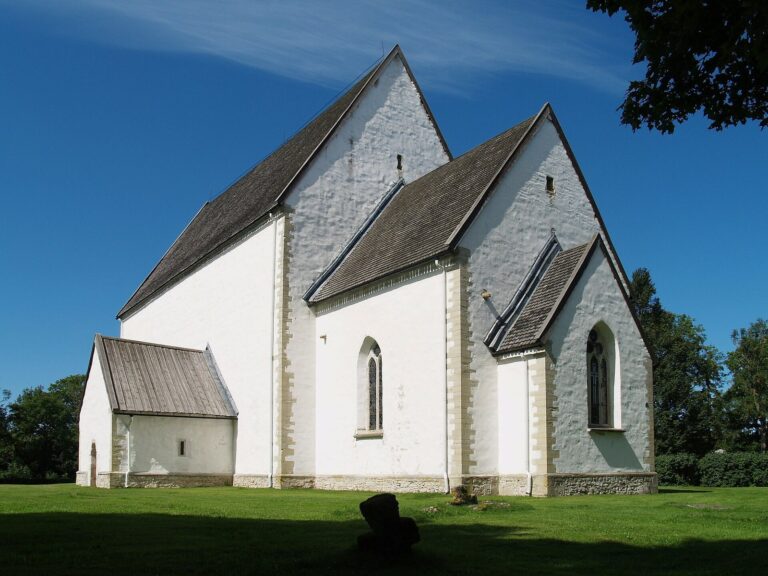
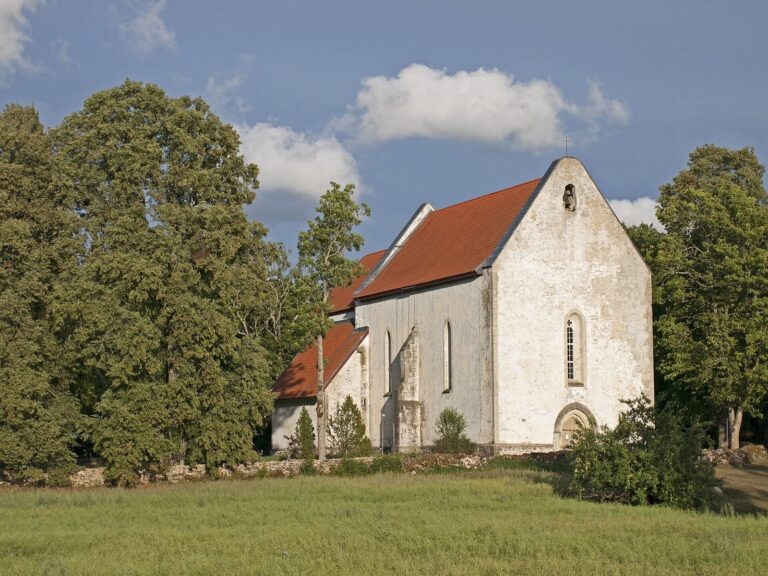
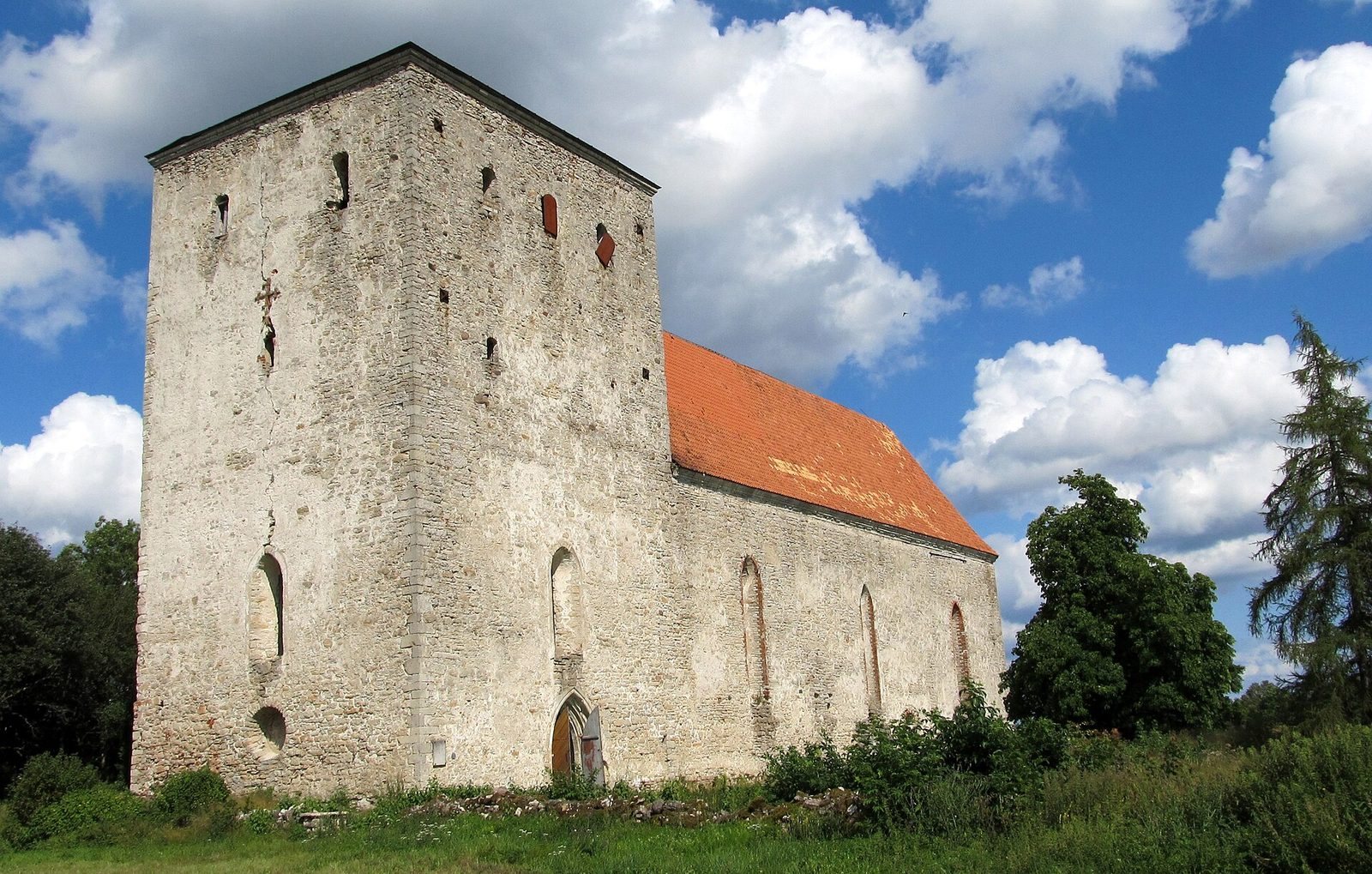
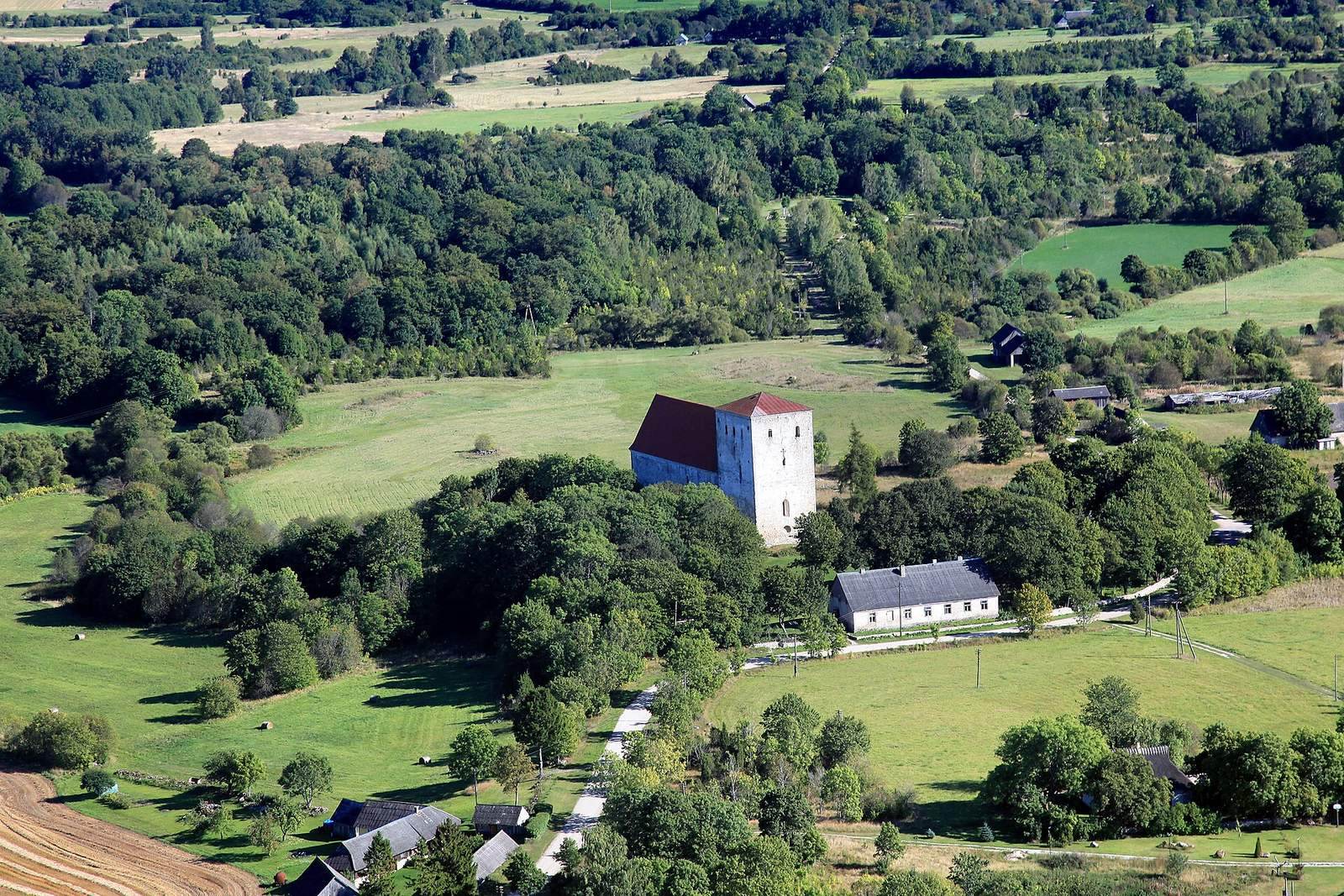
Pöide Church is a medieval fortified church on Saaremaa island in Estonia, believed to have originated in the 1230s as a Romanesque stone building. A fortified church is one built or adapted with defensive features; Romanesque is a medieval architectural style that preceded Gothic. The church is used by the Pöide St. Mary congregation of the Estonian Evangelical Lutheran Church, a Lutheran Protestant body.
Foundation and fortress complex
An archaeological investigation in 2012 identified the early stone church as Romanesque and dating to the second quarter of the 13th century. The investigation concluded that Pöide is Estonia’s oldest stone building.
Pöide Church belonged to a wider fortress complex. After Saaremaa was conquered in 1227, the eastern part of the island came under the Livonian Order, a Catholic military-religious order that ruled parts of the eastern Baltic during the Middle Ages. The Order built a fortress at Pöide in the second half of the 13th century and used it as its headquarters.
In 1343, Saaremaa’s inhabitants destroyed the fortress during the St. George’s Night Uprising, a revolt against occupying forces in Estonia and Saaremaa. The church survived and continued to serve the surrounding communities.
Damage and renewal
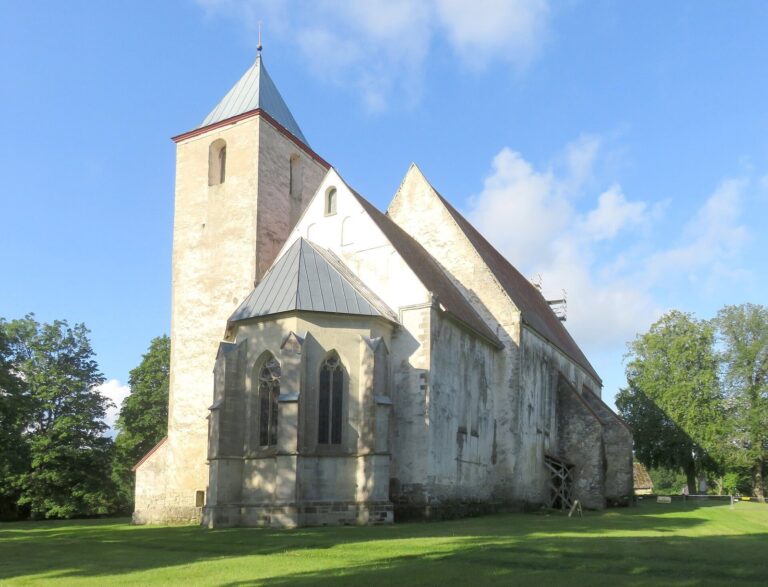
Fires damaged the church at different times. On 6 August 1940, lightning struck its tower, and the resulting fire destroyed the spire and wooden intermediate floors. During the Second World War, the church was looted and burned and was also used for storage.
Conservation at Pöide followed work at Muhu Church in 1958 and was completed in 1961. Architectural and historical investigations were undertaken by architect Kalvi Aluve, art historian Villem Raam, and engineer Heino Uuetalu. Renovation and reconstruction have continued in stages since 1989, and a new roof was installed in 2014 with help from the Ministry of Culture.
The renovated altar area was reconsecrated on 2 May 1999 by Archbishop Jaan Kiivit. On 28 July 2006, the church hosted its first Roman Catholic wedding since the Reformation, the 16th-century movement that led to the establishment of Protestant churches and reshaped Western Christianity.
Remains
Plan and medieval structure
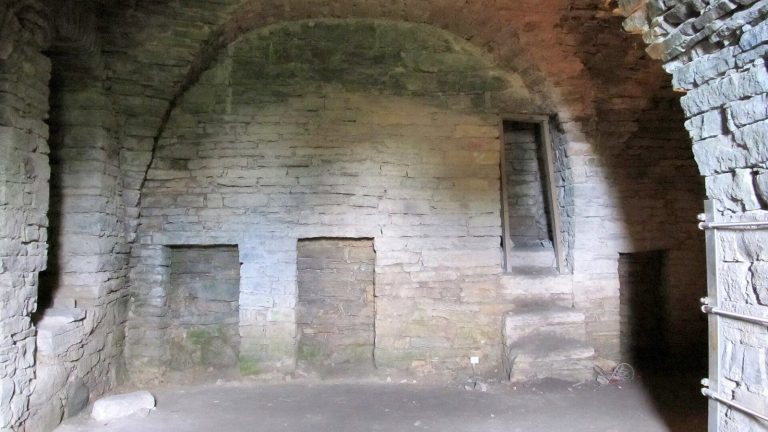
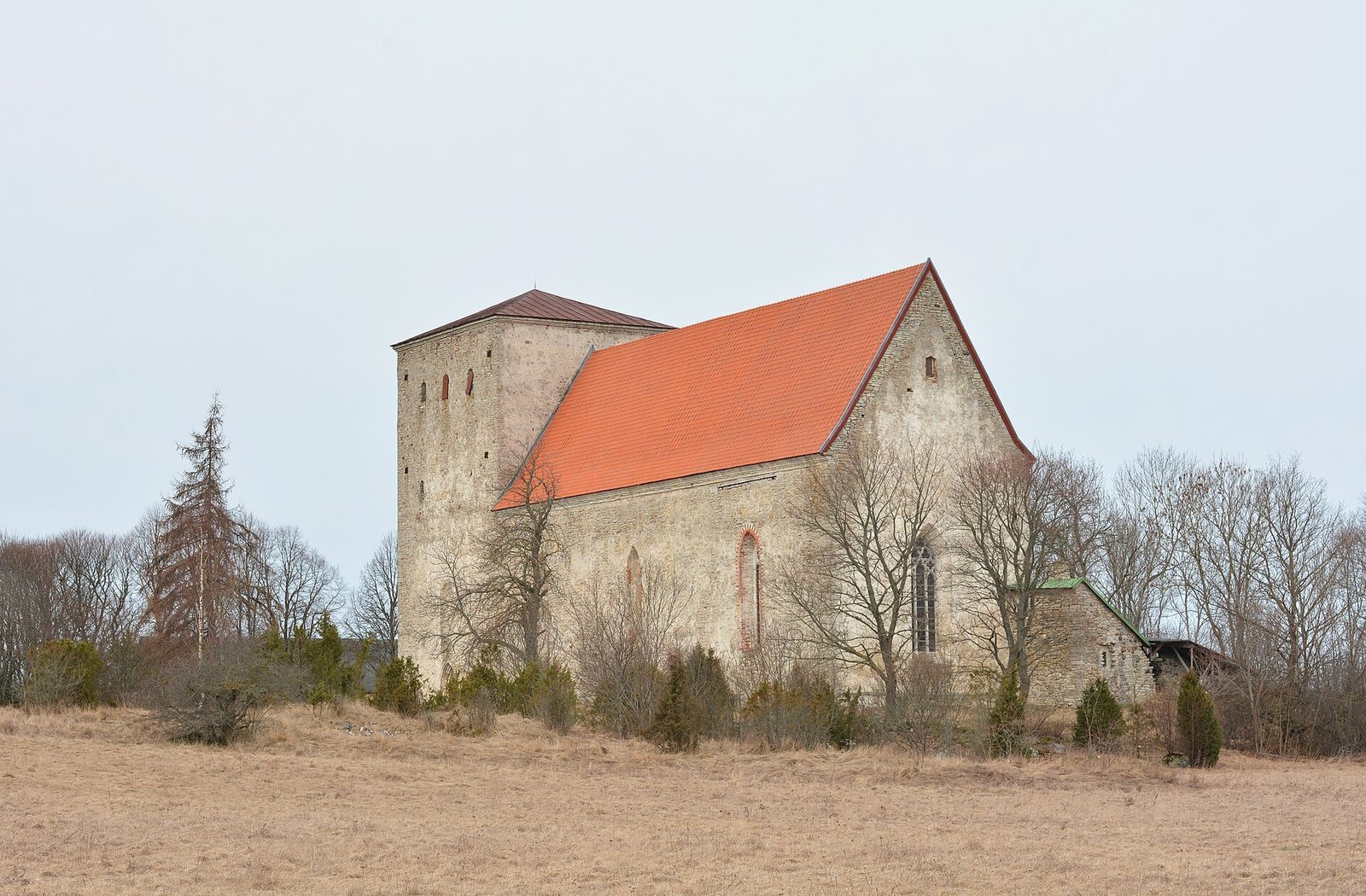
Pöide is a single-nave church, with one main worship space, and is the largest single-nave church in western Estonia and the Estonian islands. Its present walls incorporate lower sections of an earlier church, visible in the side walls of the two central vaulted bays. A vaulted bay is a section of a building covered by a vault. Two large postholes beside the church suggest that a wooden church may have preceded the stone building.
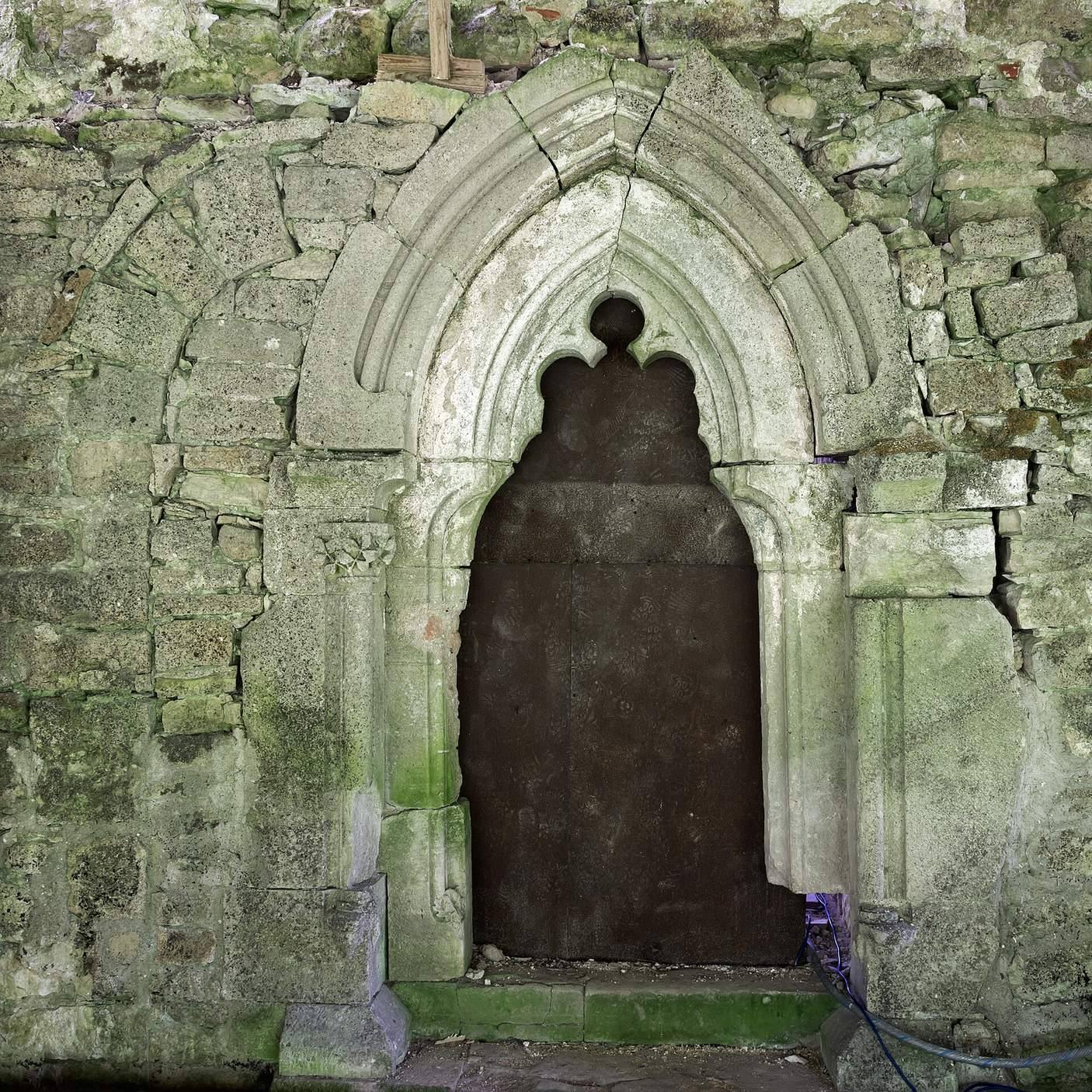
The earlier stone church had one nave and no tower. Its rounded apse, the curved end of the church, and round-arched doorways on the north and south reflect a transition between Romanesque and Gothic styles. Gothic succeeded Romanesque in western Europe. The northern round doorway was removed when a new Gothic-style entrance was made. In the late 13th or early 14th century, the church was extended by one vaulted bay at each end.
Western tower and restored fabric
The massive western tower is visibly distinct from the rest of the church and probably predates the fortress’s destruction in 1343. A large crack caused by the 1940 lightning strike remains visible. Conservation work restored the nave roof to its original height and provided the tower with new wooden intermediate floors, one reinforced-concrete floor, and a low roof.
The church also has restored doors and stained-glass windows. The chancel, the area around the main altar, the stone altar, and the vestry, a room where clergy prepare for services and store vestments, have been renovated. The Pöide parsonage stands beside the church.
Carved figures
High Gothic decoration includes carved figures of a man and a woman, probably a local noble couple who supported some part of the church’s construction. The woman wears conspicuous jewelry described as Late Iron Age or early medieval, indicating local origins, and holds a drinking horn. The man’s clothing reflects the dress of a 13th-century European noble. Carved details at Karja Church on Saaremaa are described as similar in style.
Carved nave support
A projecting support beneath a transverse arch in the nave bears an image regarded as one of the earliest depictions of Estonians. The carving dates to the first half of the 14th century, and its faces were destroyed during the occupation in the 1940s.
Wall decoration
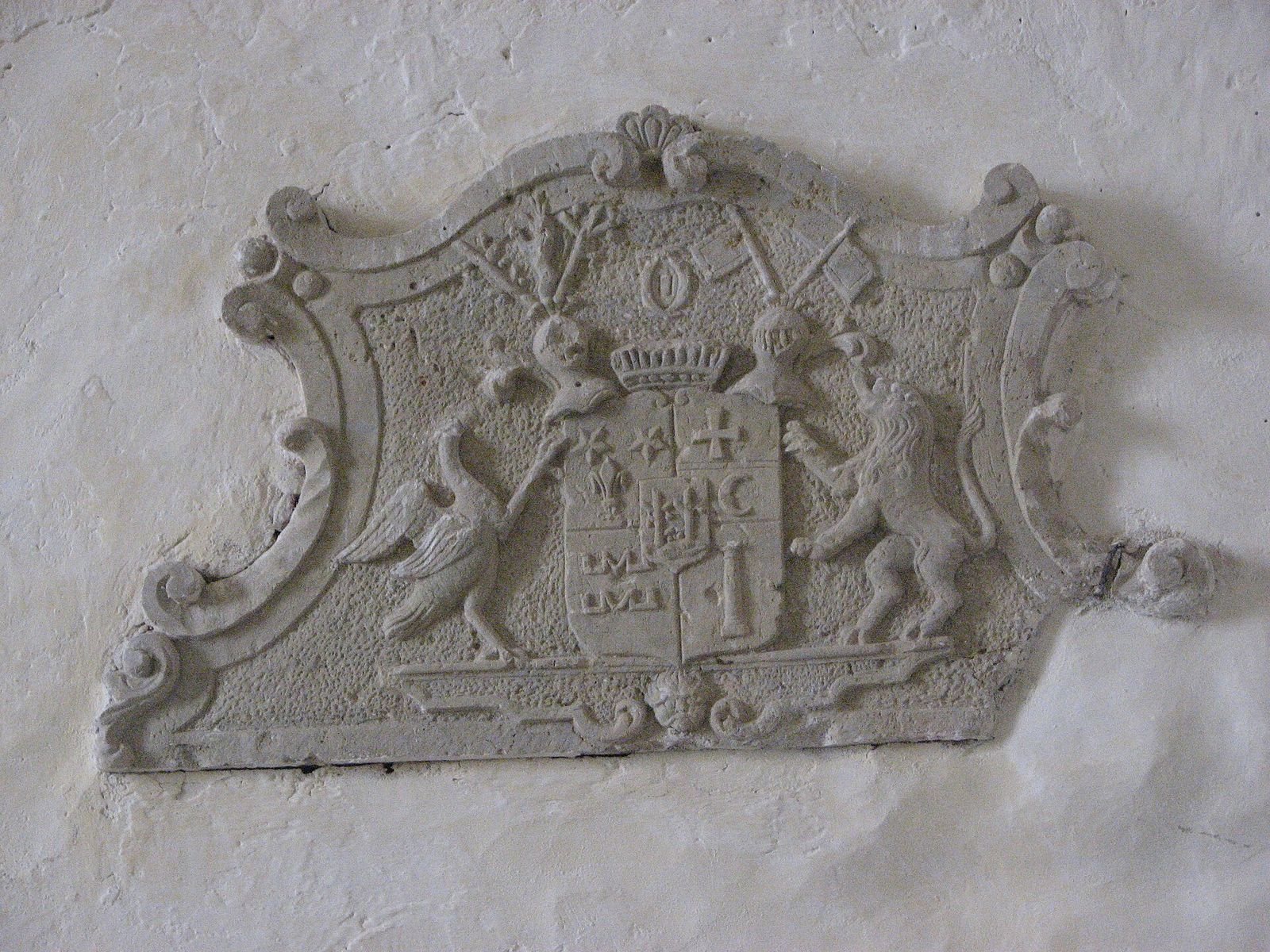
A wall decoration displays the coat of arms of the Stackelberg family, landlords of Tumala.
Memorials and furnishings
Several large tombstones inside the church are displayed behind glass. One commemorates Heinrich von Schulmann, a headless knight and nobleman from Tumala estate who was executed in Copenhagen in 1613, during Danish rule, because of his political connections with Swedish authorities. The tombstones also reflect the church’s importance as a cultural centre for nearby communities in earlier centuries. A trapezoidal tombstone from the church is now at the Saaremaa Museum in Kuressaare Castle, as is a 1635 pulpit-support sculpture depicting the Apostle Peter, one of Jesus’s twelve apostles.