Pendragon Castle: A Norman Keep and Medieval Castle Ruin in Cumbria
Site at a Glance
- Rating
- 4.4
- Popularity
- Low
- Country
- United Kingdom
- Primary era
- Medieval
- External website
- Open
- Eras represented
- Medieval, Early Modern
- Civilizations
- English, Norman
- Site type
- Military
- Remains
- Castle
On this page8 sections
History
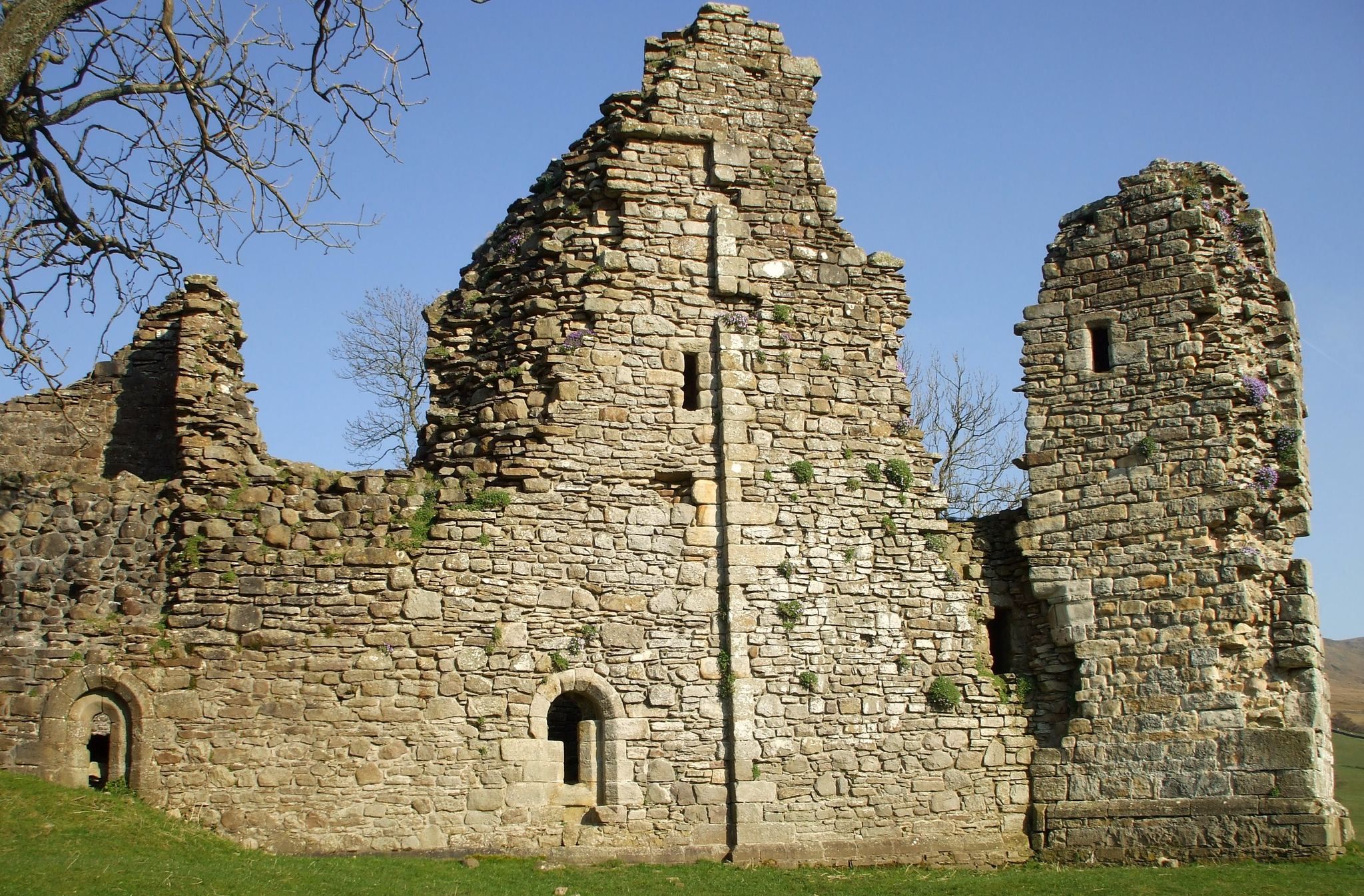
Pendragon Castle is a medieval castle ruin in the United Kingdom, standing in Mallerstang Dale near Outhgill in Cumbria. Its historical foundation is attributed to Ranulph de Meschines during the reign of William Rufus, the usual name for William II, who ruled England from 1087 to 1100. The surviving site includes a Norman keep, the principal fortified residence and defensive tower of a Norman castle, together with later medieval and seventeenth-century work.
Arthurian tradition and Norman foundation
Local tradition attributes the castle’s foundation to Uther Pendragon, the legendary father of King Arthur. Uther is a figure of Arthurian tradition whose historical existence is uncertain, while Arthur himself is the legendary British king at the centre of medieval Arthurian romances. A Roman coin was found at the site, but the castle’s historical foundation belongs to the Norman period rather than to the Arthurian past.
Several legends connect Uther with Pendragon Castle. One says that he tried to divert the River Eden to create a moat, an attempt remembered in the couplet, “Let Uther Pendragon do what he can, Eden will run where Eden ran.” Another tradition holds that Saxons poisoned the castle well, killing Uther and many of his men. Other versions place Uther’s death at St Albans.
Medieval owners and attacks
Among Pendragon’s notable medieval owners was Sir Hugh de Morville, Lord of Westmorland. He was one of the four knights who killed St Thomas Becket in Canterbury Cathedral in 1170. Becket was the archbishop of Canterbury, and his murder by knights associated with King Henry II became one of the most remembered political and religious killings of medieval England. A high point on nearby Mallerstang Edge is known as Hugh Seat.
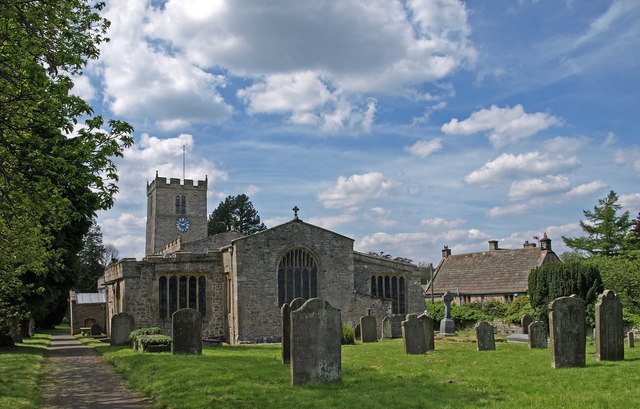
Lady Idonea de Veteripont lived at the castle for much of the period after the death of her husband, Roger de Lilburn, until her own death in 1334. Around 1311, she founded St Mary’s Church in the nearby hamlet of Outhgill. The castle was attacked by Scottish raiding parties in 1342 and again in 1541, linking its history to the repeated conflict along the borderlands between England and Scotland.
Rebuilding and decline
After the 1541 attack, Pendragon Castle remained uninhabitable until it came into the possession of Lady Anne Clifford. She rebuilt it in 1660 and used it as one of her residences until her death in 1676. The rebuilding created a renewed domestic and working complex, including a brewhouse, bakehouse, stables, and coach house.
Lady Anne’s successor, the Earl of Thanet, had no need for the castle and removed its valuables, including the lead from the roof. By the 1770s, much of the structure above the second storey had collapsed. Further decay subsequently left Pendragon Castle as the ruin visible today.
Ownership and conservation
In 1962, the Appleby Castle Estate sold Pendragon Castle at auction to Raven Frankland, a landowner and archaeologist, for £525. Frankland’s father, Edward, had written a book during the Second World War about the Arthurian legends associated with the castle. After Raven Frankland died in 1998 and his wife, Juliet, died in 2013, the castle passed to their cousin John Bucknall.
In recent years, rubble was cleared and parts of the crumbling walls were consolidated. The Lancaster University Archaeological Unit also carried out a limited archaeological survey, with its results published in 1996. Some remedial work appears to have received grant assistance. Pendragon Castle remains privately owned and stands on farmland. It is a Grade I listed building, a designation reserved in England for structures of the highest level of statutory architectural and historic importance.
Remains
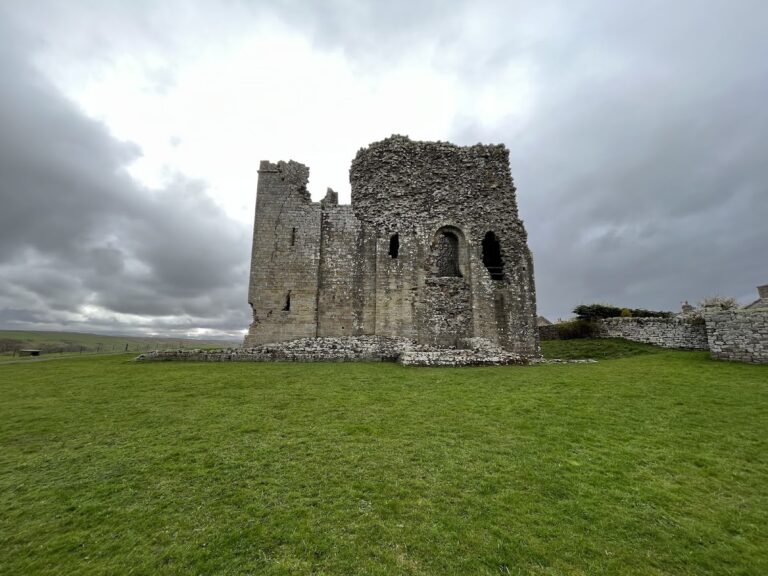
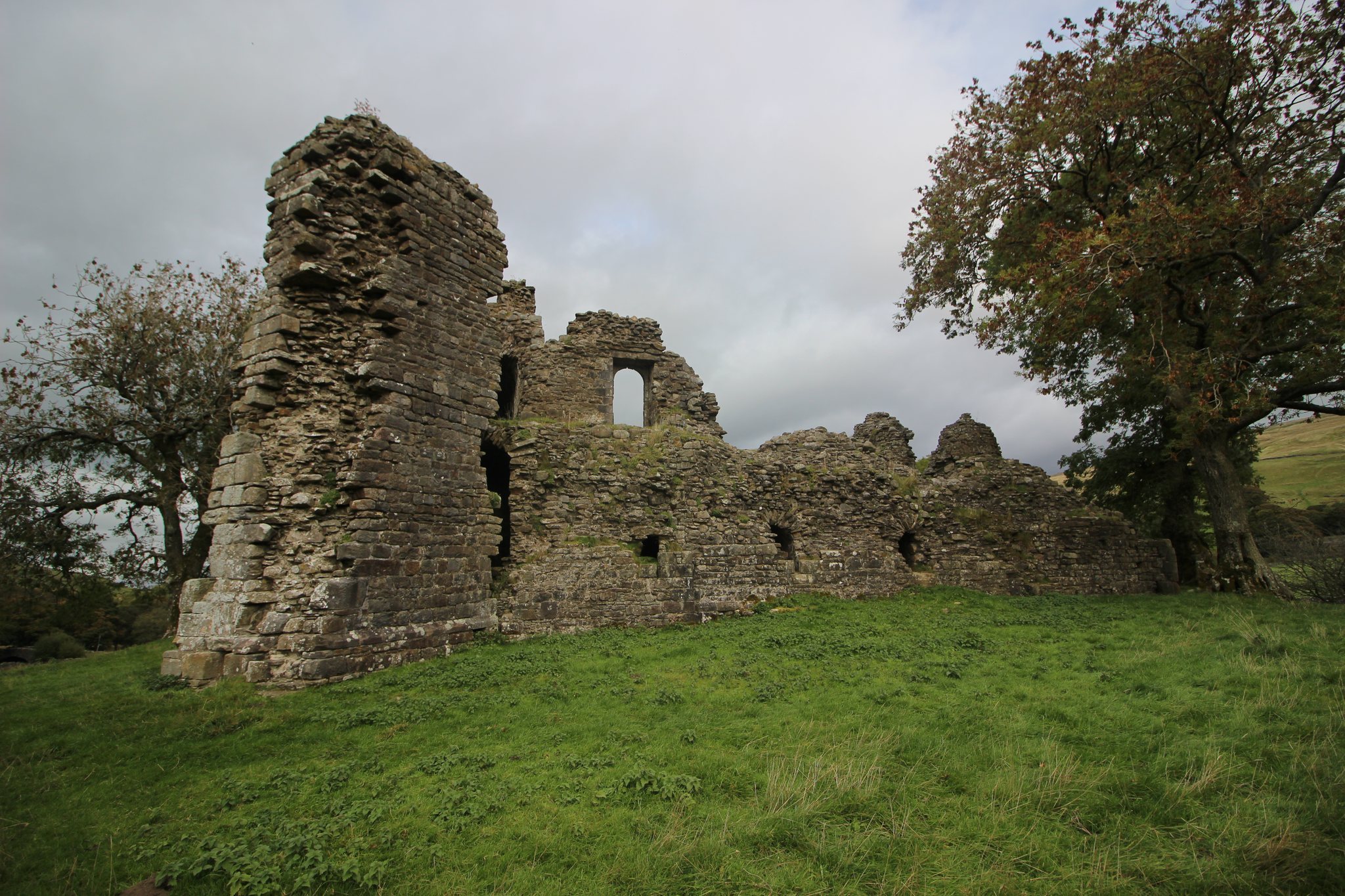
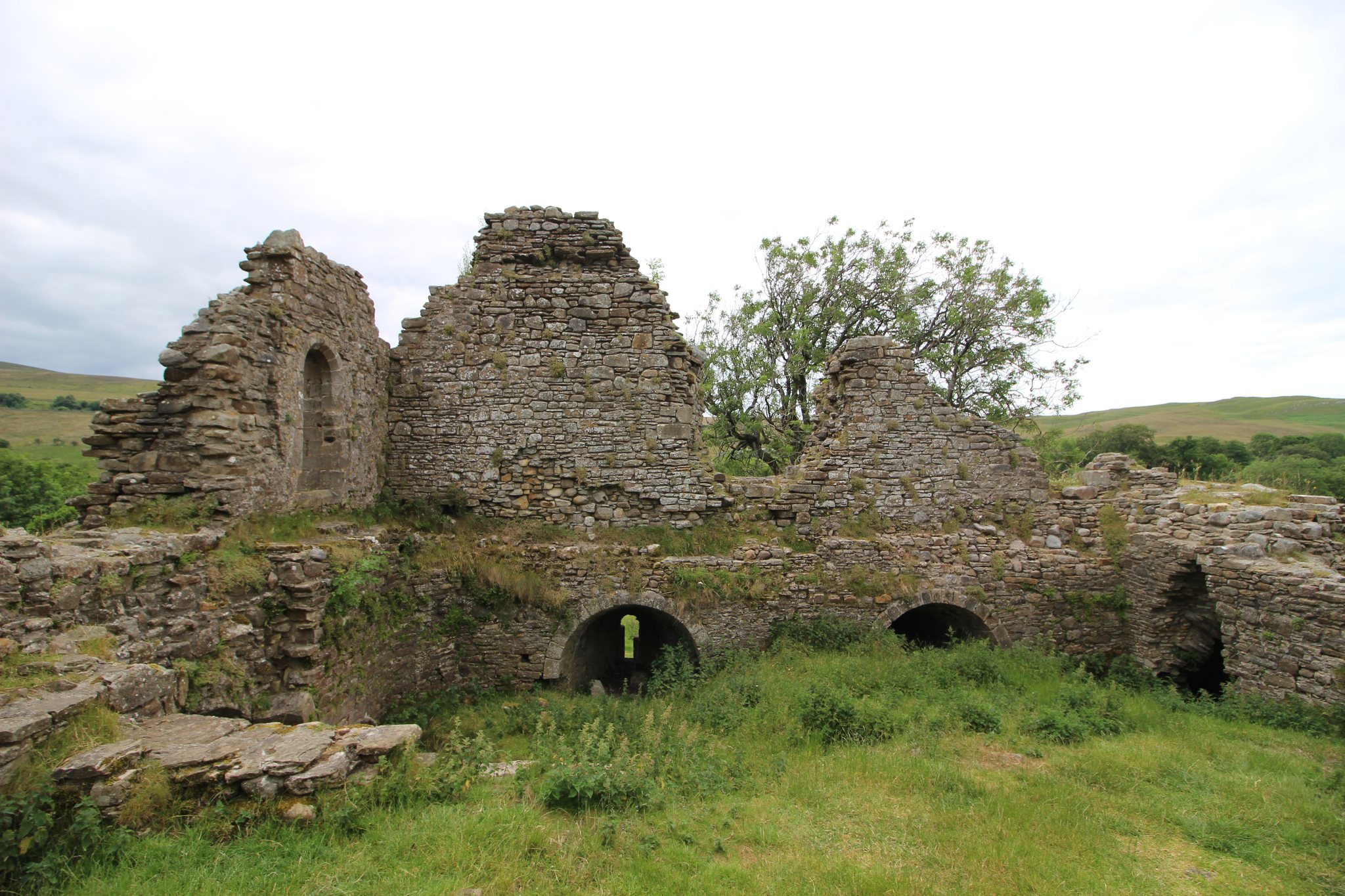
Pendragon Castle stands above a bend in the River Eden in Mallerstang Dale, near Outhgill. Wild Boar Fell overlooks the site to the south-west, while Mallerstang Edge lies to the east. The surviving remains combine the masonry of a Norman fortress with later medieval and seventeenth-century additions, although the castle is now in ruinous condition.
Norman and medieval structures
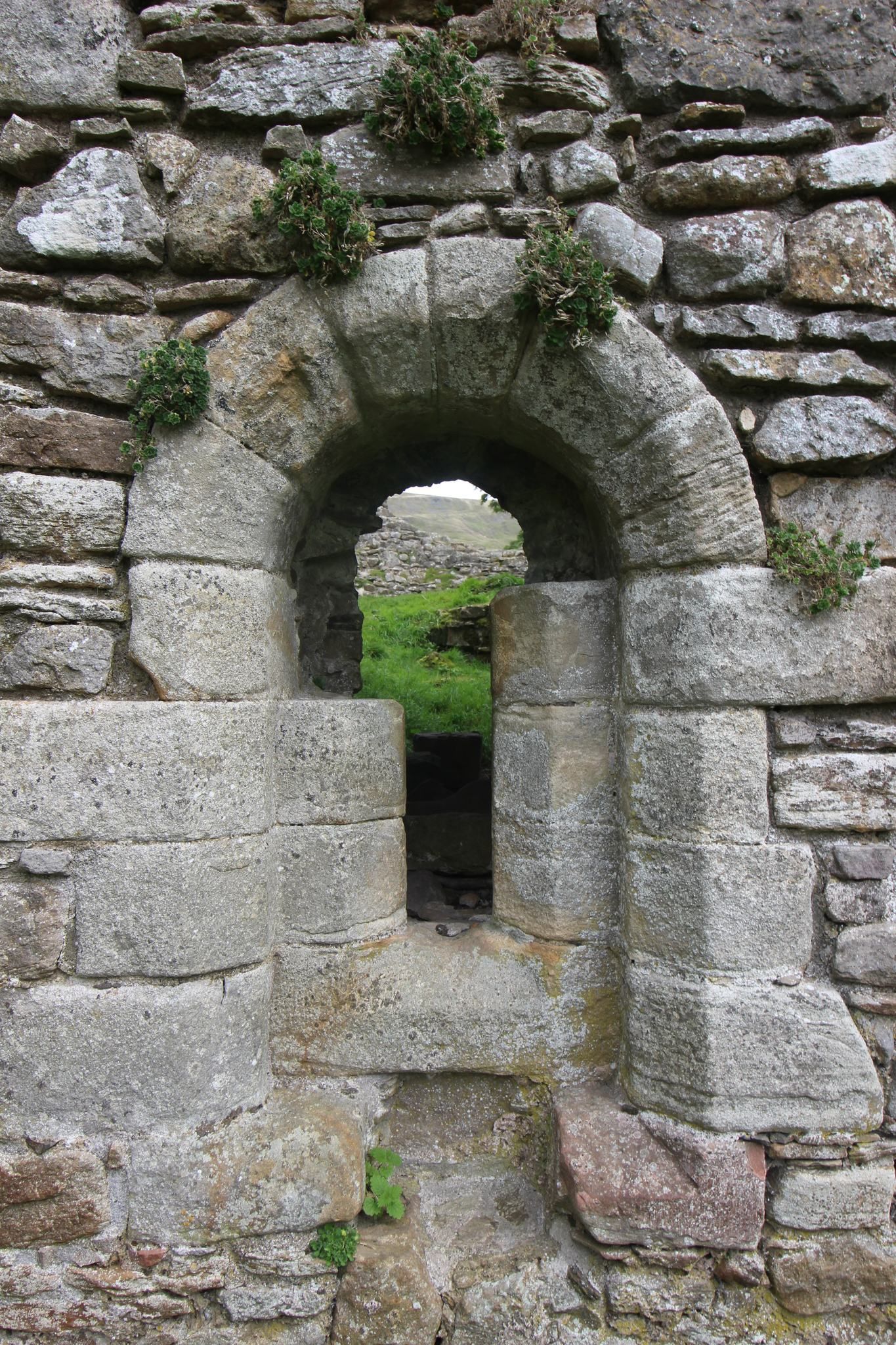
The principal surviving medieval feature is the Norman keep, which served as the castle’s main fortified residence and defensive tower. The remains also include a fourteenth-century garderobe turret. A garderobe was a medieval latrine or toilet structure, often built into a projecting turret. These elements form part of the surviving castle fabric above the bend in the river, alongside later additions and consolidated sections of wall.
Seventeenth-century additions
Lady Anne Clifford’s rebuilding of 1660 added buildings that supported both household life and estate management. The complex included a brewhouse for brewing, a bakehouse, stables, and a coach house. These structures extended the castle beyond its earlier fortified core and reflect its continued use as a residence after the medieval period.
Collapse above the second storey had already removed much of the building by the 1770s, and subsequent decay shaped the present ruin. Rubble clearance and consolidation have helped preserve portions of the walls, while the surviving remains continue to show the relationship between the Norman keep, the garderobe turret, and the later domestic buildings.