Pausilypon: A Roman Villa and Archaeological Park in Naples

Site at a Glance
- Rating
- 4.7
- Popularity
- Low
- Country
- Italy
- Primary era
- Classical
- External website
- Open
- Eras represented
- Classical
- Civilizations
- Roman
- Site type
- Domestic
- Remains
- Villa
On this page12 sections
History
Pausilypon is a Roman archaeological and environmental park in Naples, Italy, built in the 1st century BC as a coastal villa complex in the Roman period. Its remains occupy the Posillipo coast between the Trentaremi promontory and Gaiola, where architecture, gardens, leisure facilities, and maritime installations were adapted to the natural landscape.
Foundation and Imperial Residence
The villa was established by Publius Vedius Pollio, a Roman eques, meaning a member of the wealthy equestrian order, who had also been legally freed from slavery. After the Battle of Actium in 31 BC, Pollio selected the coast between Gaiola and Trentaremi Bay as a retreat for his final years. The name Pausilypon conveys the idea of relief from distress or pain.
From the 1st century BC, the mild climate, vegetation, and coastal scenery of the area attracted senators and wealthy equestrians, who built luxurious residences along the Posillipo coast. Pausilypon formed part of this development and combined residential rooms with baths, gardens, service quarters, performance spaces, port facilities, associated buildings, and fishponds.
When Pollio died in 15 BC, the villa entered the imperial estate. It became an imperial residence under Augustus, the first Roman emperor, and his successors. The original residential nucleus was enlarged and adapted for imperial use. The last recorded inhabitant was Emperor Hadrian, who ruled in the 2nd century AD.
Communications and Later History
The Sejanus Grotto connected Pausilypon and other patrician villas with the ports of Puteoli and Cumae. Its first tunnel was cut about fifty years before the enlargement traditionally associated with Lucius Aelius Sejanus, prefect of the Praetorian Guard under Emperor Tiberius.
After the villa and tunnel fell out of use, the grotto was forgotten for centuries. Work on a new road led to its accidental rediscovery in 1841. Ferdinand II of Bourbon ordered the passage to be cleared and made usable, after which it became a visitor attraction. During the Second World War, it served as an air-raid shelter for residents of Bagnoli. Wartime damage and landslides in the 1950s later returned it to abandonment.
The terrestrial and underwater remains were subsequently recovered from prolonged neglect as a cultural and archaeological complex. The archaeological area opened to the public in 2009 after restoration work carried out with collaboration from the Centro Studi Interdisciplinari Gaiola. The maritime remains are protected within the Gaiola Underwater Park, a protected marine area established in 2002.
Remains
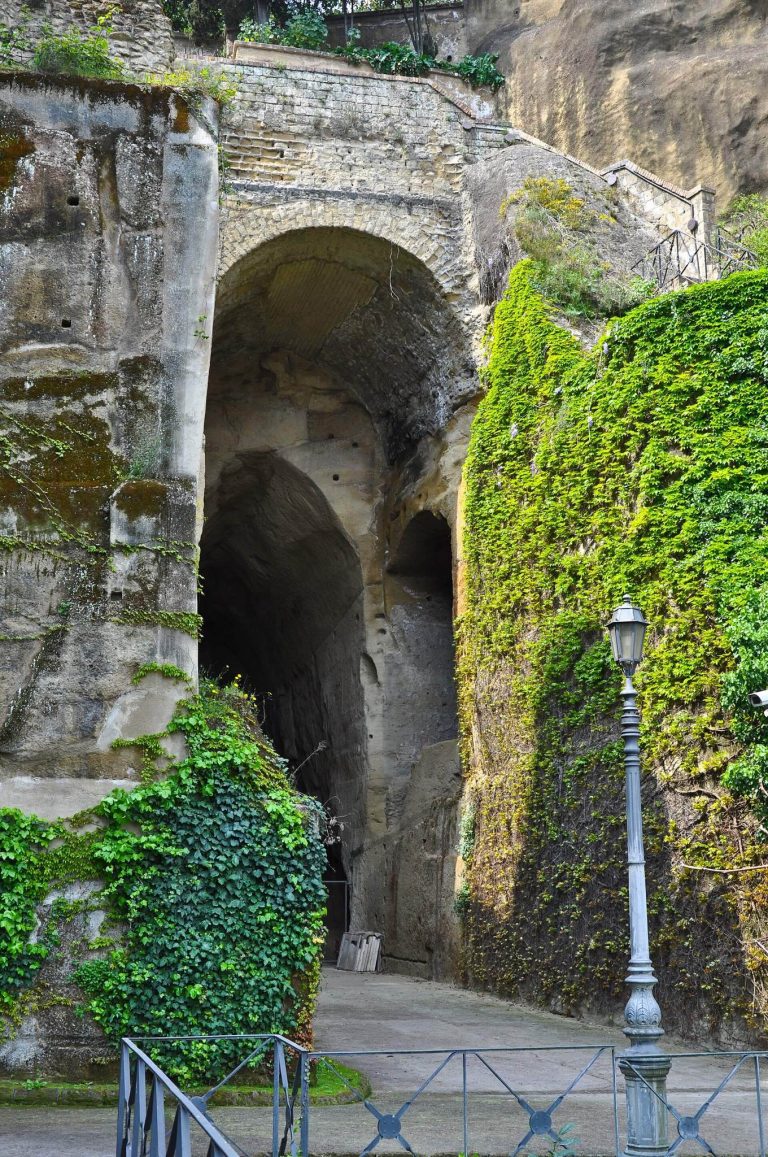
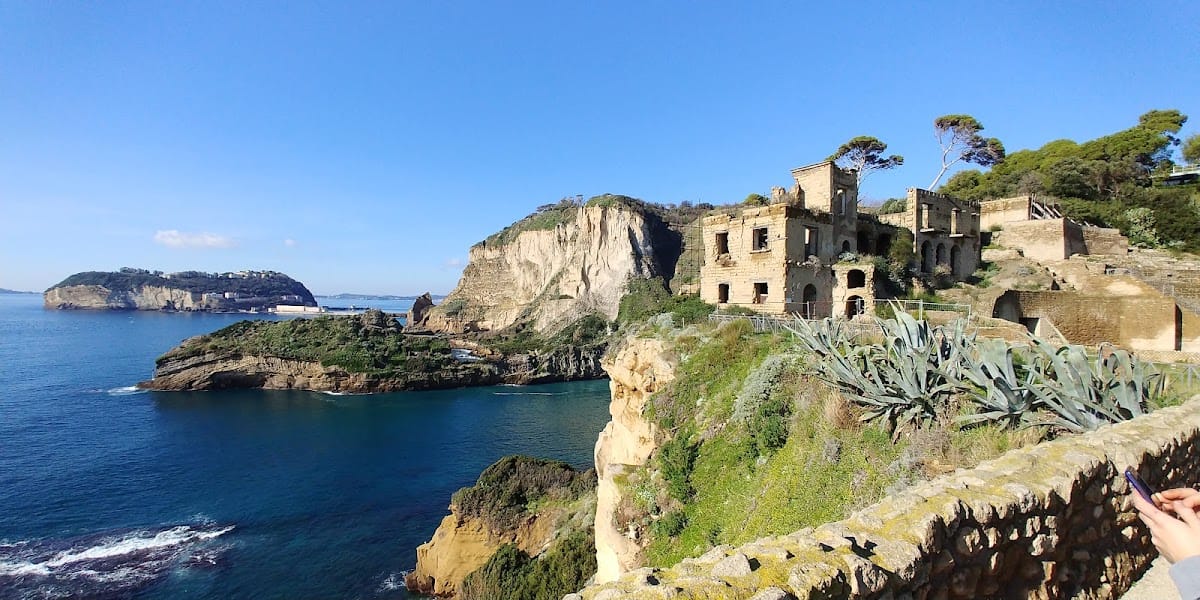
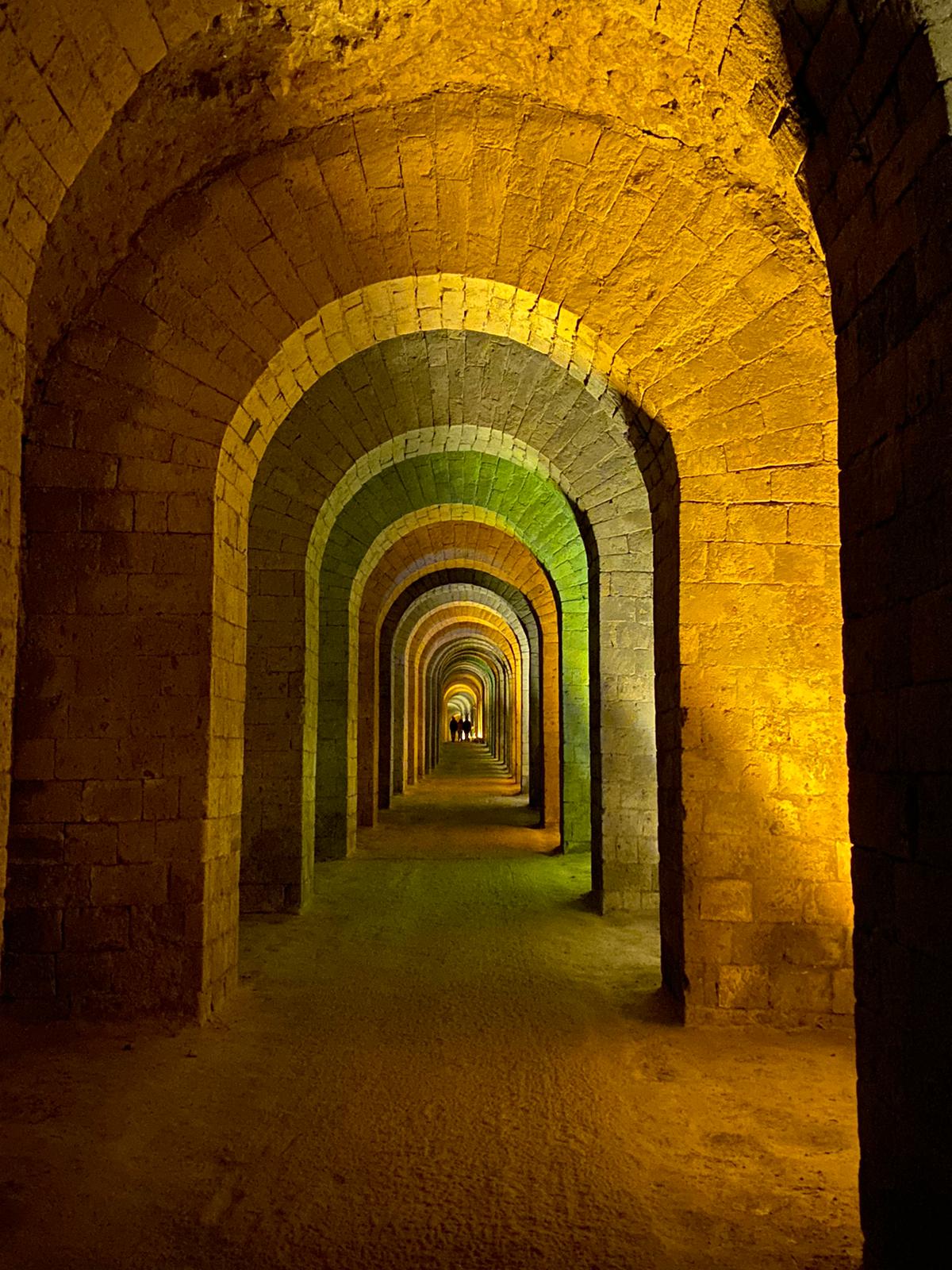
The park covers approximately 416,000 square metres, or 41.6 hectares, across the coastal landscape between the Trentaremi promontory and the Gaiola ravine. Its remains extend from structures on land to maritime features now below the sea. The complex is entered through the Sejanus Grotto, a tunnel cut through the tuff of Posillipo Hill. About 770 metres long, it follows a generally straight east-west course, although its height and width vary. Three side passages branch from its southern wall and end in openings above the bay, providing natural light and ventilation.
Villa Buildings and Services
Theatre and Odeion
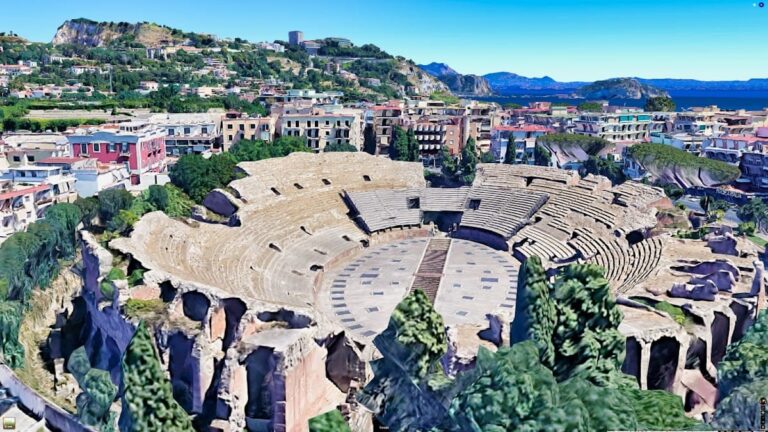
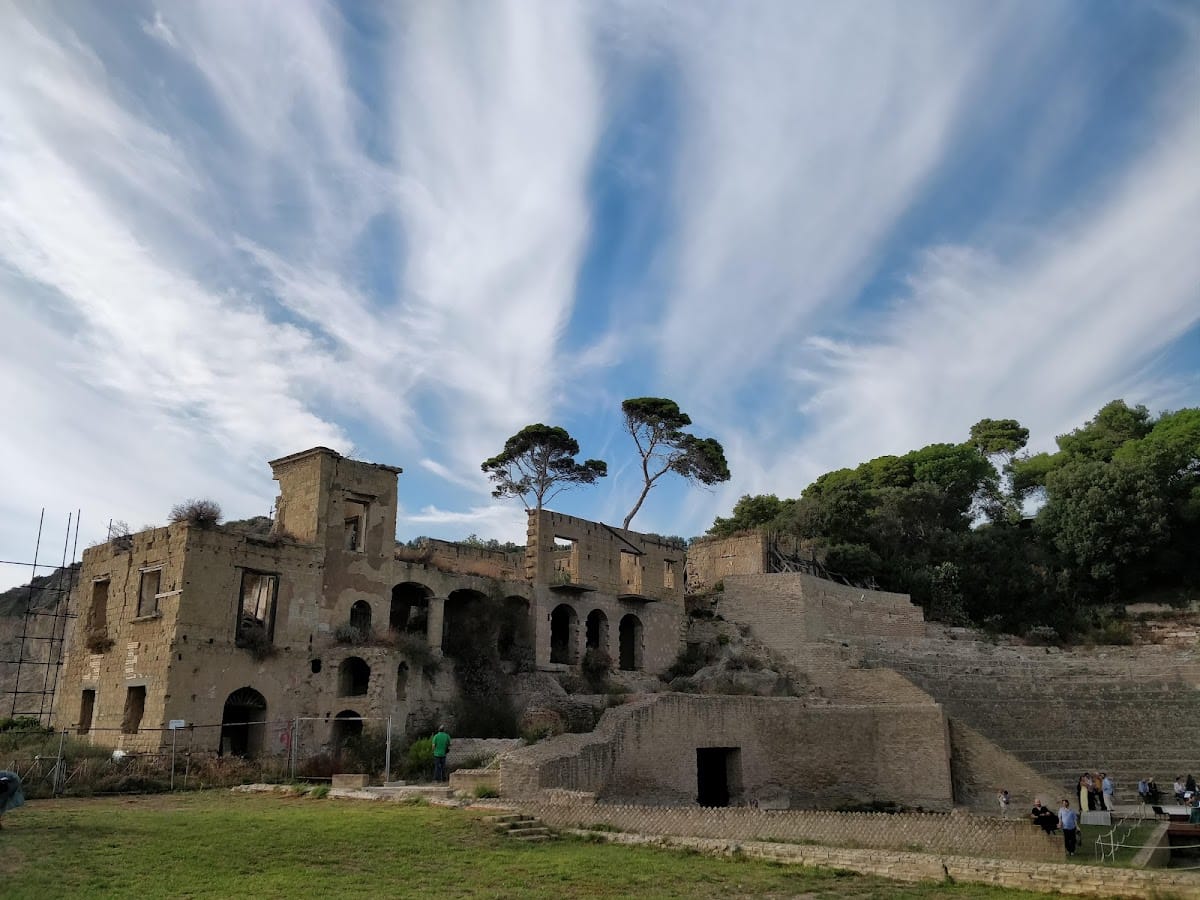
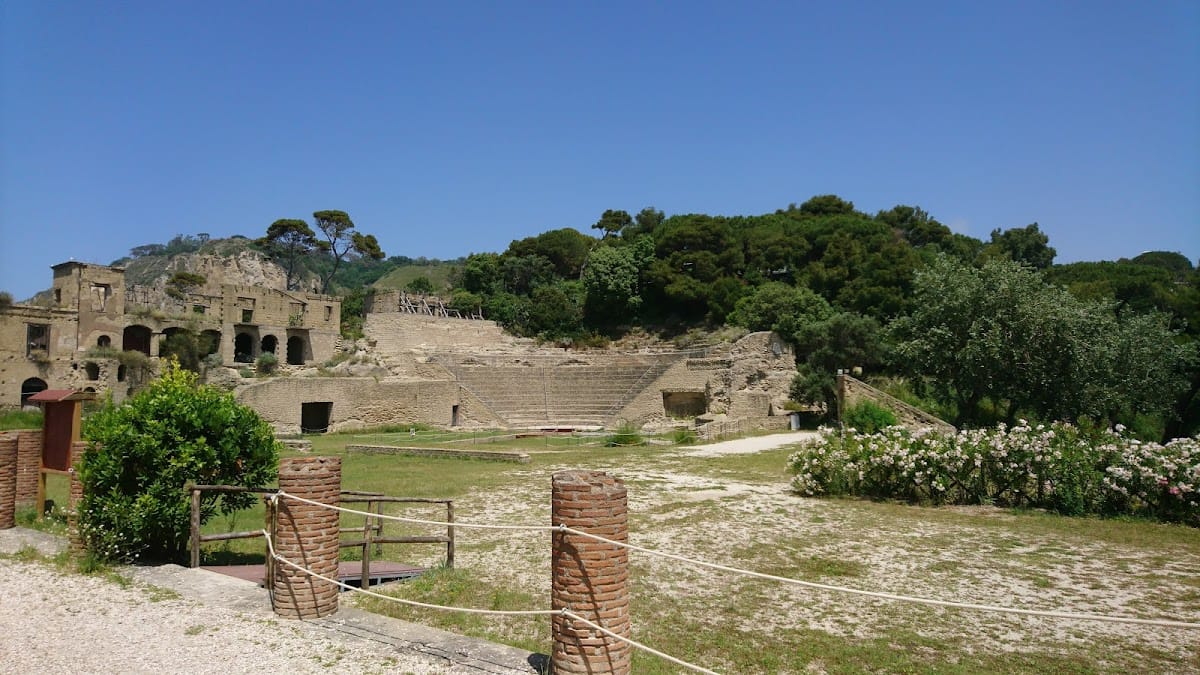
The surviving villa includes a theatre designed for approximately 2,000 spectators and an Odeion, a smaller building for musical performances and other spectacles. Several representative rooms also survive, with traces of wall decoration still visible in some interiors.
Baths, Gardens, and Water Systems
Other parts of the complex included thermal installations, gardens, reception areas, quarters for service personnel, and port facilities. Aqueduct conduits remain in several areas of the villa, and their inner surfaces were coated with hydraulic mortar, a water-resistant material used in structures exposed to water.
Fishponds
A network of fishponds formed part of the villa’s maritime and service infrastructure. The ponds are particularly well preserved and belong to the wider group of coastal installations associated with Pausilypon.
Coastal and Submerged Structures
Palace of the Spirits
The Palace of the Spirits, also called the Villa of the Spirits or Villarosa, is a 1st-century BC complex on the Posillipo coast near Marechiaro. It belonged to a nymphaeum, a monumental fountain or ornamental sanctuary associated with water, that depended on Pausilypon. The complex may also have served as a murenaio, a Roman installation for breeding moray eels. Its tanks are now submerged because sea level rose over the centuries, but they remain clearly visible. Moray eels were still present in the tanks in the late 1980s.
Other Roman Coastal Houses
At Marechiaro and Calata Ponticello, remains of other Roman houses include a column with an Ionic base and a brick-built niche. Farther west along the coast, the perimeter of the structure traditionally identified as the School of Virgil can be seen. Local belief associated this place with the poet Virgil’s practice of magic.
Gaiola Underwater Park
The villa’s maritime structures continue beneath the present sea surface and form part of the Gaiola Underwater Park. The protected waters lie below the Trentaremi promontory and around the Gaiola islands, containing submerged remains of the imperial villa alongside a varied marine and coastal natural environment. Sea-facing areas at Pausilypon overlook these underwater structures and the surrounding coast.