Paring Abbey: A Monastery of Canons in Germany
Site at a Glance
- Rating
- 4.8
- Popularity
- Low
- Country
- Germany
- Primary era
- Early Modern
- Eras represented
- Medieval, Early Modern, Modern
- Civilizations
- Duchy of Bavaria, Electorate of Bavaria, German, Holy Roman Empire
- Site type
- Religious
- Remains
- Monastery
On this page9 sections
History
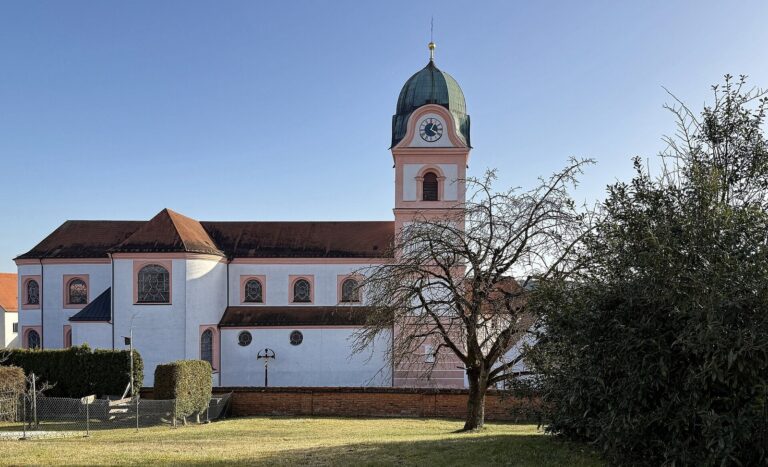
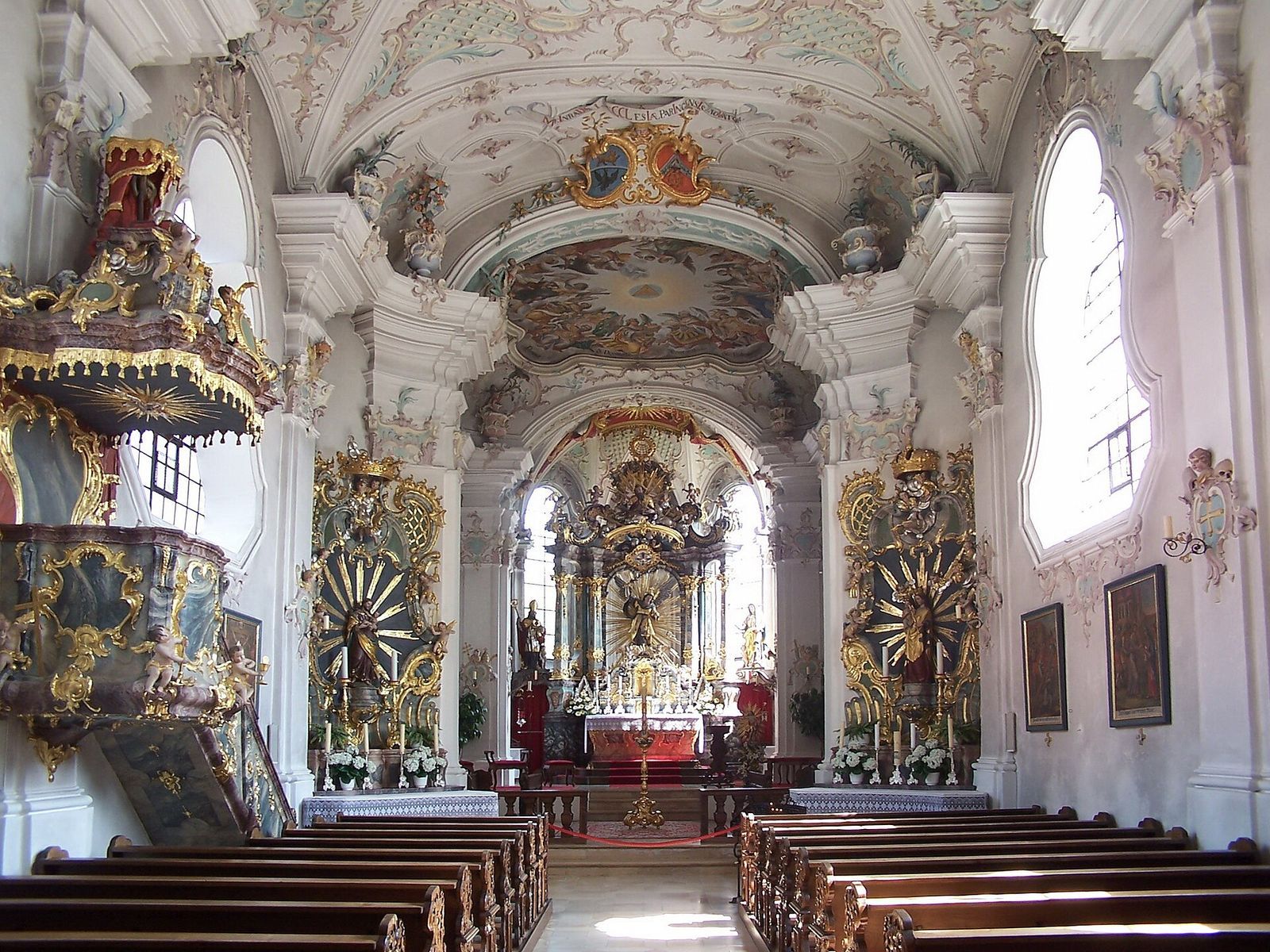
Paring Abbey is a monastery in Germany whose church and monastic buildings began in 1139; the church now has a late-Rococo form.
Foundation and medieval restoration
The church was consecrated in 1141, when the first canons began living and working at Paring. Canons were clerics who lived together under a religious rule while carrying out pastoral work. Count Gebhard von Rottenburg-Roning, his brothers Heinrich and Konrad, and their mother Mathilde established the foundation jointly. Pope Lucius II, himself an Augustinian canon, confirmed it in 1144.
A major fire damaged the monastery in the fourteenth century. Provost Friedrich von Lobsing, who held office from 1311 to 1335, oversaw its restoration.
Changes in religious life
Amid Reformation-era unrest, limited resources and a dwindling community led Provost Otto II to move the canons to the neighboring monastery at Rohr in 1551. Community life at Paring then ended. Around the turn of the seventeenth century, Benedictines from Andechs took over the provostry, a religious house led by a provost, and operated it as a small agricultural establishment.
The Andechs community ended with the secularization of 1803, when religious institutions and property passed out of ecclesiastical control. During the nineteenth century, a farmer bought the monastery buildings, which were partly destroyed.
Renewal since 1974
In 1974, the Windesheim Congregation, a community of Augustinian Canons Regular, decided to establish a monastery in Germany. Regensburg Bishop Rudolf Graber helped the congregation find a site at Paring, whose earlier history included a community of canons. On 29 September, the feast of St Michael, canons resumed communal life there after more than 400 years.
Paring has generally served as the seat of the congregation’s General Provost, its senior head. In 1992, Paring became an independent provostry. Helmut Grünke served as the first provost after the revival, from 1993 to 2016, and Maximilian Korn succeeded him in 2016. In 2002, the convent had 11 canons, including eight priests. The priests provided regular and specialized pastoral care, mainly in nearby parishes.
Remains
Buildings and cemetery
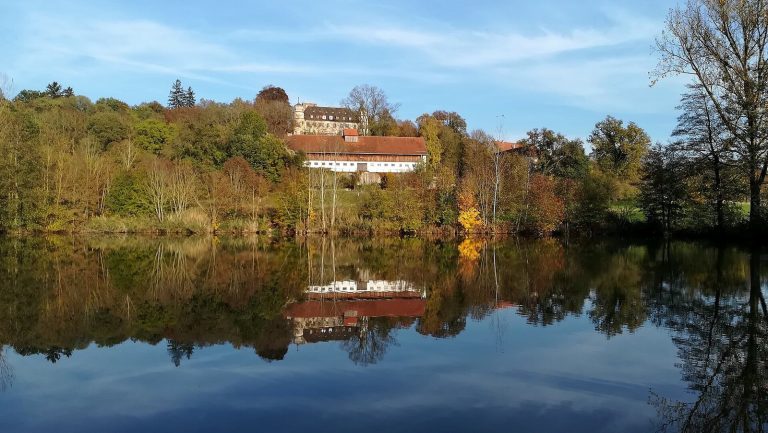
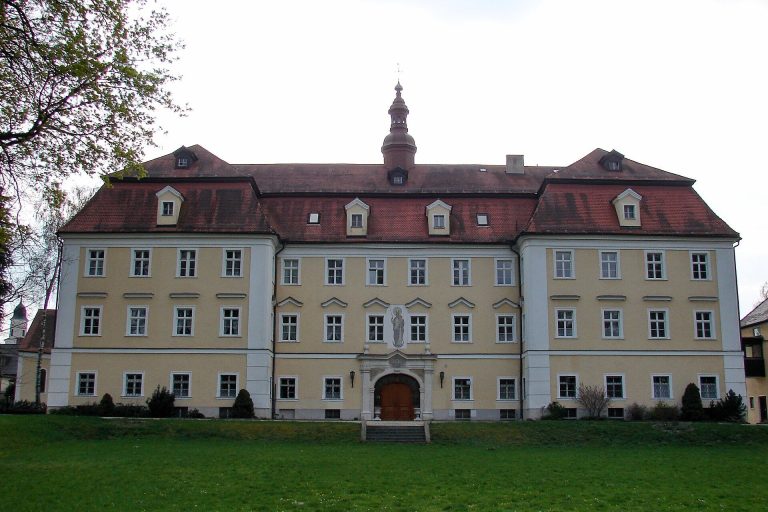
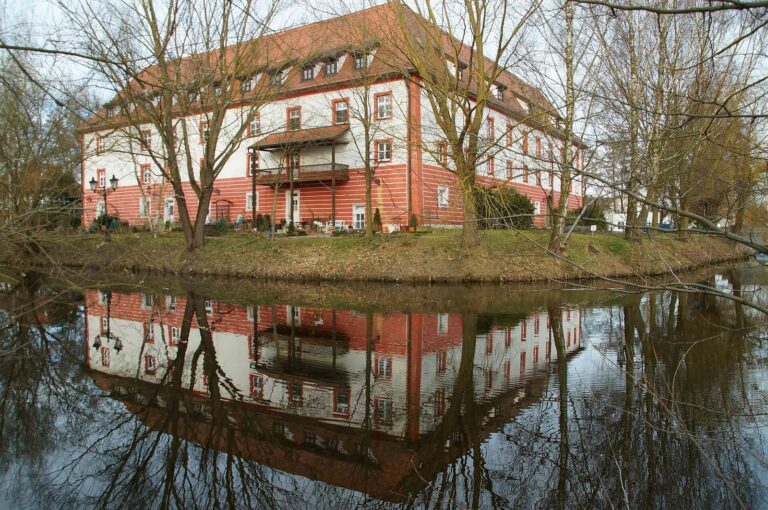
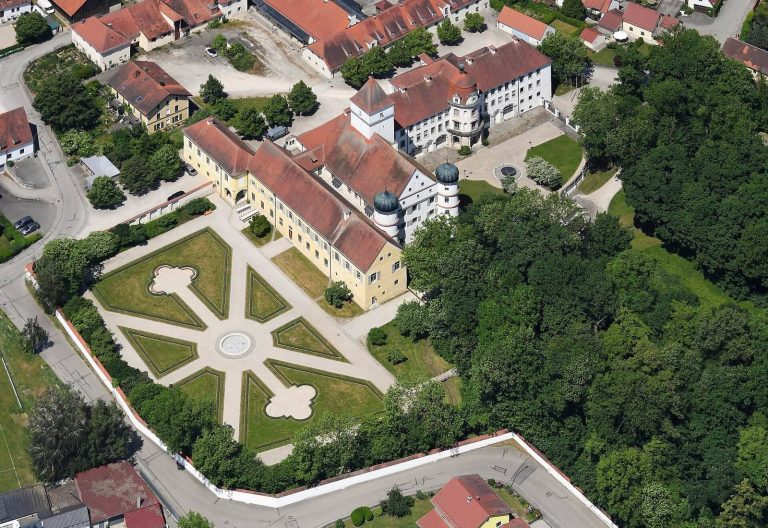
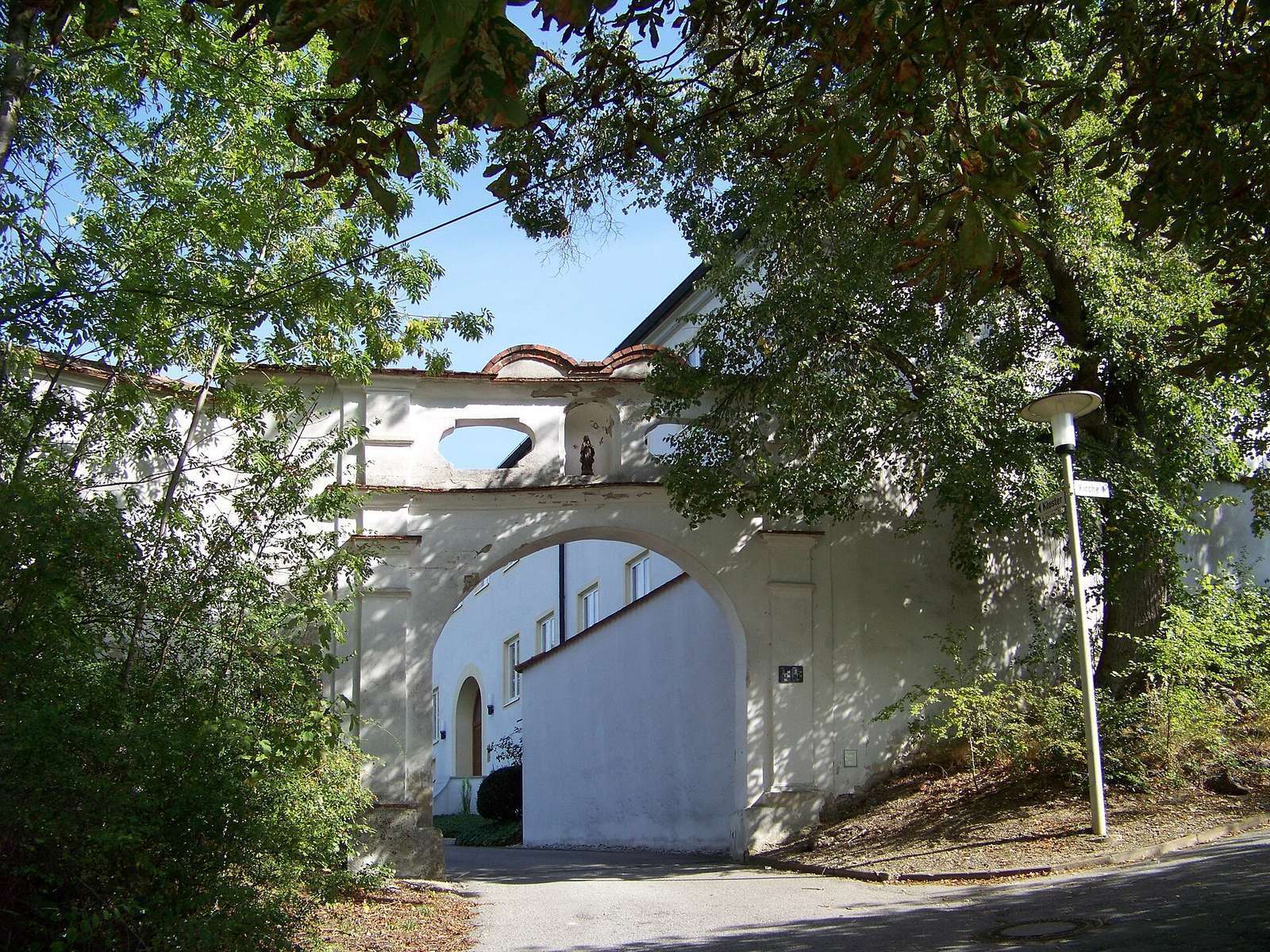
The surviving site includes St Michael’s church, monastery buildings and the provostry cemetery. The church retains elements from its medieval origins alongside later features.
Church
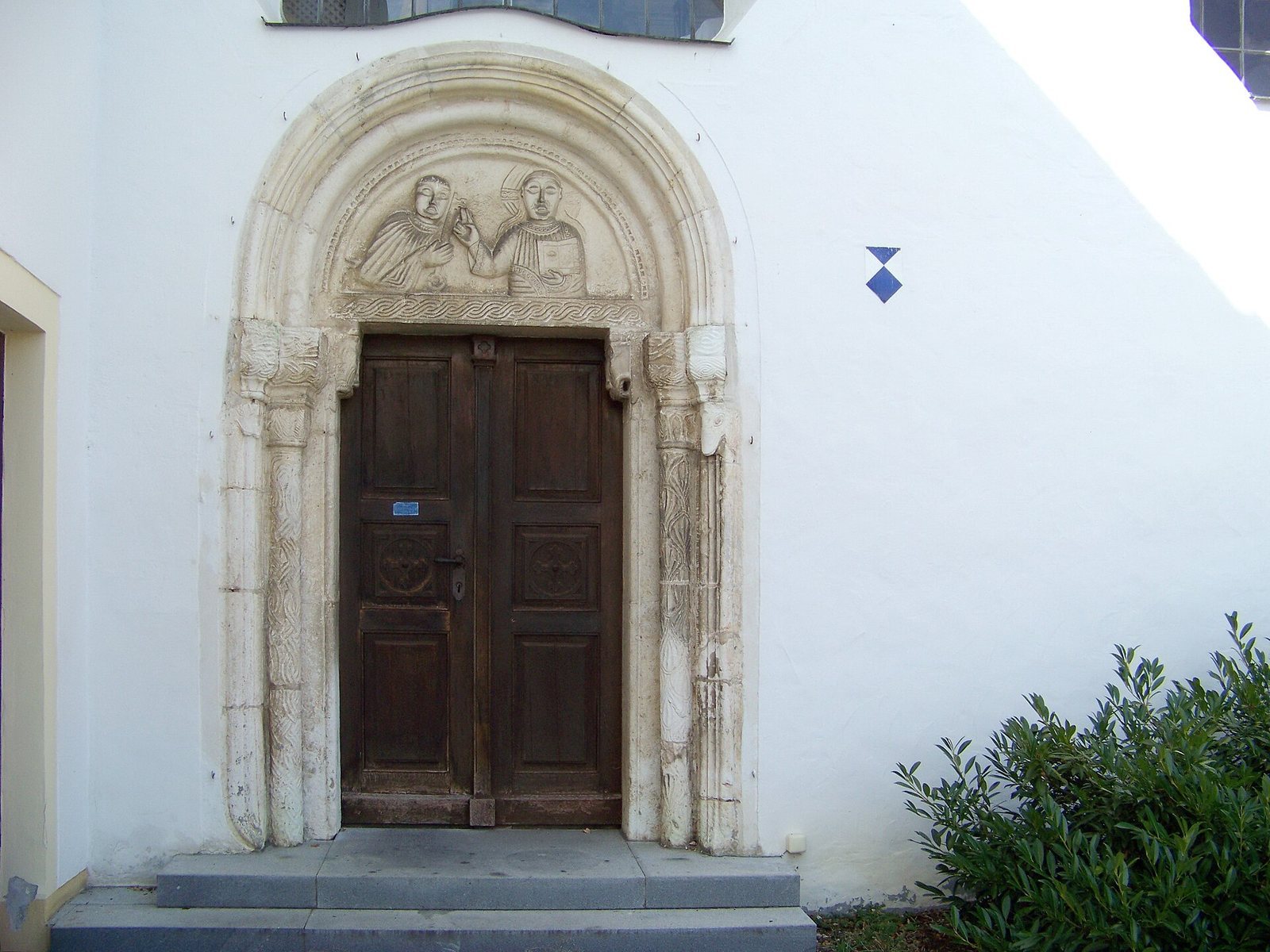
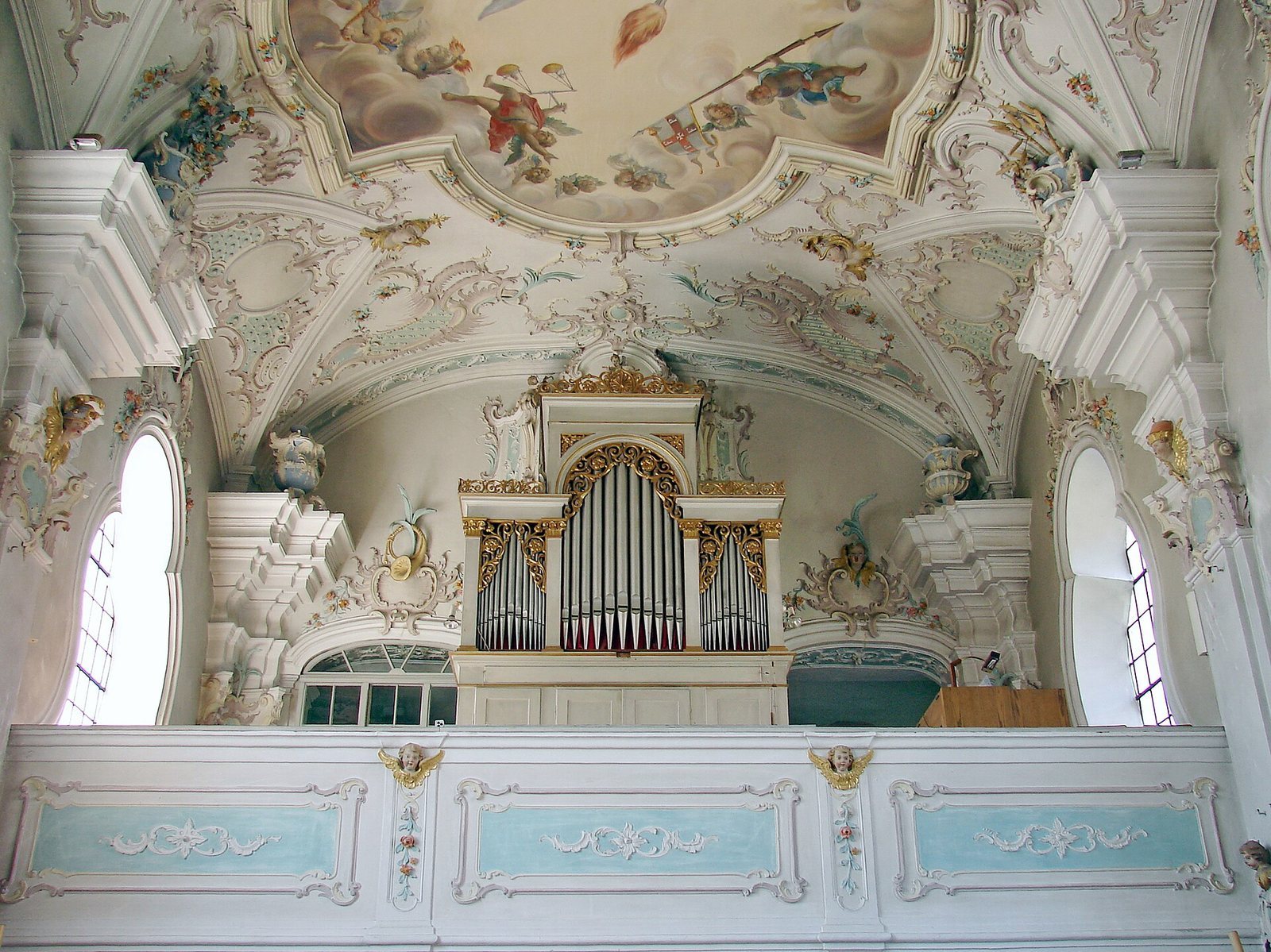
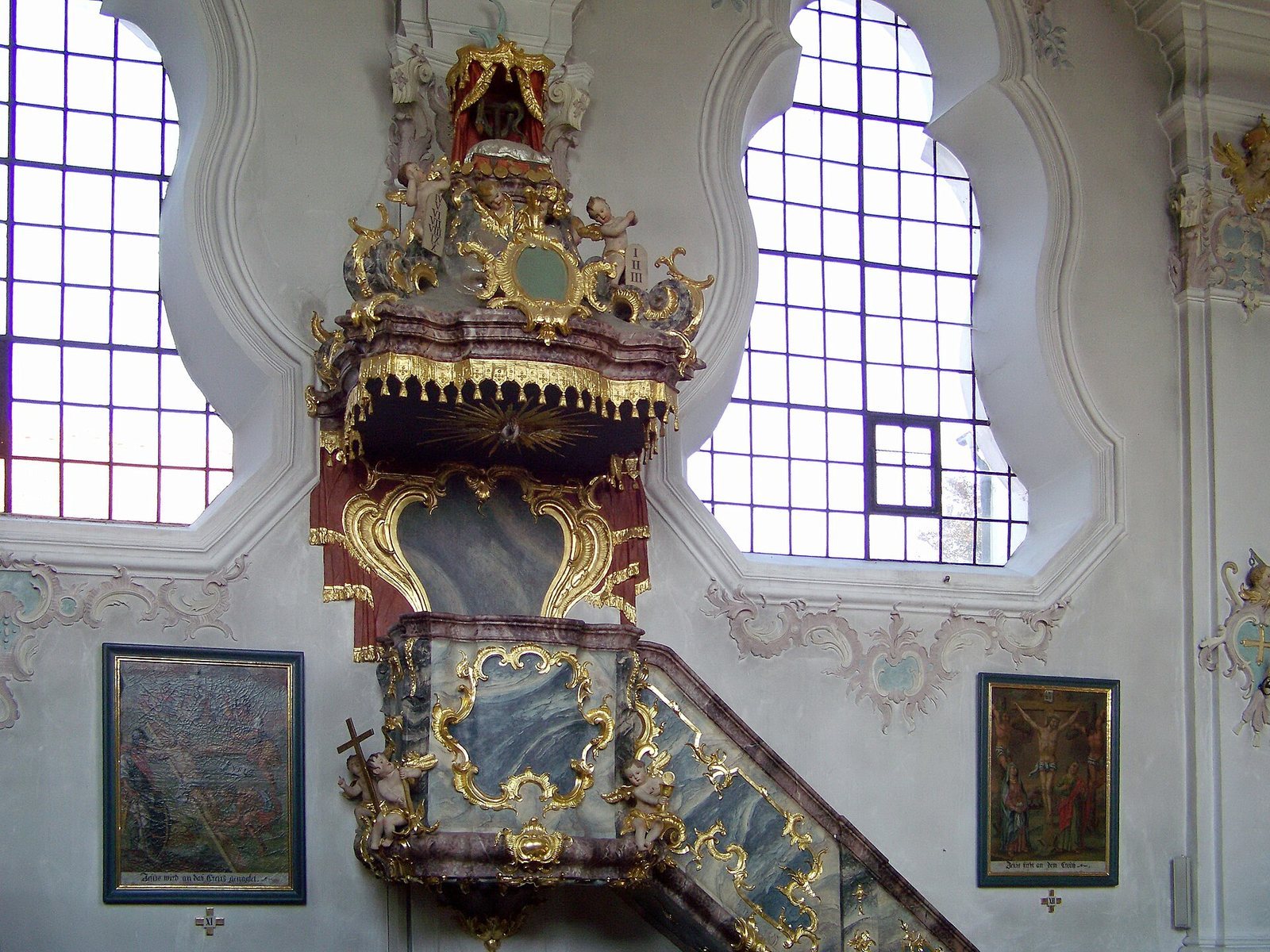
Dedicated to St Michael, the Christian archangel, the church belongs to the Diocese of Regensburg. It began as a three-aisled Romanesque basilica, a medieval church form with interior supports, including piers. During the Swedish Wars, a period of regional military conflict, the church suffered severe destruction, and its central nave survived. The south side has a Romanesque portal; inside, a ceiling fresco decorates the nave, and a gallery holds an organ. From 1764 to 1769, Andechs Abbot Meinrad I Moosmüller oversaw the church’s transformation.
Monastery buildings
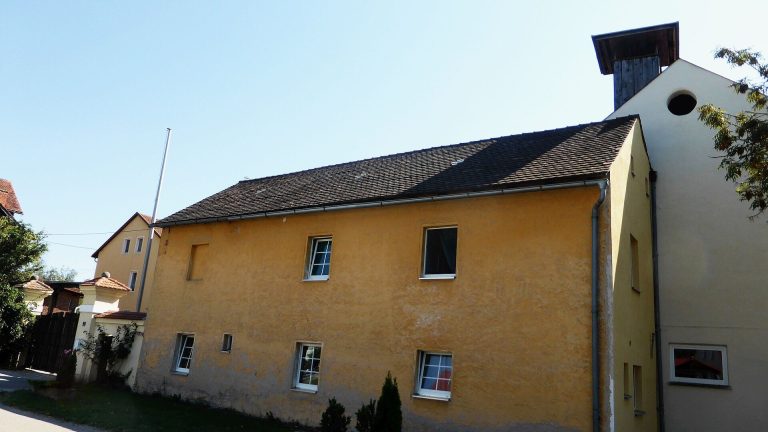
The monastery buildings include extensions completed in 2000–2001 and in 2018.
Provostry cemetery
The cemetery contains the grave of Abbot and Latinist Karl Egger, who played a major part in reviving the Windesheim Congregation of the Lateran Canons, a group of Augustinian Canons Regular.