Palazzo Giustinian Pesaro: A Gothic Palace in Venice
Site at a Glance
- Popularity
- Medium
- Country
- Italy
- Primary era
- Medieval
- Eras represented
- Medieval, Early Modern, Modern
- Civilizations
- Venetian
- Site type
- Domestic
- Remains
- Elite Residence
On this page7 sections
History
Late medieval origins
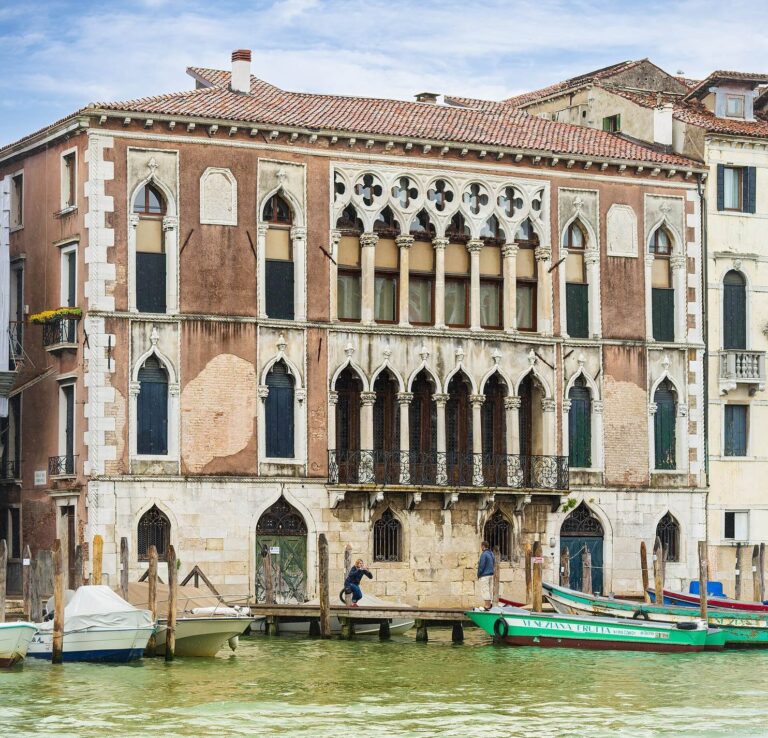
Palazzo Giustinian Pesaro is a late-14th-century Gothic palace in Venice, Italy, that belonged to the prominent Giustiniani patrician family. The building is also described as Byzantine Gothic, a form of Gothic architecture influenced by Byzantine design. The Giustiniani were part of Venice’s hereditary elite, which held political power and social standing in the Republic.
Renovations and later use
The palace underwent renovations in the 18th and 19th centuries. In 1970, its interior was remodeled and the building was restored. Its use changed from a private residence to a hotel in 2006.
Remains
Building and layout
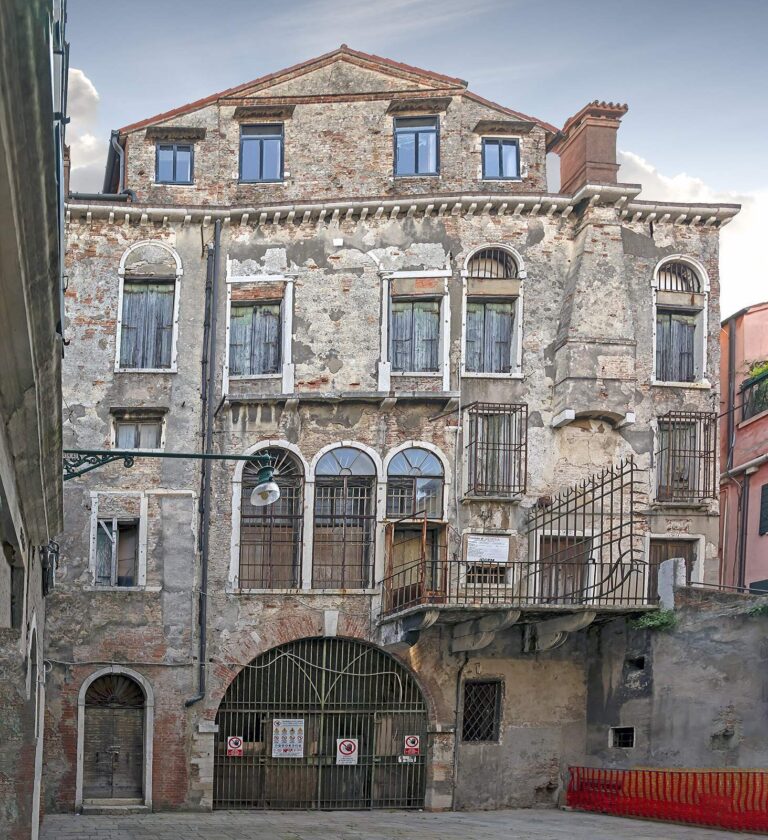
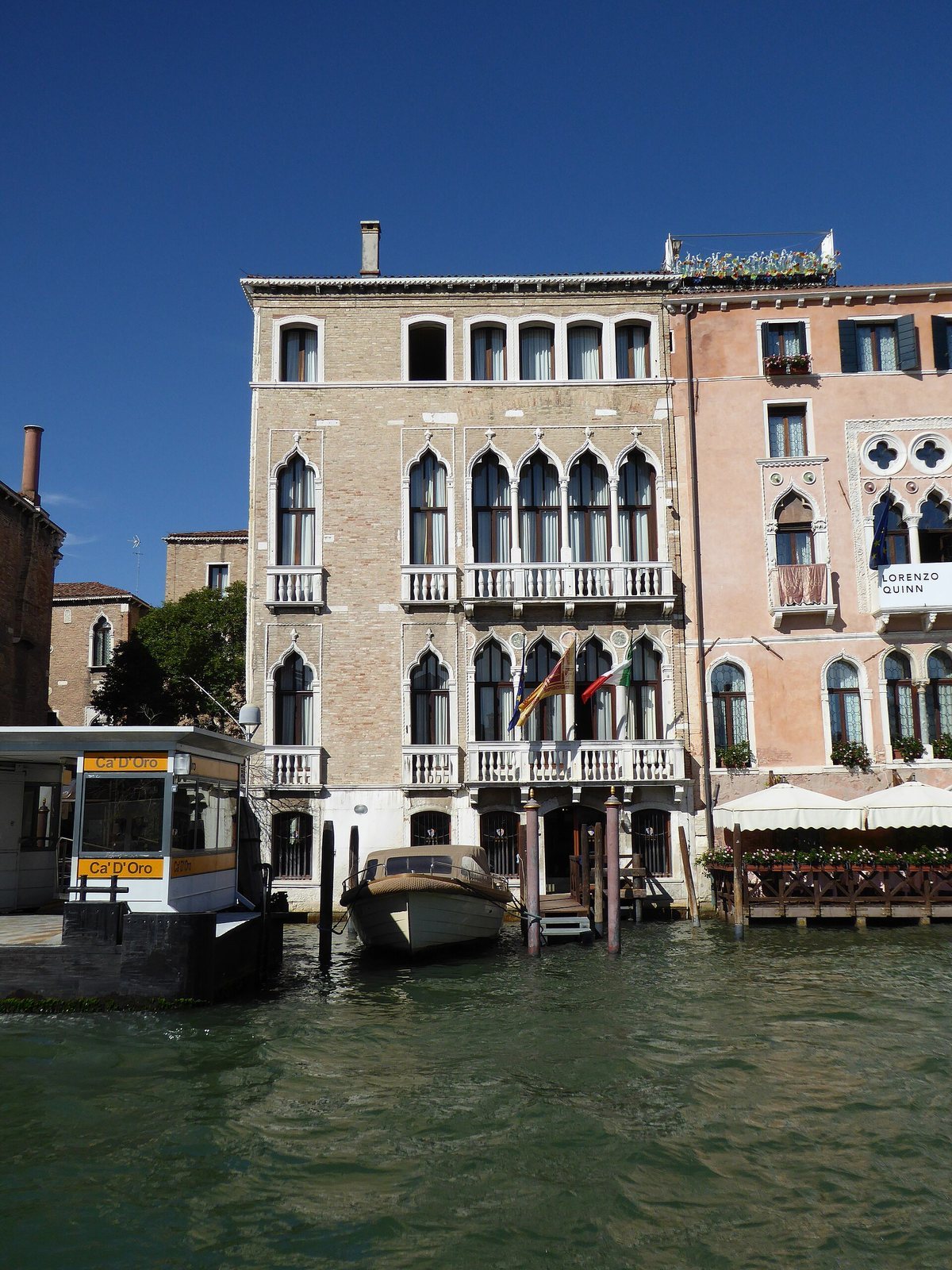
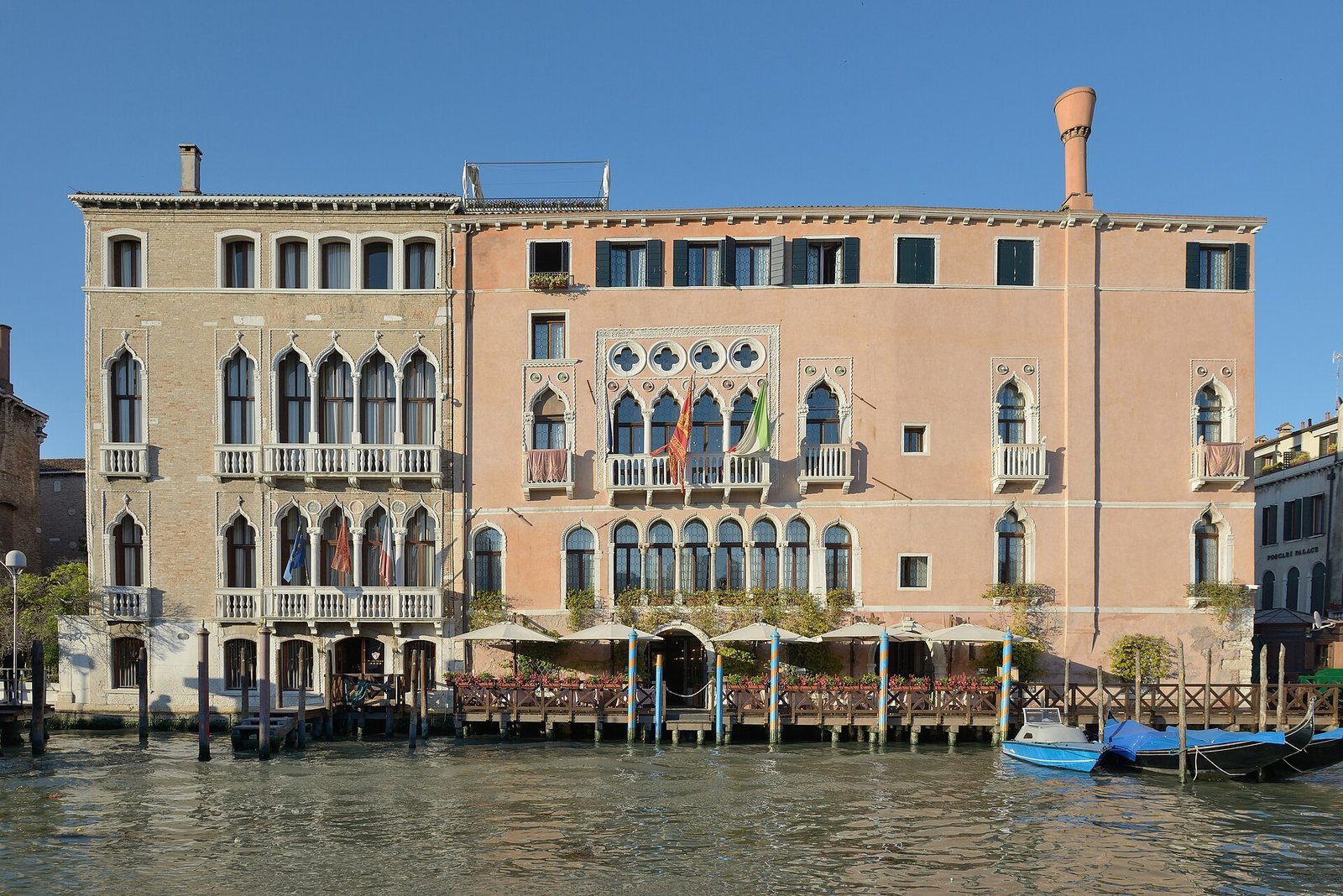
The small Gothic palace has an L-shaped plan and four storeys. It stands in Venice’s Cannaregio district, overlooking the Grand Canal between Ca’ d’Oro and Palazzo Morosini Sagredo, with a garden toward the canal.
Canal-side façade
The façade’s two principal floors each have a group of four window openings positioned toward the right, giving the front an asymmetrical arrangement. Beneath each group is a pair of windows with one opening apiece. The openings rise to points and have toothed borders, with a flower motif at each top. The balconies date to the 16th century, and an upper floor was added in the 19th century.
Garden-facing side
Changes were made to the palace’s left side, which overlooks the large garden, in the 17th century. The façade facing the garden was reworked in the 18th century.