Palazzo Doria-Pamphilj in Valmontone: A Baroque Palace and Museum
Site at a Glance
- Popularity
- Medium
- Country
- Italy
- Primary era
- Early Modern
- Eras represented
- Early Modern
- Civilizations
- Papal States
- Site type
- Domestic
- Remains
- Elite Residence
On this page6 sections
History
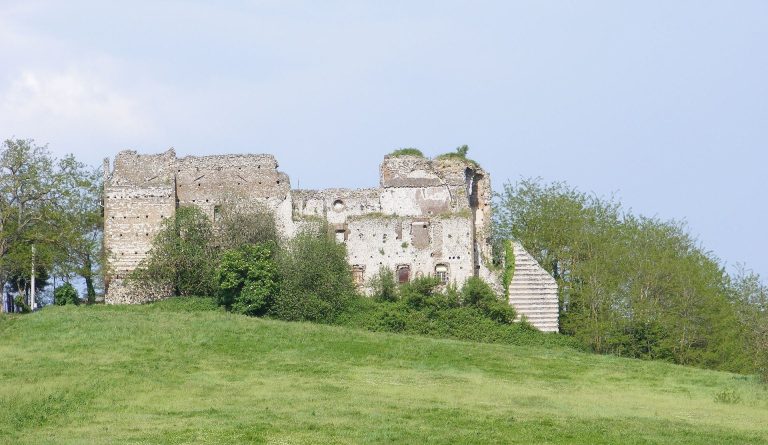
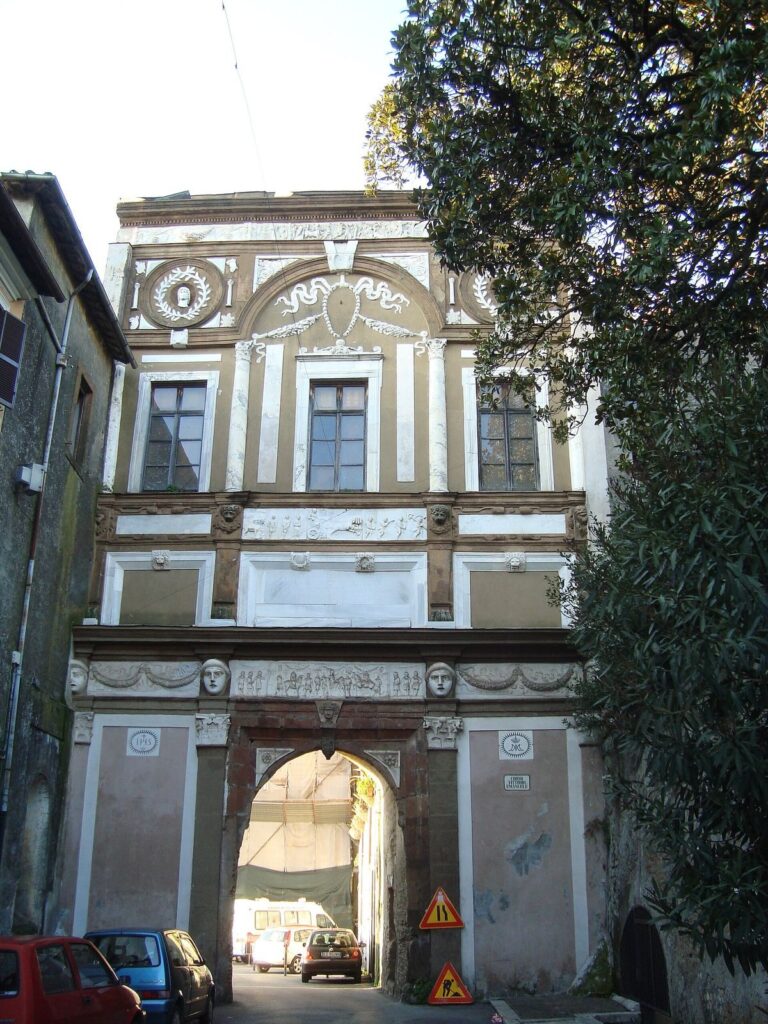
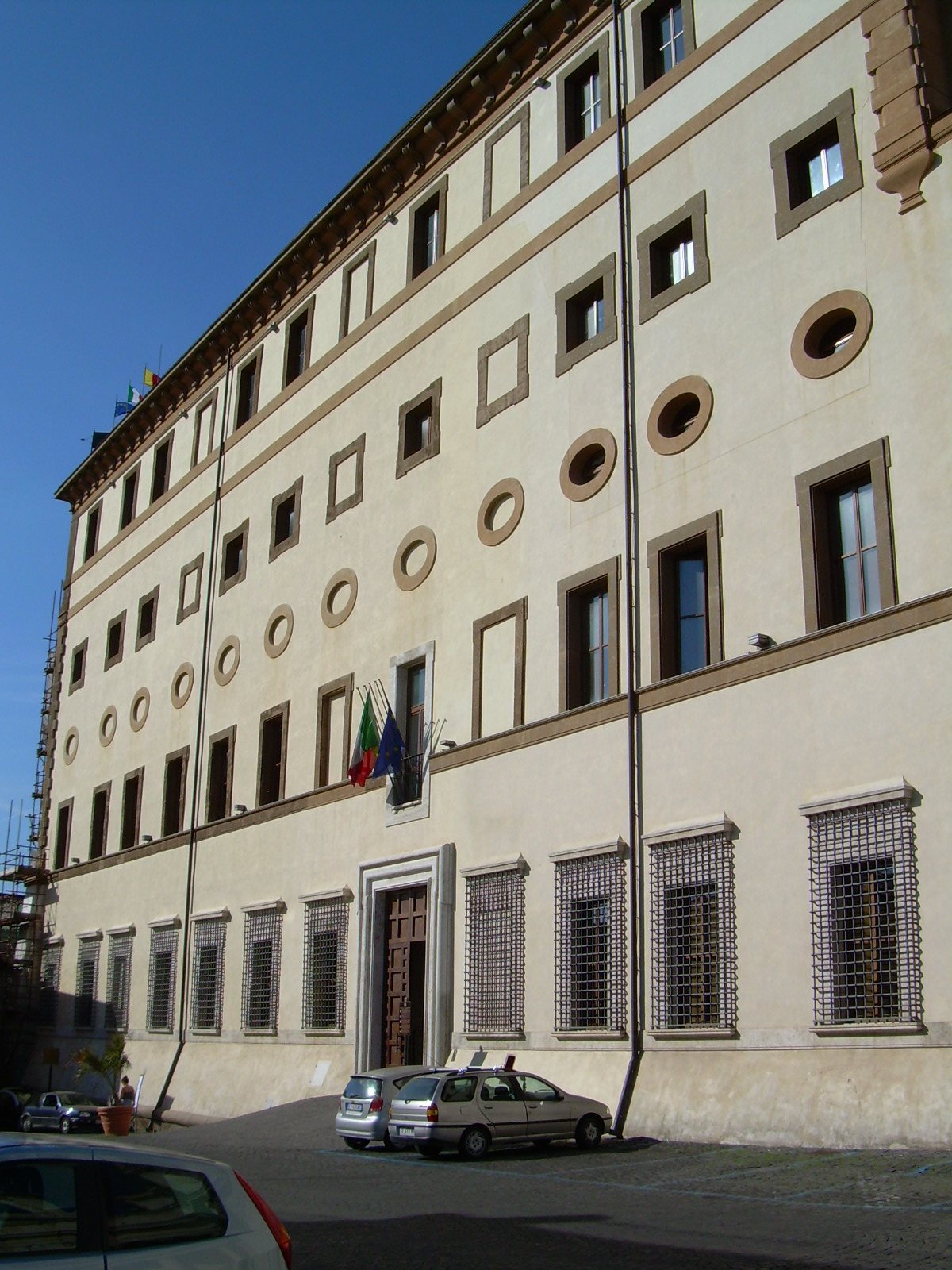
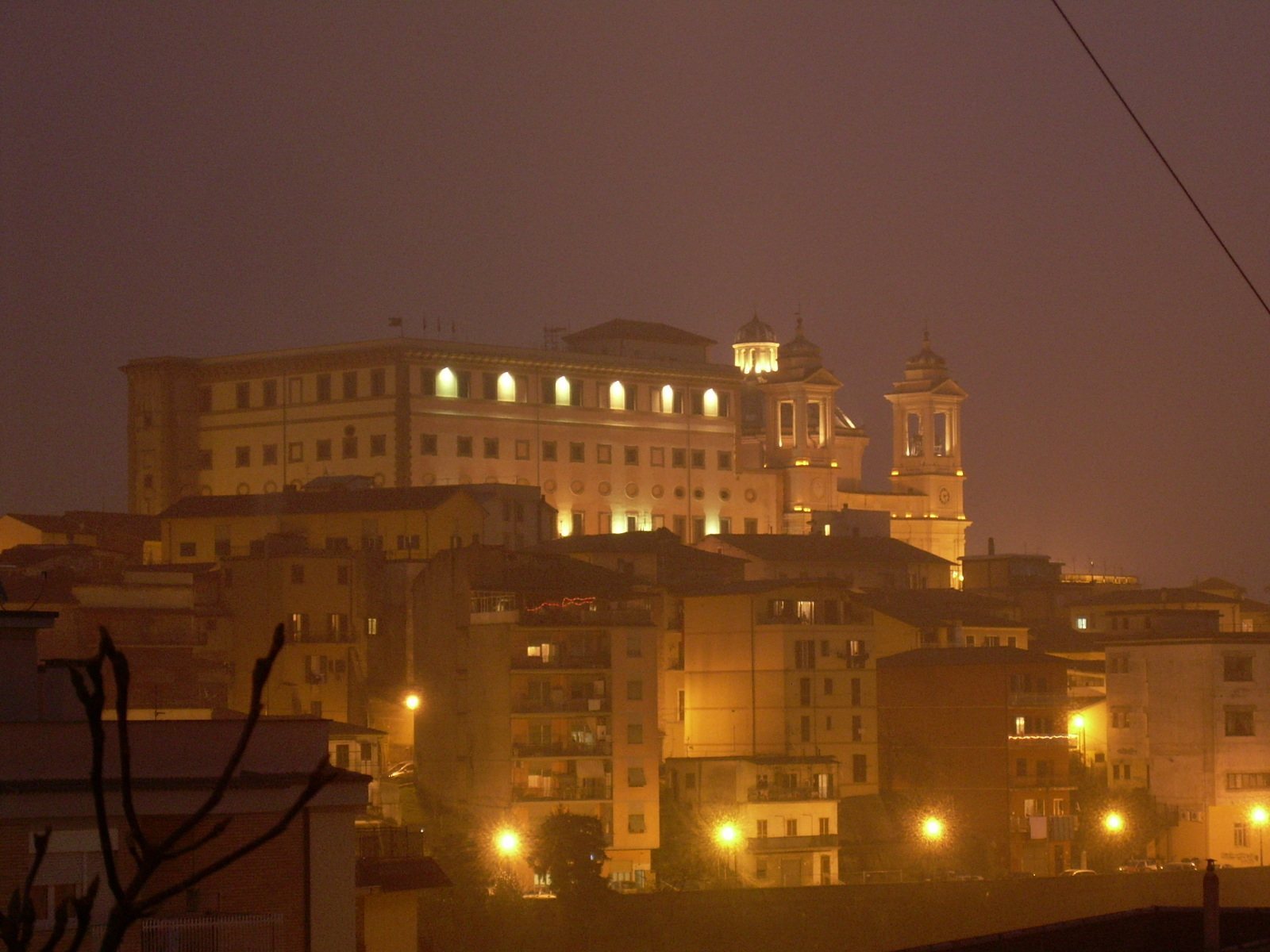
Palazzo Doria-Pamphilj in Valmontone is a Baroque palace in Italy that developed from a fortified castle and baronial residence. Its main construction phase took place between 1652 and 1670, as part of Prince Camillo Pamphilj’s plan for an ideal city.
From fortress to planned city
Renovation and expansion of the fortress began in the first half of the seventeenth century, during a brief period associated with the Barberini, a prominent Italian noble family. In 1651, Camillo Pamphilj acquired the Valmontone fief and conceived an ideal city known as Città Panfilia. His project brought the palace together with a nearby church, stables, storehouses, and homes. He also invited a range of artists to Valmontone.
Construction and later history
The palace was built between 1652 and 1670. Its principal building campaign, overseen by the Jesuit priest Benedetto Molli, a member of a Catholic religious order, ran from 1653 to about 1658. Molli and Antonio Del Grande are identified as its architects, and alterations continued into the eighteenth century.
On 25 May 1944, bombing of Valmontone severely damaged the palace. Renovation work continued afterward. The building is now owned by the City of Valmontone and used as a museum.
Remains
The palace is a massive, block-shaped building with four floors. According to Camillo Pamphilj’s plan, it was to contain 365 rooms. Its principal decorated spaces occupy the first floor, the piano nobile, or main floor above ground level.
Principal rooms and decoration
The first-floor rooms include four spaces representing Fire, Air, Water, and Earth, as well as four smaller rooms devoted to the Americas, Europe, Asia, and Africa. The Prince’s Hall has trompe-l’oeil paintings, a technique that makes painted forms appear three-dimensional. Two private chapels are dedicated to the Eternal Father, a Christian title for God the Father, and Saint Agnes, an early Christian martyr and the Pamphilj family’s patron saint. Frescoes painted between 1657 and 1661 by Pier Francesco Mola, Gaspard Dughet, Guillaume Courtois, known as il Borgognone, Francesco Cozza, and Mattia Preti remain viewable following lengthy restoration.
Museum displays and archaeological finds
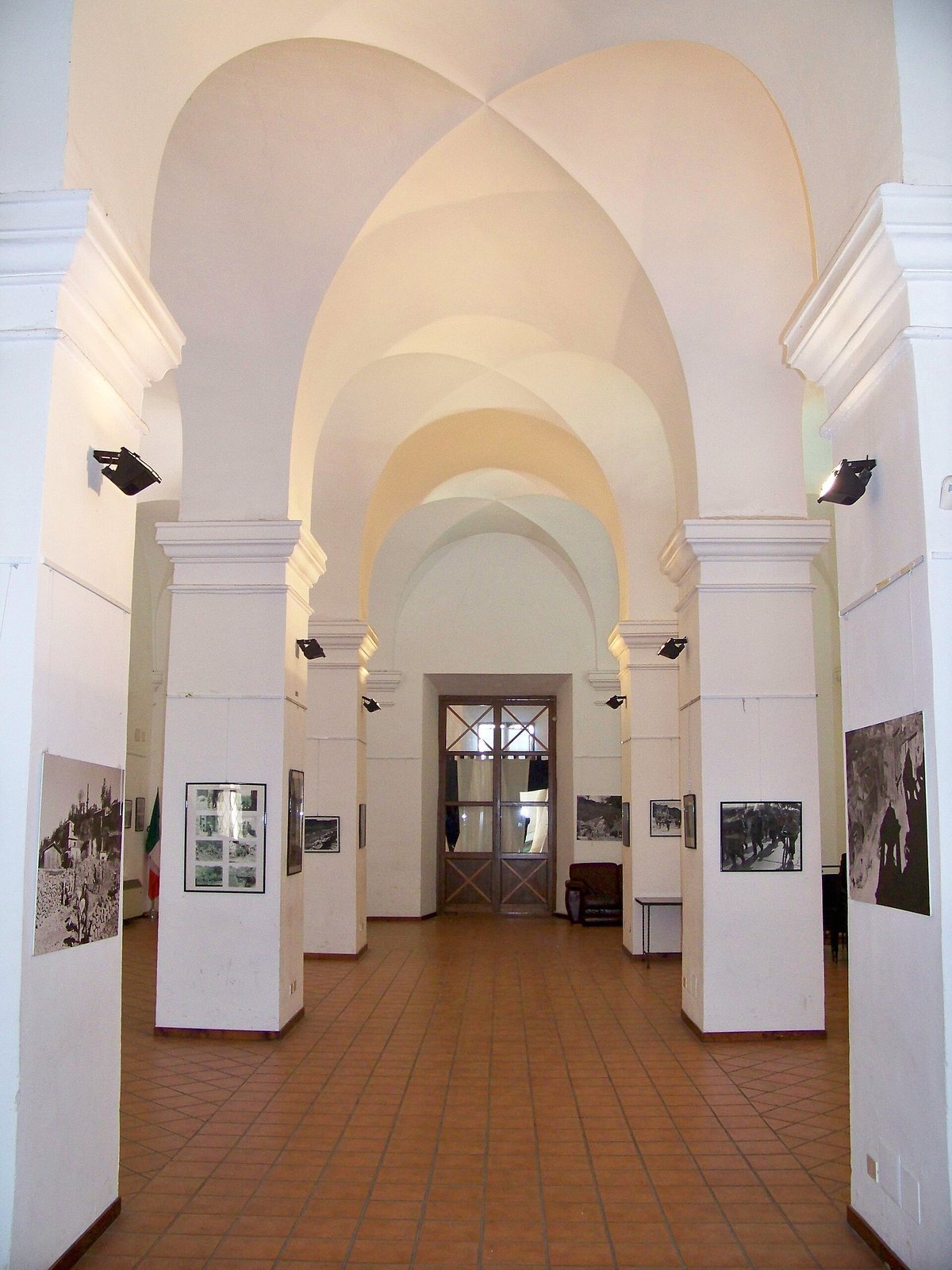
The museum occupies four ground-floor rooms, where archaeological finds, models, and other displays introduce sites around Valmontone. Reconstructions include a charcoal burners’ village from Colle Carbone, the agricultural settlement at Colle dei Lepri, Roman baths connected to a stopping station, and a kiln from Colle Pelliccione. A breastplate made of leather and gold sheets is a principal museum object; it probably belonged to a young girl. Another display is a large tuff sarcophagus, made from rock formed of compacted volcanic ash. Found near Valmontone’s airfield in April 2011, it dates to about the third century AD and contained human remains. It is displayed in a museum room awaiting conservation work.