Palazzo del Bargello: Gubbio’s Civic Palace
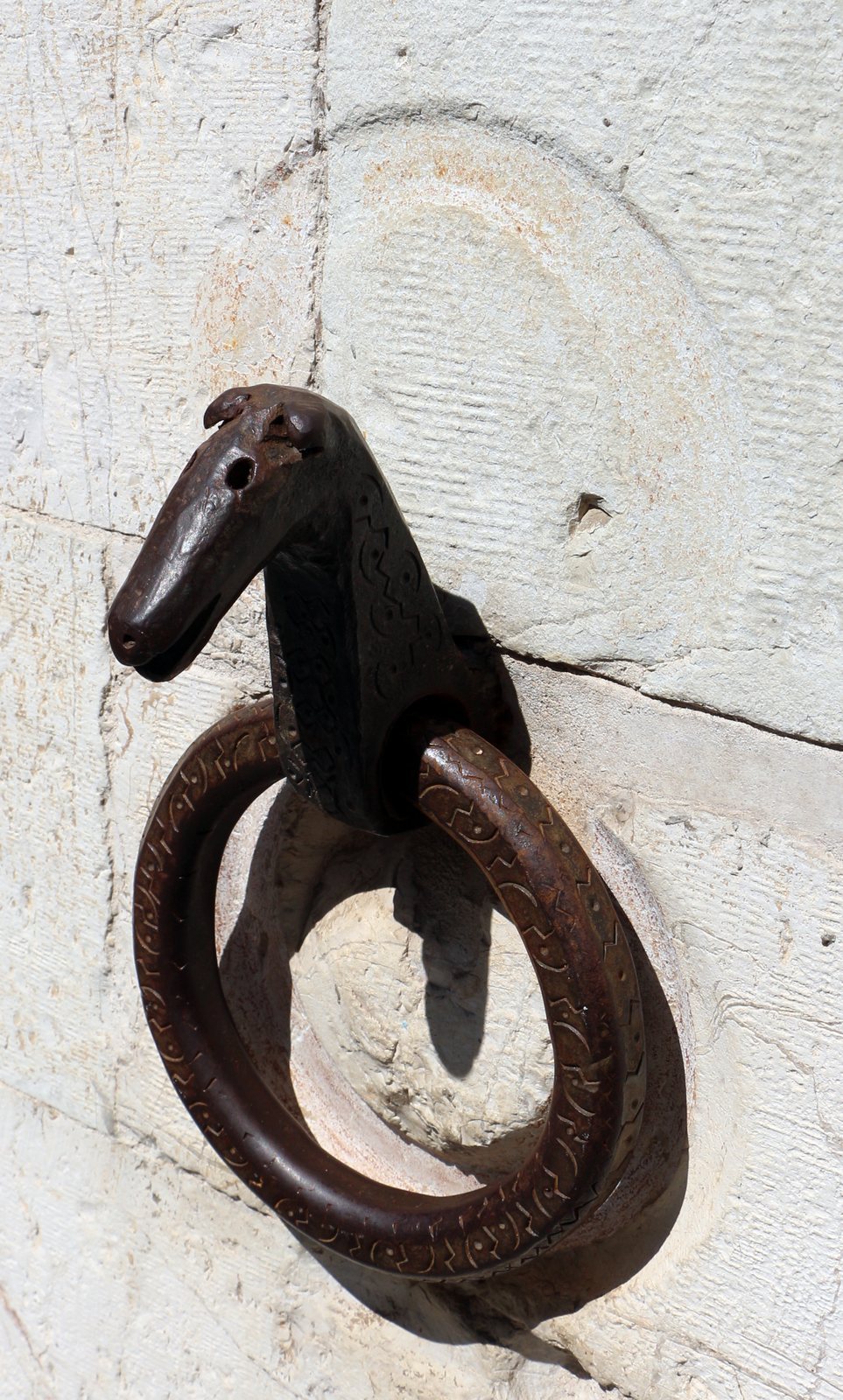
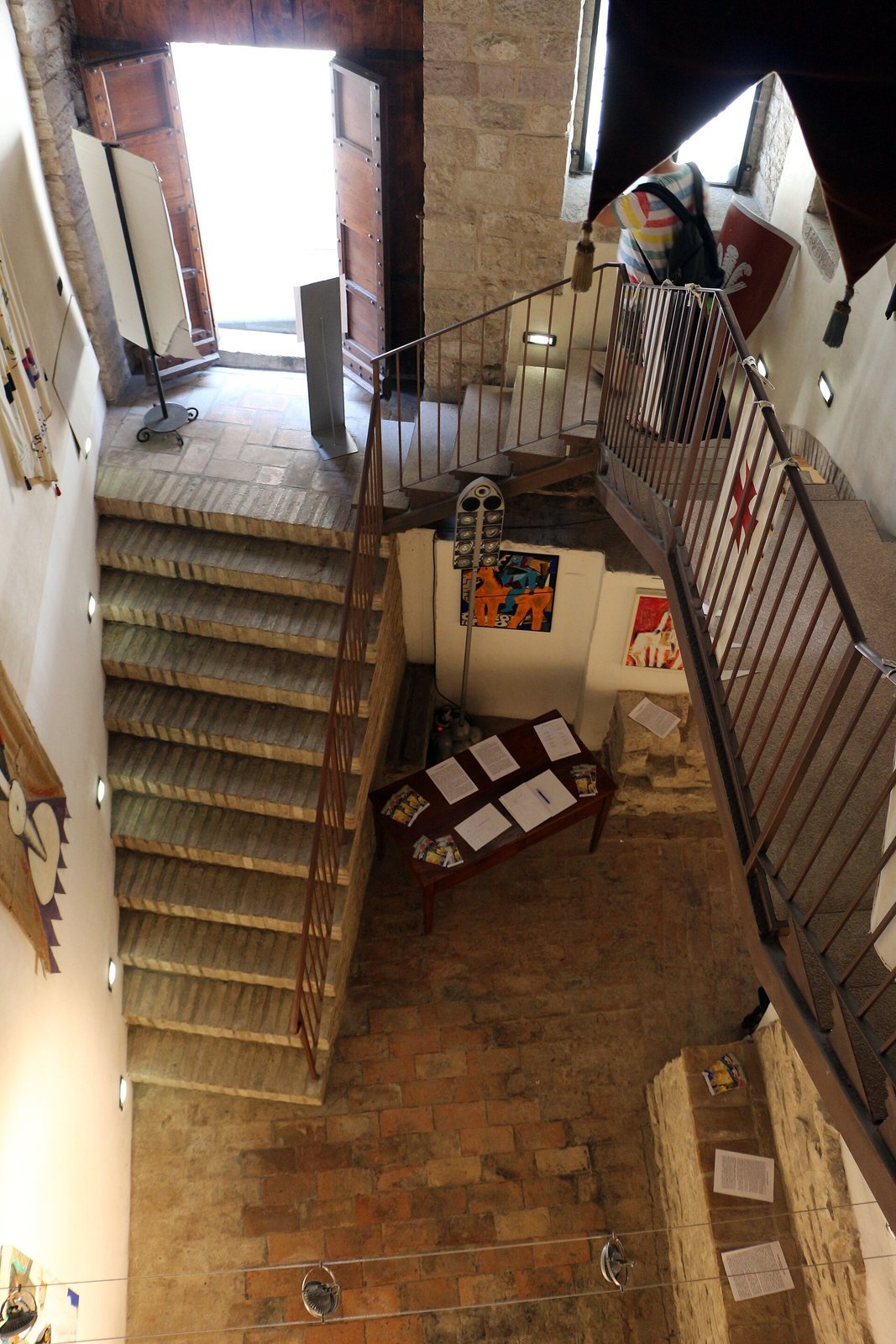
Site at a Glance
- Popularity
- Medium
- Country
- Italy
- Primary era
- Medieval
- Eras represented
- Medieval
- Civilizations
- Papal States
- Site type
- Civic
- Remains
- Palace
On this page6 sections
History
Civic origins
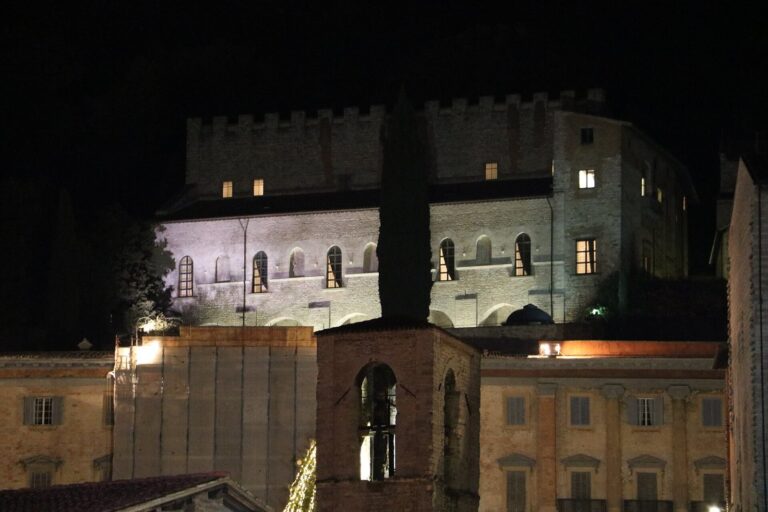
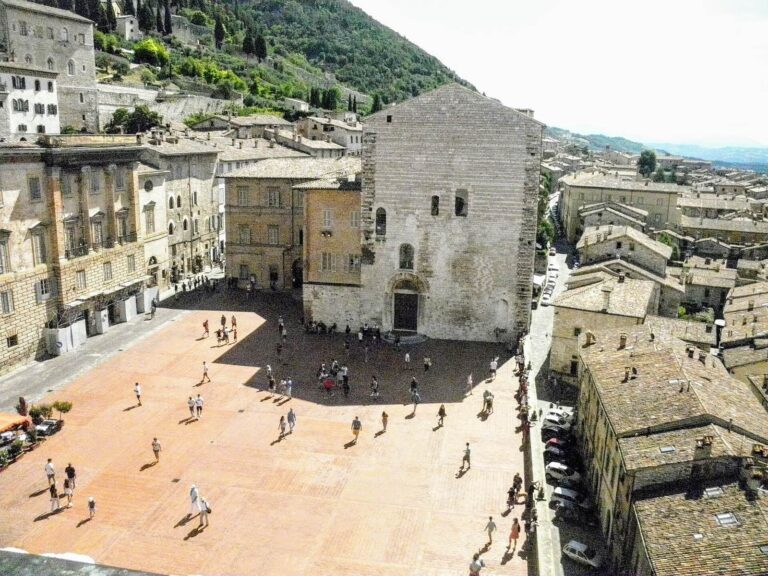
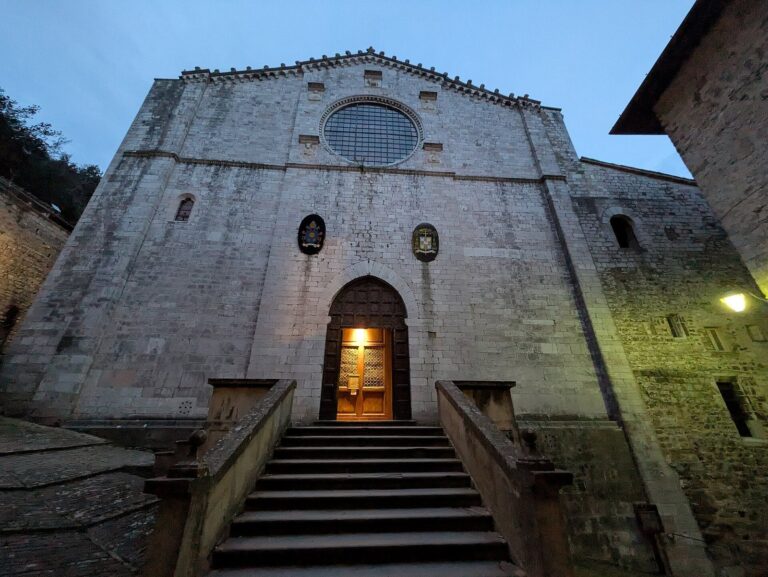
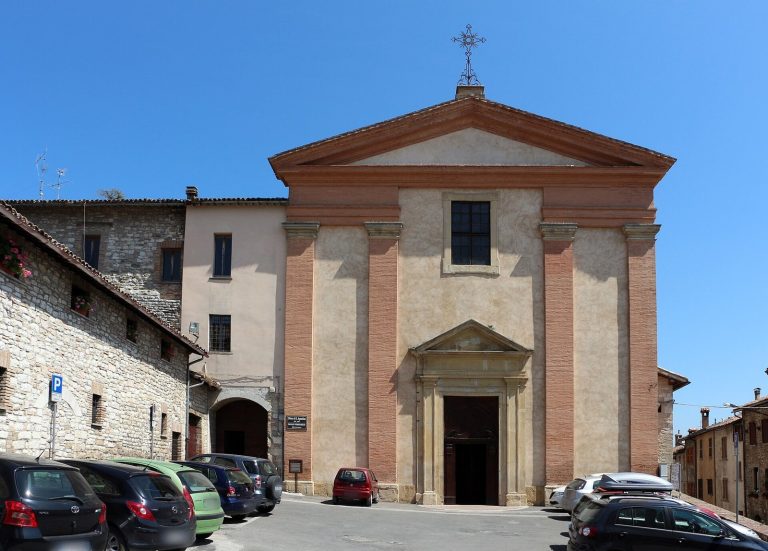
Palazzo del Bargello is a Gothic civic palace in Gubbio, Italy, built around 1302 to house the city’s police chief and offices. Its name refers to the Bargello, the local police chief, and tradition identifies the palace as his residence. The building stands beyond Gubbio’s early medieval walls. Across the street, the 13th-century church of San Giuliano adjoined one stretch of the wall; the church also gave its name to a nearby gate and district.
Changing use and local tradition
As rule by a lord or ruling family took hold in Gubbio and conflicts among local families eased, the palace’s narrow side entrance was closed for convenience. A nearby entrance formerly used for a warehouse served instead, and the smaller doorway was later reopened for the possible passage of a coffin.
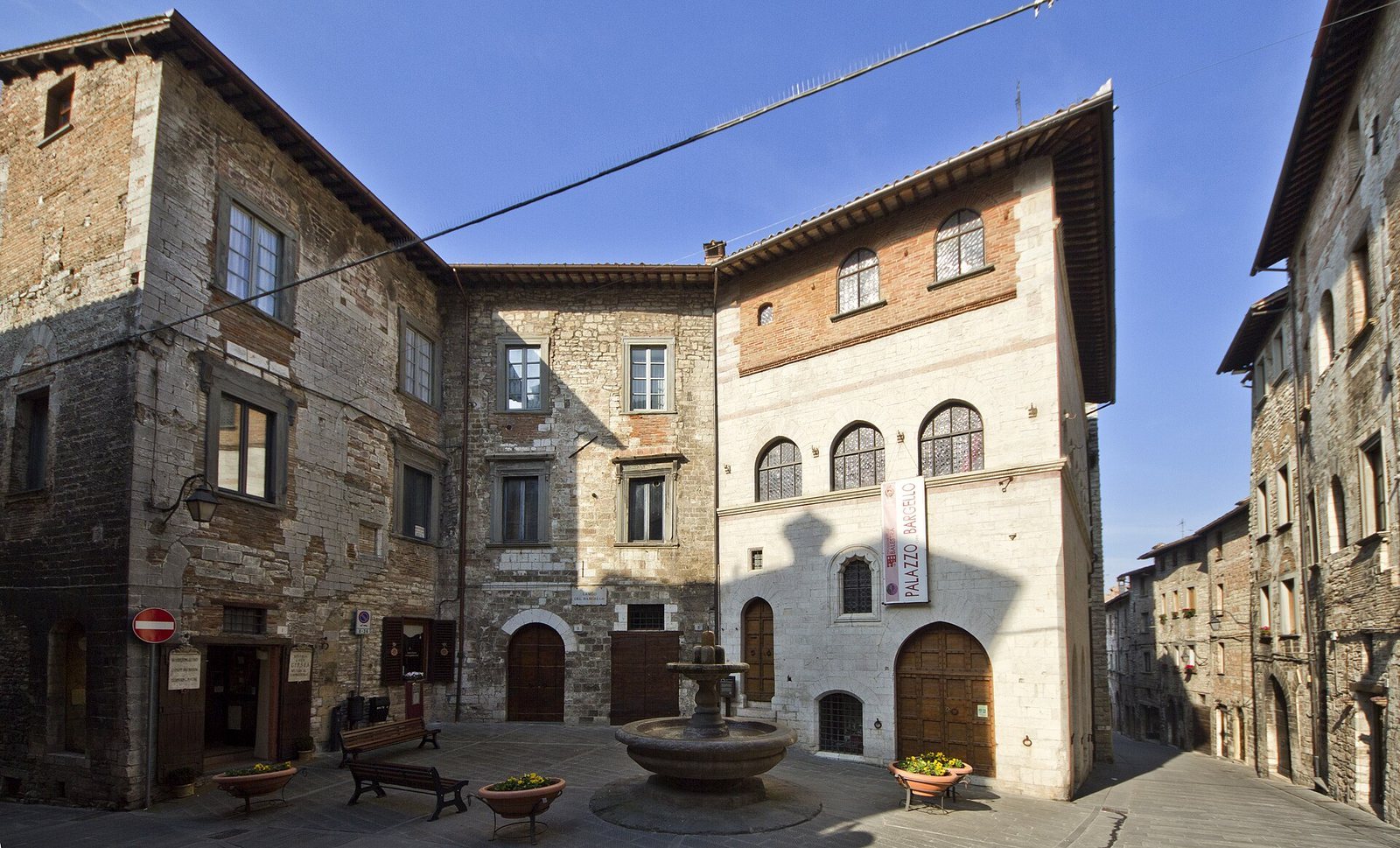
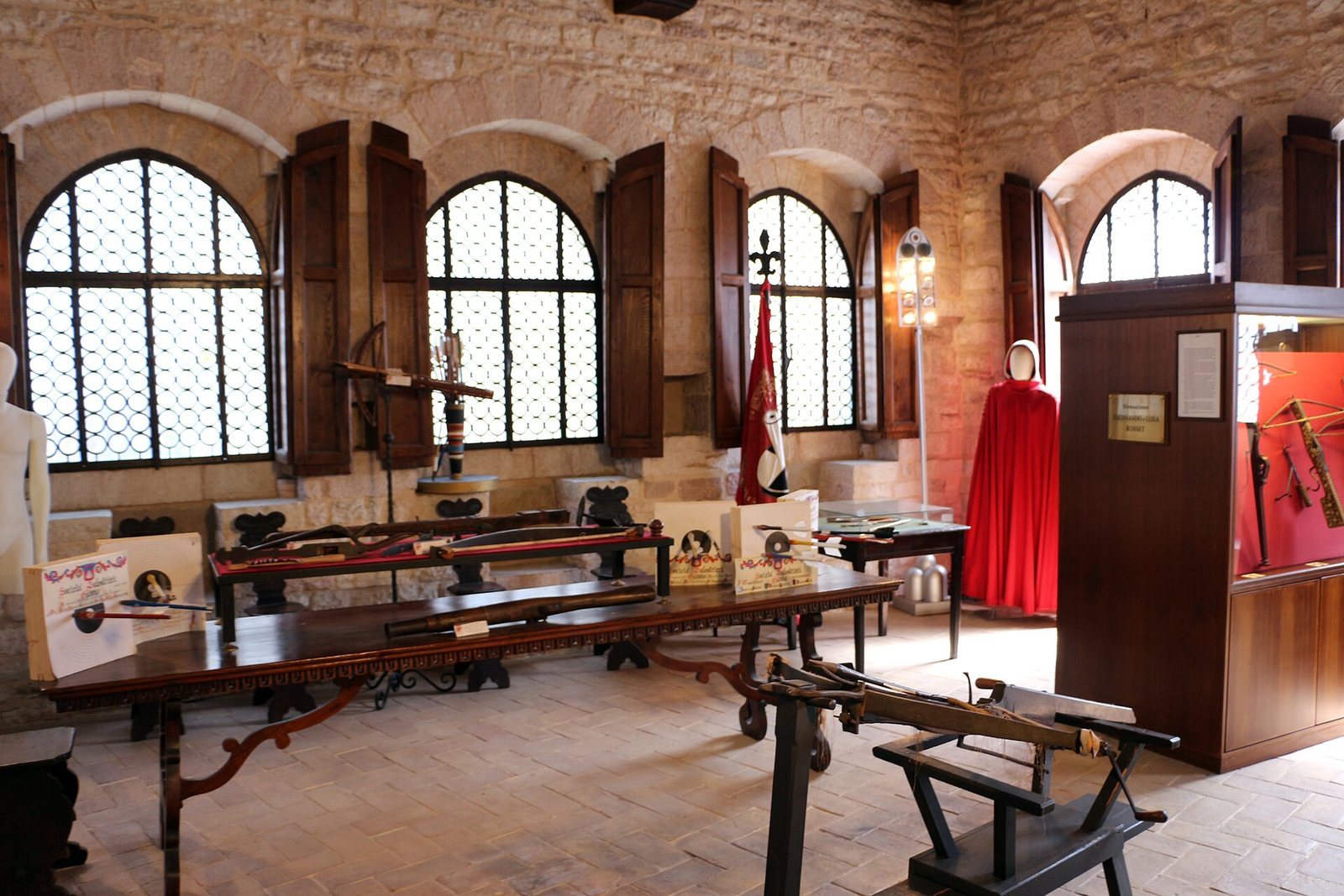
The palace now houses the Gubbio Crossbowmen’s Society and a museum devoted to the crossbow. In front of it, a fountain dating to the 16th century was rebuilt in 1862. A local custom, still practiced, holds that a stranger who runs around the fountain three times while others splash water on him gains Gubbio citizenship and the honorary title “Madman of Agobbio.” Agobbio is an older name for Gubbio; “madman” here describes a playful eccentric, reflecting traits attributed to the people of the city. A license associated with the custom may also be granted for a fee.
Remains
Palace
The three-storey palace stands on Via dei Consoli at Largo del Bargello in Gubbio’s medieval centre. Its Gothic exterior is well preserved and faced with cut stone throughout. Horizontal decorative bands mark the levels, and one window has a stone support with a curved end. Two entrances served different parts of the building: the principal doorway opened to shops and cellars, while the smaller one gave access to the apartments. Set beside the larger portal, the narrow doorway has a threshold slightly above street level and is traditionally called the “door of the dead.” Another interpretation is that it was an everyday entrance to the living quarters, secured at night by removing a wooden step.
Fountain
The fountain opposite the palace is topped by five mountains and a lily, the heraldic emblem of Gubbio.