Palazzo dei Principi Natoli: A Princely Residence in Torre Archirafi
Site at a Glance
- Country
- Italy
- Primary era
- Early Modern
- Eras represented
- Early Modern
- Civilizations
- Kingdom of Sicily
- Site type
- Domestic
- Remains
- Elite Residence
On this page7 sections
History
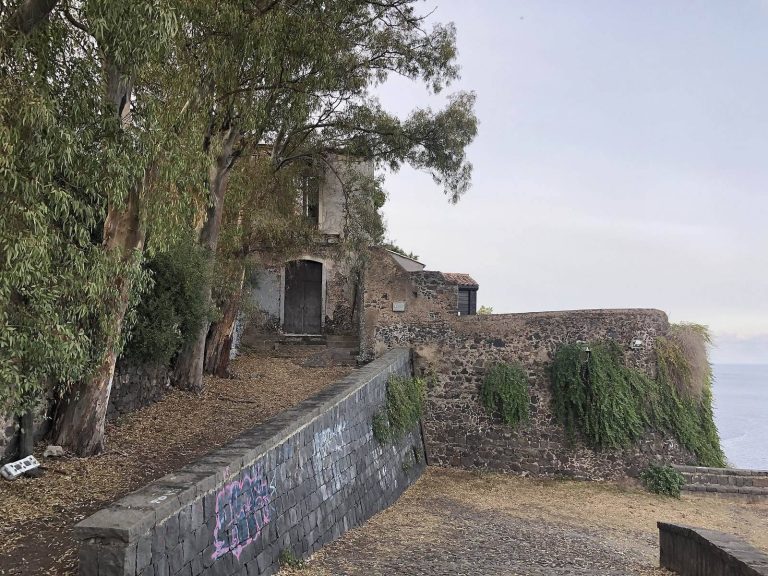
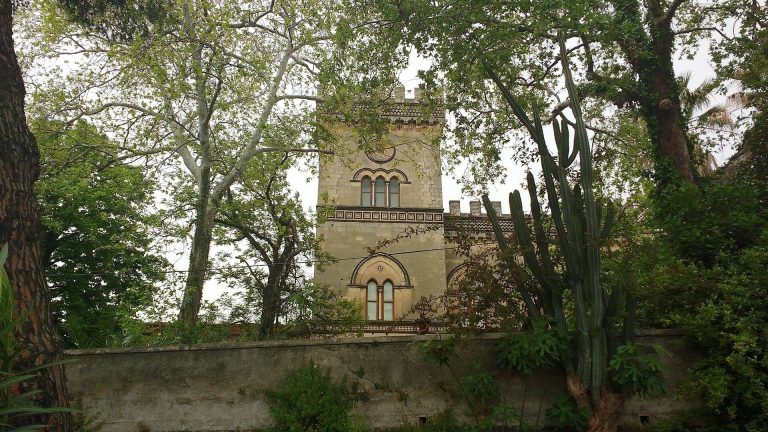
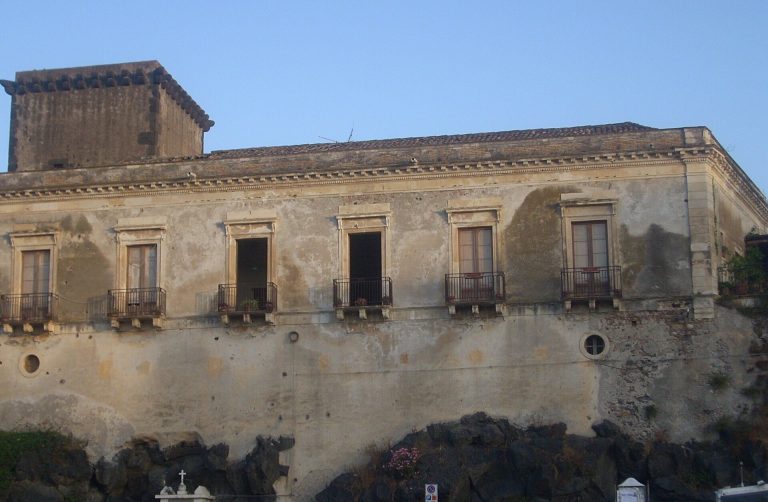
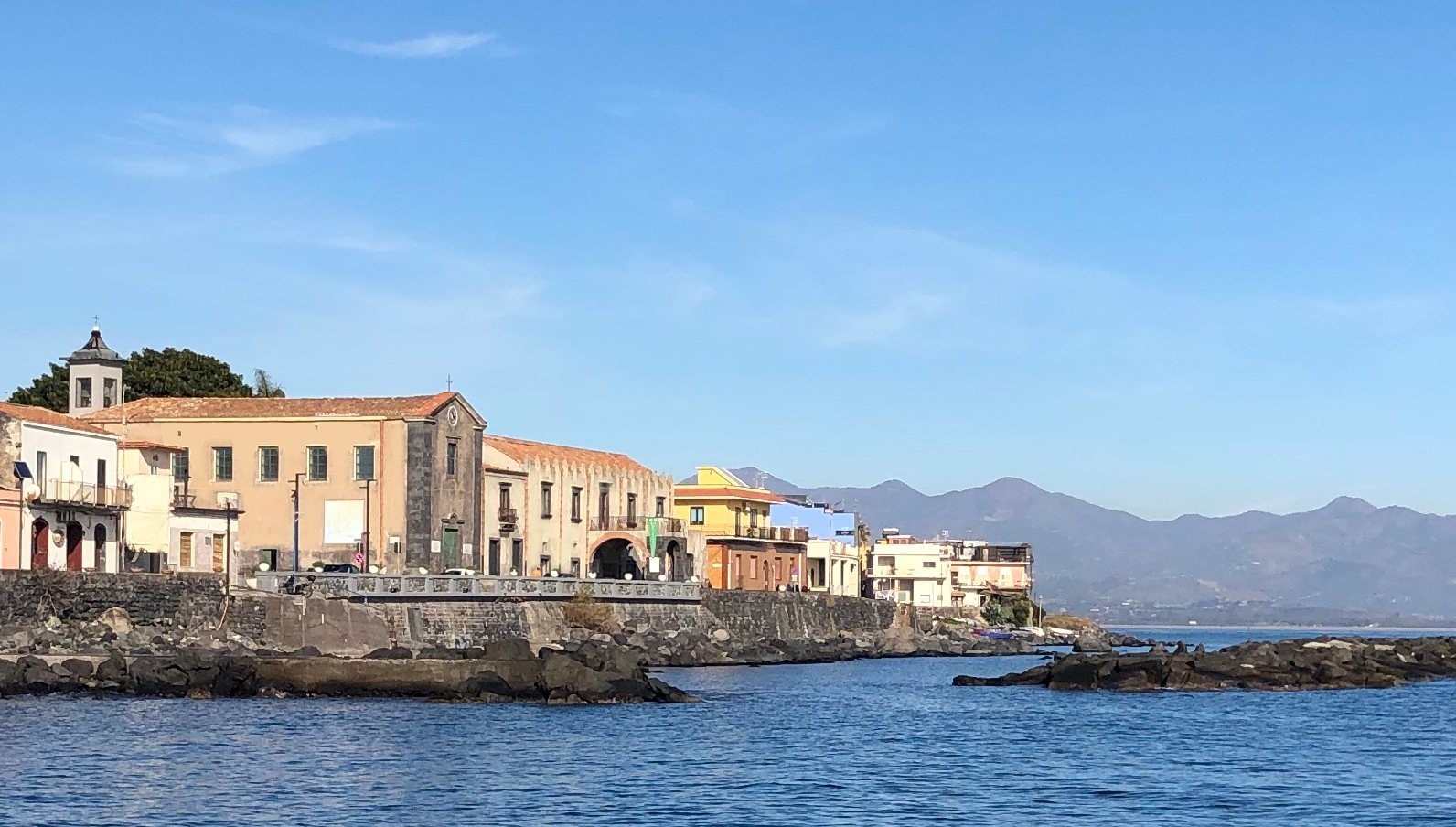
Palazzo dei Principi Natoli, also known as Palazzo Vigo, is a palace in Torre Archirafi, near Riposto in Sicily, Italy. Prince Francesco Natoli acquired land there around 1720 and commissioned a residence, which his son Giovanni II Natoli Ruffo Sperlinga completed in 1741. The palace combines Baroque forms, known for elaborate, dramatic design, with Neoclassical elements inspired by ancient Greek and Roman architecture. It became Giovanni’s residence after he received the title Duke of Archirafi.
A ducal residence and a growing settlement
On 24 May 1741, Charles granted Giovanni the dukedom. Charles ruled Naples and Sicily as Charles VII and later became Charles III of Spain. Giovanni’s palace stood beside a settlement that took its name, Torre Archirafi, from a medieval coastal tower built to defend against pirate attacks.
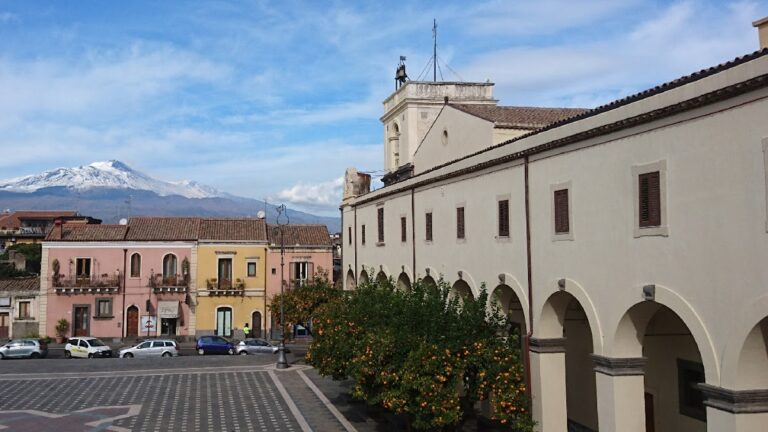
A small church beside the palace was completed by 14 May 1741 over an earlier church structure. It was consecrated in 1743 and enlarged in 1840. In 1922, it became Torre Archirafi’s parish church and was dedicated to Our Lady of the Rosary. After the earlier coastal tower collapsed, Giovanni had it rebuilt at a safer location in 1762. An inscription on the tower recorded the rebuilding and the wish to preserve the name it had given the settlement.
Later ownership and use
After Giovanni died in Messina in 1769, the palace passed to Francesco Moncada Natoli and the Vanni family. The Gallodoro family owned the palace and its grounds in the early 20th century.
The palace was restored in 1762 and again in 2016. It is now used as a museum.
Remains
The palace and the small church beside it make up the architectural features described here. The palace is built of stone and brick, and its design brings together Baroque and Neoclassical elements.
Palace and church
Palace
The palace’s stone-and-brick construction forms a princely residence whose architectural character combines elaborate Baroque design with Neoclassical references to ancient Greek and Roman architecture. It was restored in 1762 and 2016 and is used as a museum.
Church beside the palace
The small church stands beside the palace. Its dedication inscription commemorates Mary, the Virgin Mary, as protector of the people of Messina. The inscription also states that Giovanni completed and endowed the church in fulfilment of his father Francesco’s intention.