Palazzo De Lieto: Maratea’s First Hospital and a Cultural Venue
Site at a Glance
- Rating
- 4.3
- Popularity
- Low
- Country
- Italy
- Primary era
- Early Modern
- Eras represented
- Early Modern
- Civilizations
- Kingdom of Naples
- Site type
- Civic
- Remains
- Hospital
On this page9 sections
History
Hospital foundation
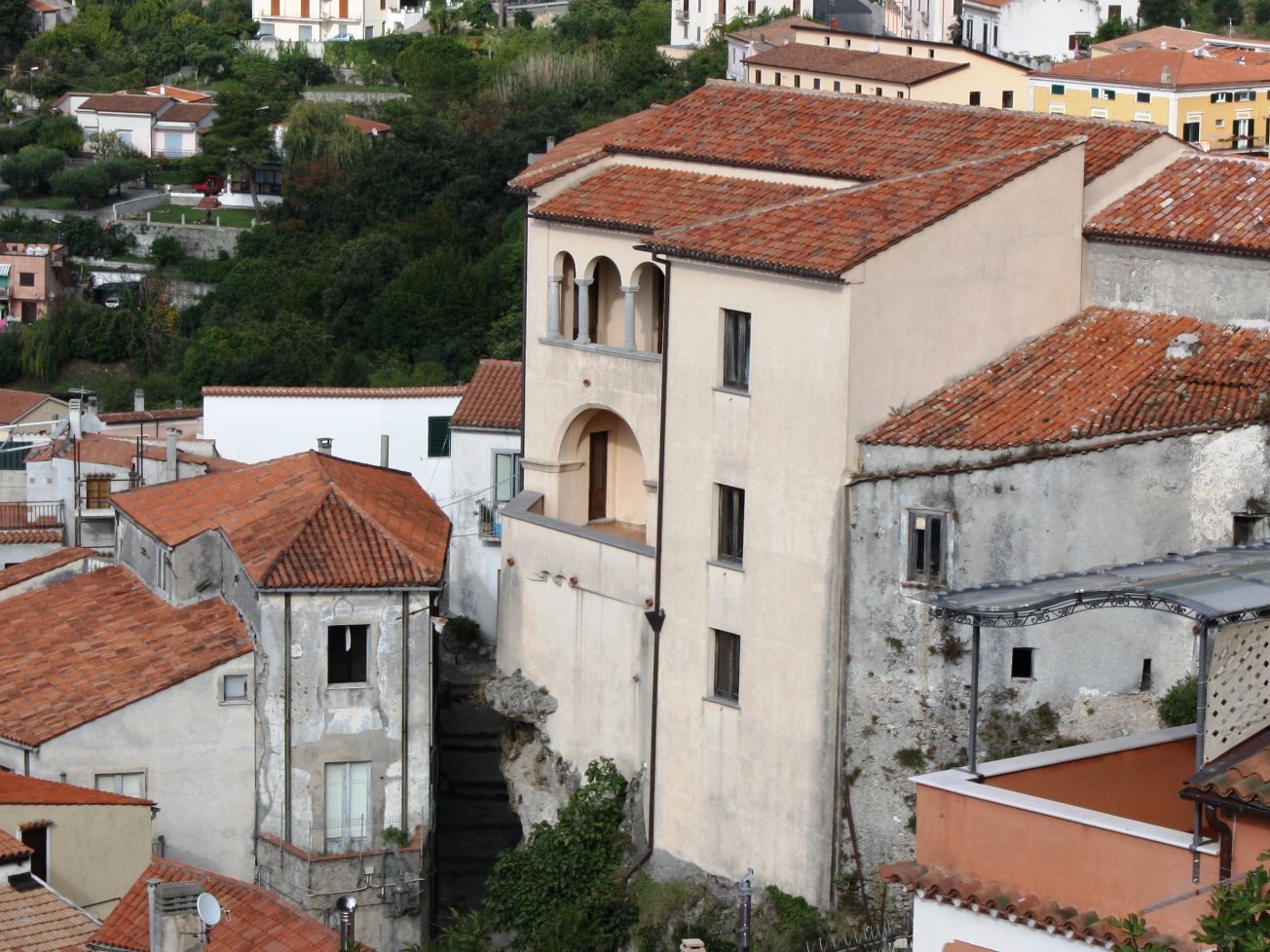
Palazzo De Lieto is an eighteenth-century palace in the old town of Maratea, Italy, commissioned in 1734 to house the town’s first hospital. Giovanni De Lieto commissioned and paid for its construction.
Hospital use and relocation
During the nineteenth century, the hospital became a district hospital. In the following century, it moved to the former Paolotti convent, and the palazzo was abandoned.
Restoration and cultural use
The building was restored in the 1990s for use as an exhibition venue. It now hosts cultural activities and a permanent exhibition of underwater archaeology. From December 2014, the Ministry of Cultural Heritage and Activities managed the palazzo through the Basilicata Museum Hub, a regional public museum-administration body. In December 2019, the Hub became the Regional Directorate of Museums.
Remains
Building and interior
The two-storey palazzo stands on a large rocky outcrop. Its surviving features include the entrance portal, large halls with fireplaces, and long open-sided galleries on the upper floor.
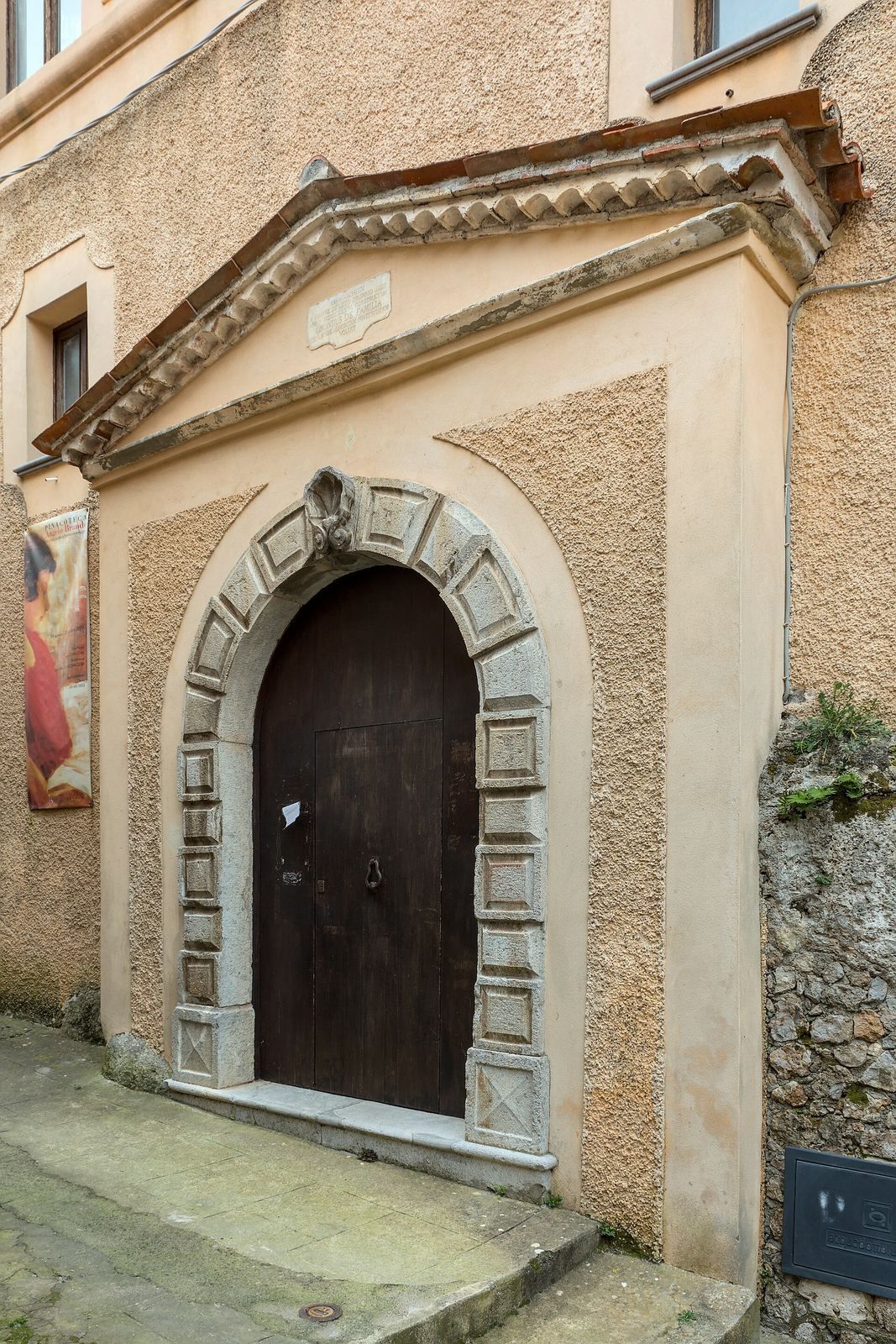
Stone portal
The original stone portal remains in place, with a large wooden door. Horizontal elements above the entrance are made of stone and volcanic rock, while squared stones form the side supports and arches. The De Lieto family coat of arms appears on the central stone at the top of the arch. Above the pediment’s central field, a plaque commemorates the hospital’s construction at Giovanni De Lieto’s expense in 1734. Its inscription says that Oronzo, a member of the same family, placed it to preserve the memory for posterity.
Halls and upper galleries
The large halls contain fireplaces, some of which retain their original form. Long open-sided galleries run along the upper floor, divided by arches with shaped stone side supports.
Underwater archaeology exhibition
The permanent exhibition includes Roman-period anchors and amphorae recovered from the seabed off Maratea, particularly near Santo Janni Island.