Palais Hoyos: Otto Wagner’s Residence and Croatia’s Embassy in Austria
Site at a Glance
- Rating
- 4.5
- Popularity
- Very Low
- Country
- Austria
- Primary era
- Modern
- Eras represented
- Modern
- Civilizations
- Austria-Hungary, Habsburg
- Site type
- Domestic
- Remains
- Elite Residence
On this page4 sections
History
Construction and Wagner’s use
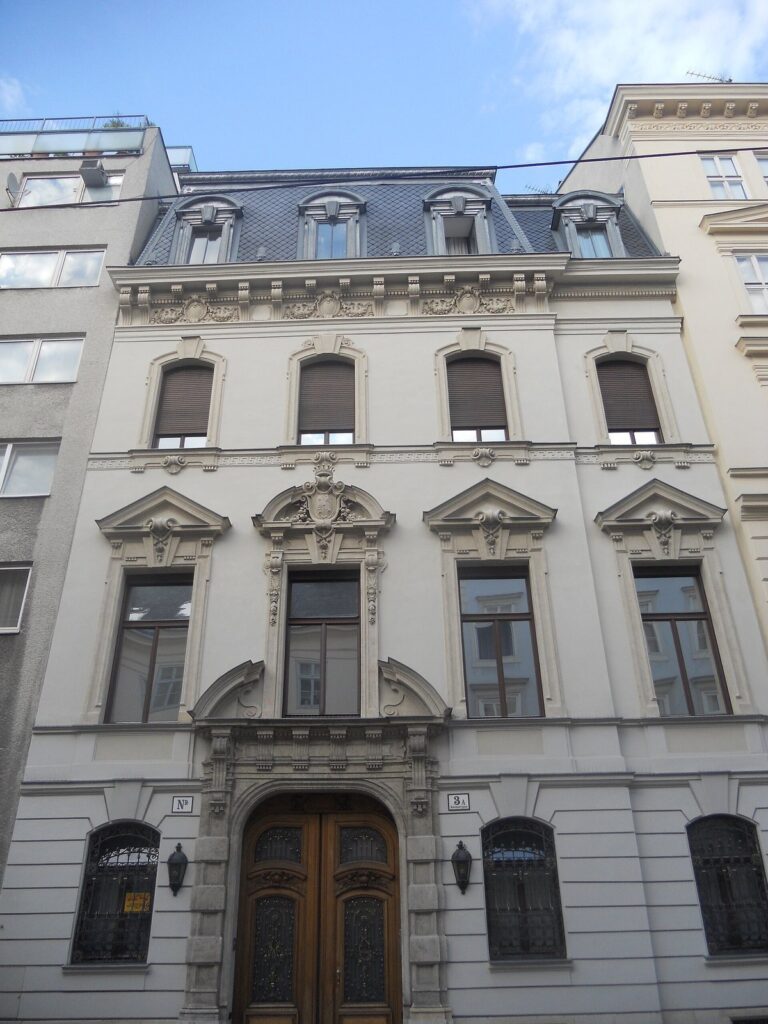
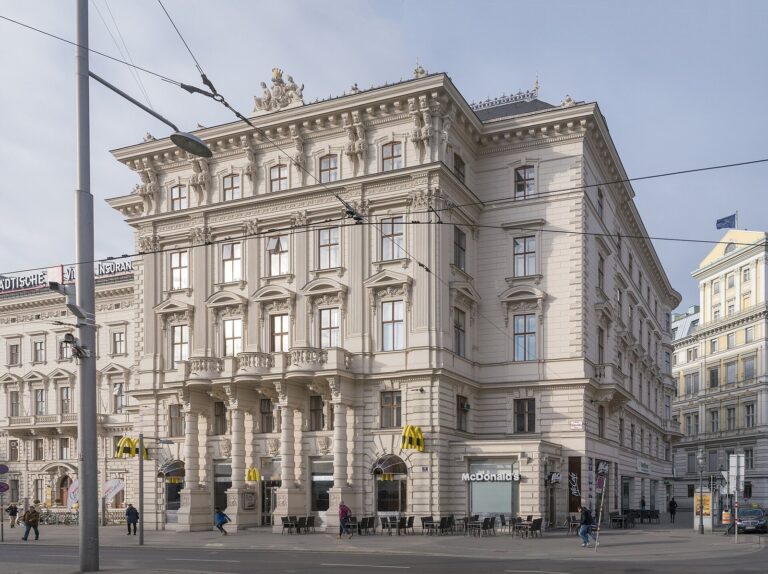
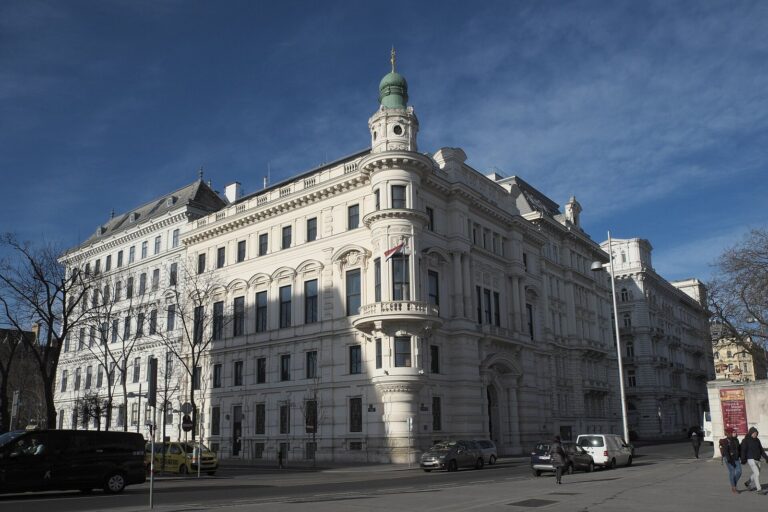
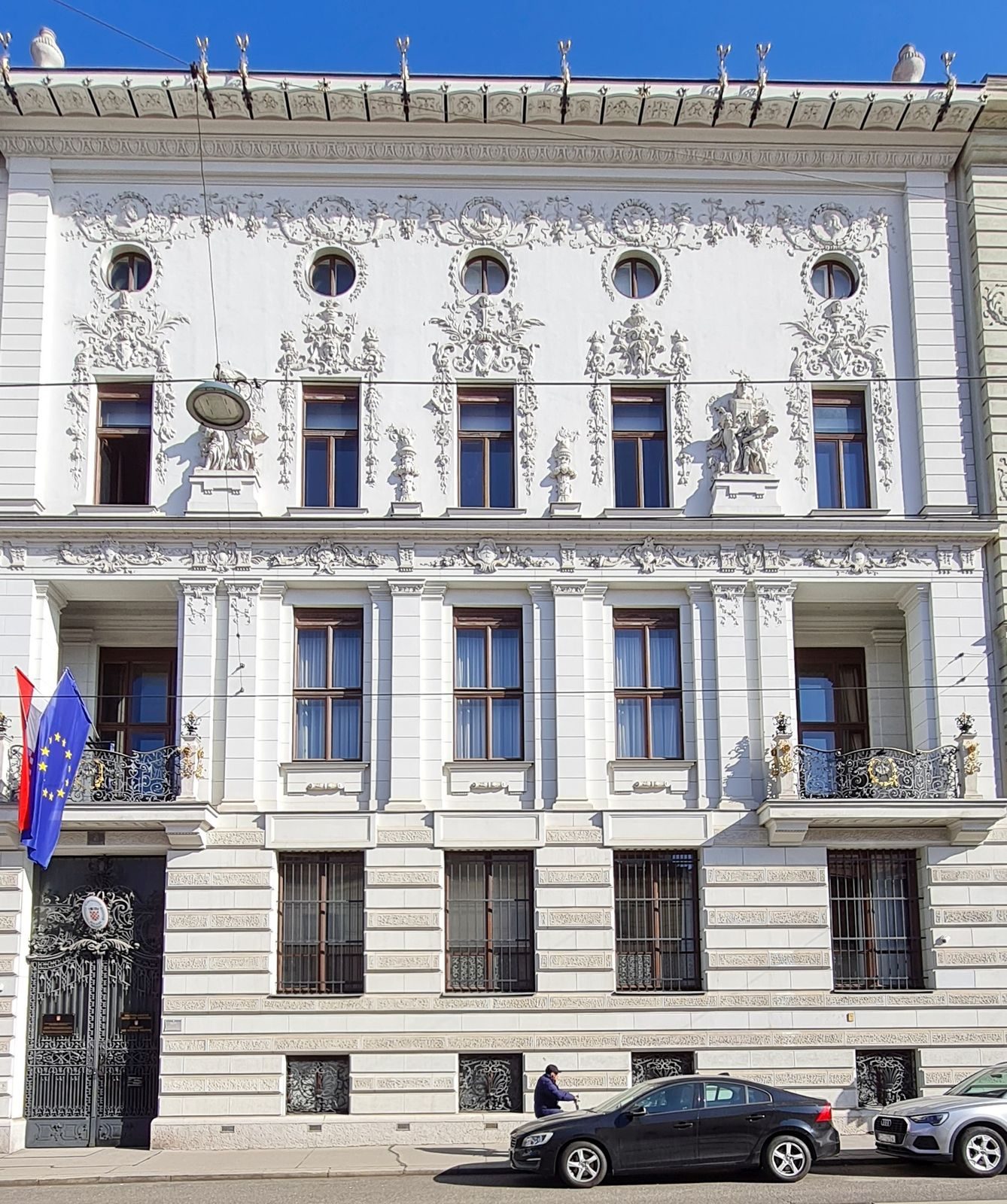
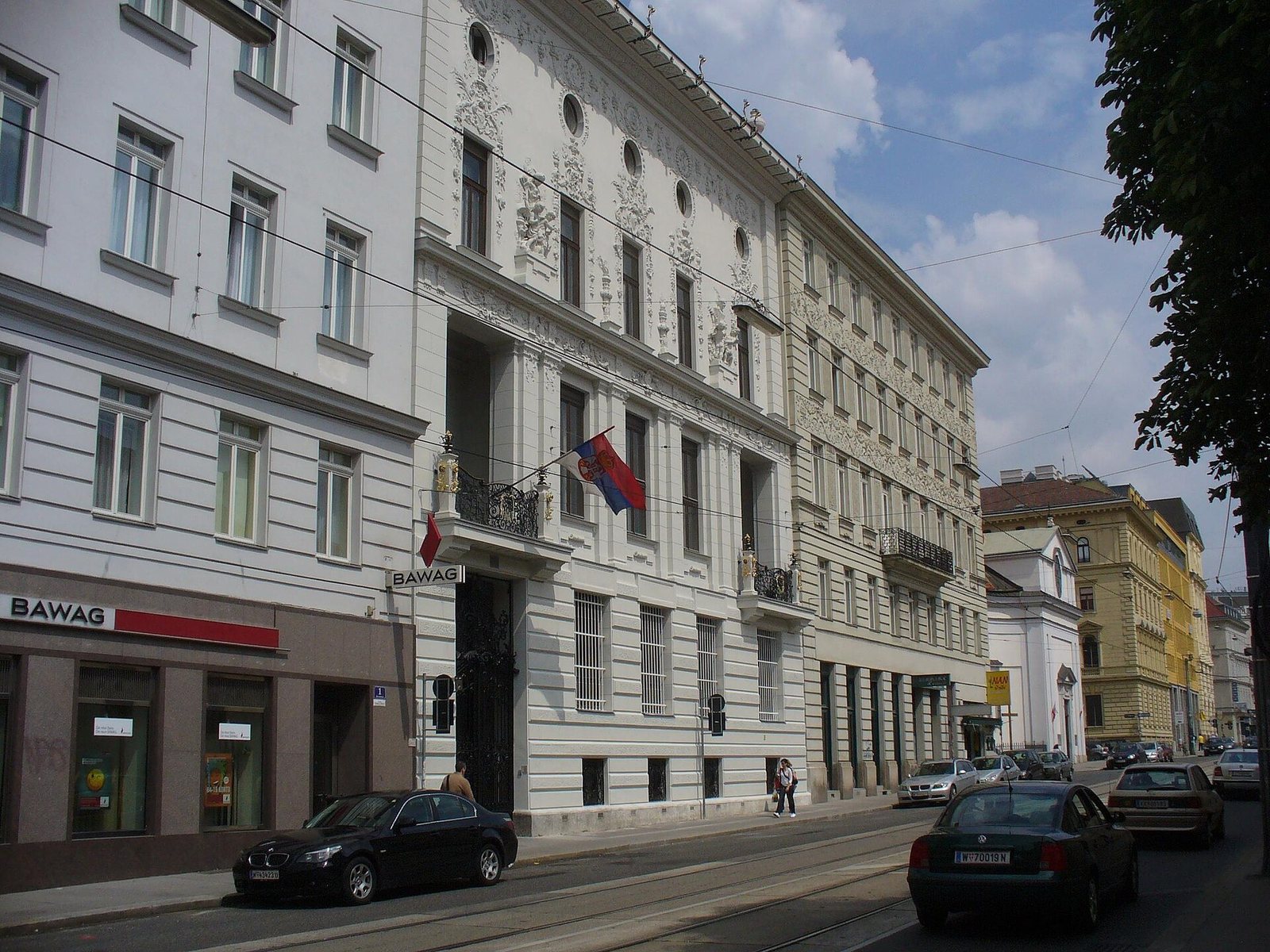
Palais Hoyos is a palace on Rennweg in Austria, built in 1890 by Austrian architect Otto Wagner as the middle building in a group of three houses. Its Historicist style drew on earlier architectural traditions. The group, and especially the palace, marked a decisive step in Wagner’s move away from Historicism toward modern architecture.
Before construction, the site had held Trinity Hospital. It later became barracks for the Imperial-Royal Polish Noble Guard, a Habsburg court guard formation, and then for the Arcièren Life Guard, another guard formation associated with the Habsburg court. Wagner used the completed palace as both his private residence and studio; the studio remained in use until 1894.
Private ownership and diplomatic use
In 1903, the palace was sold to the widowed Countess Marie Hoyos. The Hoyos family also owned a palace on the Ringstraße that is now the Hotel Bristol. In 1957, the family sold Palais Hoyos to Yugoslavia, which established its embassy in Austria there. After Yugoslavia broke up into successor states, the building passed to Serbia and served as the Serbian embassy.
The building underwent a thorough restoration in 2009. In 2011, following negotiations over the distribution of Yugoslav state property among its successor states, the palace was transferred to Croatia. Croatia’s Ministry of Foreign Affairs began a major renovation in 2013 to prepare the building for use as the Croatian embassy. Palais Hoyos now serves as Croatia’s embassy in Austria.
Remains
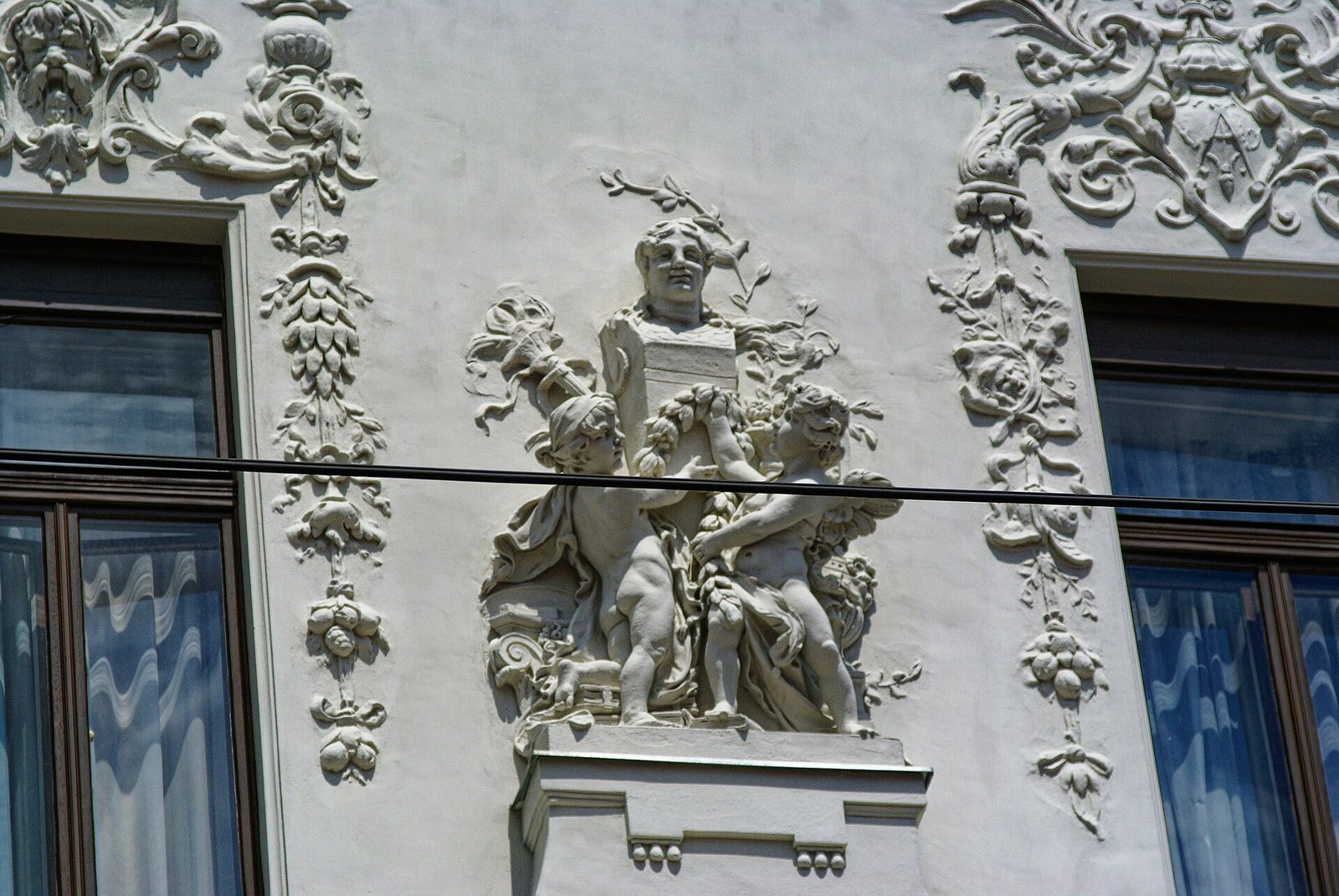
Palais Hoyos stands between the other two houses in Wagner’s group on Rennweg, at the address between Rennweg 1 and 5. Its façade combines Vienna Secession, an Austrian form of Art Nouveau, a modern movement known for decorative design, with Rococo, an ornate style that developed in the eighteenth century. Inside, the ground floor contained Wagner’s studio, the first upper floor held reception rooms, and the second upper floor contained private rooms.