Palacio de los Golfines de Arriba: A Fortified Palace in Cáceres, Spain
Site at a Glance
- Popularity
- Medium
- Country
- Spain
- Primary era
- Medieval
- Eras represented
- Medieval, Early Modern
- Civilizations
- Crown of Castile, Spanish
- Site type
- Domestic
- Remains
- Castle
On this page8 sections
History
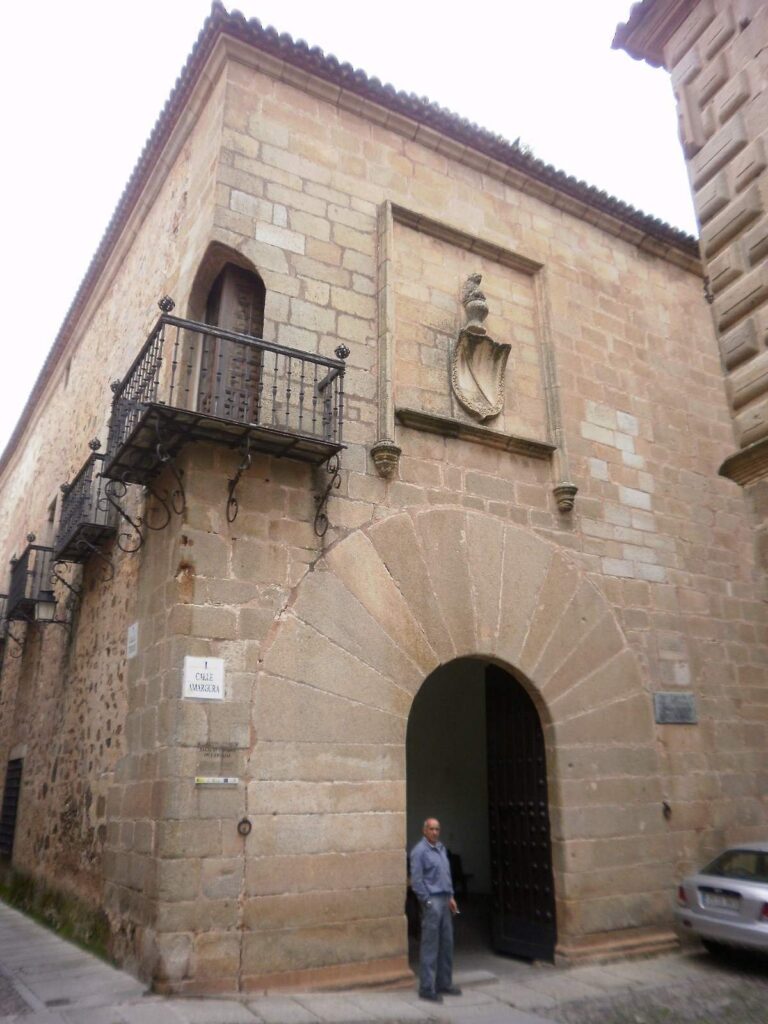
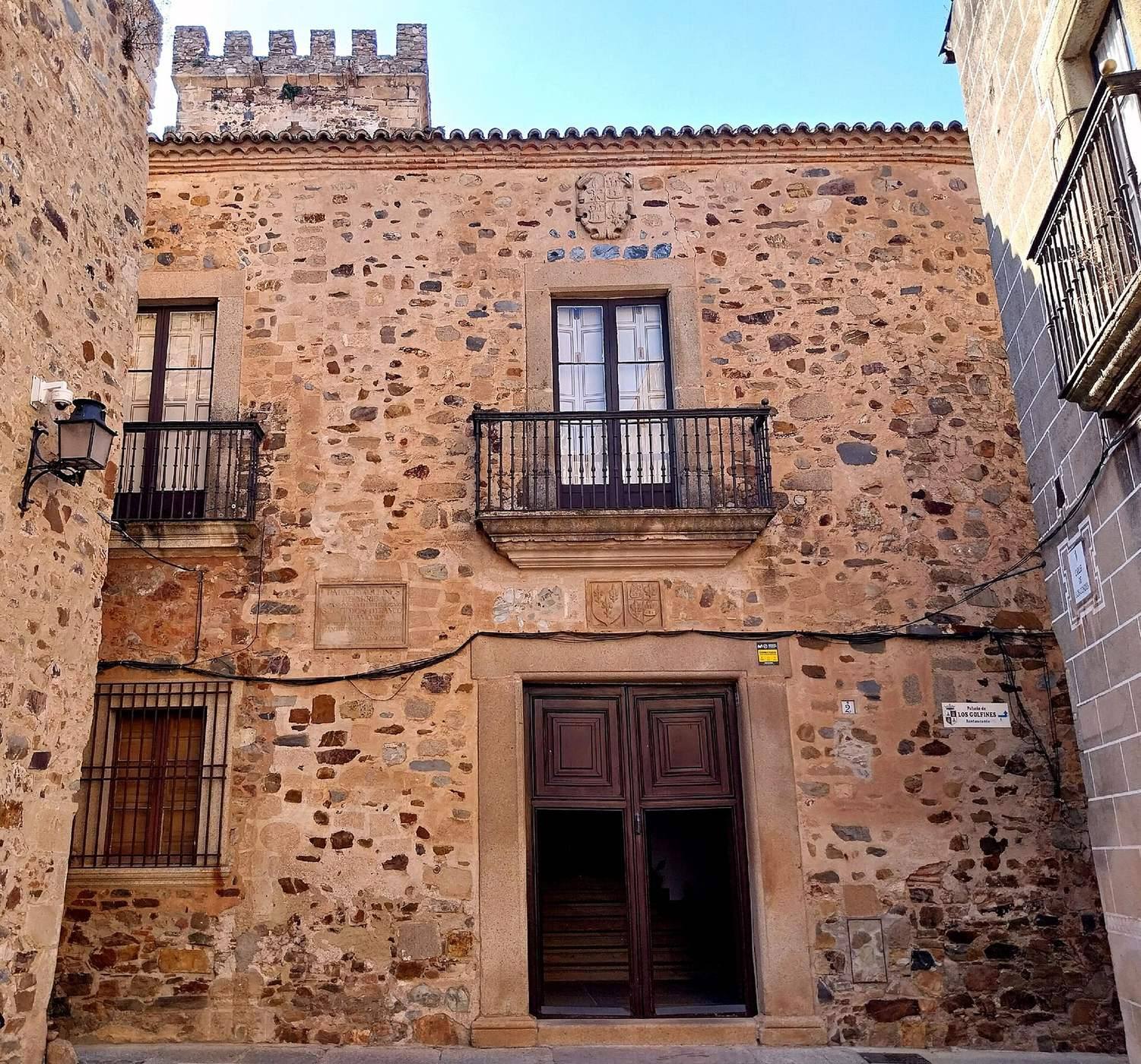
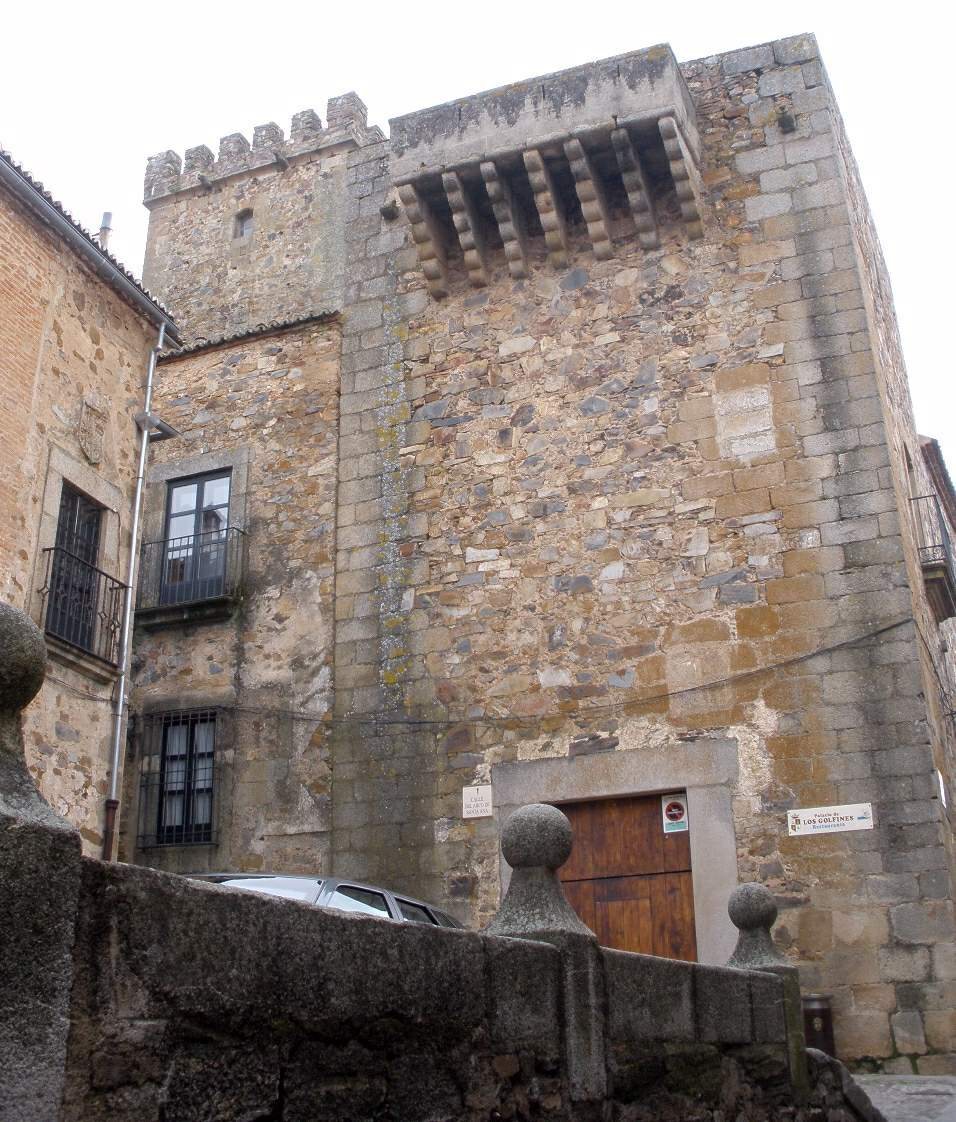
Palacio de los Golfines de Arriba is a medieval fortified palace in Cáceres, Spain, commissioned as a residence combining domestic and defensive functions. Isabel de la Cerda and her husband, García de Golfín, lord of Casa Corchada, began its construction, which continued through the fourteenth and fifteenth centuries. The palace forms part of Cáceres’s monumental ensemble.
Construction and the royal order
In 1506, Ferdinand V, also known as Ferdinand II of Aragon, ordered towers then under construction in Cáceres to be lowered. The palace’s central keep, the principal tower of a fortified complex, was built in 1513 and was spared the order.
Franco’s headquarters in 1936
During the Spanish Civil War, in which Francisco Franco led the Nationalist side, he selected the palace as his headquarters on 26 August 1936. He remained there for 38 days and was acclaimed head of state of the rebel zone before his official proclamation in Burgos. He later moved his headquarters to Salamanca.
Protected heritage
On 16 December 1977, the palace received Spain’s Property of Cultural Interest designation, a legal classification for protected cultural heritage.
Remains
Fortified layout
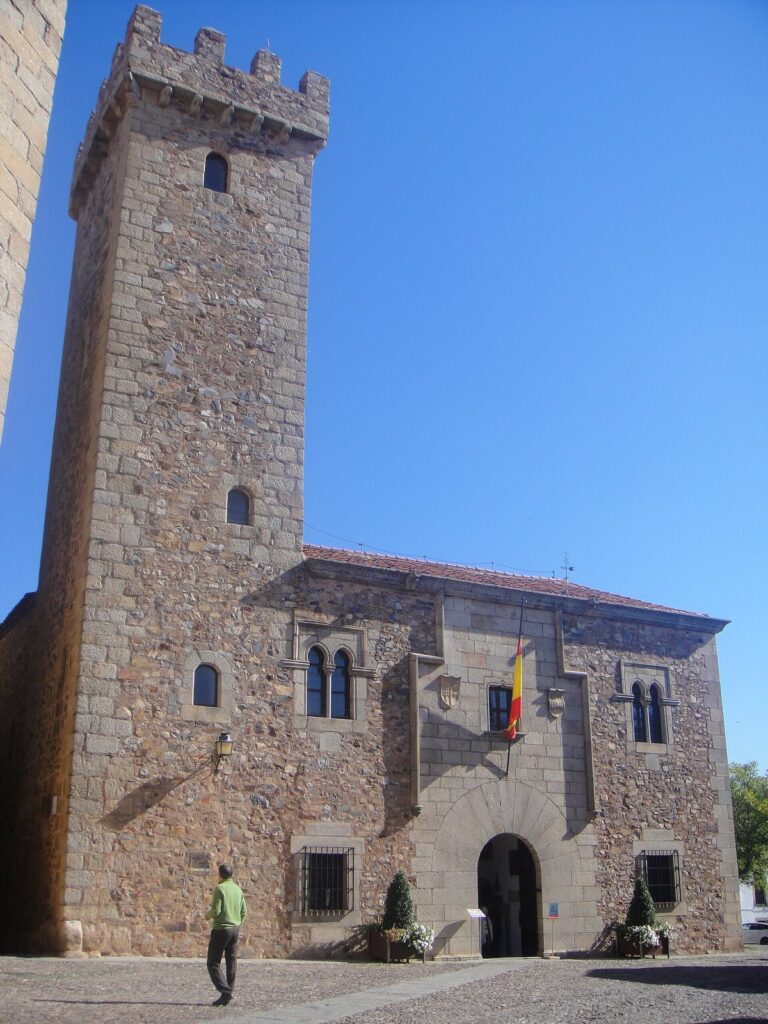
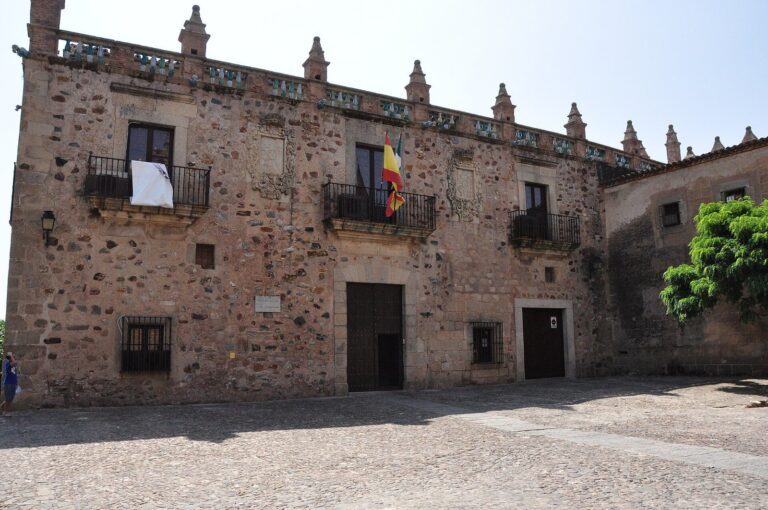
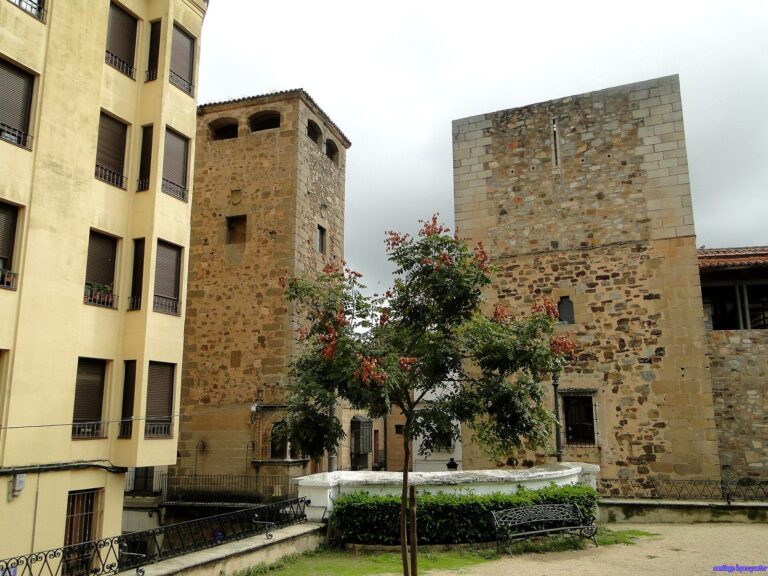
The palace covers more than 4,000 square metres and contains numerous rooms. Its original arrangement included four towers at the corners and a keep at the centre. The building is maintained in excellent condition.
Corner towers
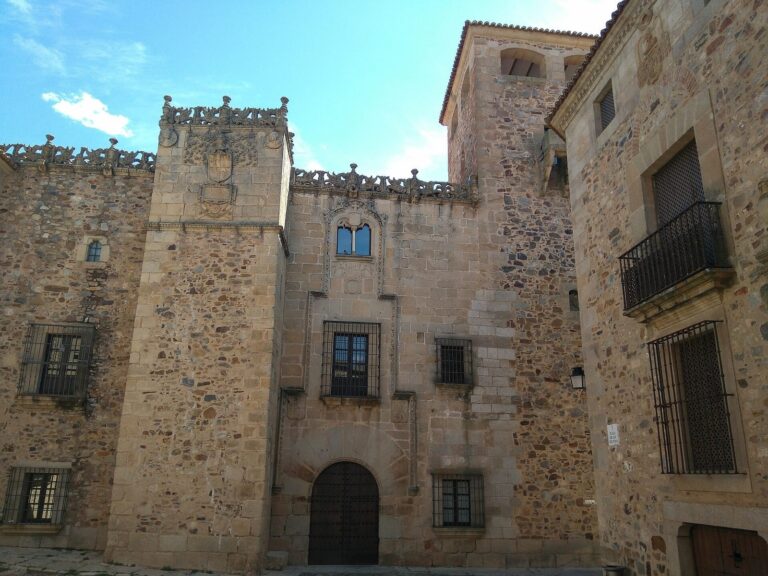
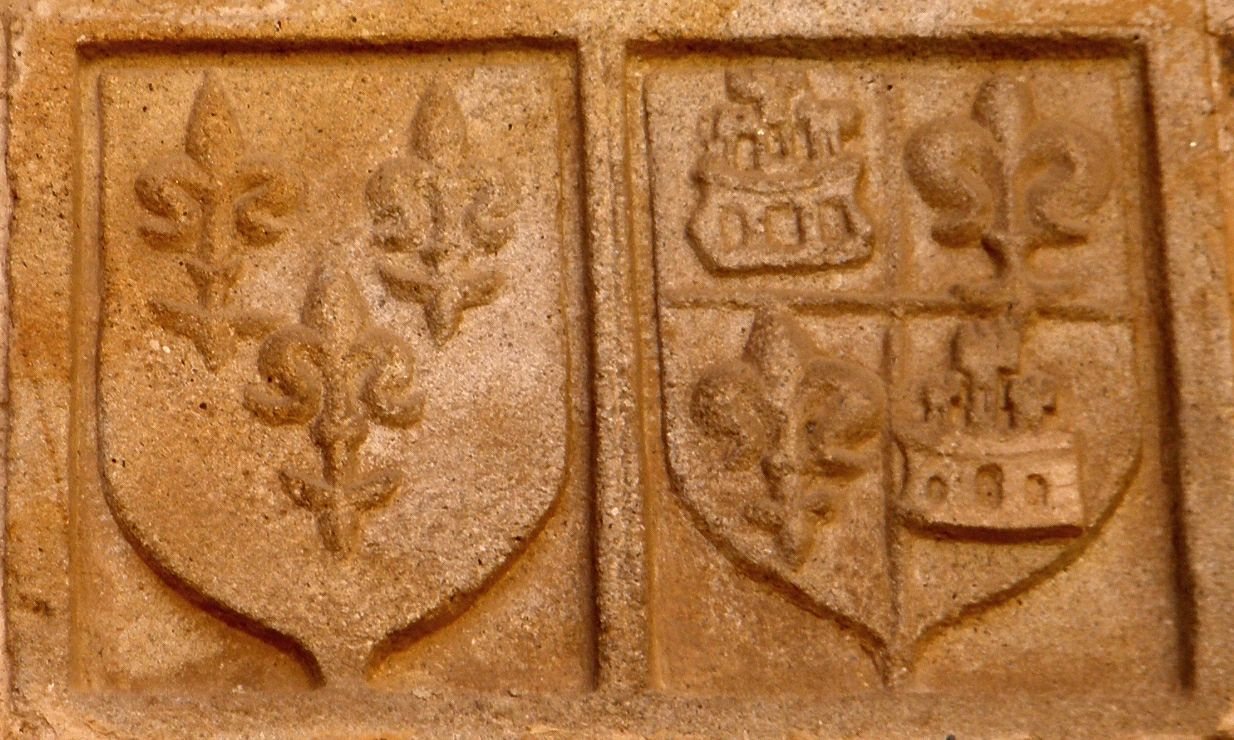
Three of the four original corner towers survive. Family coats of arms and heraldic shields remain visible on them.
Central tower
The palace’s central tower forms the core of its fortified layout.