Our Lady of the Assumption Cathedral, Elvas: A Manueline Cathedral in Portugal
Site at a Glance
- Popularity
- Low
- Country
- Portugal
- Primary era
- Early Modern
- Eras represented
- Early Modern
- Civilizations
- Portuguese
- Site type
- Religious
- Remains
- Cathedral
On this page16 sections
History
The earlier episcopal church
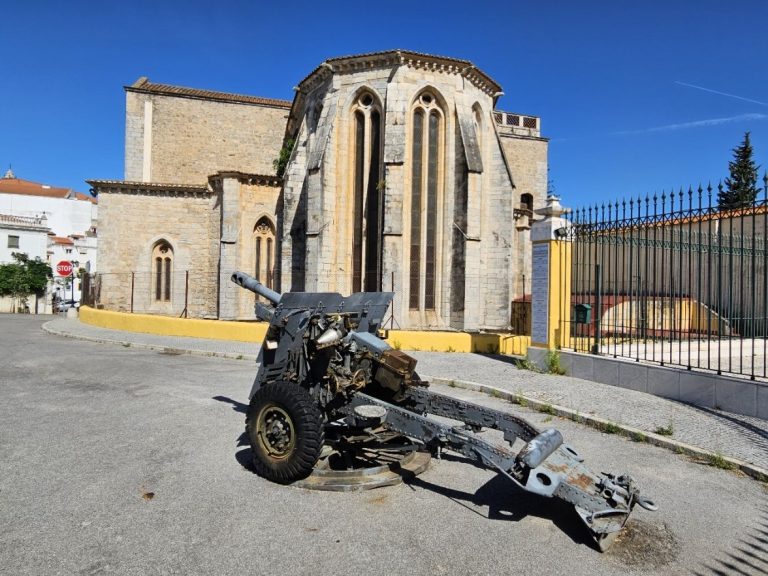
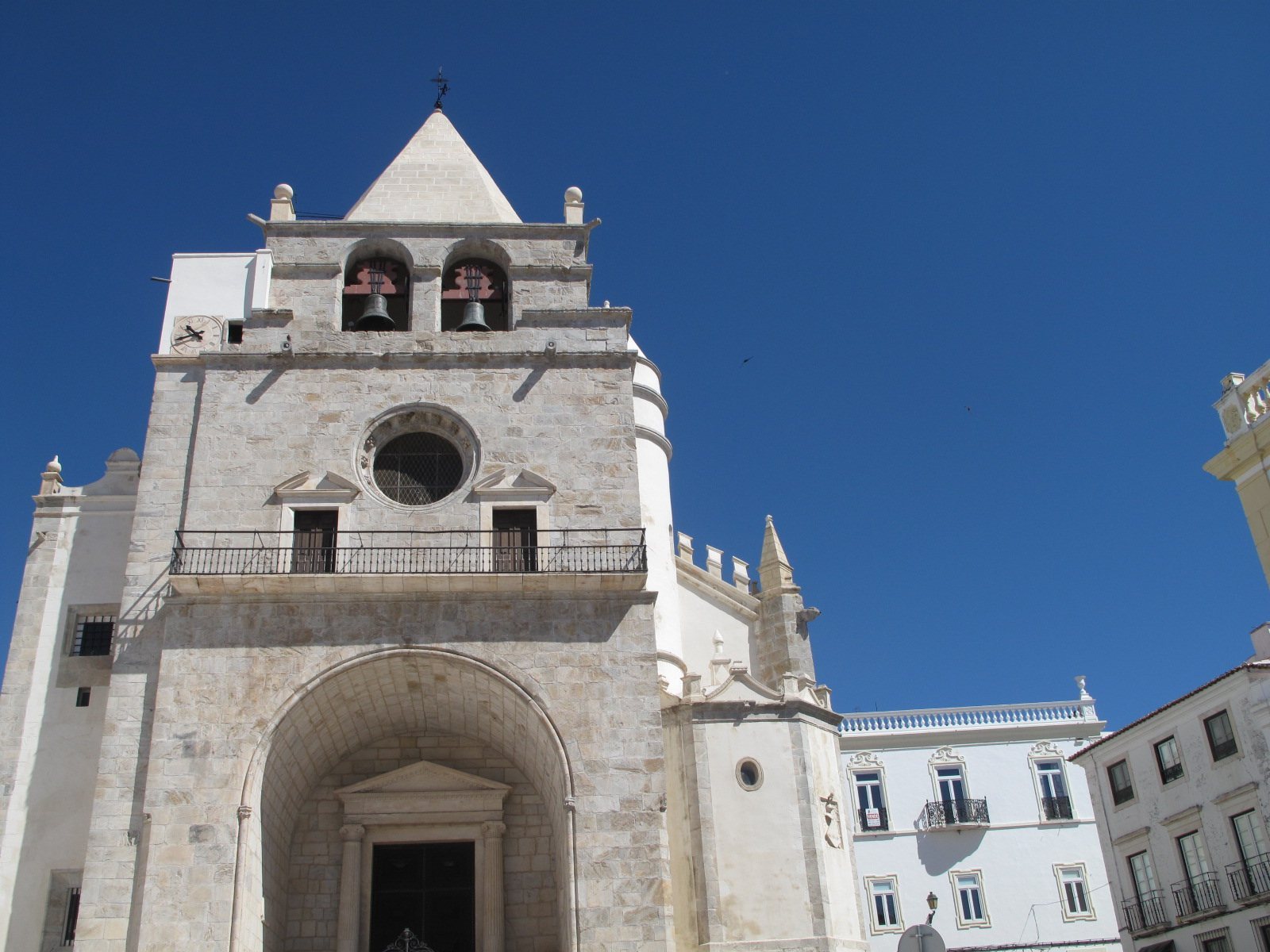
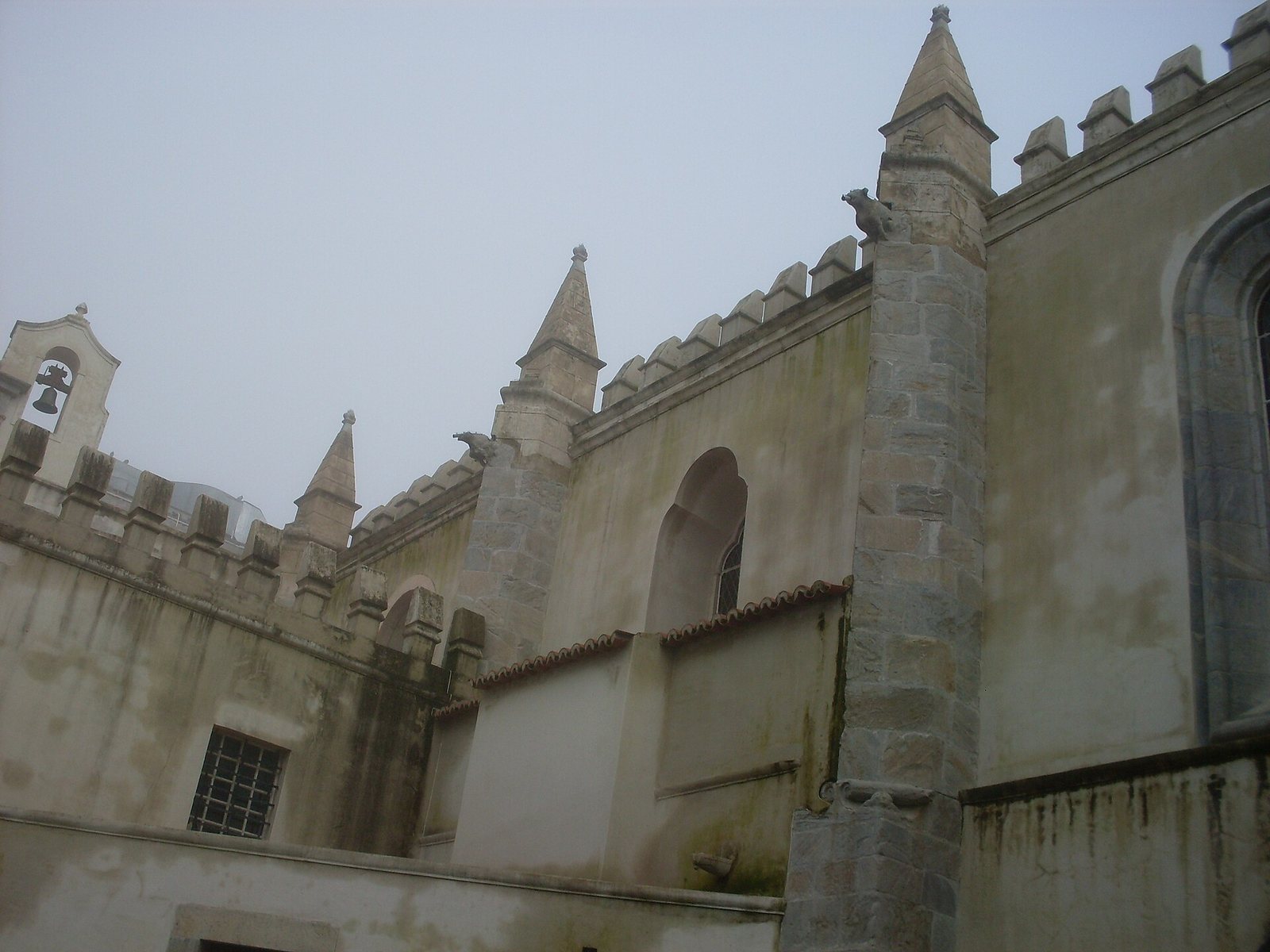
Our Lady of the Assumption Cathedral is a Catholic church on Republic Square in Elvas, Portugal, begun in 1517 in the Manueline style, a Portuguese late Gothic tradition associated with King Manuel I (1495–1521). Its construction replaced the town’s earlier episcopal church, Santa Maria dos Azogues. In the 13th century, that Gothic church served as Elvas’s episcopal seat after the town was occupied by Sueiro, Bishop of Évora.
Construction and the cathedral seat
The older church was demolished as work on its replacement began. The new building opened for worship in 1537, although construction continued until the end of the 16th century under master mason Diogo Mendes. Its plan called for a large church with a tower forming the façade, a design considered suitable for a frontier city.
In 1570, the church became the cathedral, or principal church, of the Diocese of Elvas, a territory administered by a bishop. It held that role until the diocese was dissolved in 1881, after which alterations to the church ceased.
Wartime use and later changes
During the Portuguese Restoration War, the conflict through which Portugal secured independence from the Spanish Habsburg monarchy, the cathedral served as a place of prayer for the safe return of thousands of soldiers engaged in the fighting.
Interior work during the 17th and 18th centuries introduced Baroque and Rococo elements, later European artistic styles. During the episcopate of Lourenço de Lencastre, from 1759 to 1780, further work enriched the altars.
Modern preservation and religious use
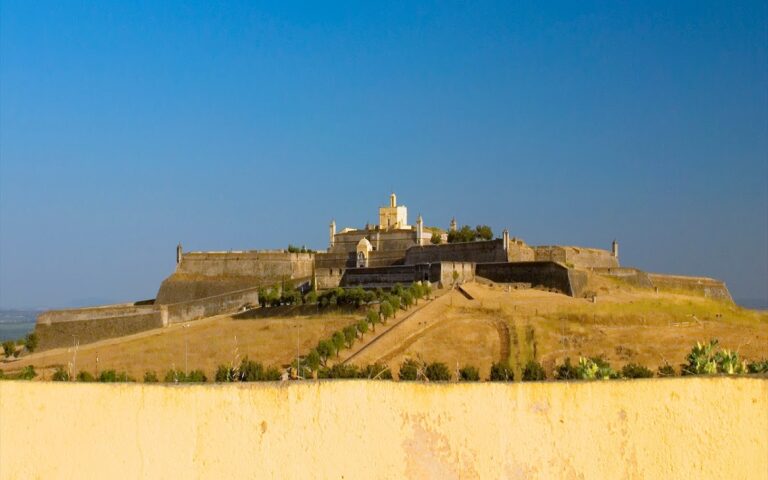
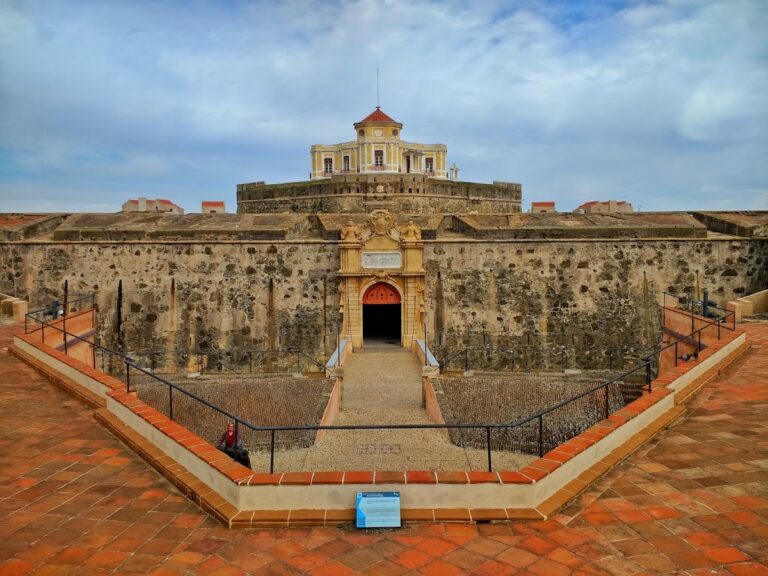
A major restoration campaign took place in the 2000s. The church is a Portuguese National Monument and forms part of the UNESCO World Heritage property Garrison Border Town of Elvas and its Fortifications. It continues to serve as a Catholic and parish church.
Remains
Plan and entrance
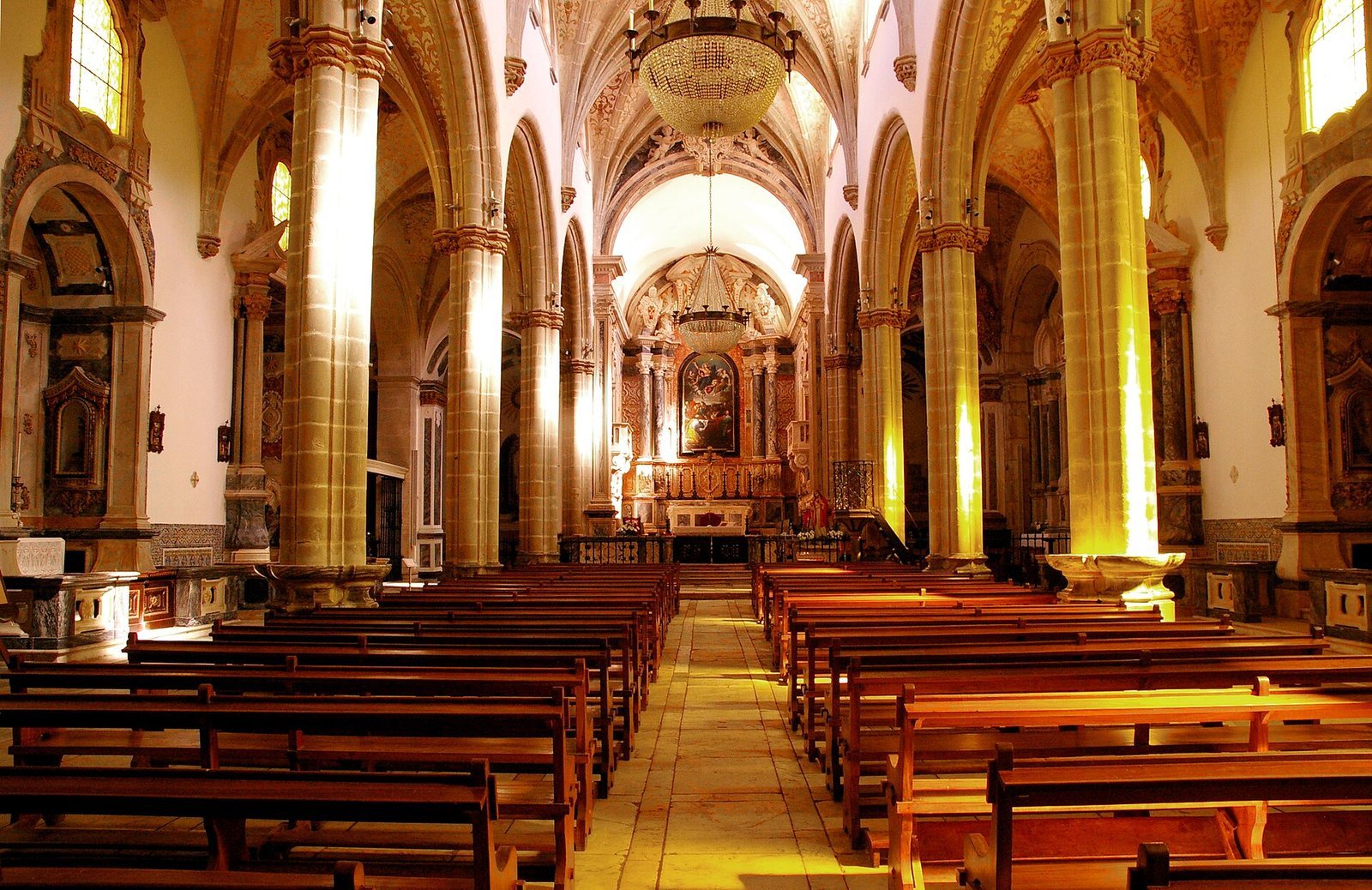
The battlemented, fortress-like church has three naves, the main spaces of its interior, beneath ribbed vaults (ceilings supported by projecting ribs). Its tower forms the façade, with a narthex (church entrance hall) beneath it. The main entrance portal is Renaissance in style and dates to 1550, while a side portal reflects the building’s Manueline design. A carved stone inscription is set into the wall at the entrance. Above the nave’s central section, the vault bears the patron’s engraved inscription, SEBASTIANVS PR EP QVINTO.
Interior spaces and furnishings
Choir
The choir contains wall paintings and sgraffito, a decoration cut through one surface layer to reveal another. The imagery includes mermaids carrying the Cross of Christ and an armillary sphere, as well as winged monsters and dragons. It also shows the prophet Daniel unharmed among lions.
Main chapel
Several altars in the main chapel are made of Estremoz marble, from the Portuguese town known for this stone. The principal altar’s decorative display includes an image of the Virgin of the Assumption brought from Rome.
Pessanha family chapel
In the church’s eastern part, the Pessanha family chapel has a five-sided plan and a stone-carved family coat of arms. Its altar display includes a panel of Pentecost transferred from the Chapel of the Holy Spirit, which belonged to another member of the family.
Former chancel of St Anthony’s Chapel
The former chancel has a ribbed vault, surviving sections of wall painting, and funerary memorials associated with the chapel’s founder.
Sacristy
Tilework in the sacristy displays coats of arms belonging to bishops.
Chapter room
The chapter room, where the cathedral’s clergy chapter met, dates to the 17th century.
Former Chapel of Our Lady of Candles
Beside the sacristy, the former Chapel of Our Lady of Candles contains a small organ.
Main organ
The main organ dates to 1762 and has two keyboards, a pedalboard played with the feet, an echo, and 294 pipes divided among sixteen stops, or selectable sets of pipes that produce different tones. The left-hand stops are the principal octave, principal fifth, fifteenth, thirteenth, first-, second-, and third-rank mixtures, and royal trumpet. The right-hand stops comprise flue stops marked 24, 12, and 6, along with flute, cornet, trumpet, clarion, and human voice. Its gilded carved work is attributed to the Italian master craftsman Pascoal Caetano Oldovini.