Oud Poelgeest: A Castle and Estate in the Netherlands
Site at a Glance
- Popularity
- Medium
- Country
- Netherlands
- Primary era
- Early Modern
- Eras represented
- Medieval, Early Modern, Modern
- Civilizations
- Dutch, Habsburg, Holy Roman Empire
- Site type
- Domestic
- Remains
- Castle
On this page11 sections
History
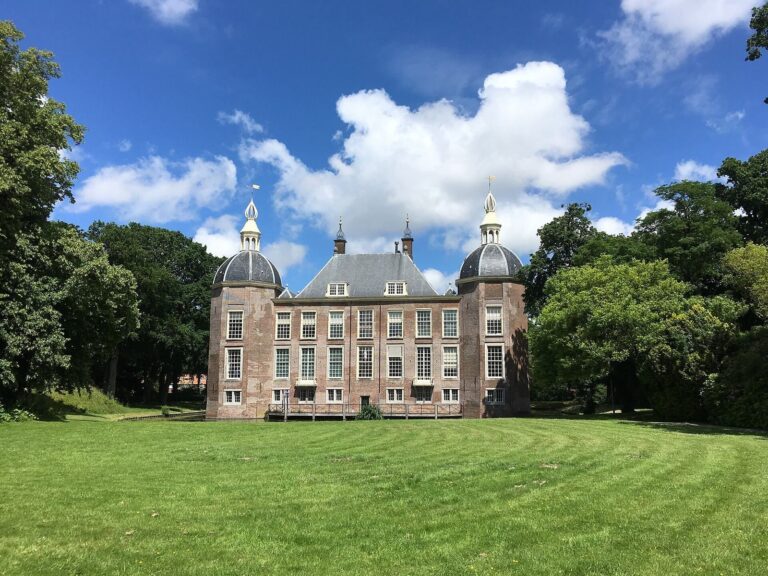
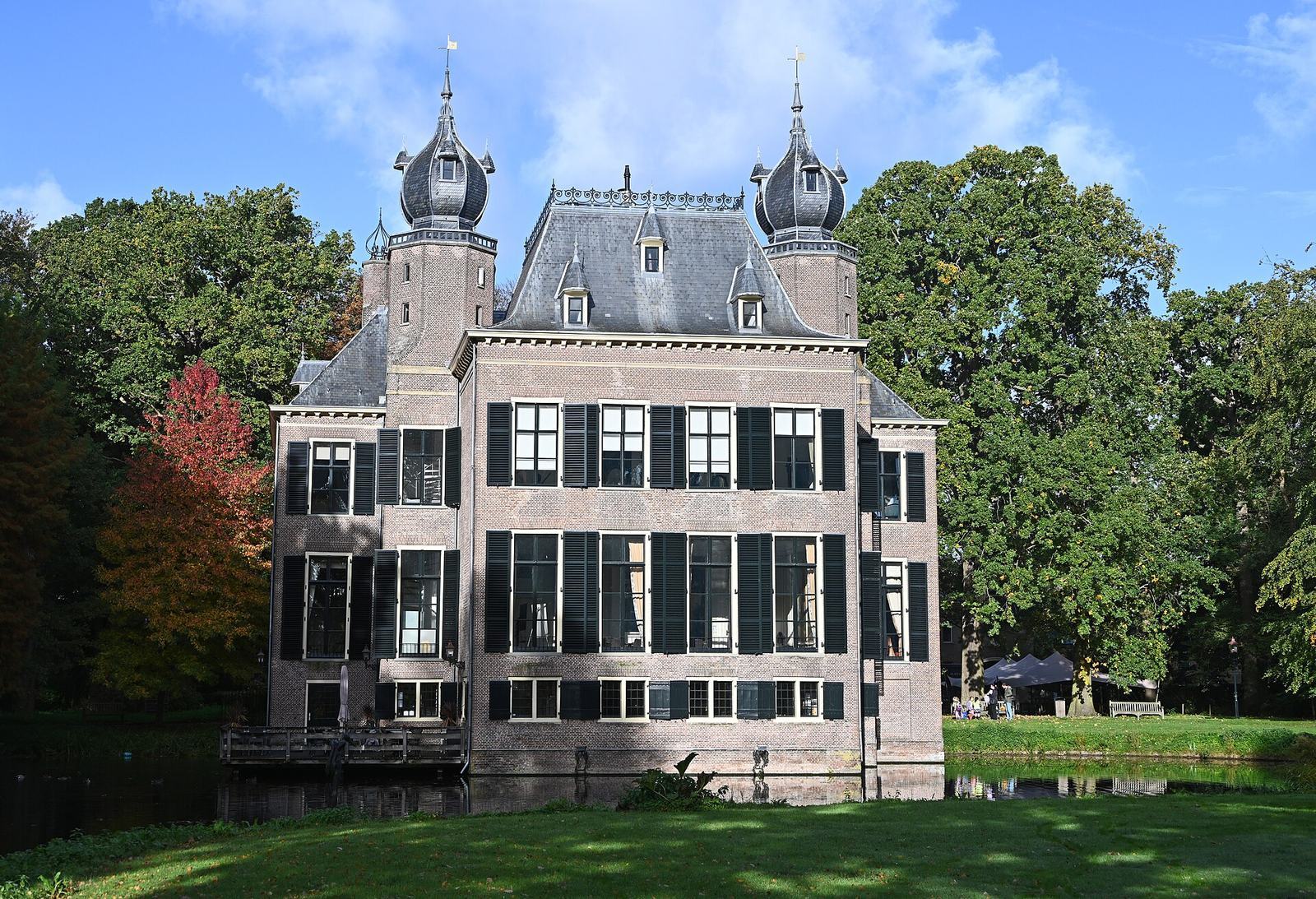
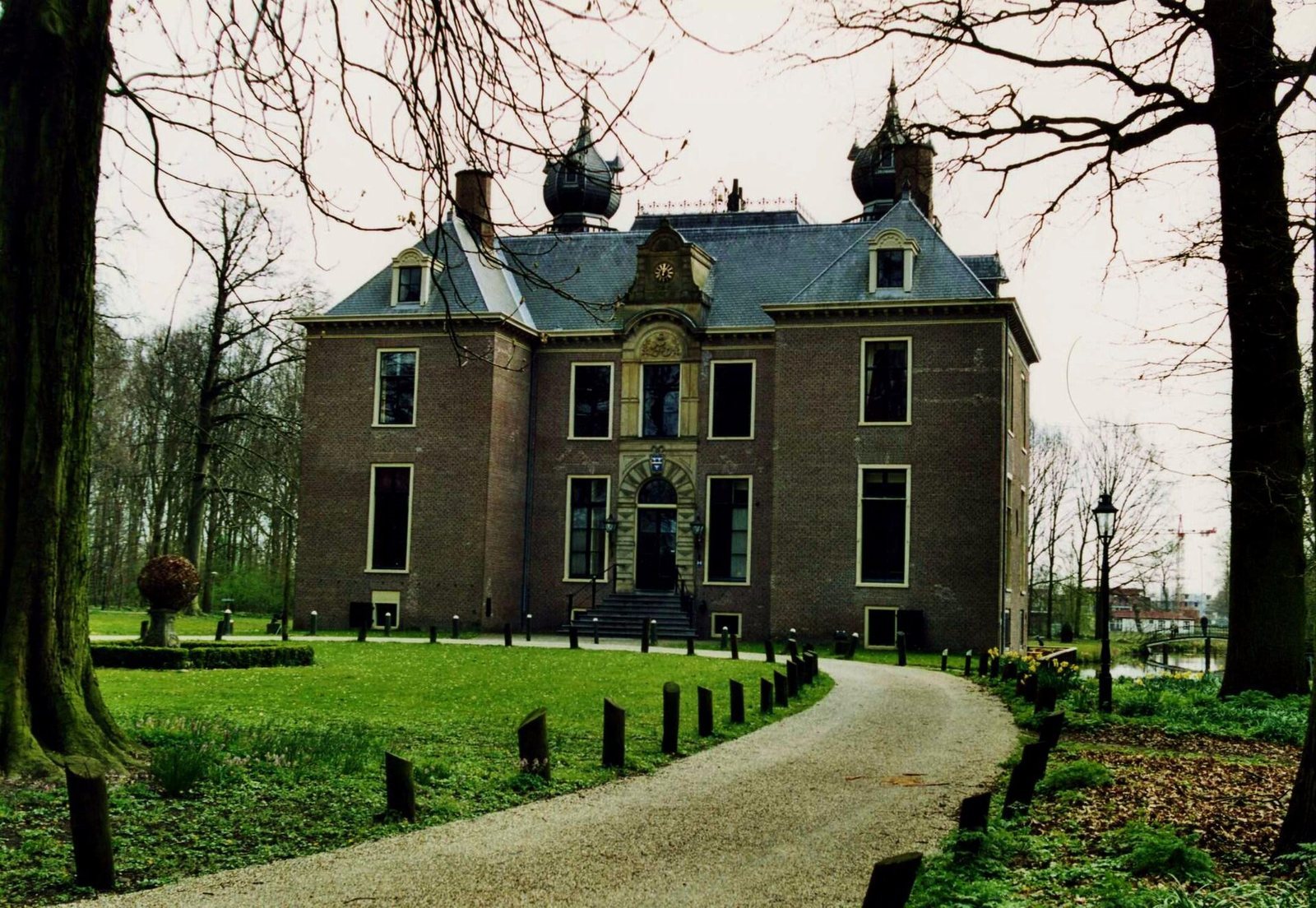
Oud Poelgeest is a castle and estate in the Netherlands. Its present brick castle was built in 1668 in the Dutch Neoclassical style, which adapts classical forms to Dutch design, on foundations associated with a fortified house established shortly after 1300.
Early castle and rebuilding
The first fortified house stood in a landscape of marshes and pools. Spanish forces destroyed the earlier castle in 1574. The replacement castle was probably designed by Erasmus den Otter, an architect from Haarlem. It passed through several owners before the municipality of Oegstgeest acquired it in 1940.
Boerhaave and the garden
In 1724, Dutch physician and humanist Herman Boerhaave (1668–1738), renowned for his medical teaching and also interested in botany, bought the castle and lived there until 1733. He developed its garden for a botanical collection that had outgrown Leiden University’s botanical garden. The garden became renowned during his lifetime.
Later alterations and stewardship
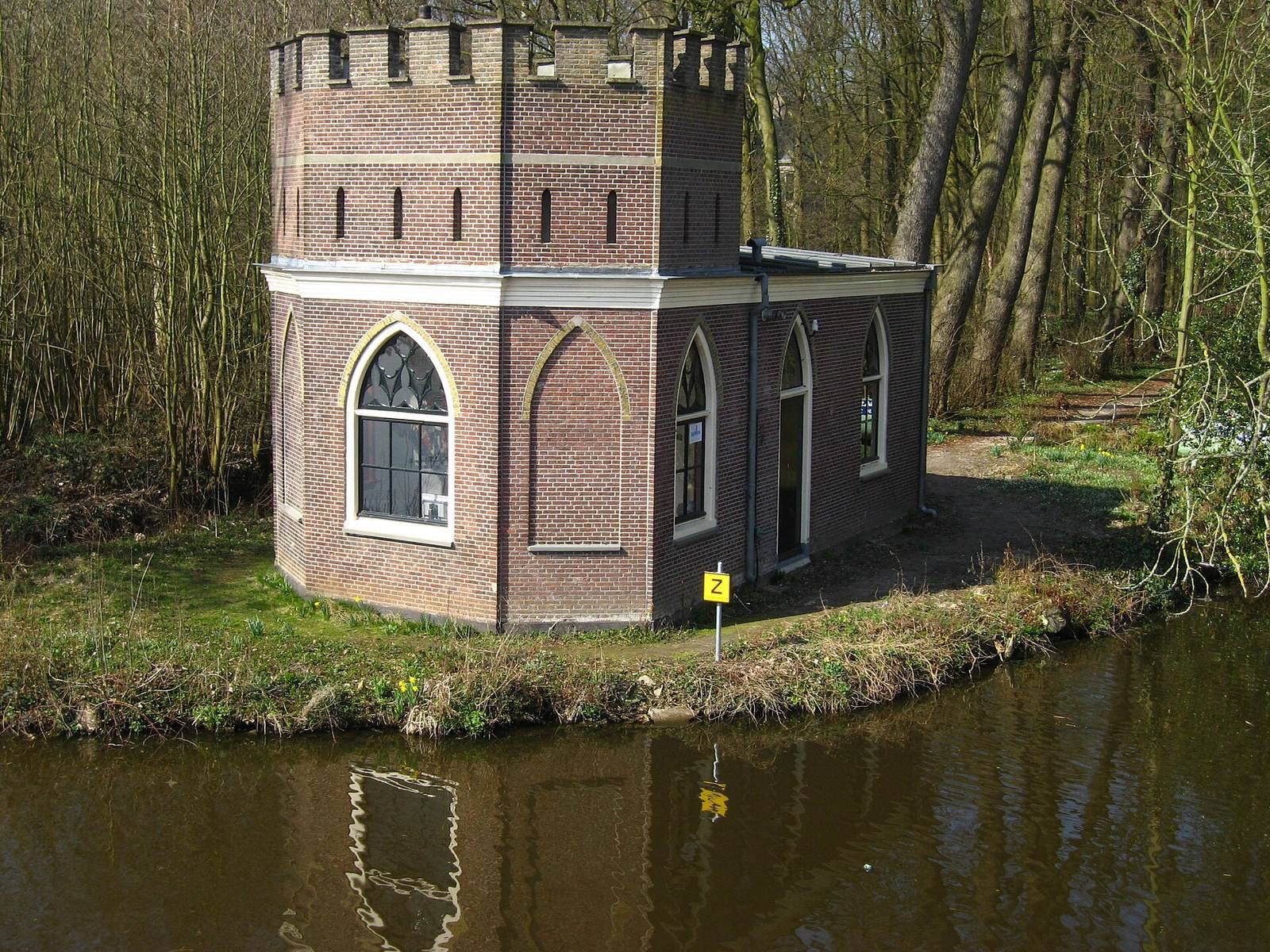
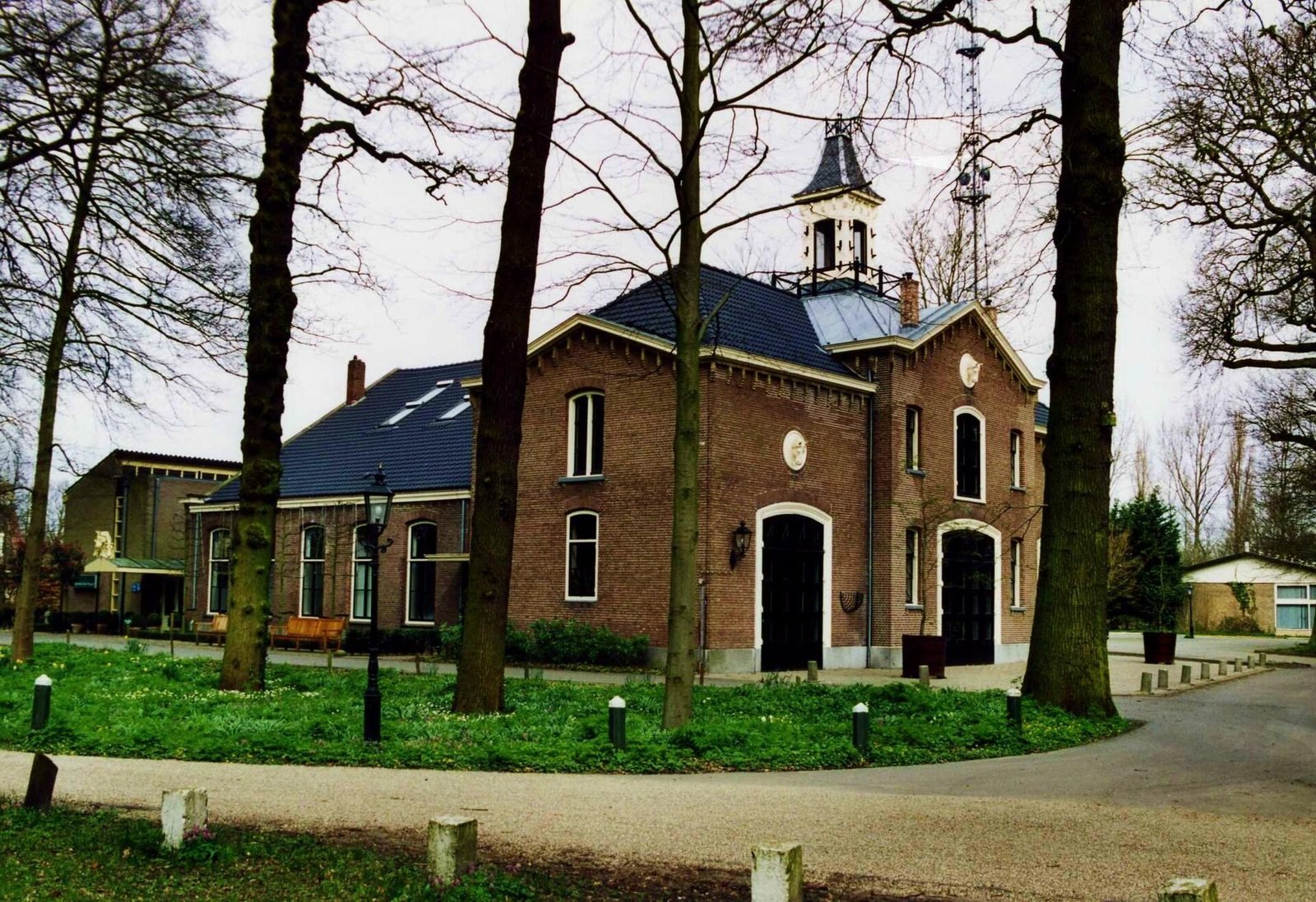
Owner Gerrit Willink added the castle’s onion-shaped towers in 1866 and had a coach house and chapel built the following year. In 1988, the municipality placed management of the estate, castle, coach house, and other grounds monuments with the Oud-Poelgeest Heritage Foundation.
The castle is partly the setting of Jan Wolkers’s 1961 debut collection, Serpentina’s Petticoat. In its opening story, a character takes from a neighboring castle a statue of the Sphinx, a mythological creature associated with Oedipus, from Sophocles’ tragedy Oedipus Rex. Wolkers’s sister returned the actual statue to the castle’s managers in 2013. The castle is now used as a hotel and for conferences and events. The park and associated older buildings are protected as Rijksmonuments, a Dutch designation for heritage monuments.
Remains
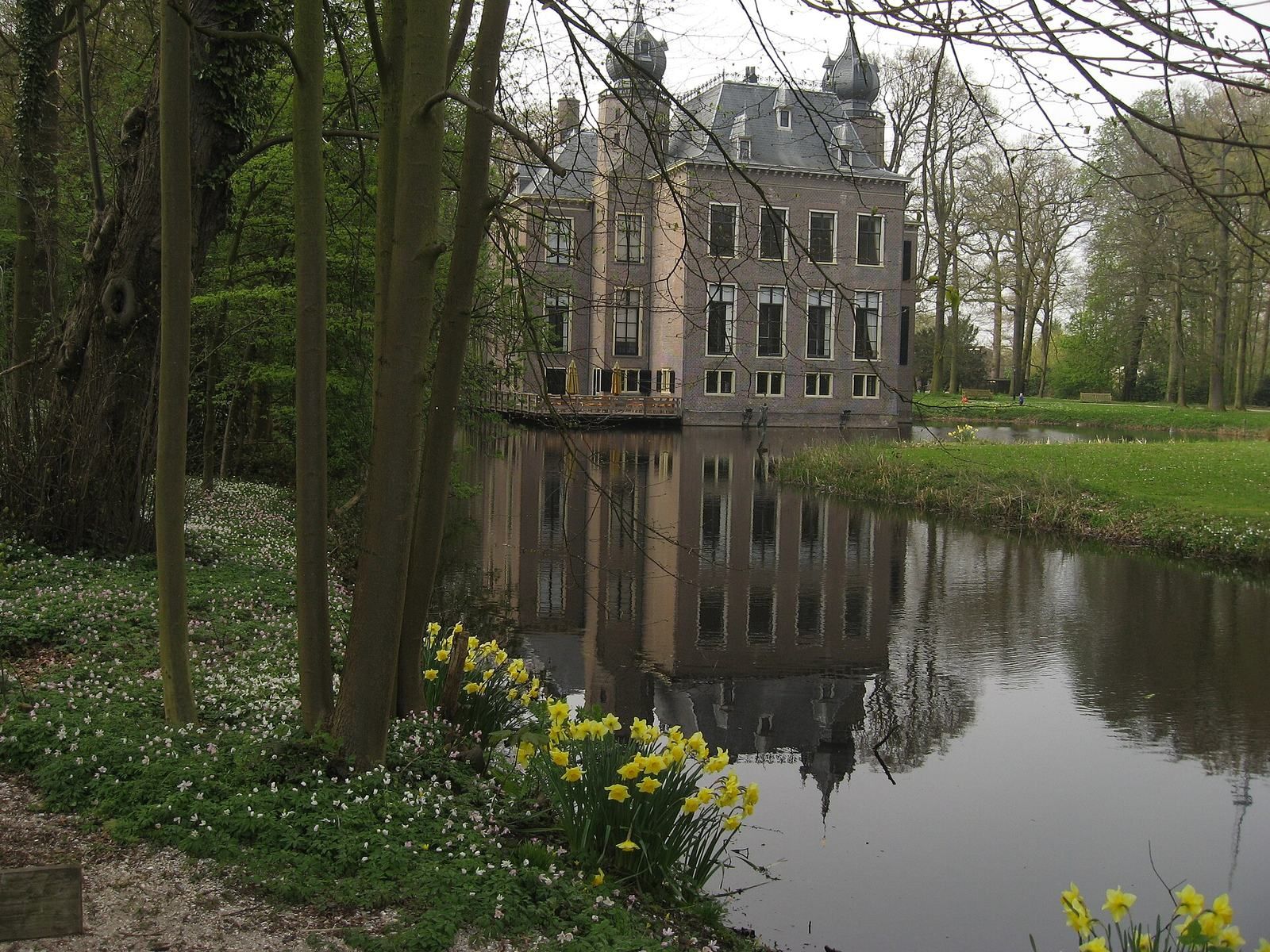
The estate covers more than 10 hectares, with the castle among deciduous woodland, a pond, and waterways. A gate marks the entrance, a bridge crosses the grounds, and a moat lies behind the castle. The building stands on foundations of the earlier complex.
Estate landscape
Woodland and water features
Stones from the destroyed castle remain in the surrounding area. A stone well dating to 1550 survives in the woods. The pond, waterways, and moat form part of the estate’s recorded landscape features.
Garden
Boerhaave planted unusual and rare trees and other plants, and laid out a herb garden for his botanical collection. A tulip tree he planted remained in the park into the 1990s.
Castle and associated buildings
Exterior and grounds buildings
The brick castle incorporates foundations from the earlier complex and has onion-shaped towers added in the nineteenth century. The estate also contains the coach house, chapel, gardener’s residence, and a water well.
Interior and Dragon Hall
Inside the castle, Dragon Hall has a decorated ceiling and a decorative panel above a doorway. The statue depicting the Sphinx from Oedipus Rex stands in the hall. Other recorded interior features include a first-floor pump with a tap, a basement bathroom, a tower, a staircase to the first floor, and ground-floor rooms.