Otočec Castle: A Water Castle in Slovenia
Site at a Glance
- Popularity
- Medium
- Country
- Slovenia
- Primary era
- Medieval
- Eras represented
- Medieval, Early Modern
- Civilizations
- Habsburg, Holy Roman Empire
- Site type
- Domestic
- Remains
- Castle
On this page10 sections
History
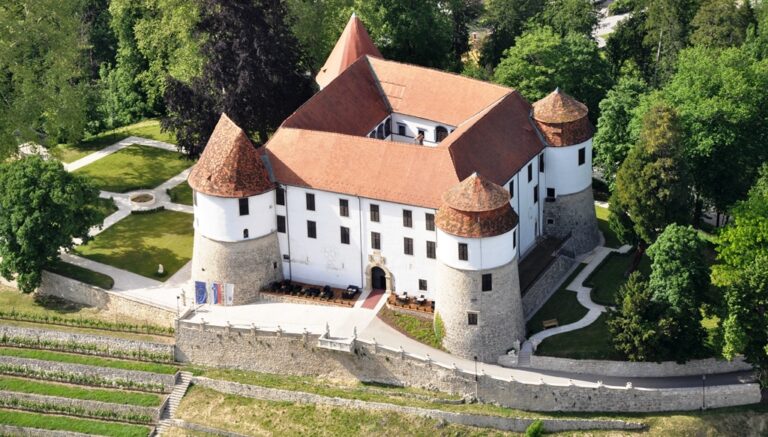
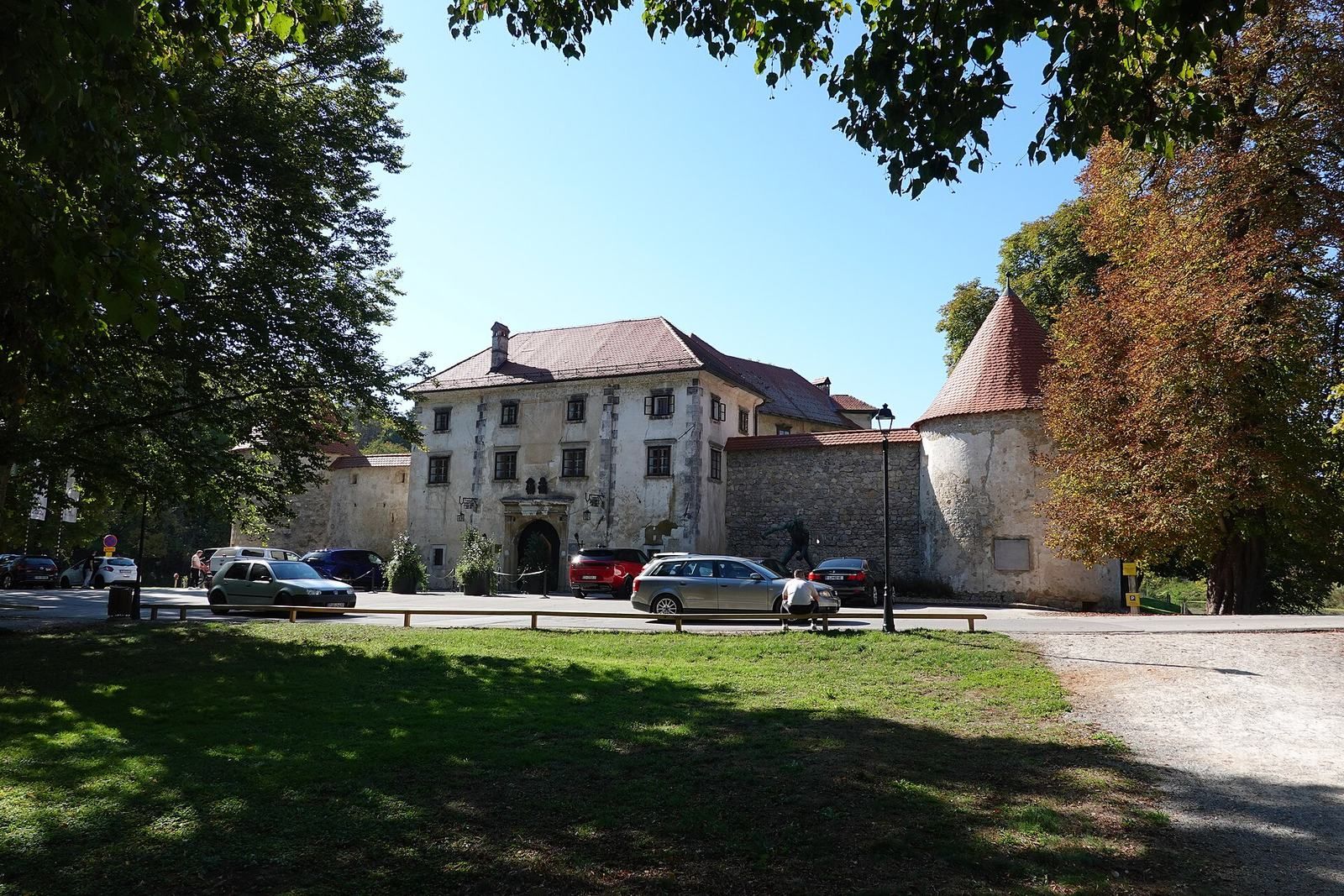
Otočec Castle is a stone-built water castle on an island in the Krka River at Otočec, Slovenia. Dating to around 1250, it is restored in a blend of Gothic and Renaissance styles, two distinct European architectural traditions. It is identified as Slovenia’s only water castle.
Medieval and early modern ownership
The castle was known by the 13th century. The de Werde nobles, also called the Knights of Otočec, lived there during that century. Other occupants or holders included the Villanders family of Tyrol and the Weichselberg family, associated with the Pux branch.
Ivan Lenković, a Habsburg military commander, owned the castle. He led the Uskoks, frontier fighters of the Habsburg-Ottoman borderlands, and commanded the Croatia-Slavonia March, a Habsburg frontier province. Before the Second World War, the castle belonged to the aristocratic House of Marghieri de Commadona.
Wartime destruction and restoration
At the beginning of the Second World War, Italian forces took the castle and used it as a stronghold. In 1942, the Partisans, the Yugoslav-led resistance movement against Axis occupation, set it on fire.
Restoration began in 1952 with work on the roof and continued for six years, with help from international volunteer work brigades. A restaurant opened in the restored building in 1959; it later became a hotel, and further alterations followed in subsequent decades. In 1952, the nearby town’s name changed from Sveti Peter, meaning “Saint Peter,” to Otočec, which means “small island” in Slovene.
Slovenian writer Ivan Tavčar featured the castle in his novels Otok and Struga and Janez Sonce. Otočec Castle is designated a Slovenian cultural monument of national importance.
Remains
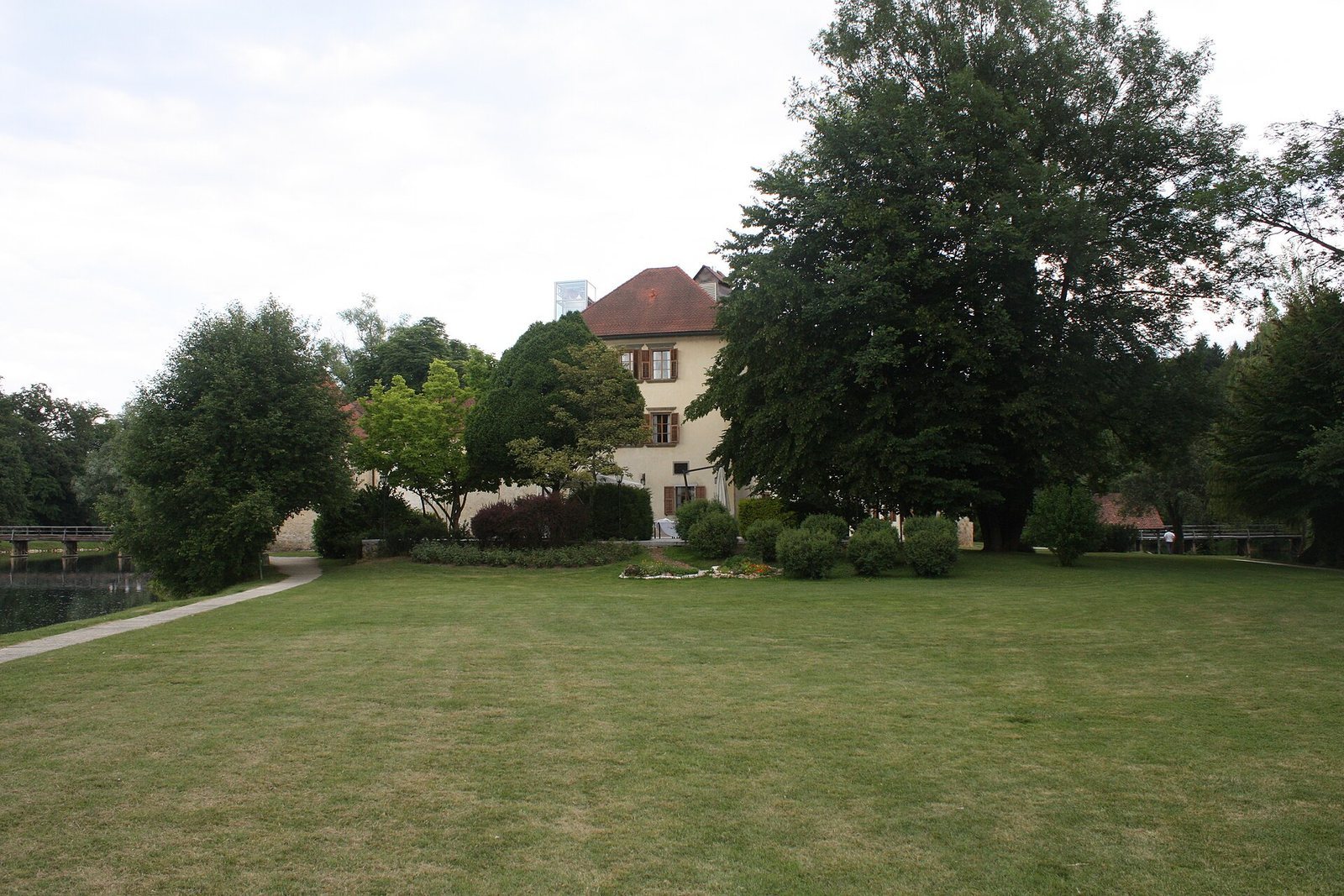
Built of stone, the lowland castle occupies the largest of about 30 islets in this stretch of the Krka River. An English-style park surrounds the castle grounds.
Island and crossings
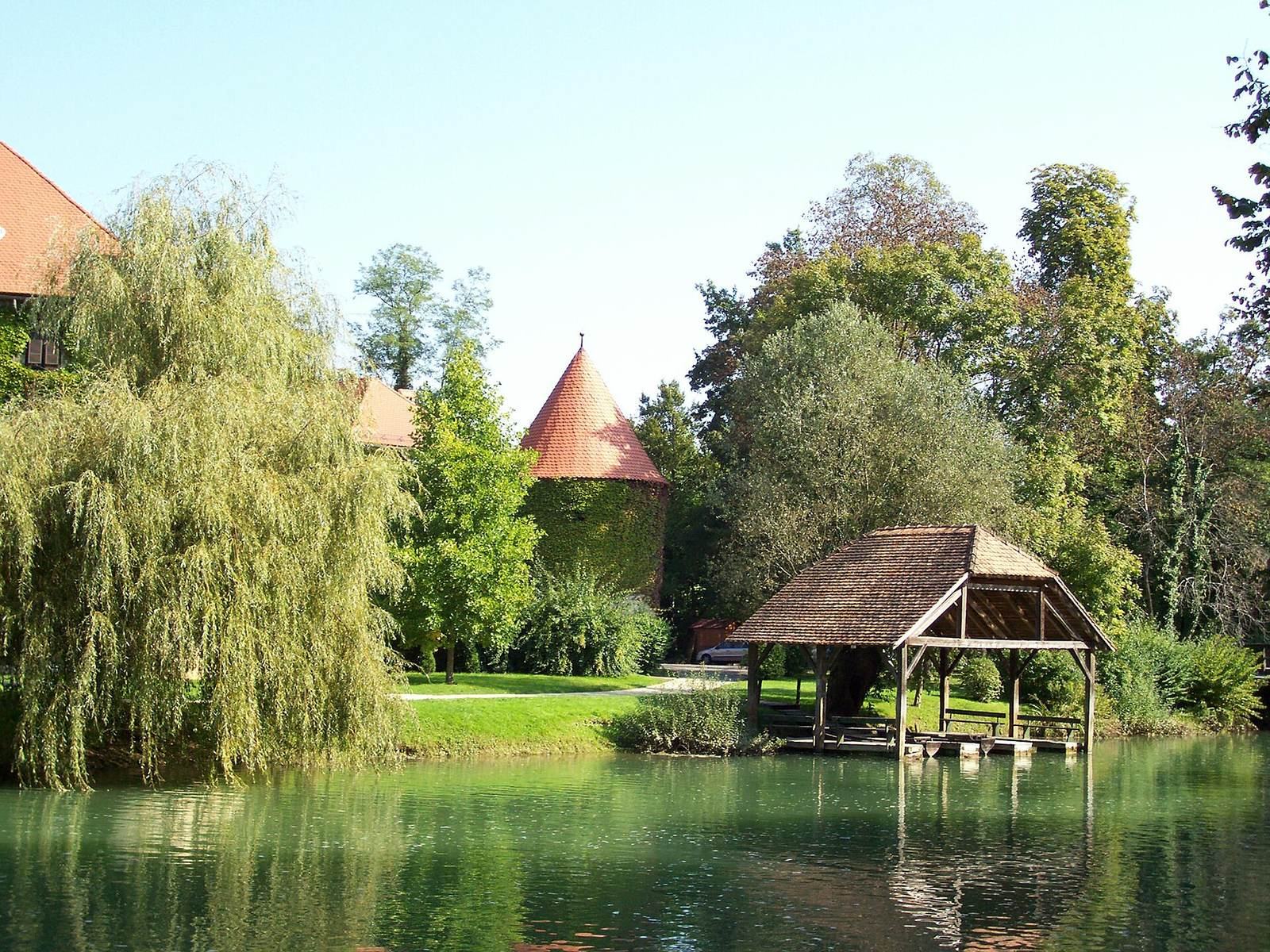
Channel and boathouse
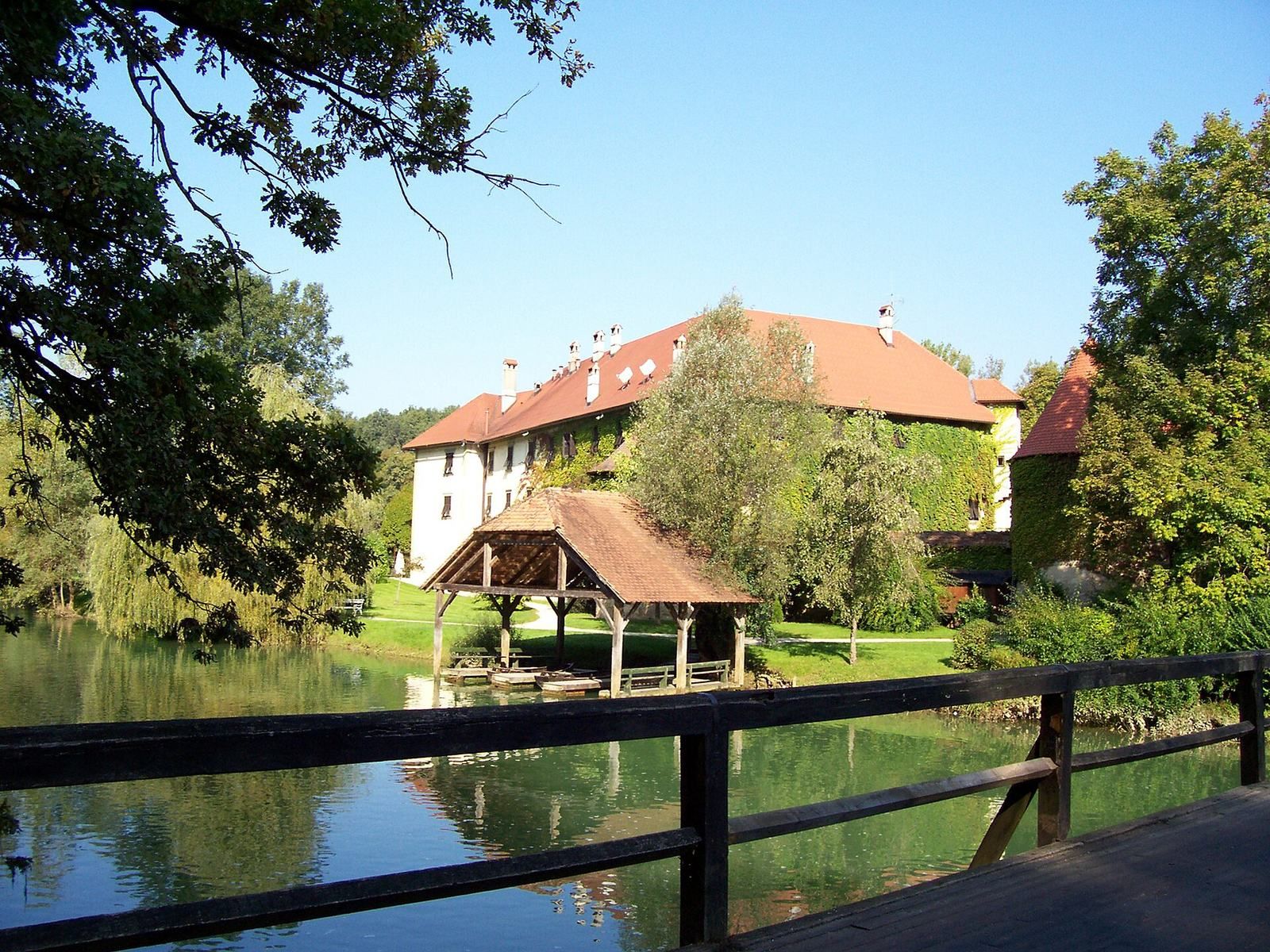
A channel cut around the island’s southern side helped create a moat around the castle. A boathouse stands along this channel behind the building.
Bridges
Wooden bridges connect the island to both riverbanks at its northern and southern ends. The 1942 fire left the two bridges in ruins; wooden crossings now link the island and banks.
Castle buildings
Walls and central building
The castle’s walls are thought to date to 1252, while its central section probably took shape during the 13th or 14th century. An enclosing wall was built in the 14th century, and the fortifications were later dismantled.
Residential quarters and chapel
The residential quarters were remodeled in the 17th century. The palace chapel was decorated with Renaissance-style frescoes, paintings made on wet plaster.