Oppidum de Berniquaut: A Fortified Settlement in France
Site at a Glance
- Rating
- 4.8
- Popularity
- Medium
- Country
- France
- Primary era
- Medieval
- Eras represented
- Medieval
- Civilizations
- Celtic
- Site type
- Settlement
- Remains
- Village
On this page8 sections
History
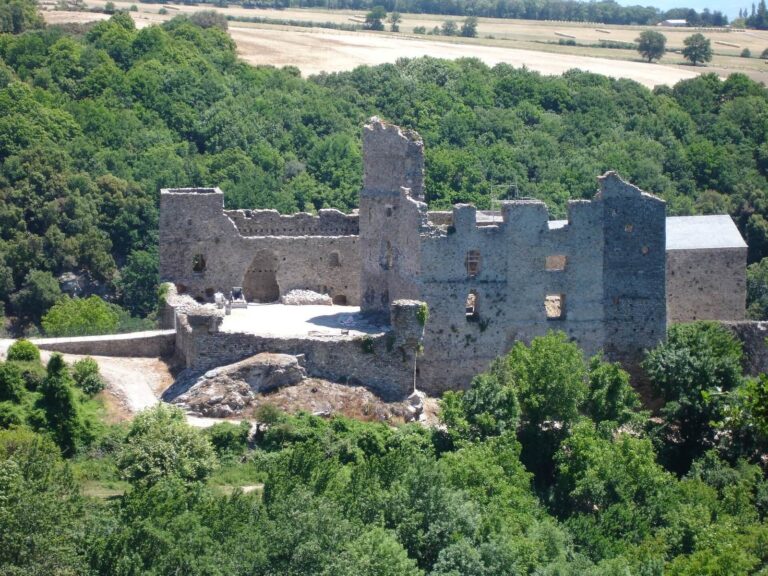
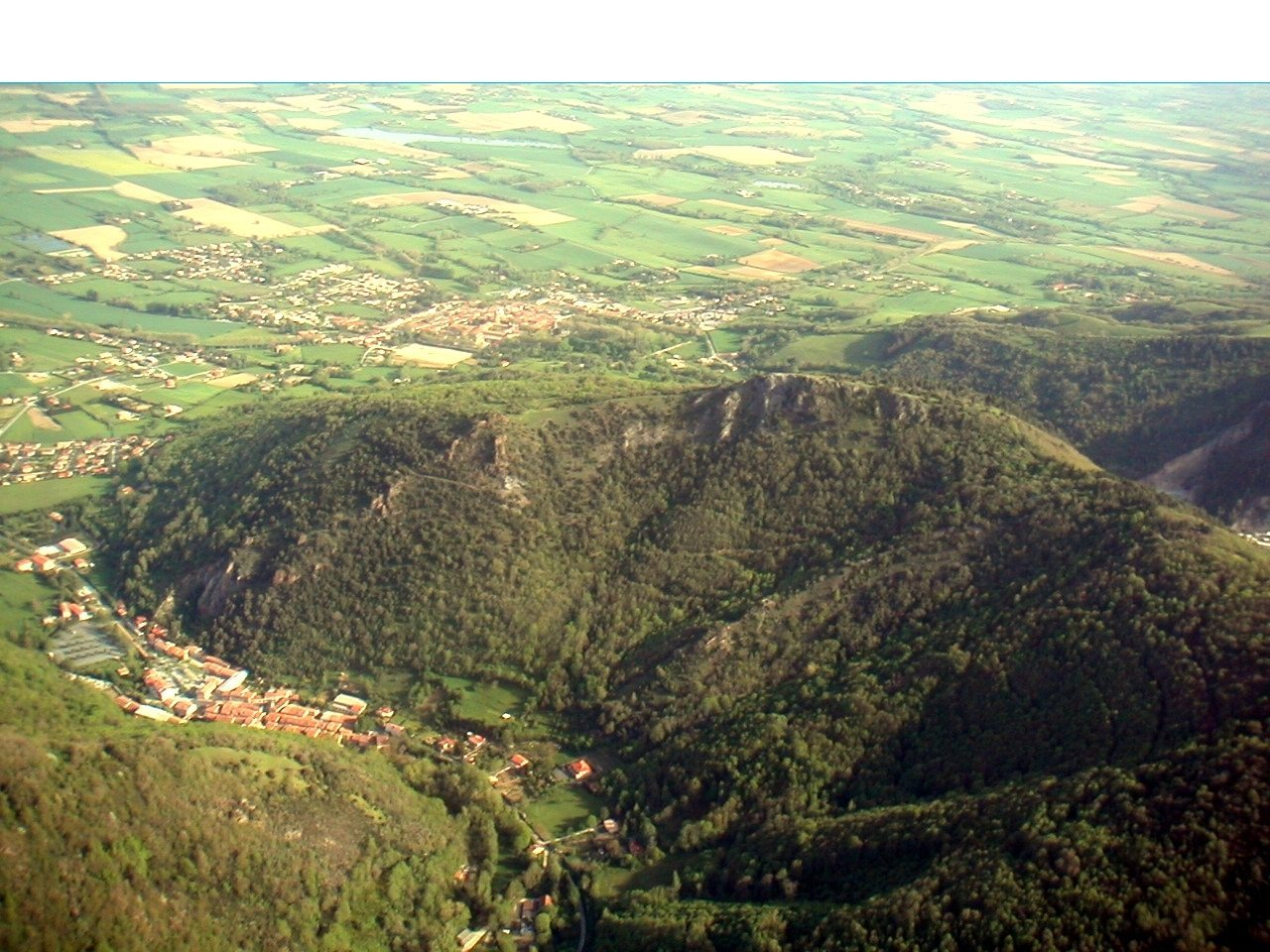
Oppidum de Berniquaut is a fortified settlement on a narrow rocky ridge overlooking Sorèze and Durfort in France. Human traces there date back more than 30,000 years, and the ridge’s naturally defensible position helped attract communities over many centuries.
Prehistoric and early historic occupation
From the Neolithic, the later part of the Stone Age associated with settled farming, until the Roman conquest of Gaul, agricultural and pastoral communities lived at Berniquaut. Around 50 BC, inhabitants began moving gradually to the nearby plain, closer to production sites. Settlements of Roman-era Gaul developed across the plain, while Sorèze and Durfort had not yet become towns.
Medieval settlement
Between 1046 and 1141, Berniquaut was referred to as castellum and castellare, terms for fortified places, and as bastimentum, meaning a building or structure. Pastoralism and crafts were the main activities, with probable cultivation on the slopes. Around 1100, inhabitants also worked iron-bearing deposits across the Orival valley.
The settlement was deserted around the beginning of the thirteenth century. Its inhabitants moved to Sorèze, where an abbey had been founded in the eighth or ninth century, and to Durfort. Durfort was a new fortified settlement under the authority of the lords of Roquefort and the abbot of Sorèze.
Protection
In 2002, the French Ministry of the Environment classified Berniquaut as a remarkable protected site.
Remains
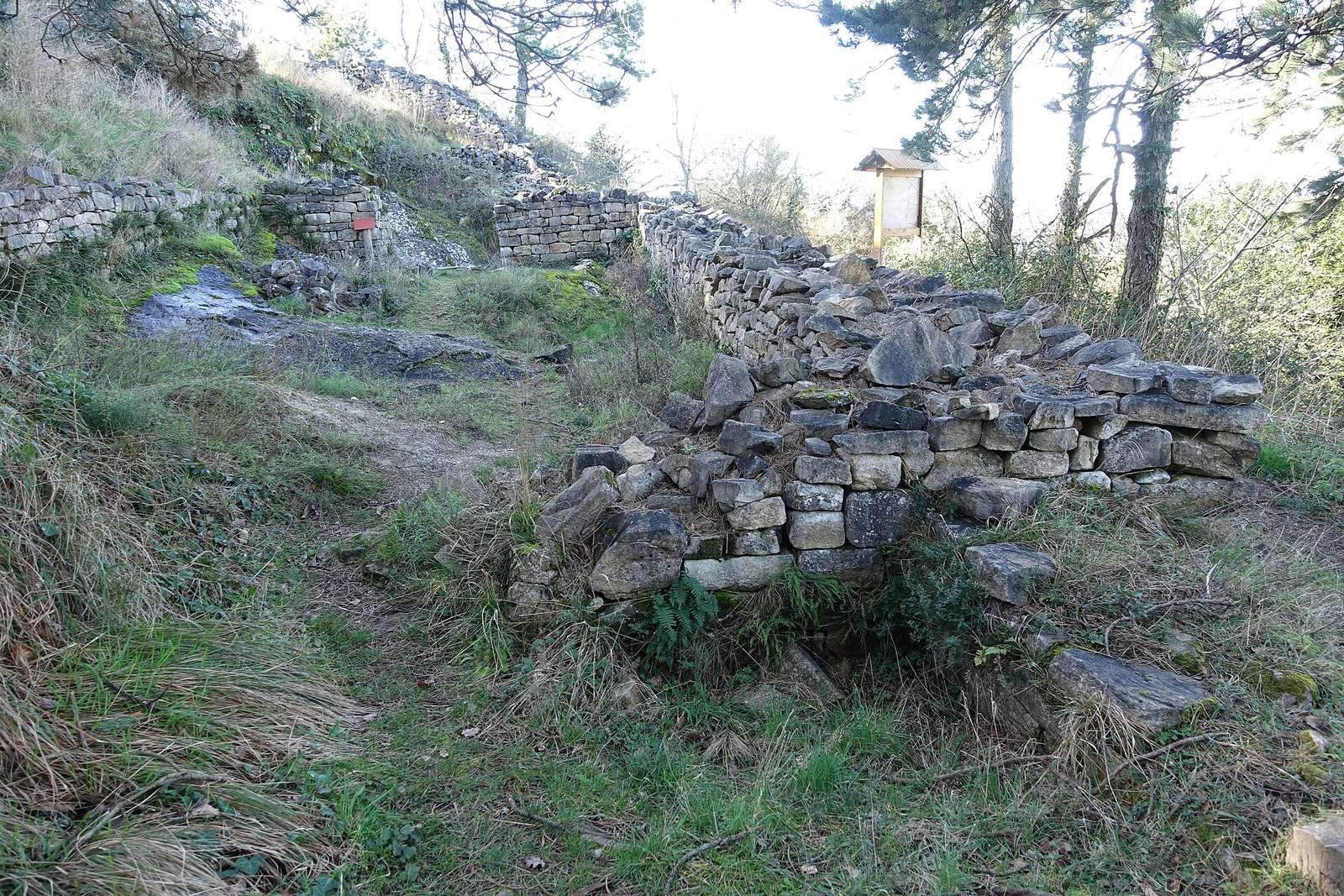
Ridge and defenses
The settlement occupies a rocky ridge on the northern slope of the Montagne Noire, overlooking Sorèze and Durfort. Its highest point is 568 metres. A Gallic defensive earthwork extends for more than 700 metres along the site.
Dwellings
More than 100 dwellings have been identified within the settlement’s ramparts. Their number suggests that several hundred people lived inside the defended area.
Mining across the Orival valley
Across the valley, on the north-facing slope, a medieval mining site includes surface workings and an underground system extending for more than nine kilometres. The workings follow iron hydroxides, iron-bearing compounds, within the limestone of the Causse plateau, a limestone plateau.