Old Søgne Church: A Wooden Parish Church in Norway
Site at a Glance
- Popularity
- Low
- Country
- Norway
- Primary era
- Early Modern
- Eras represented
- Early Modern, Modern
- Civilizations
- Denmark–Norway, Norwegian
- Site type
- Religious
- Remains
- Church
On this page10 sections
History
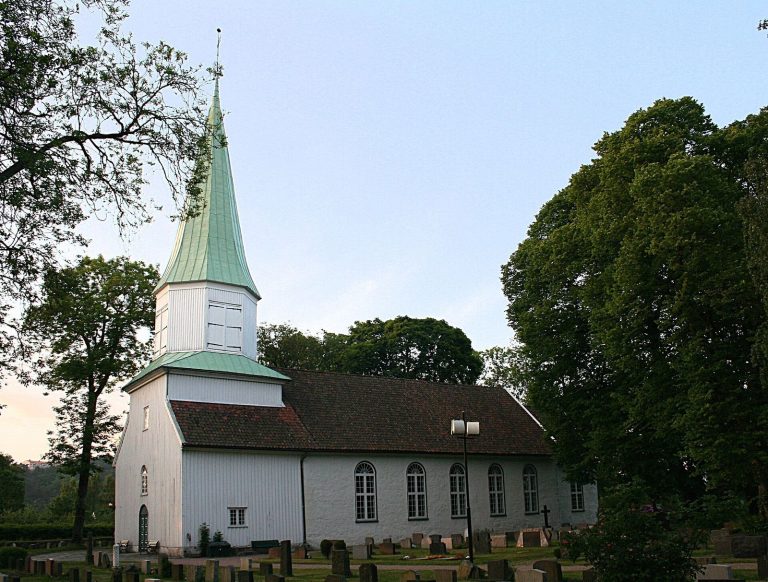
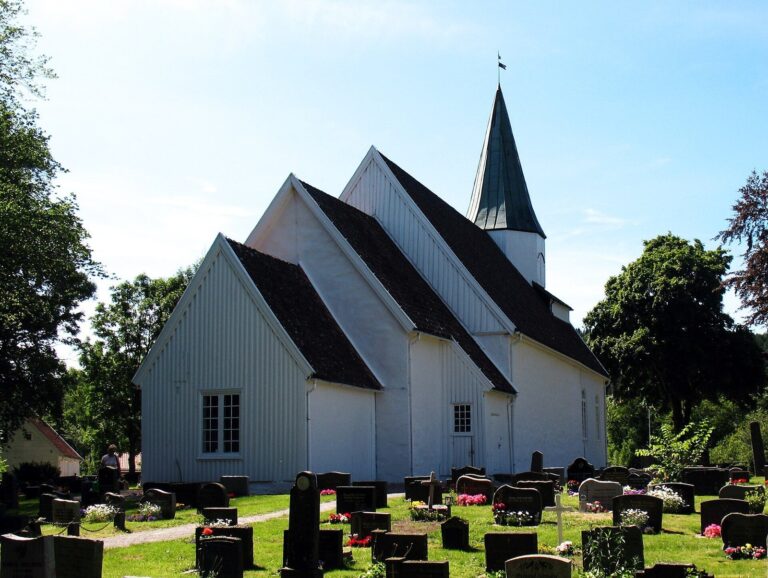
Old Søgne Church is a wooden long church, with its main worship space and altar end arranged lengthwise, in Søgne, Norway. Its surviving structure includes 16th-century construction, and it served as the parish church until a new main church was completed in 1861.
Medieval origins and parish formation
A church and priest were present at Søgne by 1344, and the church is thought to have originated in the 13th century. A medieval stave church, built around a framework of upright wooden posts, stood on the site before the present church.
Søgne became a separate parish in 1604, after separating from Oddernes parish. Extensive work followed at the church in 1640, possibly to strengthen a building considered too weak. Parts of the earlier church, including the pulpit, were reused.
Parish use and later history
In 1814 the church served as an election church for choosing representatives to the Norwegian Constituent Assembly at Eidsvoll, which drafted Norway’s constitution. Under the election system, church parishes served as constituencies. On 17 May 1914, a memorial was erected to Syvert Eeg, who had represented Søgne at the assembly.
The church was formerly Catholic and is now Evangelical Lutheran, within the Church of Norway, Søgne parish, and the Diocese of Agder and Telemark. It is not used regularly, but remains available for services such as weddings and baptisms. The building is automatically protected as a Norwegian cultural heritage site.
Its interior decoration was covered first with blue-gray oil paint in 1833 and later with white paint around 1860. During restoration from 1953 to 1957, the coverings were removed and the original decoration restored, with curator Finn Krafft working on the project.
Remains
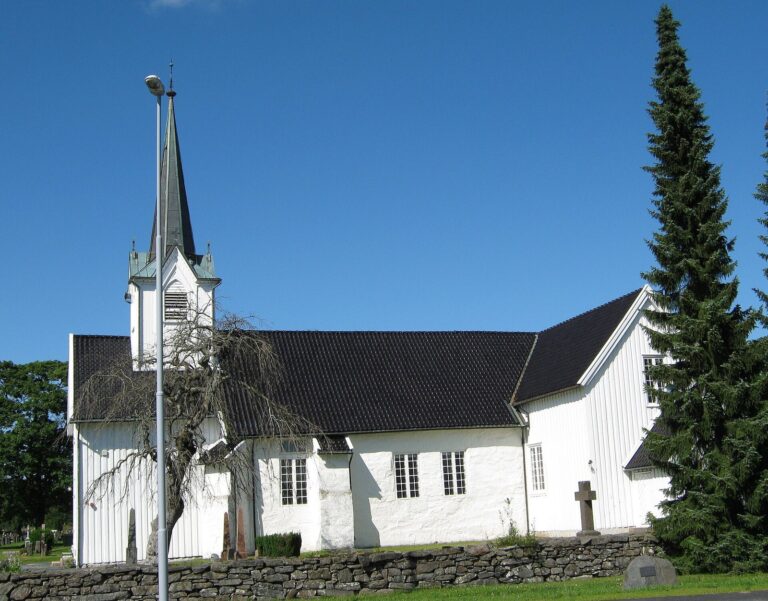
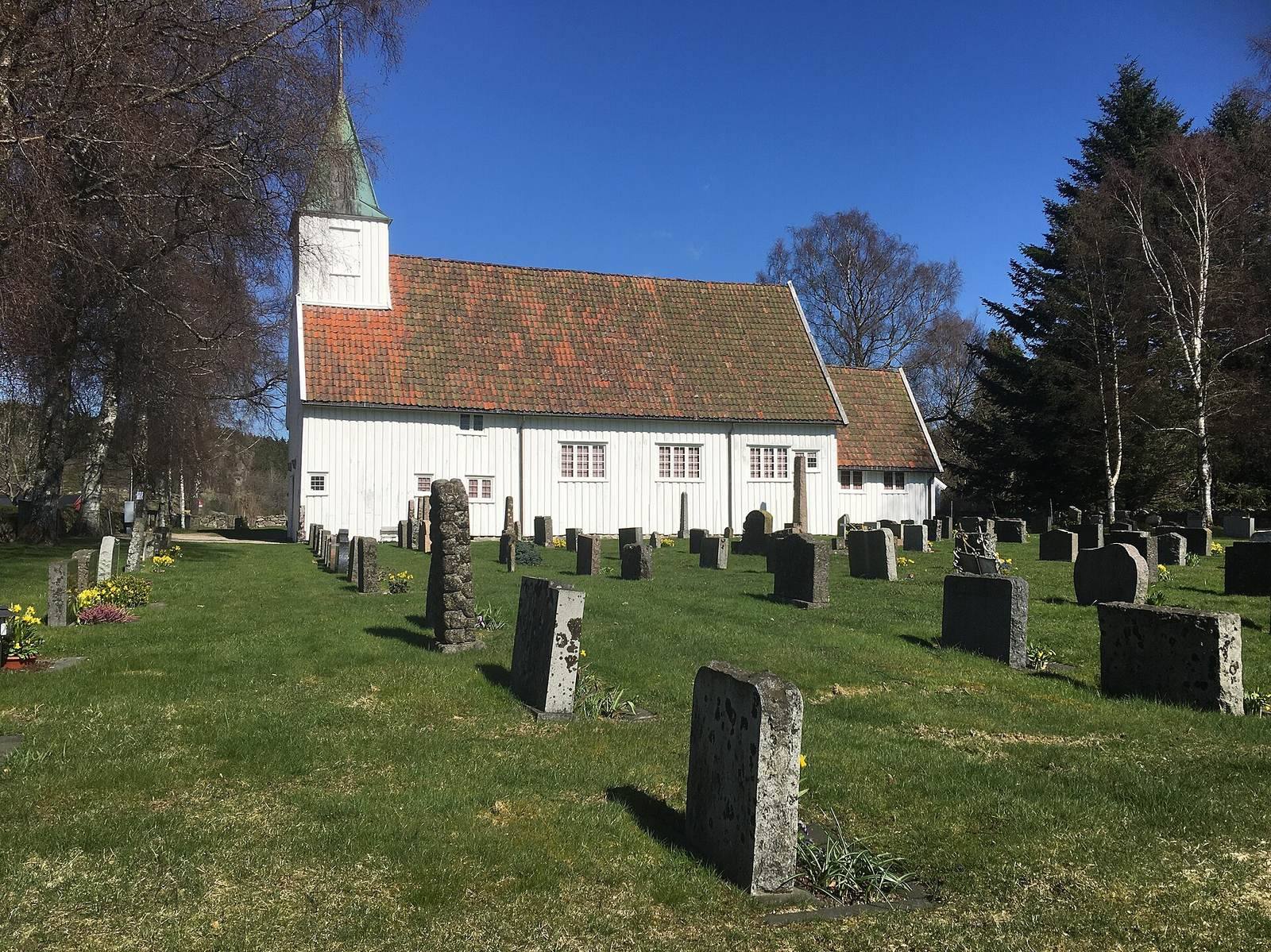
The church has a panelled timber frame, a rectangular nave, and a narrower, lower-roofed chancel at the east end. The chancel is built of logs, and the building has seating for 270.
Timber structure and additions
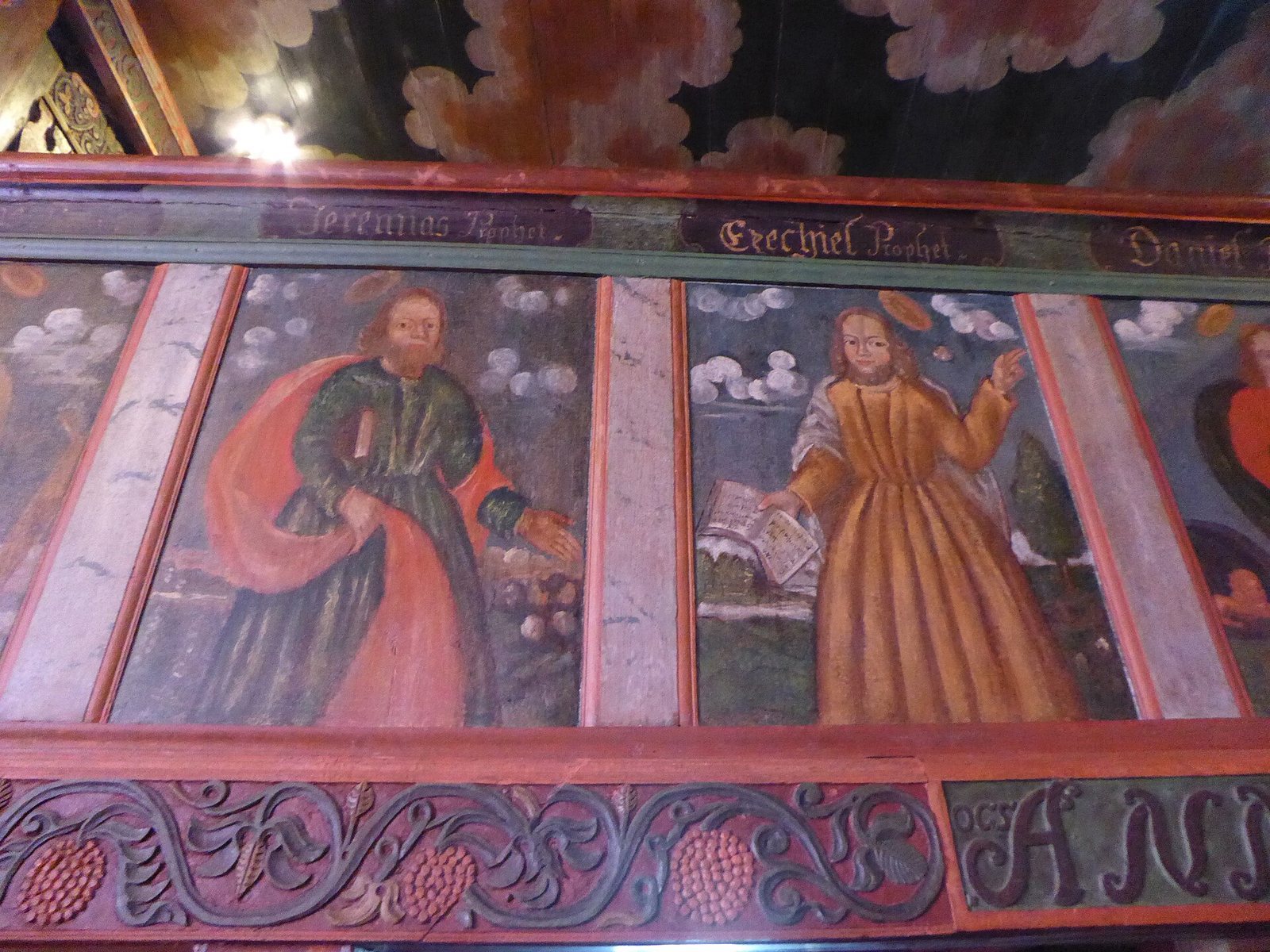
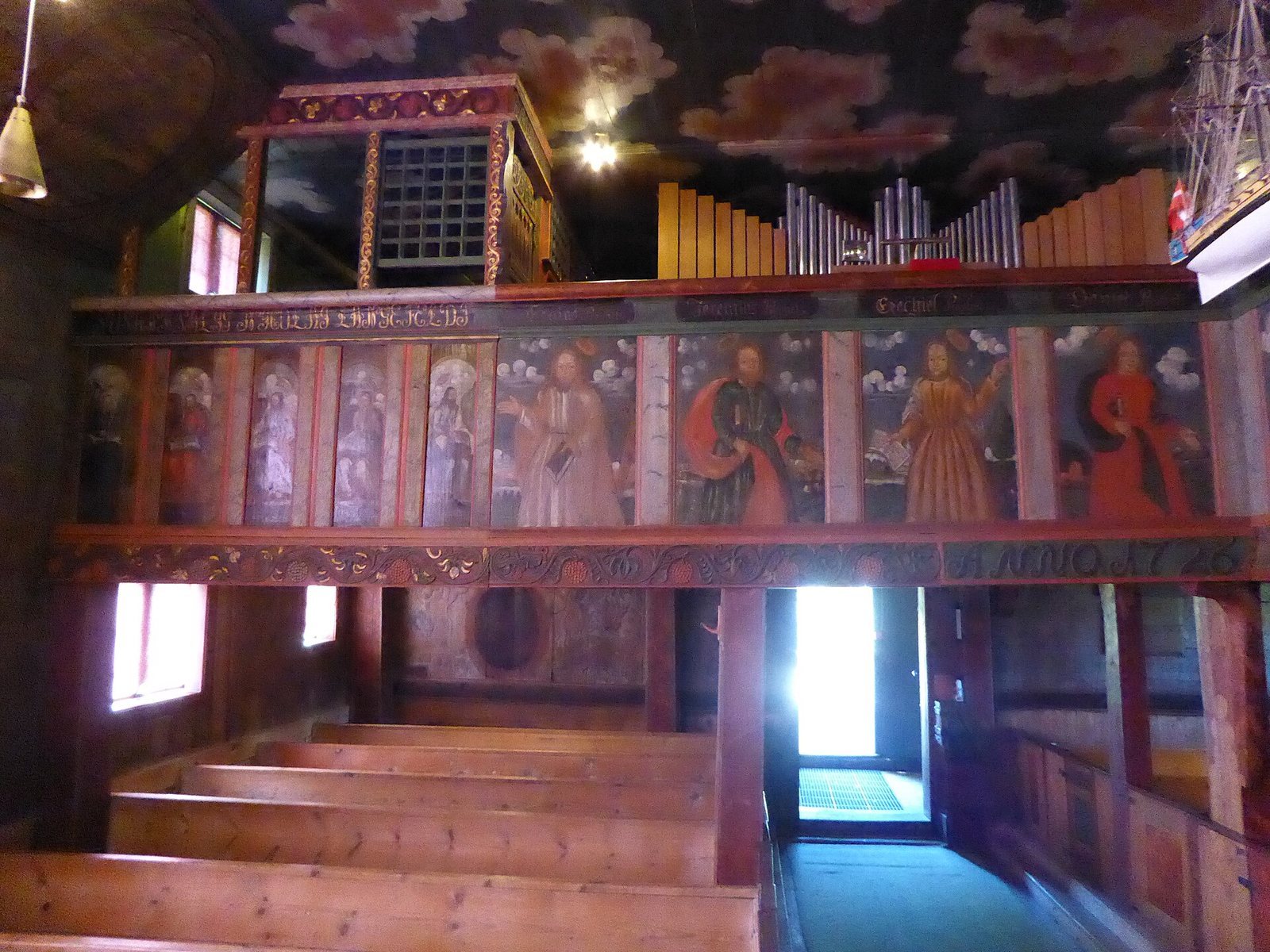
Tree-ring analysis dates the nave to the mid-1590s. The log-built chancel dates to around 1560, making it older than the standing church. A gallery was added in 1726, a sacristy on the north side in 1743, and a tower at the west end together with a porch in 1760.
Interior decoration and furnishings
Painted decoration
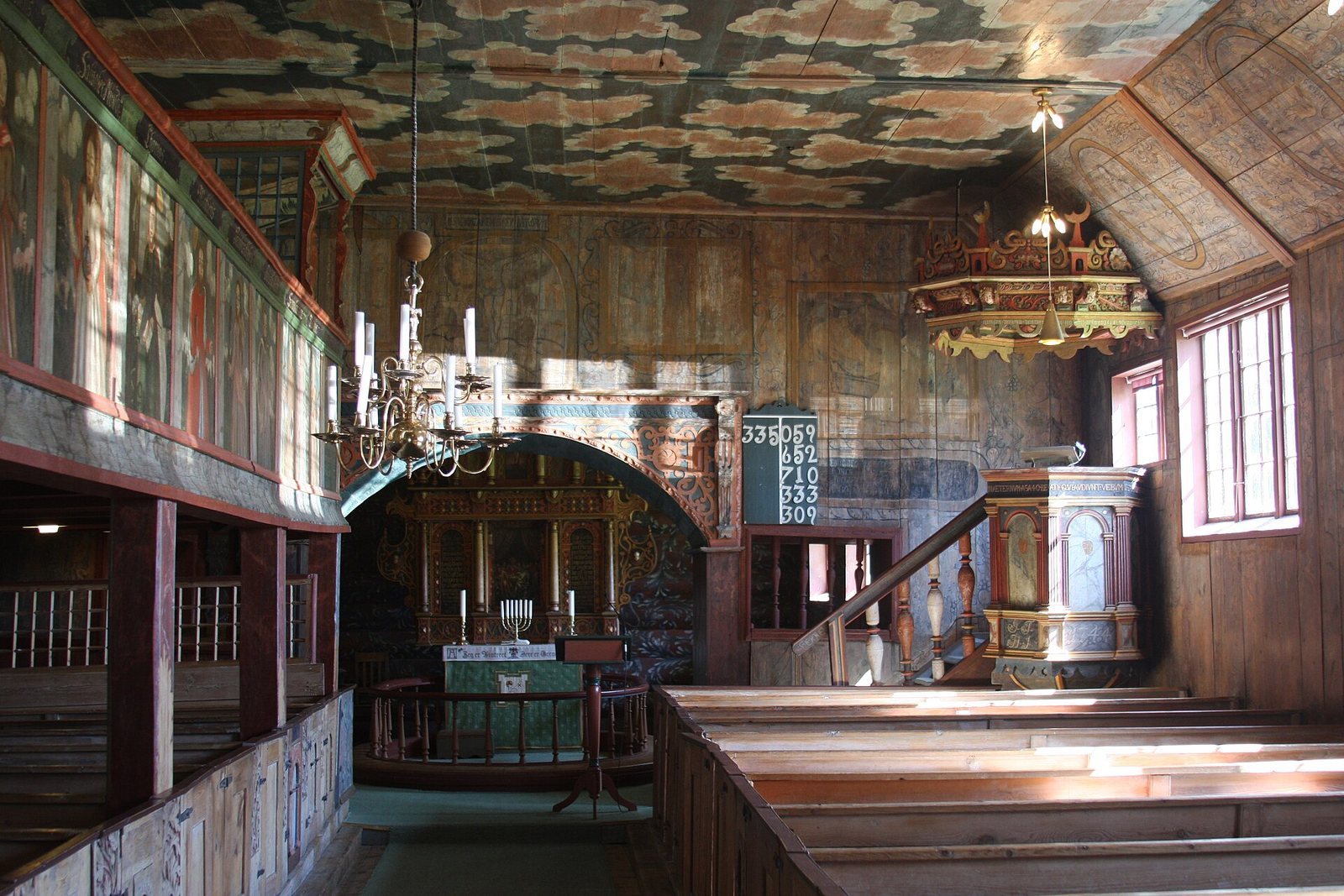
Renaissance paintings cover the nave’s walls and ceiling, with rich 17th- and 18th-century decoration that includes vines and figures. The original painted work has been restored.
Altarpiece
The wooden altarpiece dates to 1665 and follows the Stavanger Renaissance, a regional Renaissance style associated with Stavanger. Three narrow panels form its lower section. Above them, a central painting of the Last Supper sits between texts from the communion liturgy, with a painting of Jesus on the cross above. The Last Supper is signed “CN fec[it] 65,” meaning “Christian made this, 1665,” and is attributed to the painter Christian Contrafeier. Elaborate carving includes angel heads and a birdlike head on each side.
The carver’s identity is uncertain. One attribution credits Thomas Snekker and two collaborators with completing the carving in five weeks, although Thomas is also said to have lived until around 1640. Art historian Robert Kloster dated the altarpiece to 1664 and associated its maker with the unnamed carver of a 1654 altarpiece at Vikedal. The artists responsible for the Søgne work have also been linked to Stavanger Cathedral.
Pulpit and sounding board
The wooden pulpit, probably reused from the earlier church, dates to around 1570. A staircase and handrail lead to it; the handrail carries an inscription from Psalm 119:18, and further inscriptions appear on the pulpit itself. Its sounding board, the canopy above the pulpit, dates to 1665. Its design resembles the altarpiece and may be by the same artists. An inscription names Peder Simensen and Jon Omunsøn as the men who paid to have it decorated.
Churchyard and memorial
A churchyard lies beside the church. Two gravestones from the early Christian period are preserved there, and the 11th-century Søgne stone originally stood by the churchyard. Behind the church is the memorial to Syvert Eeg, Søgne’s representative at Eidsvoll.