Nova Pavlica: A Medieval Serbian Orthodox Monastery
Site at a Glance
- Rating
- 4.9
- Popularity
- Medium
- Country
- Serbia
- Primary era
- Medieval
- Eras represented
- Medieval
- Civilizations
- Ottoman, Serbian
- Site type
- Religious
- Remains
- Church
On this page8 sections
History
Foundation and medieval history
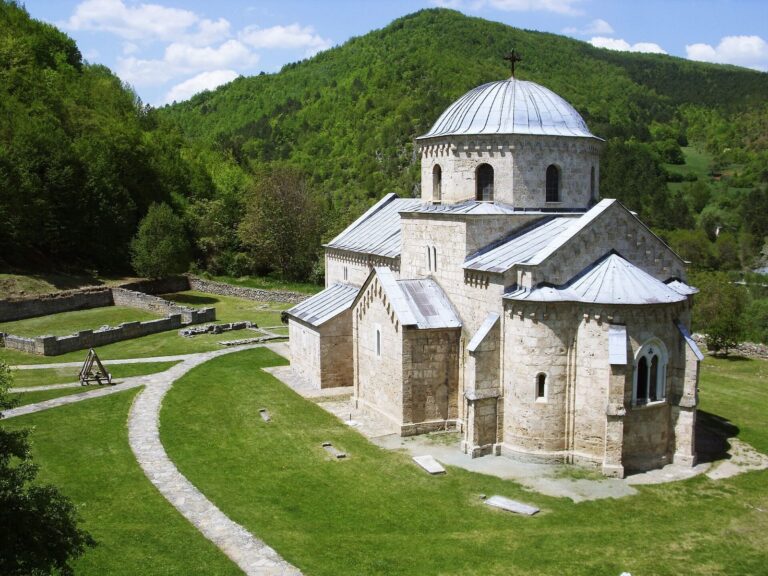
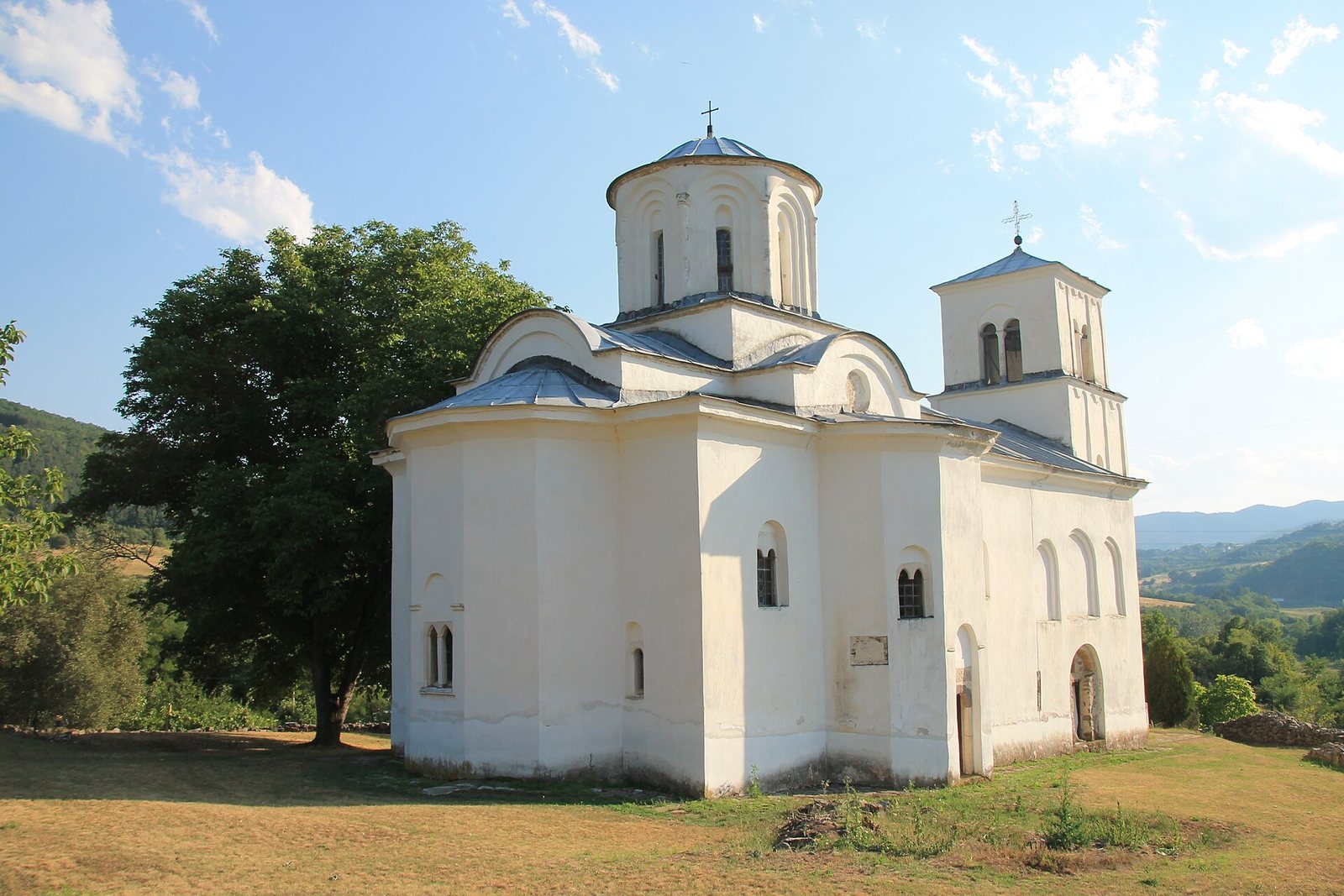
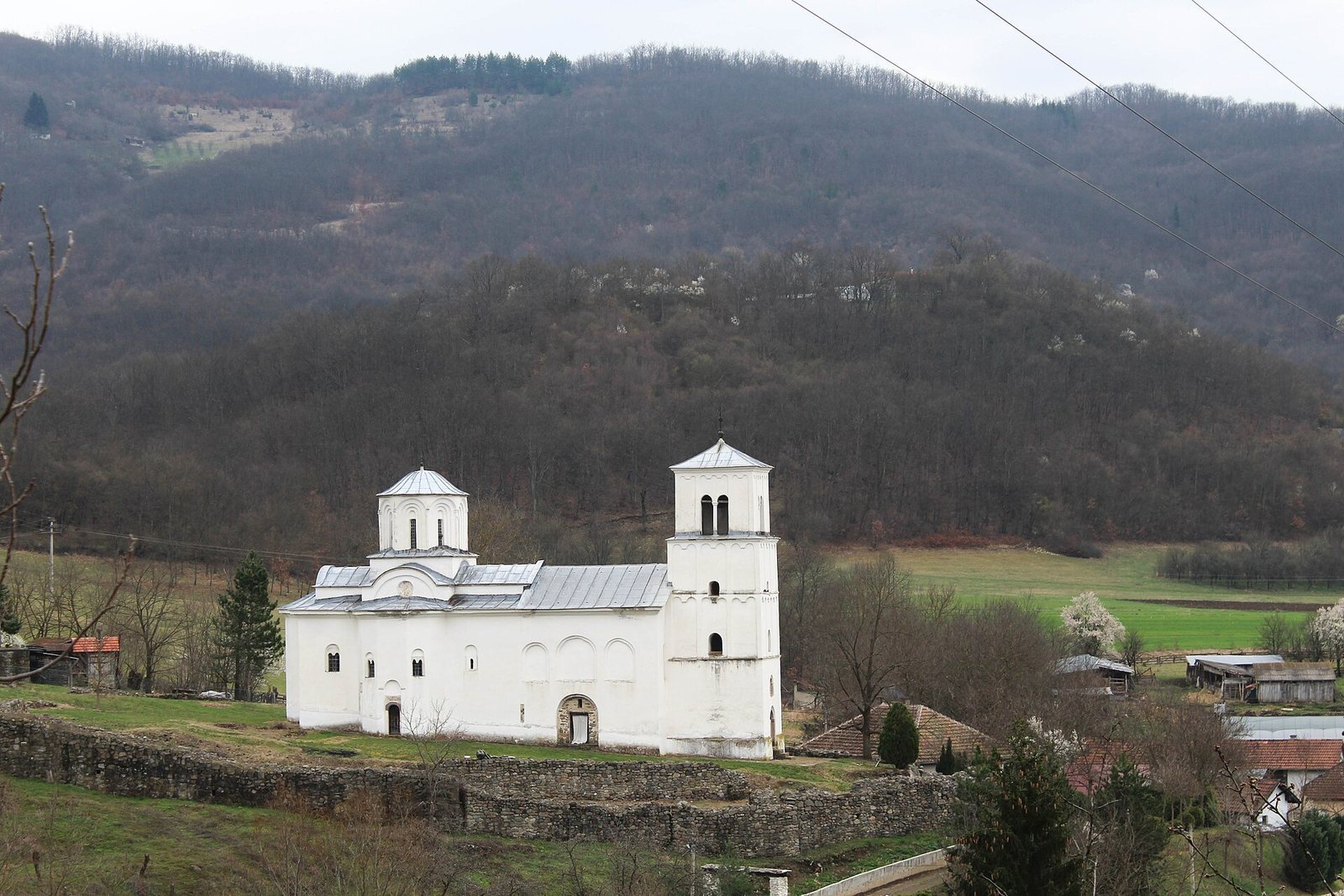
Nova Pavlica is a Serbian Orthodox monastery in Serbia, whose church was founded by Serbian nobles Stefan and Lazar Musić and completed between 1381 and 1388. The church follows the Morava style, a medieval Serbian architectural tradition, and was established as a women’s monastery. It is dedicated to the Presentation of the Mother of God in the Temple, a Christian feast commemorating Mary being brought to the Temple as a child.
The founders’ mother, Dragana, was the wife of Musa, a senior court official, and the sister of Prince Lazar, a Serbian ruler. She withdrew to the monastery, became a nun under the name Theodosia, and died there. The church stands in the territory of the medieval district of Brvenik. In 1363, with Emperor Uroš V’s approval, Musa and the Serbian nobleman Vojislav Vojinović made an exchange involving Brvenik and Zvečan; Musa gave Vojislav the town and district of Zvečan.
During the Battle of Kosovo in 1389, Stefan Musić was killed. The brothers are traditionally said to have died in the battle and to have been buried beneath their portraits in the church. After the battle, Prince Lazar’s body rested at Nova Pavlica overnight while being transferred to Ravanica.
Restoration and later history
In 1464, Metropolitan Joanikije of Raška, a senior Serbian Orthodox bishop, restored and enlarged the church. The work added a narthex, an entrance vestibule, and included frescoes commissioned at the request of Mihailo Anđelović, a high-ranking military and administrative official.
An Ottoman administrative register for the Brvenik district probably refers to the monastery as the “New Church.” The church’s façade was repaired in 1955. The monastery belongs to the Serbian Orthodox Church’s Eparchy of Žiča, an Orthodox diocese, and is protected as a cultural monument of great importance in Serbia.
Remains
Church and setting
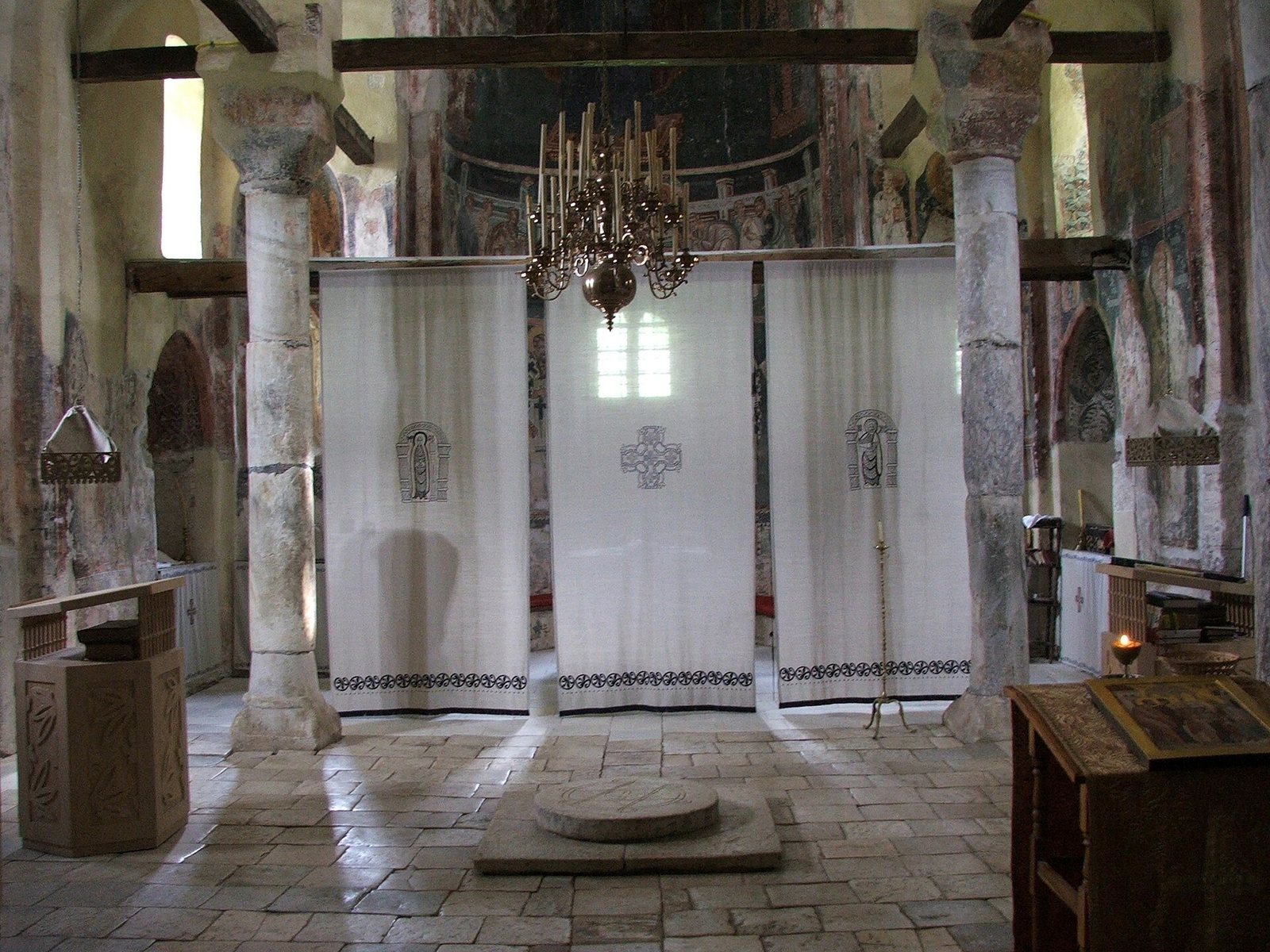
The church has a developed three-lobed plan, also known as a triconch, with a dome supported by columns. Its walls were plastered and painted from the outset, while the exterior ornament is comparatively restrained. The monastery is near the Ibar River, Stara Pavlica Monastery, and the remains of Brvenik Fortress. A massive bell tower has dominated the church’s western façade since the late nineteenth century.
Frescoes
Interior paintings
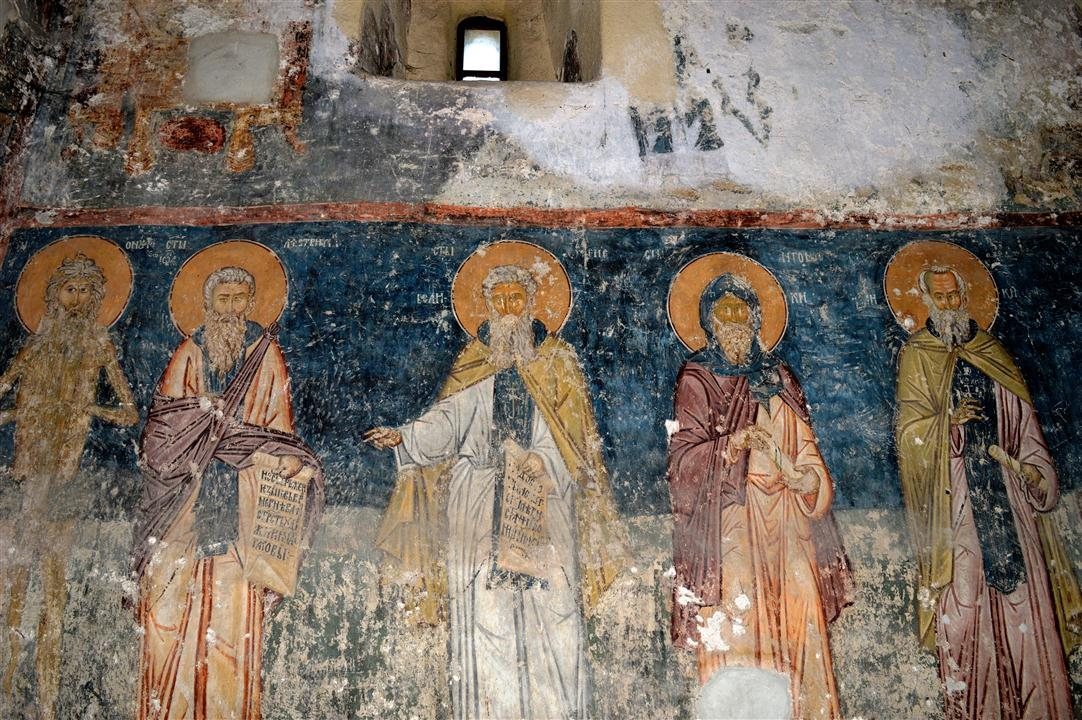
The church’s frescoes date to 1387. Surviving paintings include a depiction of the dead Christ in the prothesis chapel, the area used to prepare the bread and wine for the Eucharist, as well as portraits of the founders and Prince Lazar. The paintings are tentatively attributed to an artist from Macedonia.
Narthex paintings
Fragments of the narthex frescoes show the founders and Bishop Joanikije, and probably Mihailo Anđelović.