Ninekirks: St Ninian’s Former Parish Church at Brougham
Site at a Glance
- Rating
- 4.8
- Popularity
- Low
- Country
- United Kingdom
- Primary era
- Early Modern
- Eras represented
- Early Modern, Modern
- Civilizations
- British, English
- Site type
- Religious
- Remains
- Church
On this page11 sections
History
Roman and medieval origins
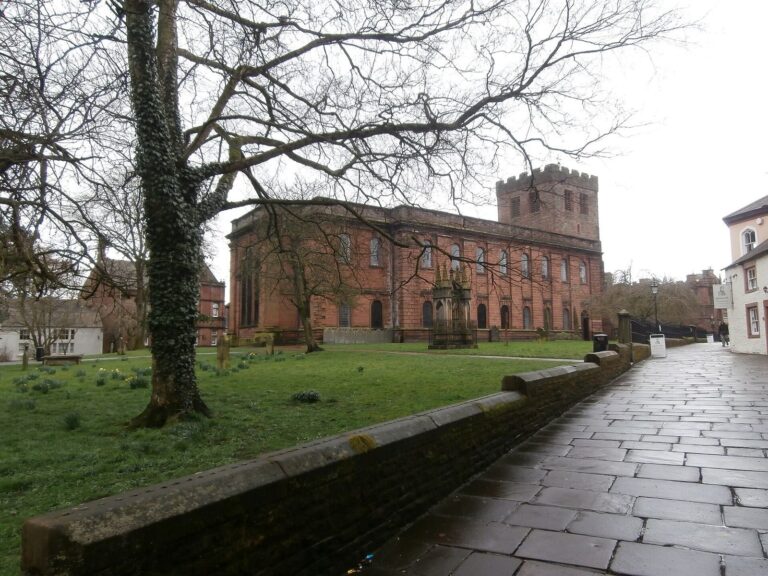
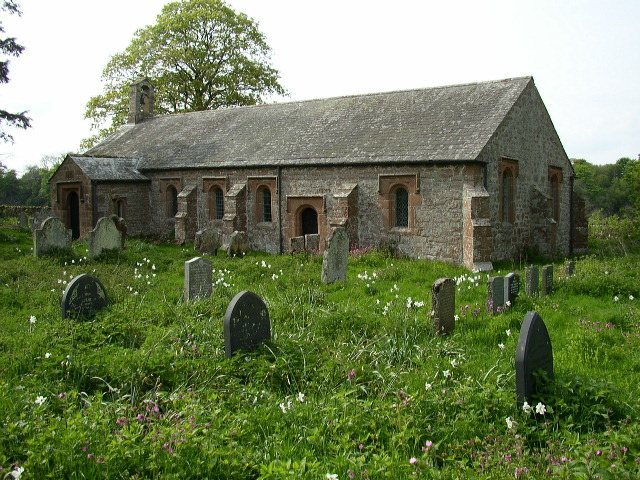
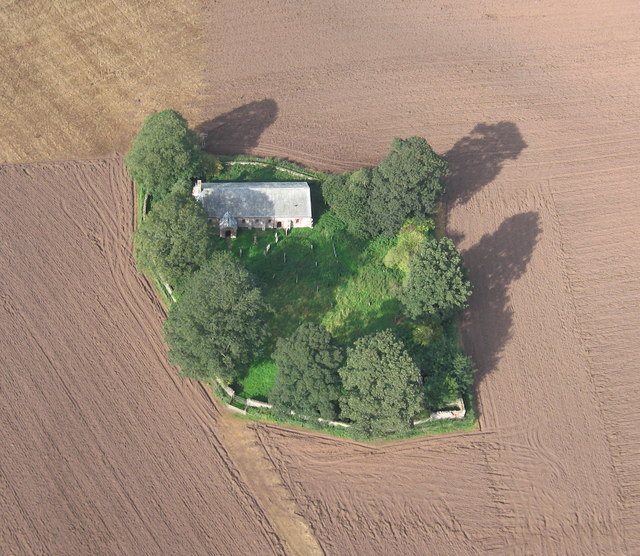
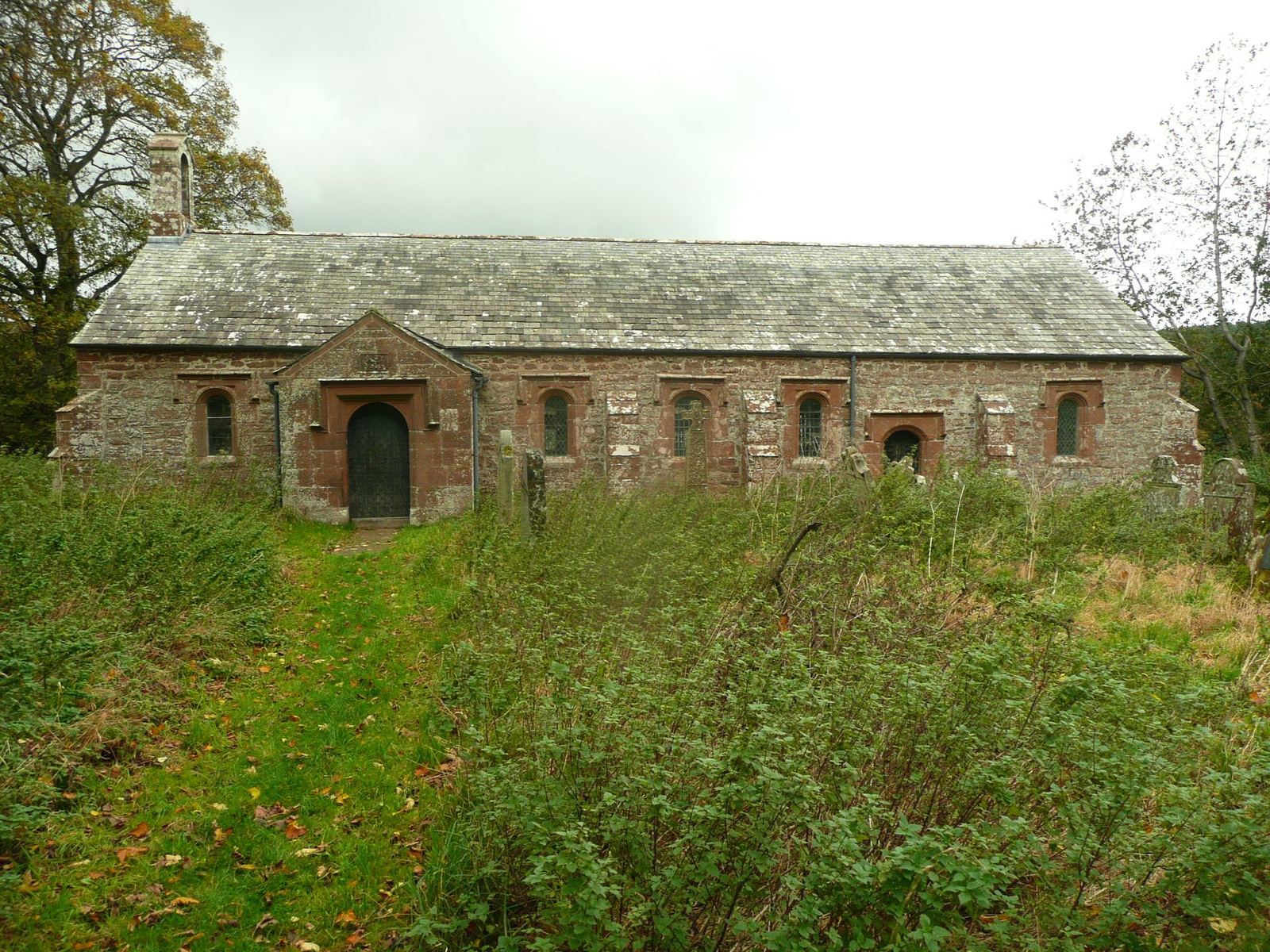
Ninekirks, the local name for St Ninian’s Church, is a former Anglican parish church at Brougham in Cumbria, United Kingdom. Dedicated to Saint Ninian, the early Christian saint traditionally associated with missionary activity in northern Britain, it served the parish of Brougham, which is now combined with Clifton.
The site has been occupied continuously since at least Roman times. The Roman fort of Brocavum stood nearby, close to the meeting of the Rivers Eamont and Eden, and a hoard of Roman coins found at Ninekirks provides evidence of Roman activity at the church site. The area was associated with Saint Ninian as a Christian site from an early date, although that connection is disputed. Possible occupation of nearby caves has also been cited as support for the idea that hermits used them.
Between 1230 and 1284, the local population centre shifted to the area near Brougham Hall. The Hall had a chapel from the fourteenth century, after which Ninekirks fell into disuse.
Reconstruction and later use
Lady Anne Clifford, then owner of Brougham Castle, reconstructed the church in 1659, completing the work in 1660. The rebuilding took place during the Commonwealth, the republican period between the abolition of the monarchy in 1649 and its restoration in 1660. Church construction was rare at that time, making Ninekirks an unusually early example of an English church rebuilt during the period.
Ninekirks was used when the chapel at Brougham Hall could not serve its usual purpose. From 1764 until the 1840s, weddings took place there while the chapel required repairs. Ninekirks itself was repaired during the 1840s, but George Shaw found it in poor condition when he visited in 1847.
The church closed in 1934 and became redundant in 1977. Under Rector Canon Bouch, it had a brief period described as a ‘golden age’ in the early 1950s. His interest is reflected in papers published in 1947, 1950 and twice in 1955 in the Transactions of the Cumberland and Westmorland Antiquarian and Archaeological Society. Ninekirks is a Grade I listed building, the highest category in England’s system for buildings of exceptional interest, and is now cared for by the Churches Conservation Trust, a charity that looks after historic churches no longer needed for regular worship.
Remains
The surviving remains centre on the church building, whose appearance is mainly seventeenth-century, and archaeological evidence from the church and its surroundings. The building has been altered little, with a porch added in the nineteenth century.
The church and its finds
Building and porch
The church retains its predominantly seventeenth-century character. A porch was added in 1841, providing a later addition to the building’s otherwise little-altered form.
Burials and hatchments
Excavations inside the church in 1846 uncovered burials attributed to Udard, also known as Odard, de Broham, who died around 1185, and Gilbert de Broham, who died around 1230. The interior also contains three hatchments, painted heraldic panels traditionally displayed in connection with a deceased person or family. One is associated with Elizabeth Richmond, who died in 1729, and Peter Brougham, who died in 1732. Another commemorates Eleanora Syme, who died in 1839, and her husband Henry Brougham, who died in 1810 and was the father of the first Baron. The third is for Henry Brougham, first Baron Brougham and Vaux, who died in 1868, and Mary Anne Eden, who died in 1865.
Roman coin hoard
The Ninekirks Hoard, discovered at the site in 1914, consists of barbarous radiates, unofficial imitations of Roman radiate coins, especially those associated with the later Roman Empire.
Nearby archaeological features
Isis Parlis caves
Caves at Isis Parlis lie on the north bank of the River Eamont. Excavations there in 1913 examined how the caves formed and how they had been used. Possible occupation in the caves has been considered in connection with the proposed early hermit use of the area.
Crop marks
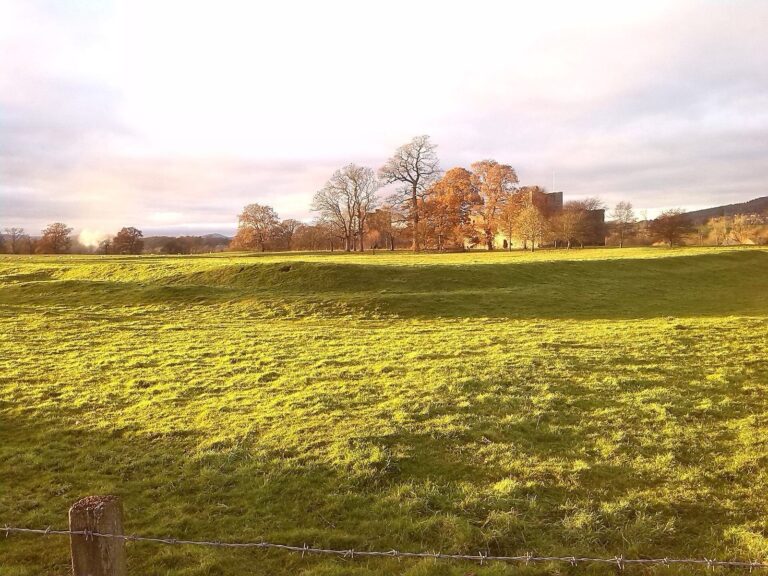
Crop marks visible in an aerial photograph taken in 1968 were interpreted as consistent with a small monastic site.