Necropolis of Manduria: A Messapian Burial Ground and Archaeological Park
Site at a Glance
- Popularity
- Medium
- Country
- Italy
- Primary era
- Classical
- Eras represented
- Iron Age, Classical, Medieval
- Civilizations
- Byzantine
- Site type
- City
On this page9 sections
History
The Necropolis of Manduria is an archaeological park in Italy’s province of Taranto, preserving a pre-Roman Messapian city and its burial ground. The Messapians were an ancient people of southeastern Italy. The city’s three circuits of walls were built in successive phases from the fifth to the third century BCE.
The Messapian city and sacred well
In 338 BCE, Archidamus III, king of Sparta, was killed beneath the intermediate wall. After Quintus Fabius Maximus, a Roman statesman and military commander, assaulted the city, its walls were not rebuilt.
The Fonte Pliniano is almost certainly of Messapian date and served in antiquity as a place of worship for a Messapian deity. Pliny the Elder described the well in his Natural History, and it was later named after him.
San Pietro Mandurino
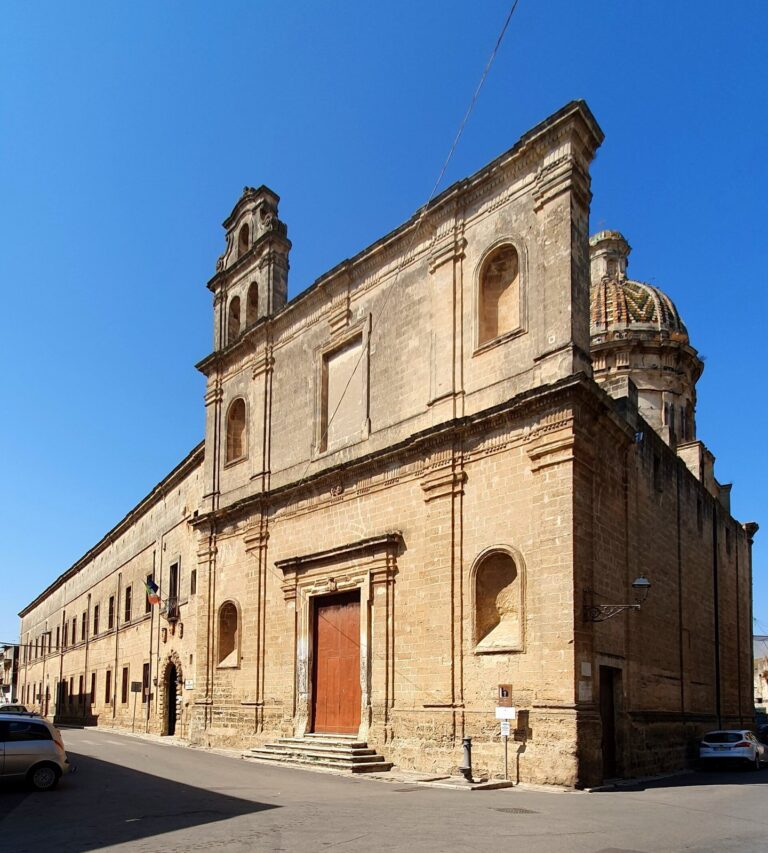
San Pietro Mandurino probably began as a Hellenistic chamber tomb, a burial structure with an enclosed chamber. The Hellenistic period followed the campaigns of Alexander the Great and brought wider Greek cultural influence. An underground crypt for Byzantine worship was built between the eighth and ninth centuries. The upper church dates to the tenth through twelfth centuries.
The church was later abandoned. In 1724, the bishop of Oria arranged its restoration, commemorated by a plaque. Heavy alterations in the eighteenth and nineteenth centuries make the church’s frescoes difficult to date. Medieval tombs beneath the floor were discovered in 1972.
Discovery and excavation
Quintino Quagliati, an Italian archaeologist responsible for archaeological heritage in Apulia, discovered the necropolis in 1932 and placed it under protection. Later excavations revealed further tombs and grave goods.
Remains
The defensive circuits
The archaeological park covers about 15 hectares northeast of Manduria. Its innermost wall circuit, built between the fifth and fourth centuries BCE, measures 2,187 metres around and 842 metres across. Large blocks of local stone were fitted together without mortar. A ditch in front of the wall is four metres wide and four metres deep. The intermediate circuit, built in the fourth century BCE along the same perimeter, was constructed by filling the earlier ditch.
Built around the third century BCE, the outer circuit is the best-preserved and most imposing. Its squared stone blocks, laid in regular courses using opus quadratum, form a wall 3,382 metres in perimeter and 1,290 metres across. The wall reaches five metres in both height and thickness; the ditch outside it is 6.5 metres wide and five metres deep. Roads around the walls linked the city’s interior and exterior through regularly spaced gates protected by small towers.
The burial ground
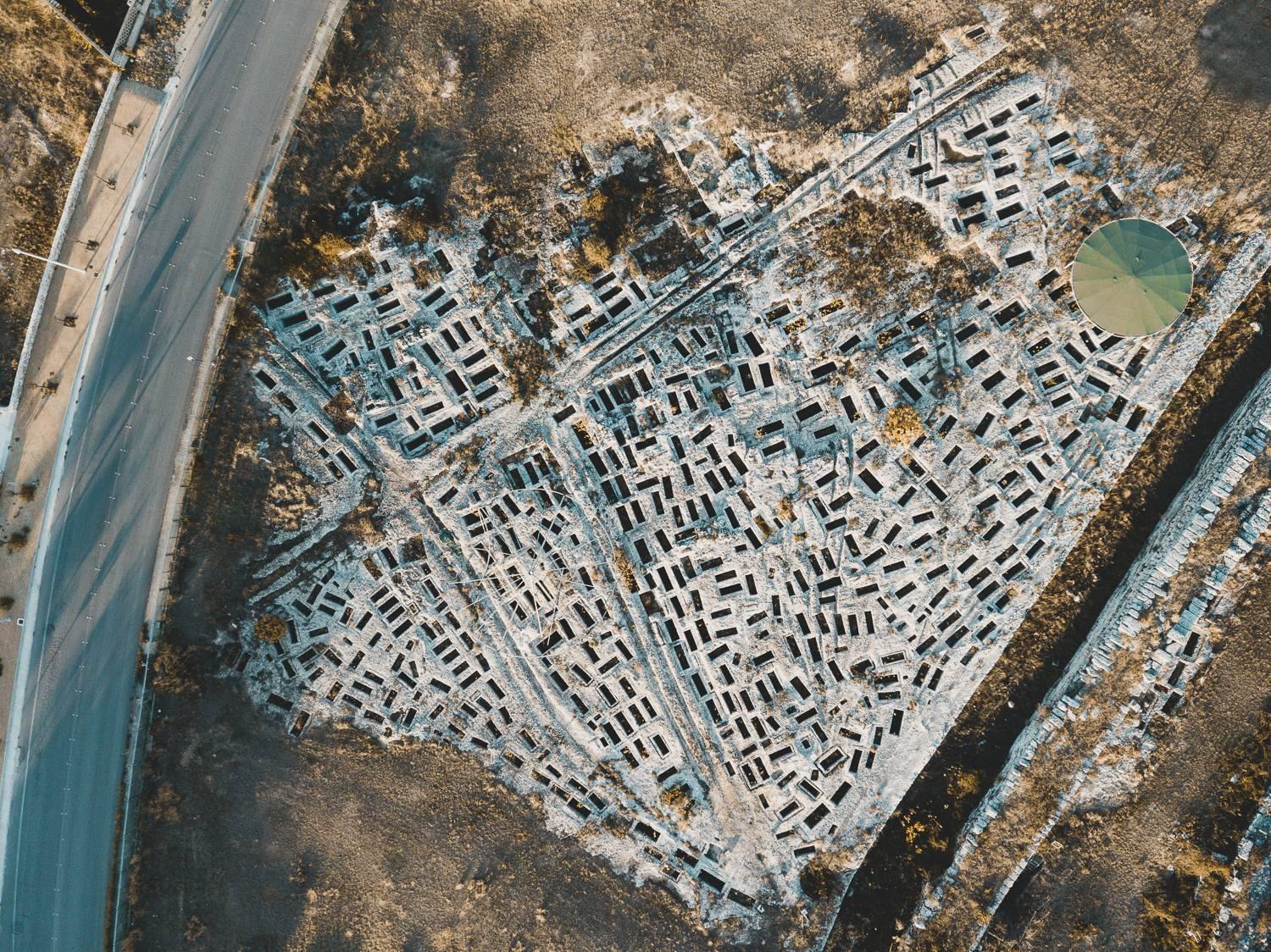
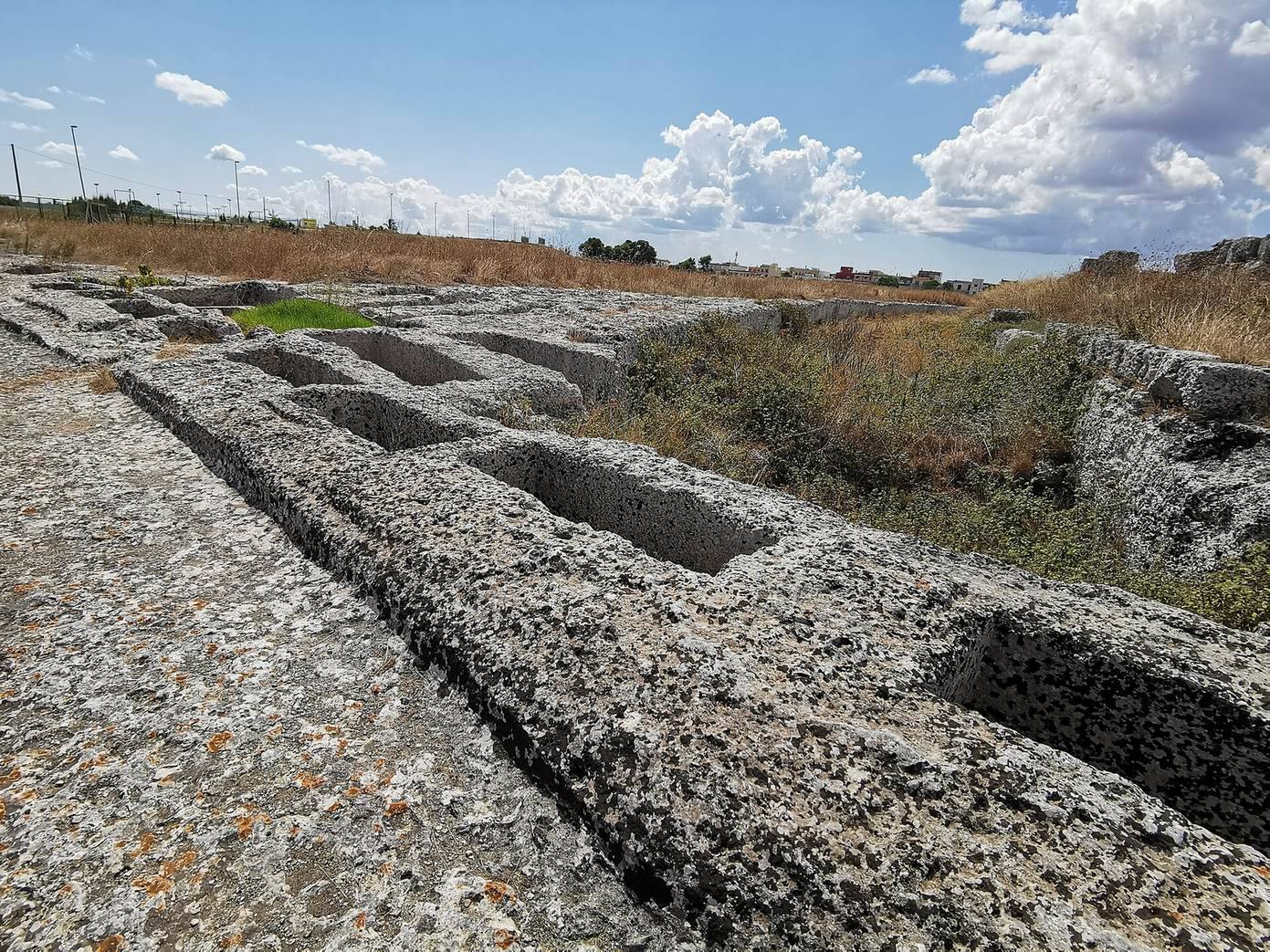
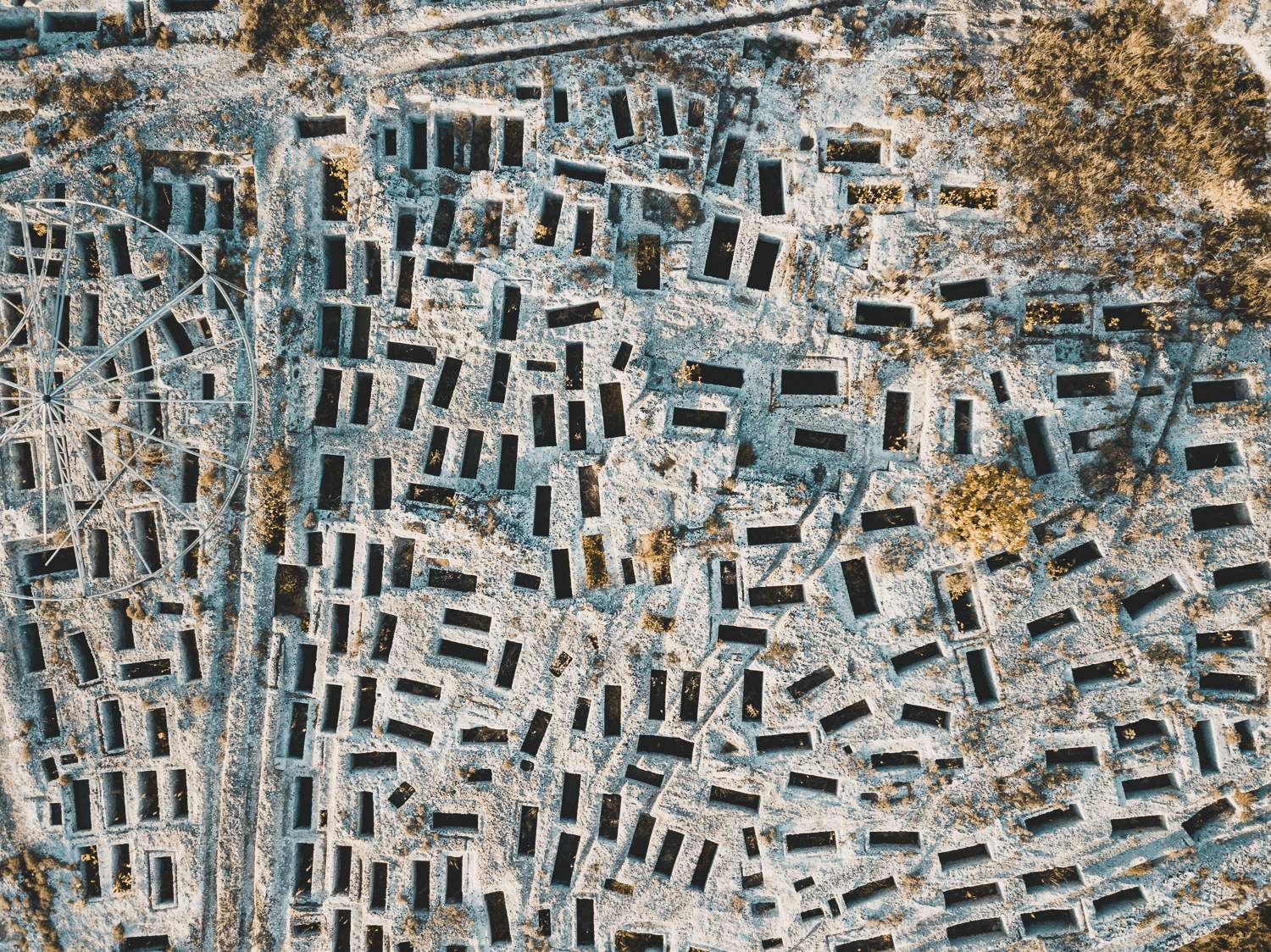
Inside the city and close to its walls, the necropolis contains about 2,500 tombs dating broadly from the seventh to the second century BCE. Rectangular pit tombs are common and occur in groups that may reflect social class. Many have plastered surfaces with traces of painted decoration. Excavated graves have yielded grave goods.
The Fonte Pliniano
The well lies inside a natural cave described as 18 metres in diameter and eight metres across. Twenty steps cut into the rock lead down to it. A square opening in the cave’s vault admits light, and a cylindrical structure there is associated with a centuries-old legend that an almond tree grows from it. An underground aquifer continually supplies both the well and a nearby basin.
San Pietro Mandurino
The church is aligned east to west and follows the Greek rite, an Eastern Christian liturgical tradition distinct from the Latin rite. It has two naves and two apses divided by three pillars. A large central arch separates the building into two spaces, one with a domed vault and the other with a barrel vault. Frescoes depicting saints cover parts of the church and the crypt below; they may be Byzantine. Medieval tombs lie beneath the church floor.