Necropolis of Cafaggio: A Ligurian Apuani Cemetery in Italy
Site at a Glance
- Popularity
- Very Low
- Country
- Italy
- Primary era
- Iron Age
- Eras represented
- Iron Age
- Civilizations
- Unclassified
- Site type
- Burial
- Remains
- Necropolis
On this page6 sections
History
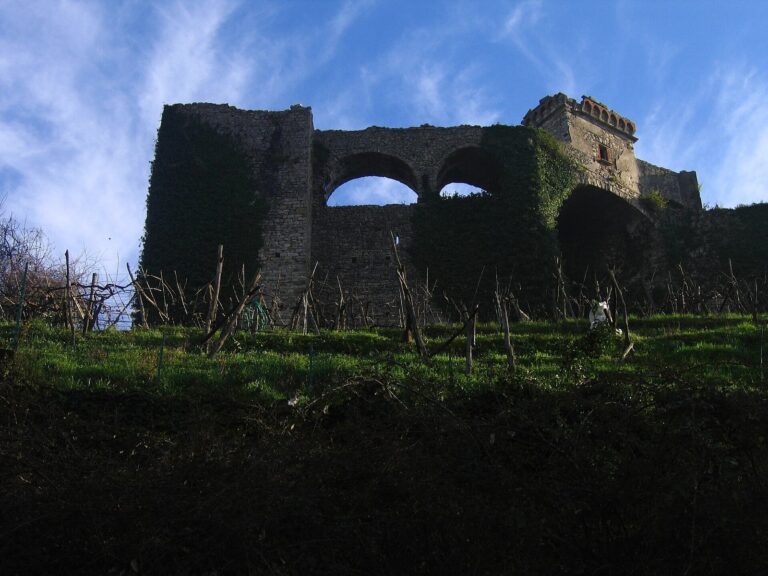
The necropolis of Cafaggio is a cemetery of the Ligurian Apuani at the foot of Costa Celle in Ameglia, Italy. It was used chiefly in the final quarter of the fourth century BC and served a large Apuani settlement, whose exact extent and position are unclear. The site’s closeness to a maritime landing place, alongside evidence of exchange with Tuscany, Latium, and the Po Valley, points to considerable cultural and material wealth.
The Apuani and Roman expansion
The Apuani were involved in events surrounding Rome’s establishment of the colony of Luni in 177 BC. The Roman historian Livy recounts that around 180 BC more than 45,000 Apuani were deported to Samnium, a region of central Italy, in an effort to end their resistance to Roman occupation.
Use and archaeological exploration
A landslide brought the cemetery’s initial period of use to an end. The area became a burial ground again in the first and second centuries AD, although those later burials cannot be dated more precisely. Archaeological exploration began in 1976, with further campaigns in 1985 and 1986. The archaeologist Anna Durante was associated with the excavations.
Remains
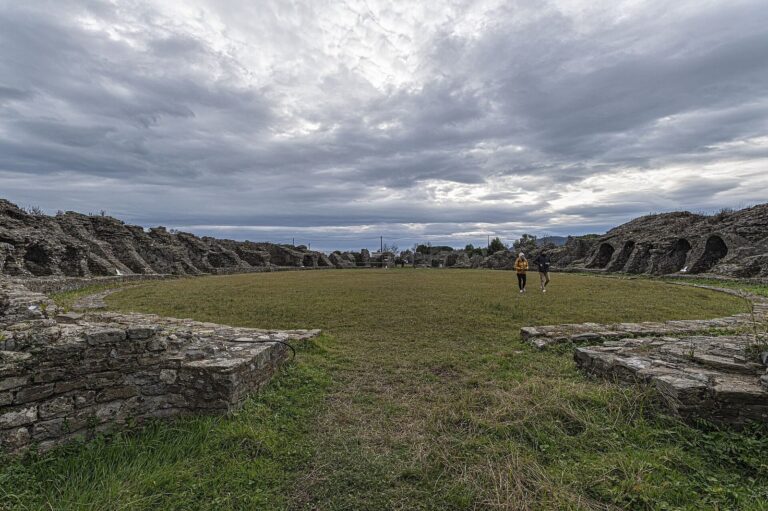
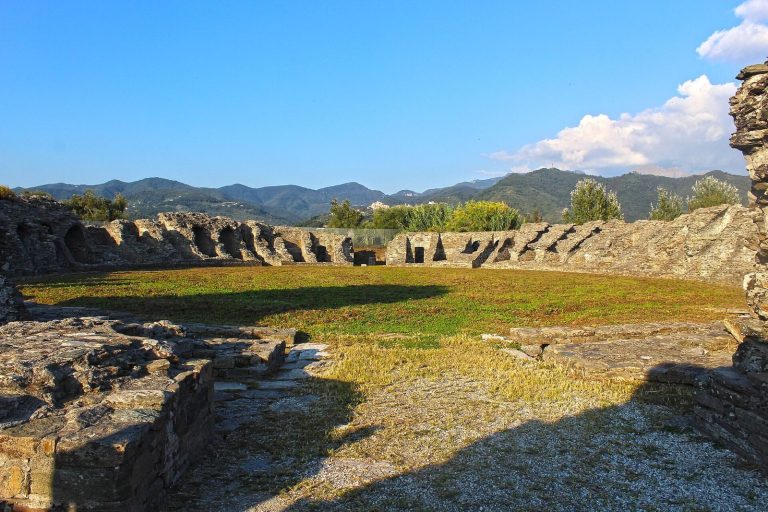
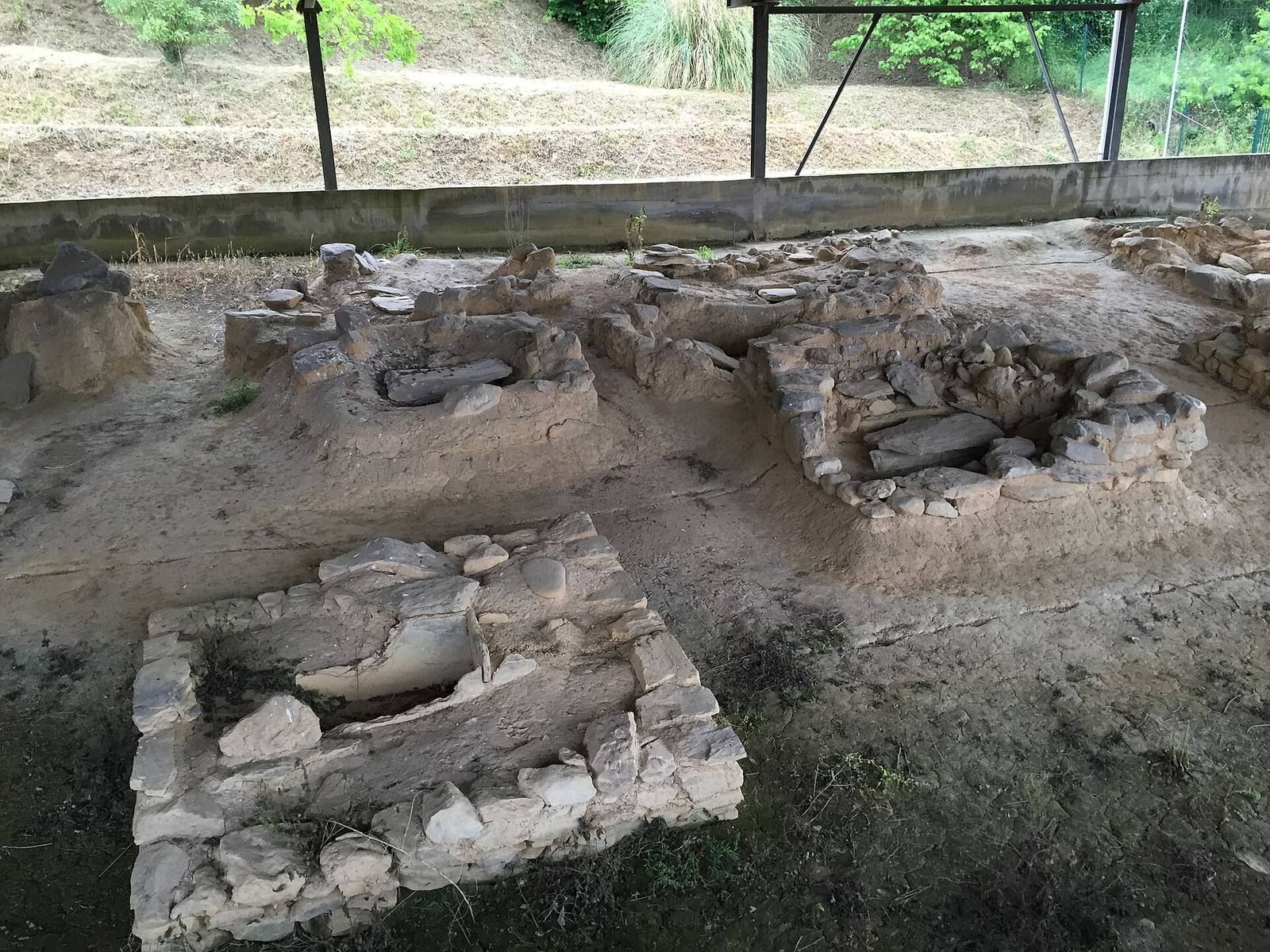
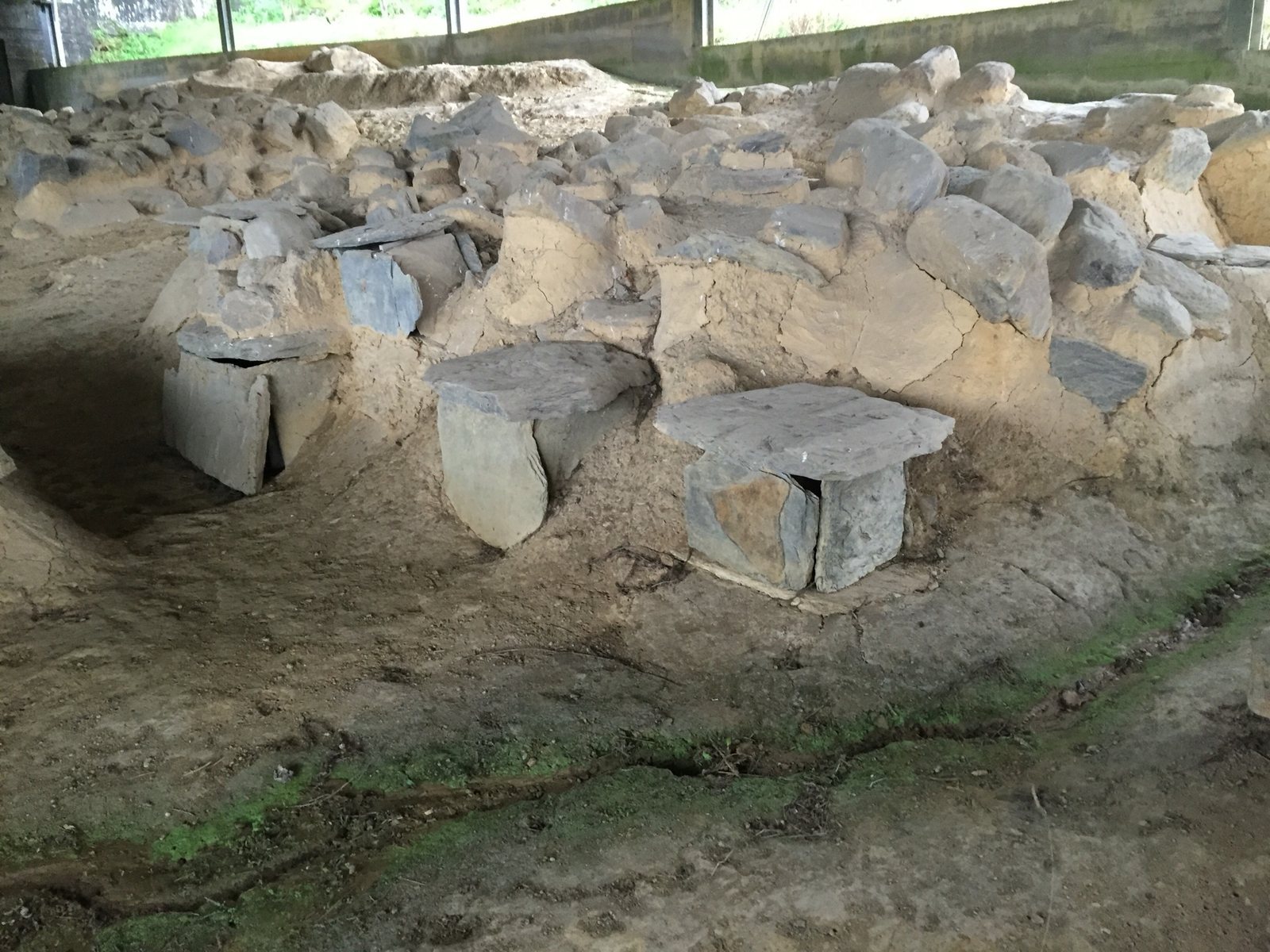
The excavated cemetery has two alignments of burials and a wall along its southern side. Its tombs combine stone-slab burial containers with dry-stone enclosures and stone markers.
Burial layout and tombs
Excavations revealed 54 tombs and remains representing about 80 people. Each burial monument consisted of a dry-stone wall surrounding an area of varying complexity, probably associated with a family group. Within an enclosure, one or more cists, small stone-built burial containers, held the deceased’s ashes and grave goods. The slabs came from a nearby promontory, and stone mounds placed above the cists marked the graves.
Cremation vessels and grave goods
Cinerary urns, vessels for cremated remains, were generally covered by an inverted black-glazed bowl made by the Etruscans, an ancient people of central Italy. The arrangement of the burial areas has parallels in Liguria’s Iron Age, a period when iron became widely used for tools and weapons, including at the nearby necropolis of Chiavari. Earrings, pendants, rings of bronze, silver, gold, and glass, and terracotta spindle whorls, weights used in spinning thread, were associated with female burials; many of the rings came from Latium, the region around Rome. Helmets, swords, and spears marked male burials. Many weapons had decoration associated with Celtic traditions of the Po Valley, while javelins were characteristic of Ligurian peoples. Silver, bronze, or iron fibulae, brooches used to fasten clothing, along with vessels and cups, occurred in burials of both sexes.