Nadezhda Hillfort: An Iron Age Settlement in Russia
Site at a Glance
- Popularity
- Very Low
- Country
- Russia
- Primary era
- Classical
- Eras represented
- Classical
- Civilizations
- Unclassified
- Site type
- Military
- Remains
- Fort
On this page9 sections
History
Nadezhda Hillfort is an Iron Age settlement near the settlement of Nadezhda in Russia’s Oryol Region. Archaeological finds indicate that it was occupied from the fourth to the second centuries BC. The date when occupation ended is uncertain, though it may have continued into the first centuries AD.
Three excavation trenches investigated a total of 400 square metres. The hillfort is designated a cultural heritage site of federal significance in Russia.
Remains
Setting and defenses
Promontory
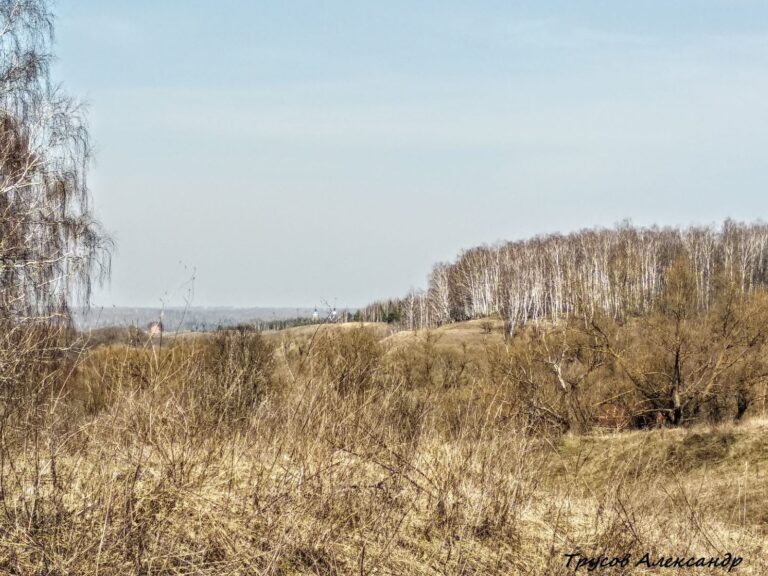
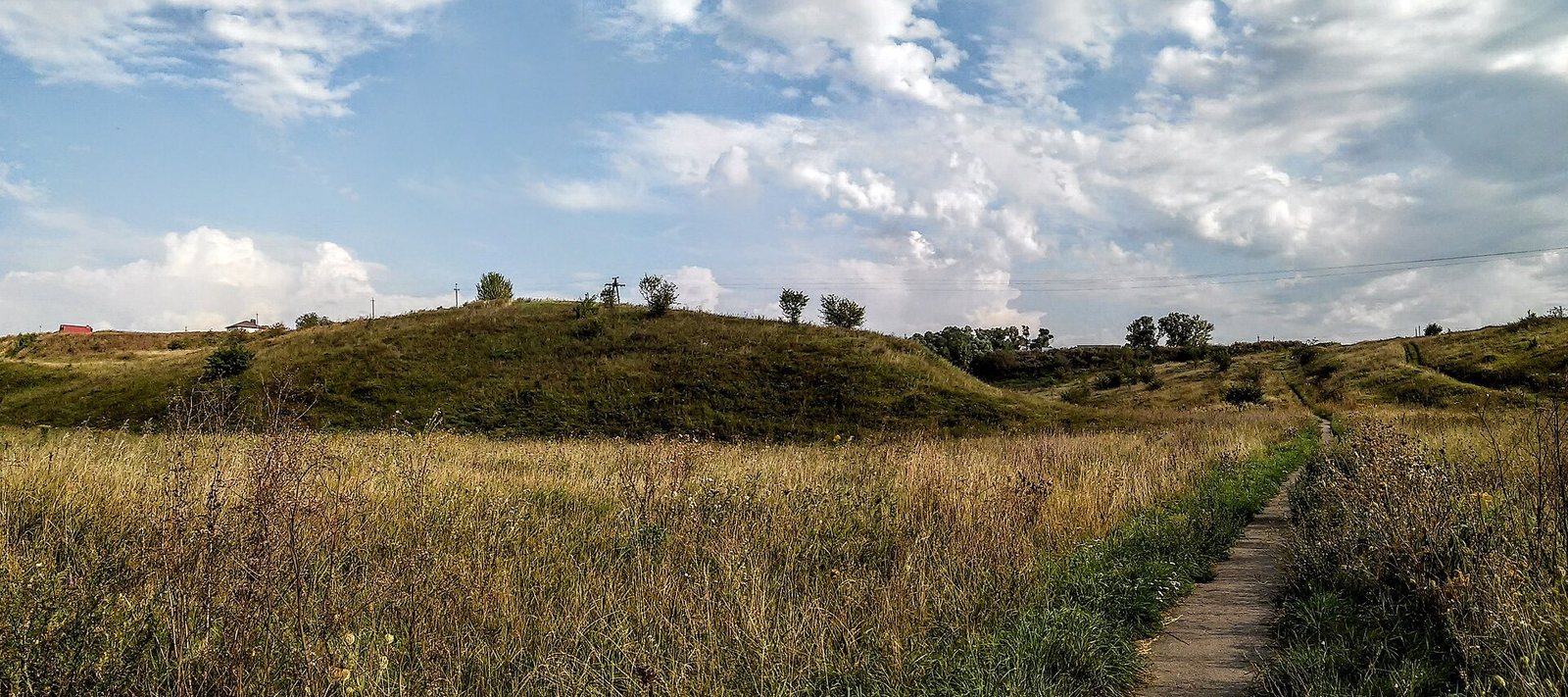
The site occupies a promontory on the high right bank of the Orlik River, 70 metres from the riverbank. The landform is 55 metres long and 36 metres wide. Its steep slopes have slumped, while the archaeological site and its cultural layer remain in good condition. The soil layer containing accumulated evidence of human activity ranges from 20 centimetres thick to 1.2 metres near the rampart.
Ramparts and ditch
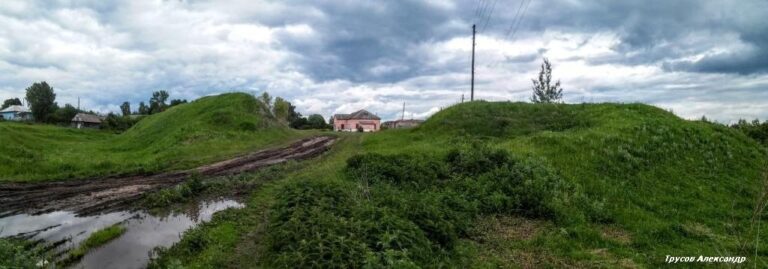
Two low defensive banks of earth protect the landward side, with a ditch between them. The ditch is 1.7 metres deep and may have held water. The inner bank measures about 6.5 metres across at its base.
Archaeological finds
Ceramics
The principal surface finds are ceramics resembling Yukhnov-type pottery, associated with the Iron Age Yukhnov culture of parts of present-day Ukraine and western Russia. The resemblance does not by itself establish that the settlement belonged to that culture. The vessels have thin walls, 3 to 5 millimetres thick, and were made from gray clay mixed with sand and grit; they were poorly fired. Most are undecorated. On the few decorated examples, patterns appear mainly around the rim, including concentric circles, semicircles, and chains of round, rectangular, and triangular impressions. Similar pottery occurs at other settlements in the Upper Oka basin dating to the late first millennium BC and the beginning of the Common Era.
Metal and glass objects
The bronze finds include fragments of bracelets and plaques of La Tène type, a form associated with the Iron Age material culture of central Europe. These objects do not, on their own, establish a cultural affiliation for the hillfort. The only iron object found is a knife with a humped back. A green zonal glass bead was also recovered.
Clay objects
Clay finds include spherical, disk-shaped, and double-trapezoidal spindle whorls, small weighted tools used to spin fibers into thread. Some bear patterns or impressions. Other objects include fishing weights of varied shapes and potato-sized clay balls used as missiles against enemies.