Muhafiz Khan Mosque: A Gujarat Sultanate Mosque in Ahmedabad
Site at a Glance
- Rating
- 4.5
- Popularity
- Low
- Country
- India
- Primary era
- Medieval
- External website
- Open
- Eras represented
- Medieval
- Civilizations
- Unclassified
- Site type
- Religious
- Remains
- Mosque
On this page6 sections
History
Construction under the Gujarat Sultanate
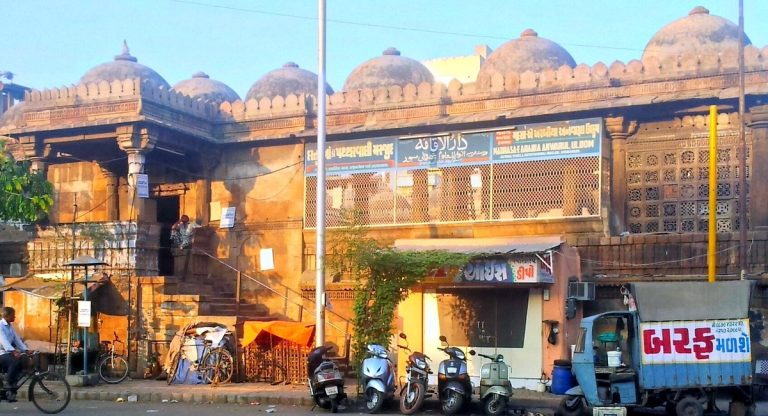
Muhafiz Khan Mosque is a fifteenth-century Islamic mosque in Ahmedabad, Gujarat, India. Built under the Gujarat Sultanate, it was completed in 1465 during the reign of Mahmud Shah I, the fifteenth-century sultan who ruled Gujarat from 1458 to 1511. The mosque is named after Jamal-ud-din Muhafiz Khan, identified as the region’s governor at the time, and is regarded as an example of Gujarat Sultanate architecture.
The building is protected as a Monument of National Importance under the Archaeological Survey of India’s reference number N-GJ-26. The Archaeological Survey of India is India’s national institution for archaeological research, monument conservation, and the protection of designated heritage sites.
Damage and restoration
Muhafiz Khan Mosque suffered extensive damage during the communal violence of 2002. Intricate carved decoration on its southern elevations was damaged, and Afzal Khan described the destruction as irreparable. The condition of shrines and mosques damaged in the violence became the subject of debate in Parliament, while the Indian History Congress, an academic organization devoted to Indian history, asked the Archaeological Survey of India to restore and rebuild religious structures.
Restoration work was completed by 2006, after which the mosque was reopened to the public. The intervention forms part of the building’s modern history, following the loss and repair of elements that had contributed to its carved architectural character.
Remains
Building and facade
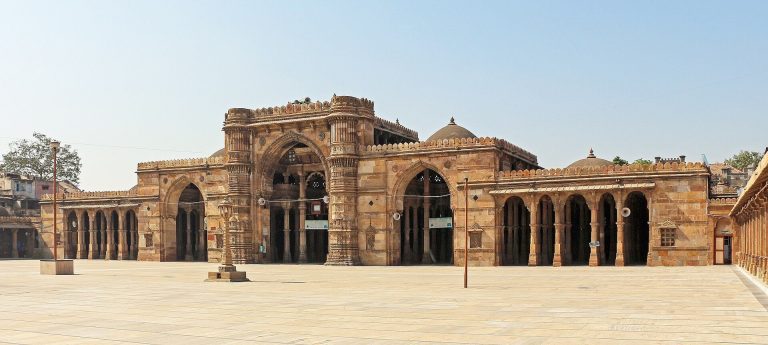
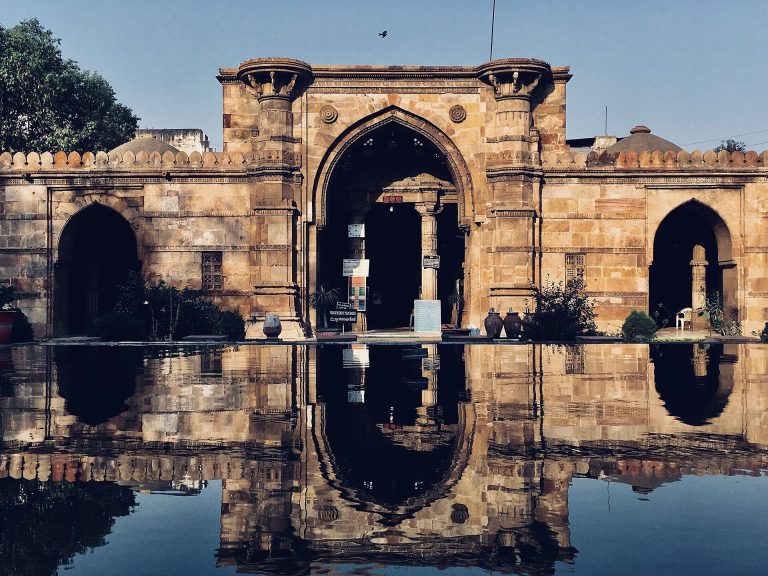
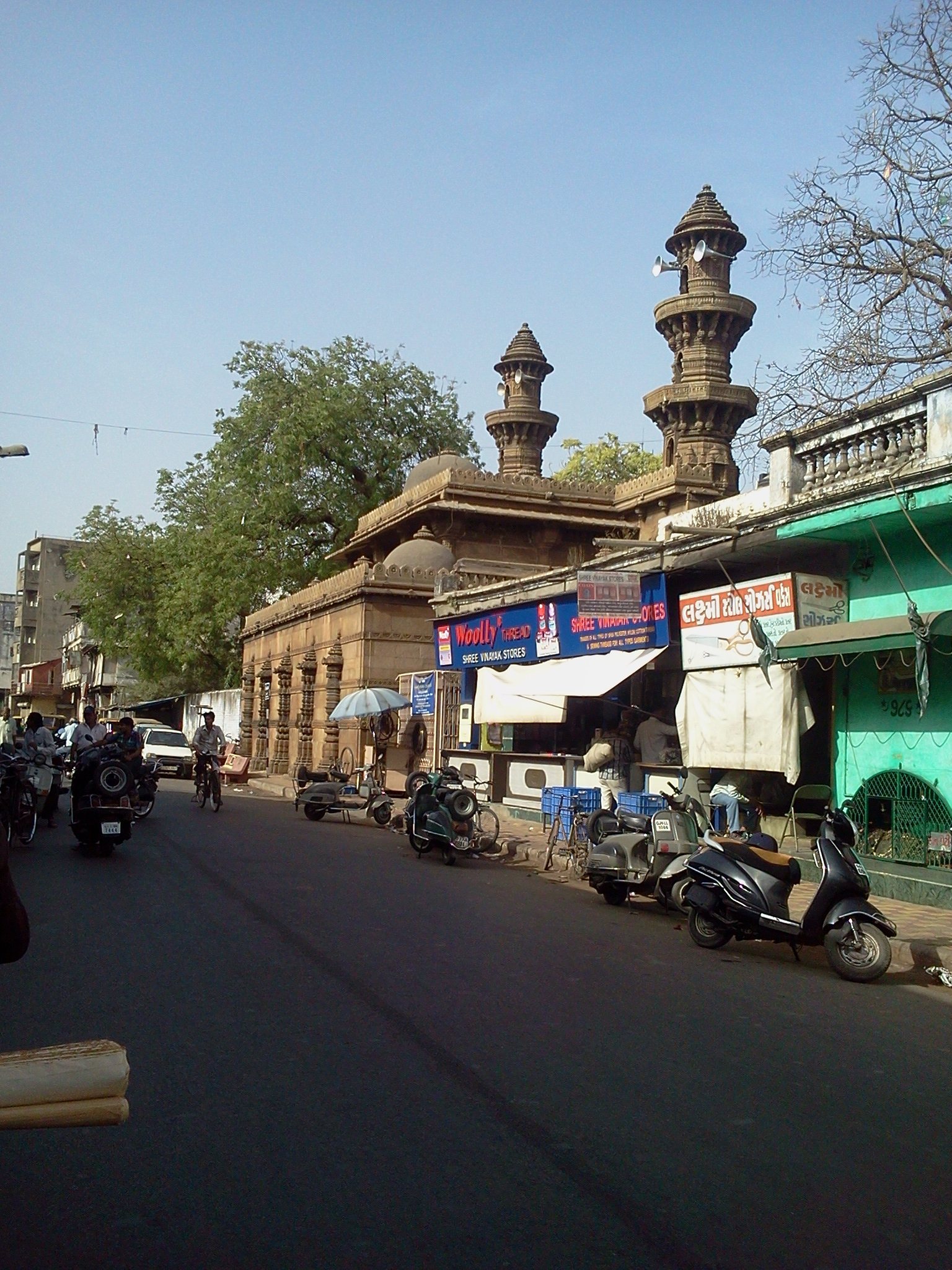
Muhafiz Khan Mosque measures approximately 16 by 11 metres. Its facade is arranged around three arched entrances, with a richly carved minaret, a tower associated with a mosque and traditionally connected with the call to prayer, at each end. The two minarets rise to approximately 15 metres. The design has similarities to the Isanpur Mosque and was described as introducing a new architectural style to Ahmedabad.
Intricate carved decoration survives as a defining feature of the southern elevations, although this area was damaged in 2002 and later included in the restoration of the mosque.
Wooden replicas
Between approximately 1880 and 1885, Alexander Forbes, a Scottish civil servant and antiquarian associated with the study of Gujarat, commissioned wooden replicas of Muhafiz Khan Mosque. He took the replicas to England, and they are now part of the permanent collection of the Victoria and Albert Museum in London.