Mu’allaq Mosque: An Early Ottoman Mosque in Tripoli

Site at a Glance
- Rating
- 4.6
- Popularity
- Very Low
- Country
- Lebanon
- Primary era
- Early Modern
- Eras represented
- Early Modern
- Civilizations
- Ottoman
- Site type
- Religious
- Remains
- Mosque
On this page4 sections
History
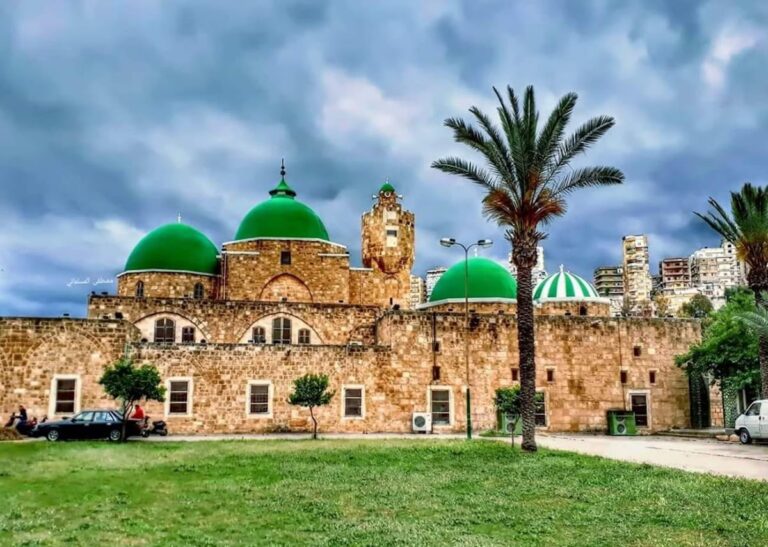
Mu’allaq Mosque is an early Ottoman mosque in Tripoli, Lebanon, constructed in 1559 during the period when the Ottoman Empire governed Tripoli and much of Syria and Lebanon. It was commissioned by Mahmud ibn Lutfi al-Za’im, the Ottoman governor of Tripoli, during the reign of Sultan Suleiman the Magnificent. The mosque stands in the al-Haddadin quarter and remains active.
A stone foundation inscription records the mosque’s completion in Rabi al-Awwal of AH 969, corresponding to November–December 1561. Other inscriptions connected with the building refer to activity in AH 963 and AH 967. These texts identify Mahmud ibn Lutfi al-Za’im as the builder and combine foundation statements with Qur’anic passages.
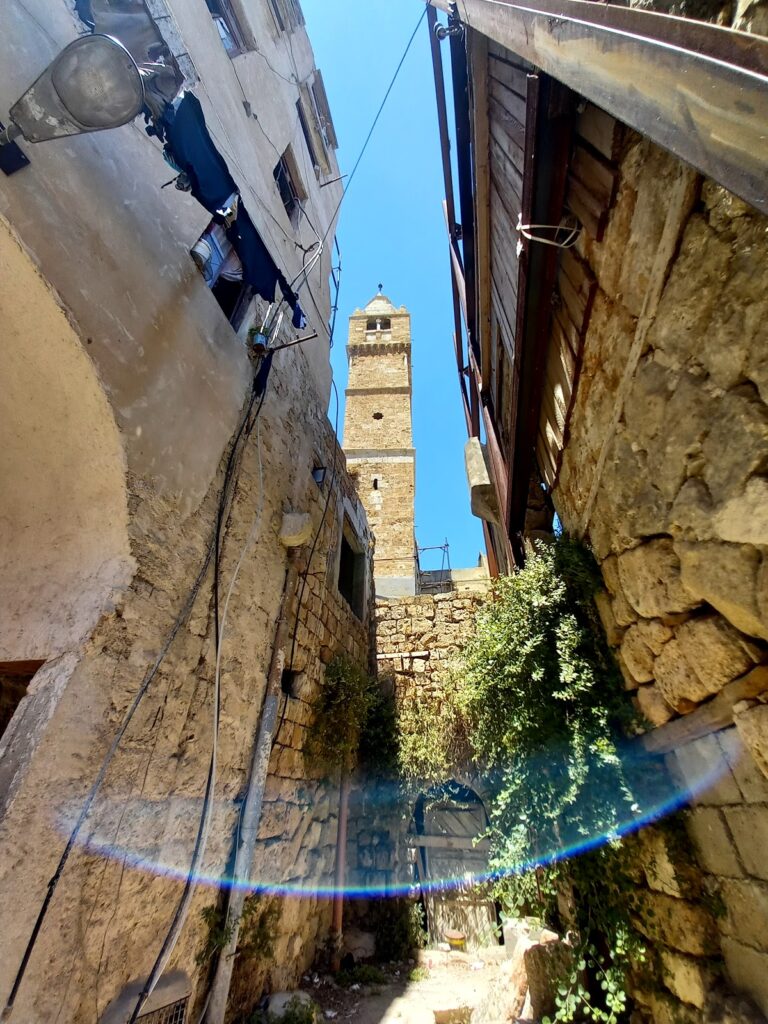
The building was also called the Mahmudiyya Mosque, a name derived from its founder. Its better-known name, Mu’allaq, means “hanging mosque” and refers to its elevated position above a street. A principal street passes beneath the mosque and continues toward the Attarine Market. The building is approximately 100 metres south of al-Tahham Mosque.
Remains
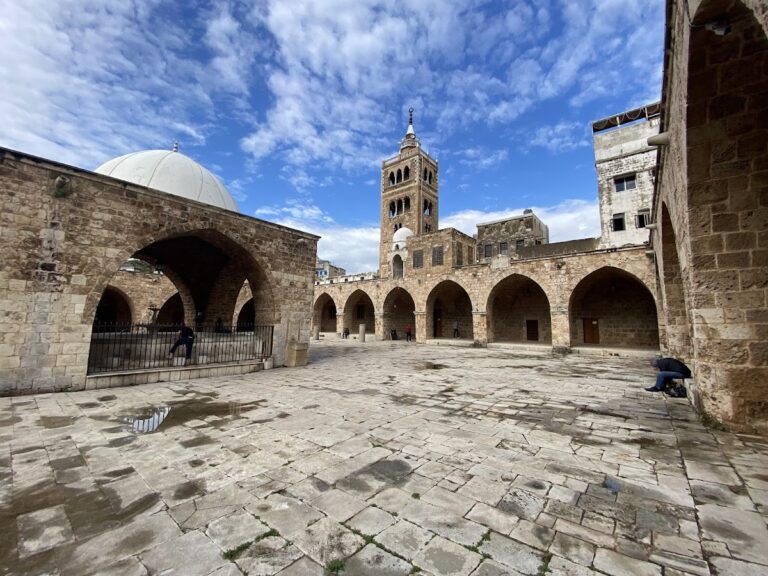
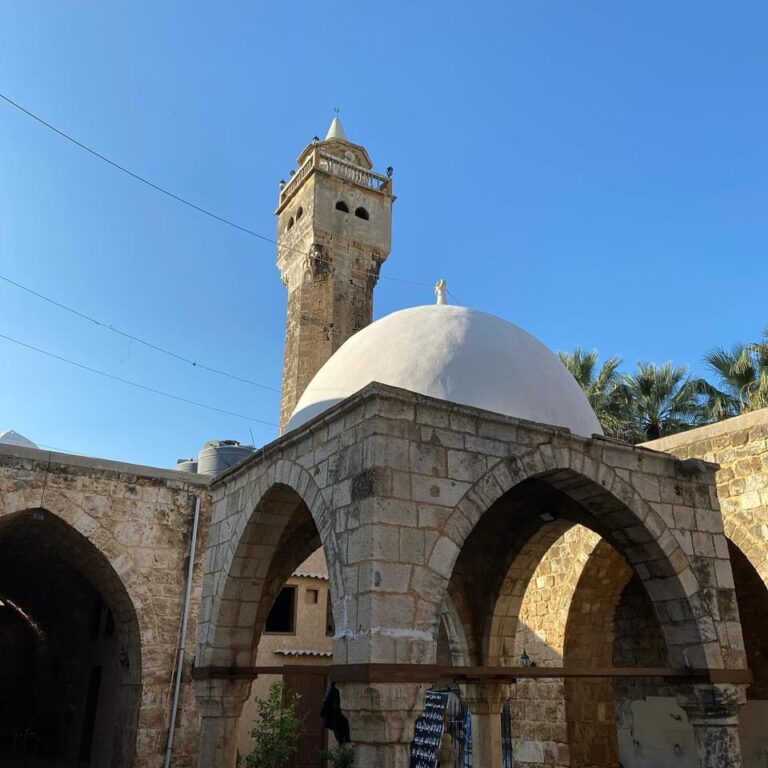
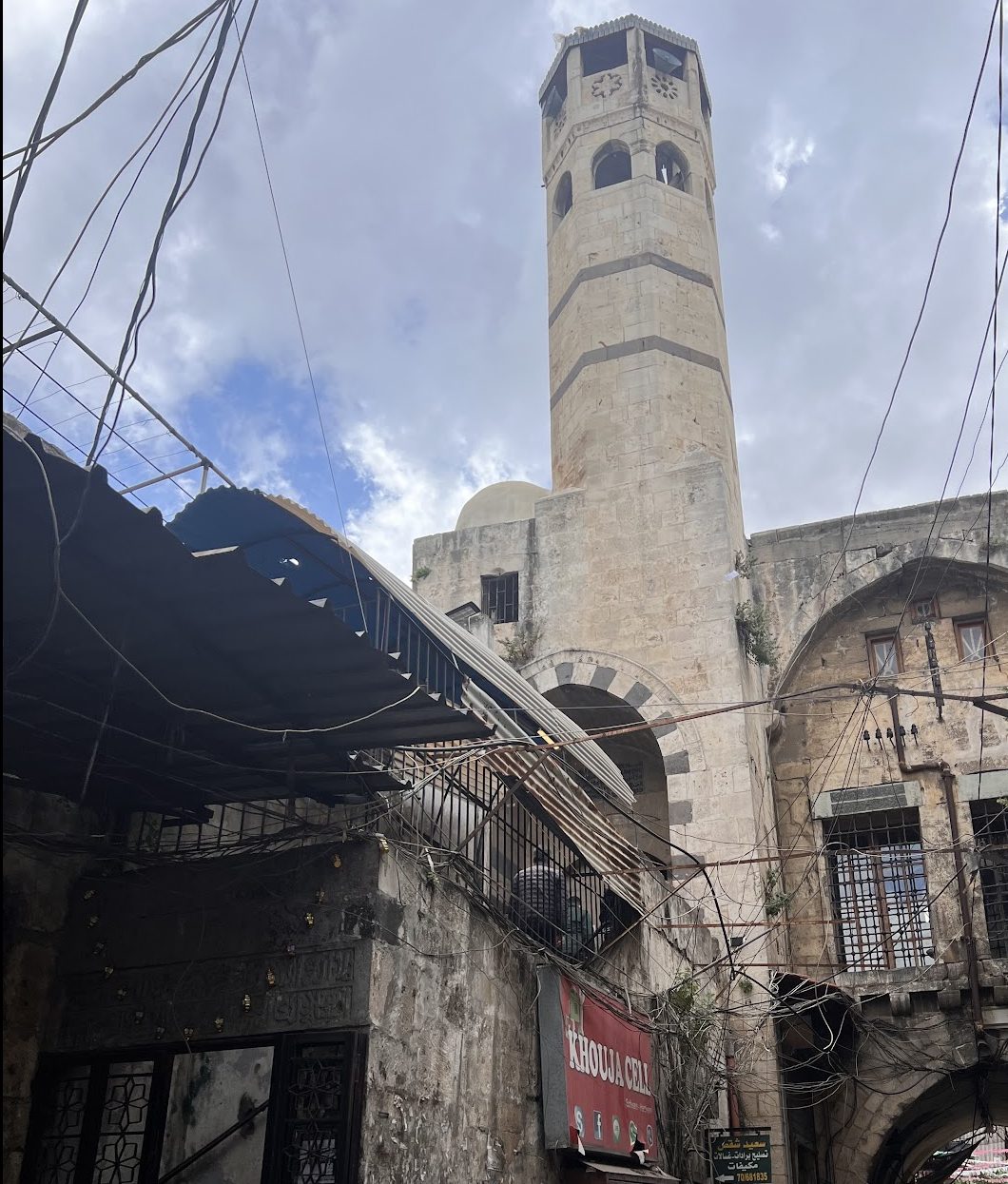
Elevated mosque and minaret
The mosque occupies the first floor of a structure that partly covers the street below, with a flight of steps leading up to the entrance. A stone foundation inscription is placed above the doorway, while further inscriptions appear at the threshold of the entrance stair, above the entrance, and above a north-facing window overlooking the street. The interior contains a mihrab, the prayer niche indicating the direction of Mecca, and a minbar, the raised pulpit used for the Friday sermon.
The minaret has an octagonal plan and is decorated with two bands of black stone. Its two upper levels each have a balcony, and the eight windows of the lower balcony are topped by pointed arches, whose profiles converge at an apex. A small dome is associated with the minaret above the entrance door.
Garden and eastern complex
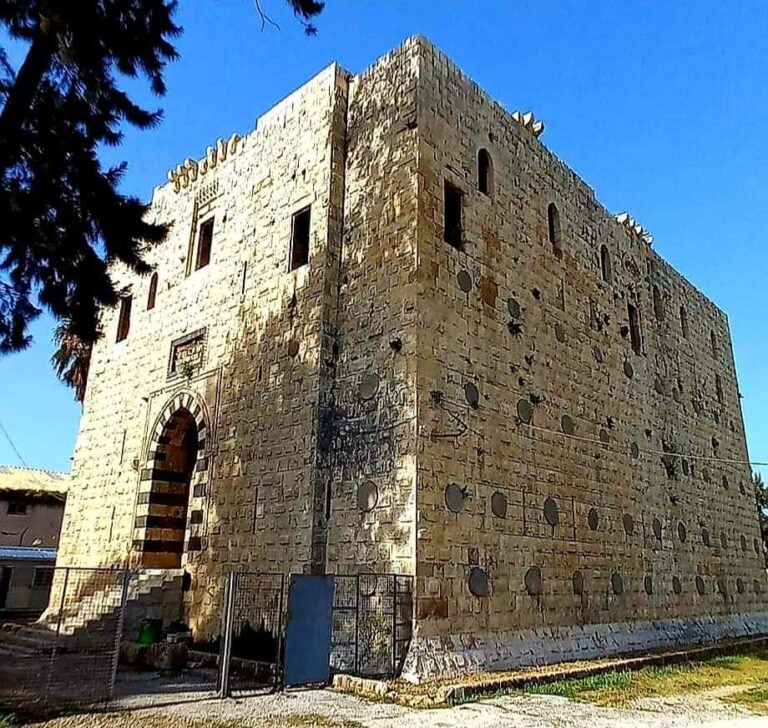
A garden beside the mosque is reached by steps. In the eastern garden, the associated remains include the tomb of an emir and an abandoned palace with a large summer prayer hall.