Middle Head Fortifications: Sydney Harbour’s Coastal Defences
Site at a Glance
- Country
- Australia
- Primary era
- Modern
- Eras represented
- Modern
- Civilizations
- British
- Site type
- Military
- Remains
- Fort
On this page5 sections
History
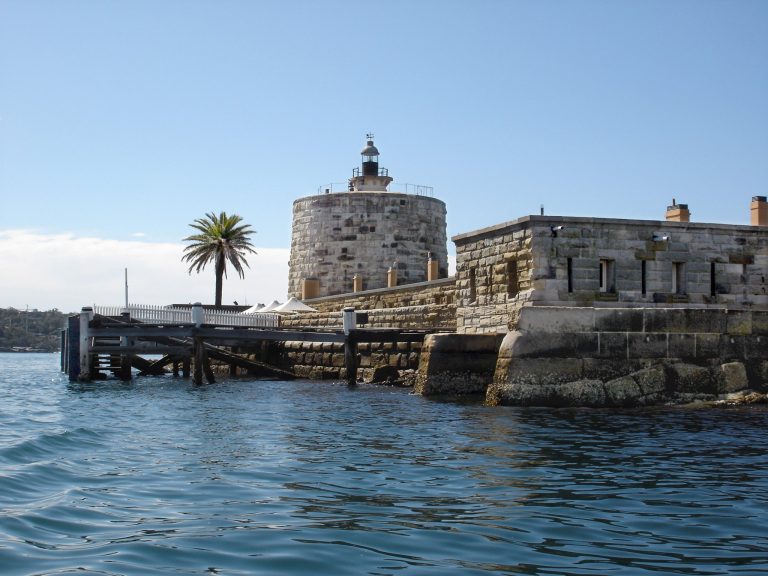
The Middle Head Fortifications are a coastal defence complex at Middle Head in Mosman, New South Wales, Australia. The first fort was built in 1801, and batteries continued to be added through 1942. Most of the fortifications date from 1870 to 1911, when Sydney’s defences shifted from Sydney Cove toward the harbour entrance.
Harbour defences
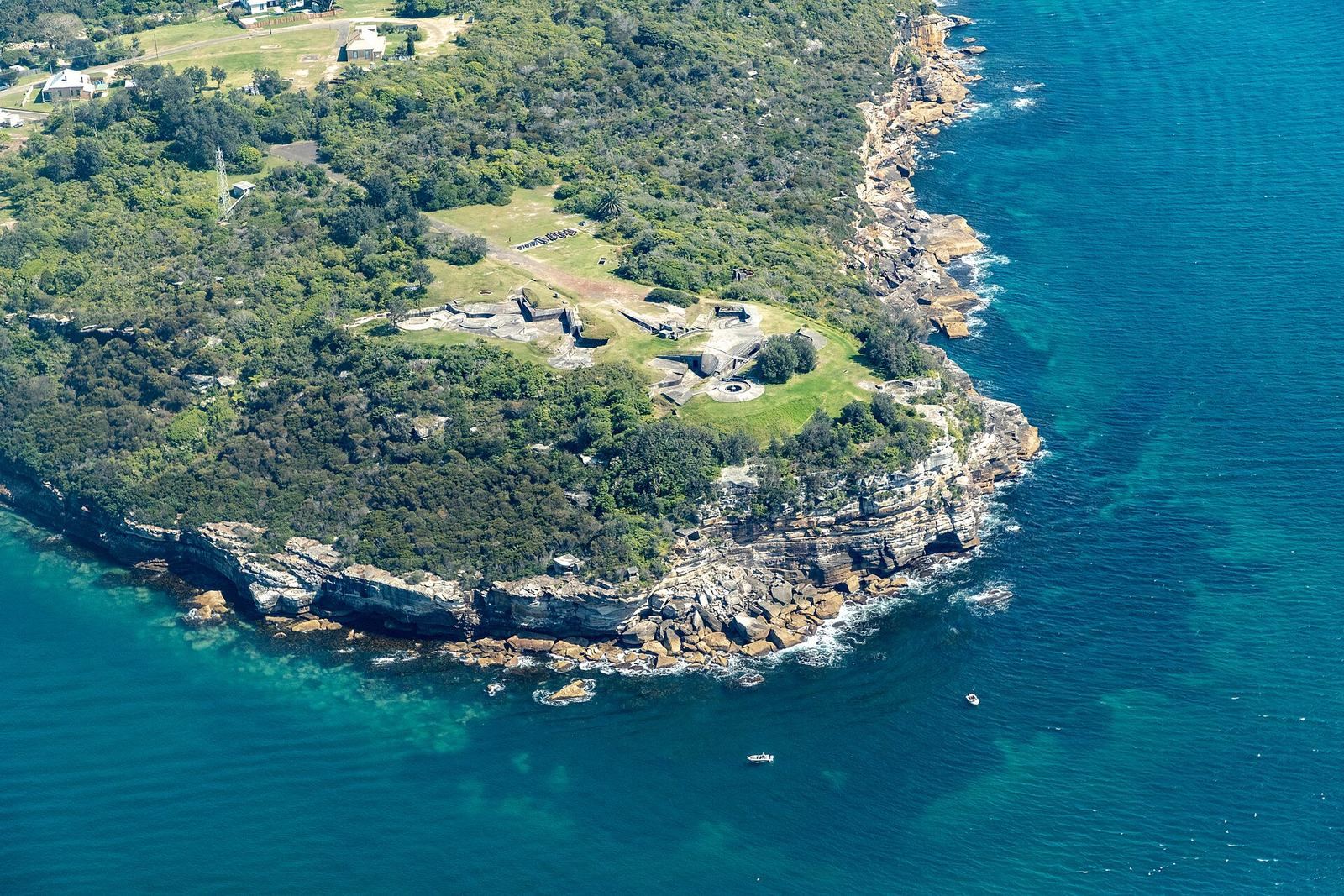
A battery built at Middle Head in 1871 formed part of Sydney Harbour’s outer defences. Its guns were intended to fire on enemy ships attempting to enter through the Sydney Heads. Additions were made to the battery through 1911. The wider Mosman and Middle Head area also gained three groups of fortifications during the 1870s. In the 1880s, the Lower Georges Heights Commanding Position, Georges Head Battery and Bradleys Head Fortification Complex were upgraded on the advice of British experts.
Military use and transition
During the Second World War, the Officers’ Quarters served as a Red Cross hospital and later housed members of the Australian Women’s Army Service. In a later phase of military use, underground rooms were used for “Code of Conduct” courses for some of the first Australian troops sent to Vietnam. The training simulated prisoner-of-war conditions and prepared participants to withstand torture and interrogation. Other buildings also changed purpose: barracks became the School of Pacific Administration, the former 10 Terminal Transport Depot was later used by the Army School of Intelligence, and the former Submarine Miners’ Depot became the Army Maritime School.
Major General Sir William Throsby Bridges, a former resident of the Officers’ Quarters, was the first commander of the First Australian Imperial Force, Australia’s main expeditionary force in the First World War. He commanded Australian forces in the Gallipoli Campaign and was killed by a sniper while leading them. As military activity moved to more strategic locations, most of the area became national park in 1979. The army base associated with the site, including its transport group and 30 Terminal Squadron, left Georges Heights in 1997; Headquarters Training Command relocated to Victoria Barracks in 2002. The Officers’ Quarters continues to serve as a residence. The Sydney Harbour Federation Trust carried out extensive restoration of old buildings, and the fortifications were added to the New South Wales State Heritage Register on 2 April 1999.
Remains
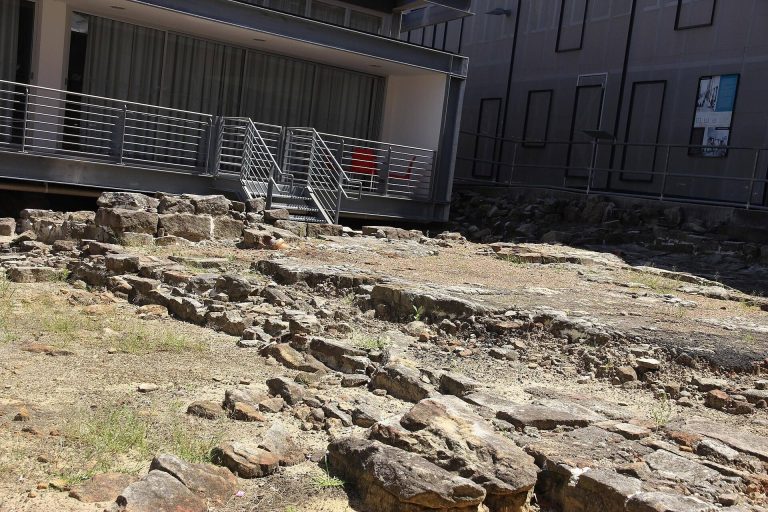
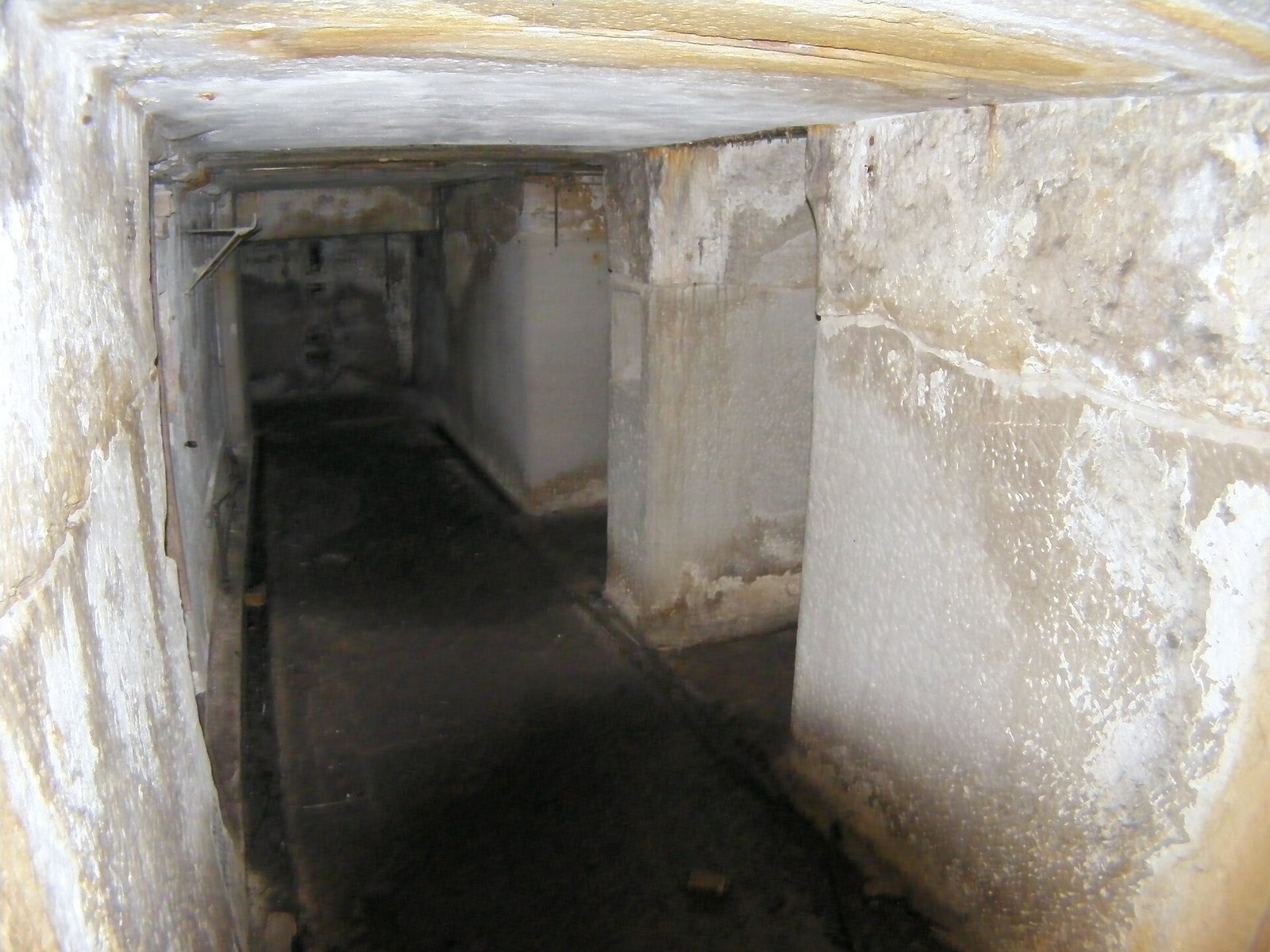
The fortifications comprise several groups of batteries and underground works, built using different construction methods across successive periods. The Outer Middle Head Battery is at the end of Old Fort Road, while the Inner Middle Head Battery is at the end of Governors Road. The Obelisk batteries form another group within the complex. A battery is a position equipped with artillery. An extensive tunnel system connects parts of the area with ancillary rooms, a gunpowder store and a position for a disappearing gun, designed to lower out of sight after firing. The underground remains also include a power room supported by iron columns and rooms used for military training.
Buildings and defensive features
The Officers’ Quarters is a Victorian Regency-style building, a nineteenth-century design influenced by Regency-era forms. It stands on a rough-stone base and faces Middle Harbour, a position that also allowed it to be used for surveillance. A defensive ditch and fortification wall are part of the site’s defences. The broader military establishment included hospital buildings, an officers’ mess, barracks, transport depots, mess halls, residences and training facilities, as well as a wharf, a jetty and ovals.