Istana Kampong Glam: A Royal Palace in Singapore
Site at a Glance
- Country
- Singapore
- Primary era
- Modern
- Eras represented
- Modern
- Civilizations
- British
- Site type
- Domestic
- Remains
- Palace
On this page9 sections
History
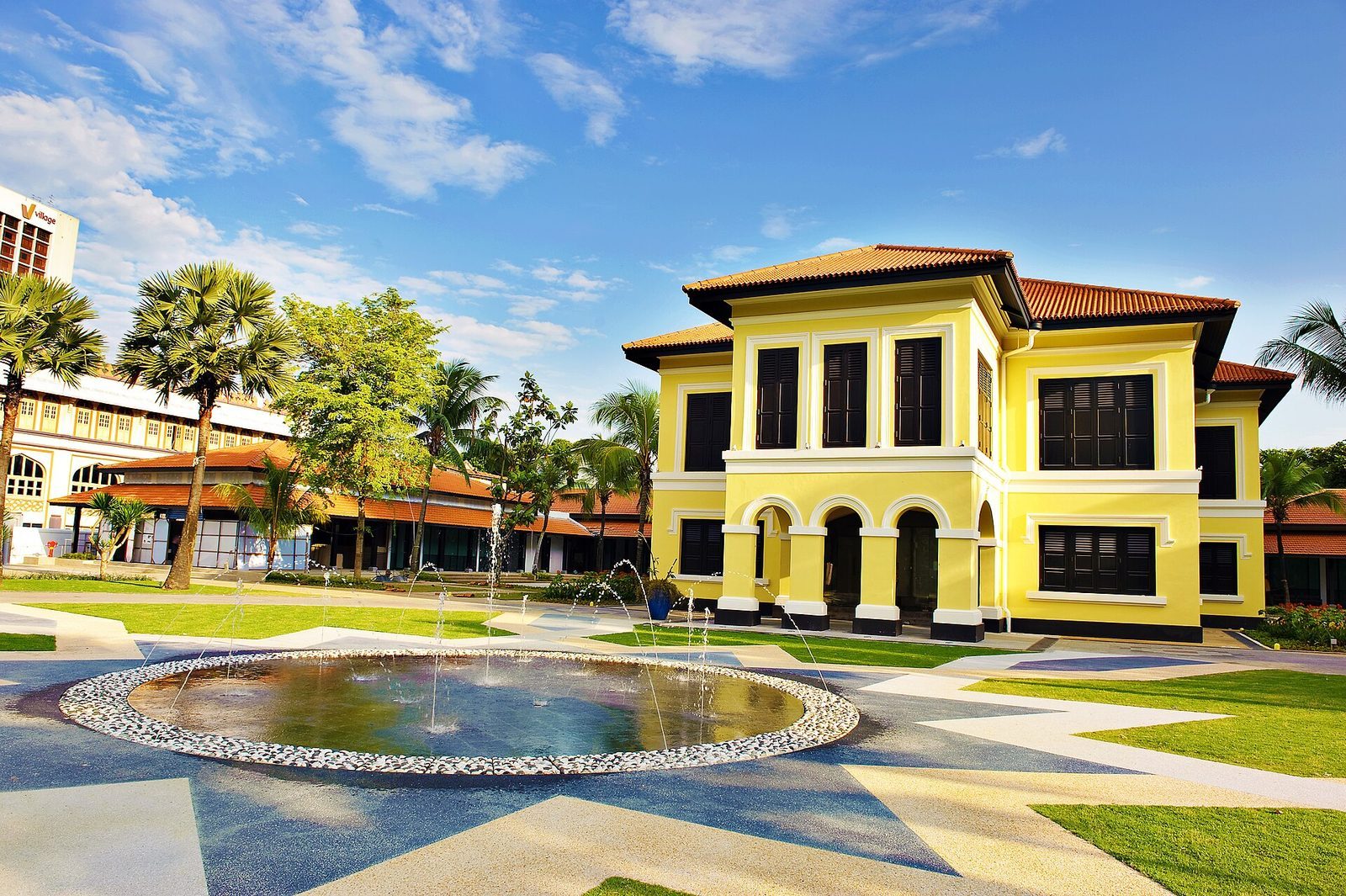
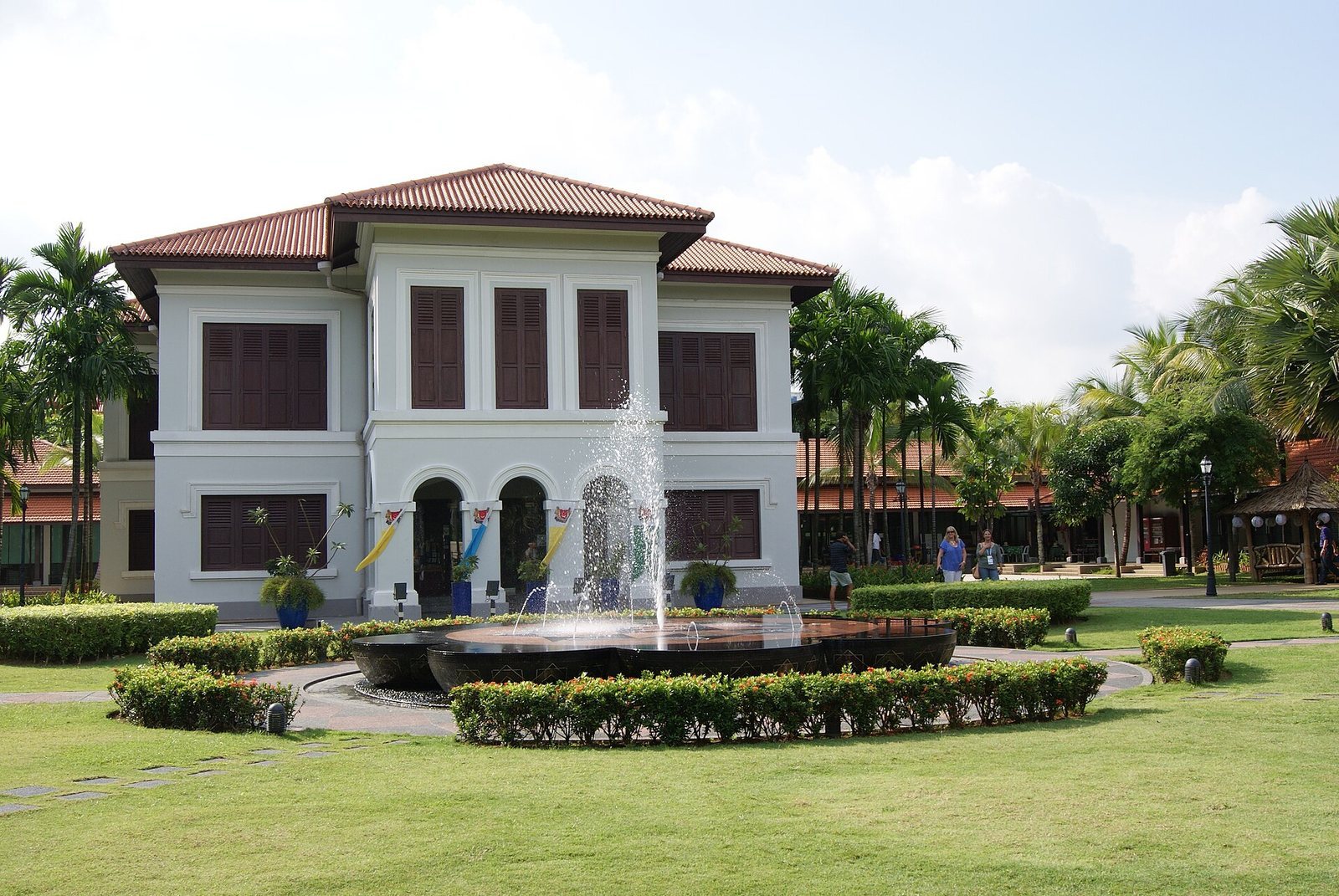
Istana Kampong Glam is a former royal palace in Kampong Glam, Singapore, first built in 1819 for Sultan Hussein Shah of Johor. The palace stood on land granted to him under an agreement with the British East India Company, a trading company that also exercised political authority in parts of Asia. Its later building combined Palladian design, based on classical forms associated with Renaissance architect Andrea Palladio, with traditional Malay motifs.
Hussein Shah’s palace
The original palace compound was reduced in 1824 when North Bridge Road was laid through the area. Hussein lived at the palace until moving to Malacca in 1834, and died there in 1835.
The successor palace
Hussein’s eldest son, Sultan Ali Iskandar Shah of Johor-Riau, commissioned a replacement in 1835. Construction is dated to 1836-1843, but a sign found in the building in 2026 and an 1891 newspaper article have raised the possibility that rebuilding was completed only in 1890. Further testing of the building’s age is pending.
The British funded the replacement. Its design is often attributed to George Drumgoole Coleman, a British architect and public-works superintendent in Singapore from 1828 to 1841, but the attribution is unconfirmed and rests partly on similarities to his other buildings.
Sultan Ali’s eldest son, Tengku Alam, continued to live at the palace until his death in 1891. Sultan Ali had leased parts of the estate, and Tengku Alam collected the rents and supported members of his father’s family in keeping with Malay custom. He was buried at the nearby Sultan Mosque’s royal grave. A descendant of Sultan Hussein also established the Kota Raja Club on the grounds for young aristocrats’ sports activities; the club still exists.
The estate and its succession
A dispute over succession to the Kampong Glam estate reached court in 1896. The following year, the court ruled that no one could rightfully claim to succeed Sultan Hussein and that the estate belonged to the Crown. It became state land after Singapore gained independence.
The Sultan Hussein Ordinance of 1904 provided income from the estate to his descendants. Beneficiaries had to demonstrate their descent, but could live anywhere. Independent Singapore continued these payments. The arrangement was capped at S$250,000 in 1991; a 1999 revision gave beneficiaries the choice of a share of S$350,000 annually for 30 years or a lump sum.
Residence and conservation
The palace remained a private home for Sultan Hussein’s descendants until they were resettled to allow conservation work, receiving compensation for leaving. The palace and grounds were refurbished in 2004 as part of the development of the Malay Heritage Centre, a cultural institution focused on Malay history and heritage in Singapore. Istana Kampong Glam became a Singapore national monument on 6 August 2015.
Remains
The surviving complex centers on a two-storey concrete palace within an enclosed compound near the Sultan Mosque. The compound, its perimeter wall, and the road leading to the building were retained during refurbishment.
Palace and compound
The palace
The first palace is believed to have been a wooden building east of Beach Road. The present palace is a two-storey concrete structure. Its interior flooring was replicated with timber and cement during the 2004 refurbishment.
The grounds
The original compound covered about 23 hectares, roughly twice the area of the present grounds. A perimeter wall enclosed it, while small houses in the traditional Malay village style stood around the palace for the Sultan’s relatives, servants, and artisans.