Marmaris Castle: An Ottoman Fortress and Archaeology Museum in Türkiye

Site at a Glance
- Rating
- 4.6
- Popularity
- High
- Country
- Turkey
- Primary era
- Early Modern
- Eras represented
- Bronze Age, Iron Age, Early Modern
- Civilizations
- Ancient Greek, Ottoman
- Site type
- Military
- Remains
- Castle
On this page8 sections
History
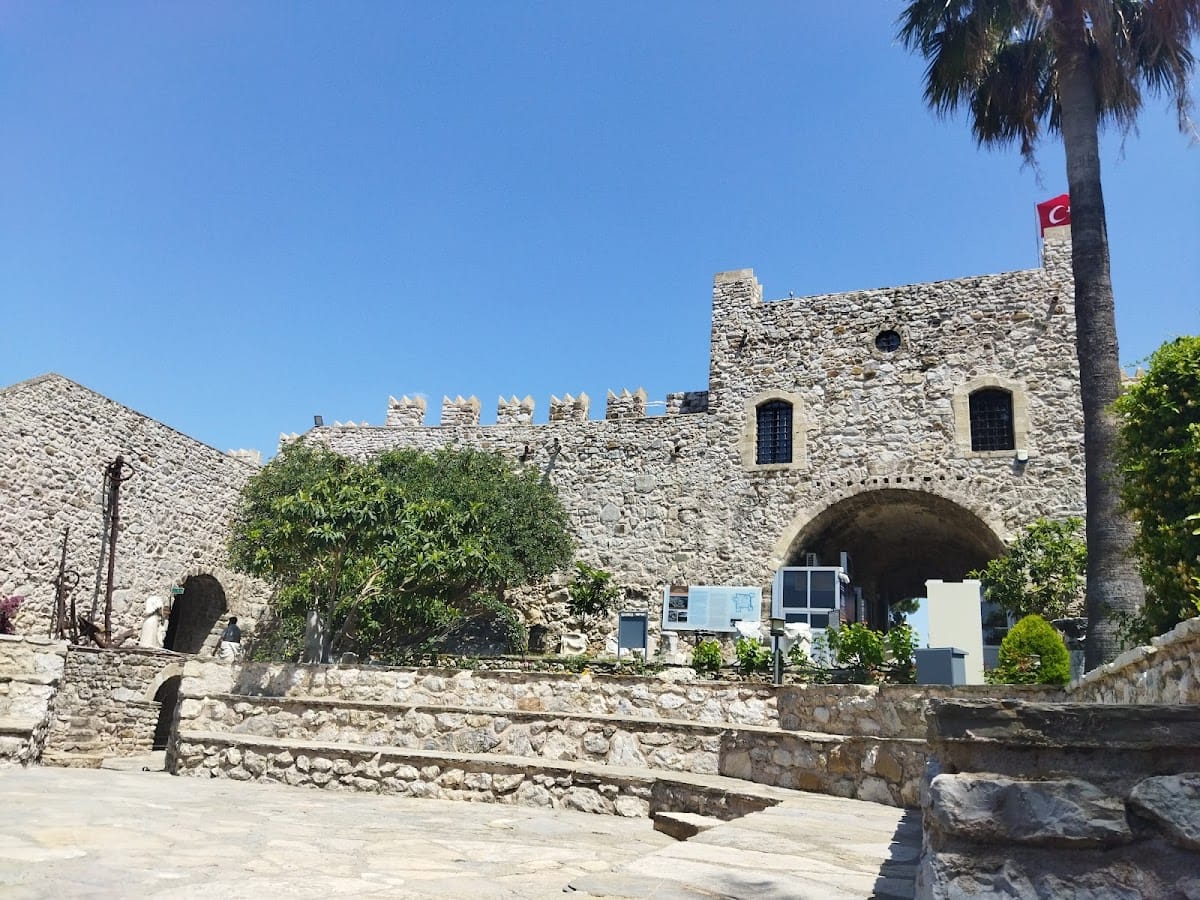
Marmaris Castle is a historic stone fortress in Marmaris, Türkiye, with early phases associated with ancient Greek-speaking communities and a major Ottoman rebuilding under Sultan Suleiman I. Its origins are linked to the second millennium BC, while an early Ionian phase is placed around 1044 BC. The castle later became a military base during the Ottoman campaign against Rhodes.
Ancient Origins
The Greek historian Herodotus is said to have recorded that the first city walls at Marmaris were built around 3000 BC. The castle itself is also described as having been established in the second millennium BC, with the Ionians associated with an early phase around 1044 BC. After Alexander the Great conquered Marmaris in the fourth century BC, the fortifications were later repaired. Alexander’s campaigns helped create the Hellenistic period, when Greek political and cultural influence spread across the eastern Mediterranean and the Near East.
Ottoman Rebuilding
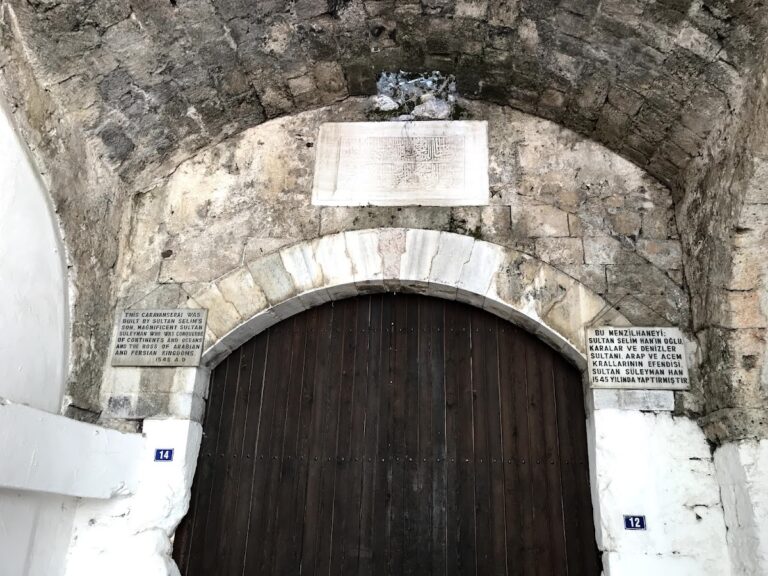
Marmaris Castle was rebuilt by Sultan Suleiman I, also known as Suleiman the Magnificent, during preparations for his campaign against Rhodes. Suleiman ruled the Ottoman Empire from 1520 to 1566. The seventeenth-century Ottoman traveler Evliya Çelebi wrote in his Seyahatname, an extensive travelogue, that the sultan ordered the castle’s construction before the expedition and that it served as a base for the Ottoman army. Evliya Çelebi’s account is the only known written source concerning the castle’s construction.
Damage, Restoration, and Museum Use
French warship gunfire damaged the castle walls during the First World War. The 1957 Fethiye earthquake almost completely destroyed Marmaris, while the castle and the historic buildings around it were described as remaining intact. Residents continued to live inside the castle until 1979. Restoration began that year and continued through the 1980s, with the castle restored between 1980 and 1990. It was registered as a historic monument in 1983.
In 1991, the Republic of Turkey’s Ministry of Culture and Tourism opened the Marmaris Archaeology Museum inside the castle. Marmaris Castle is among the few castles in Türkiye to contain a museum, giving its restored spaces both a defensive history and an archaeological function.
Remains
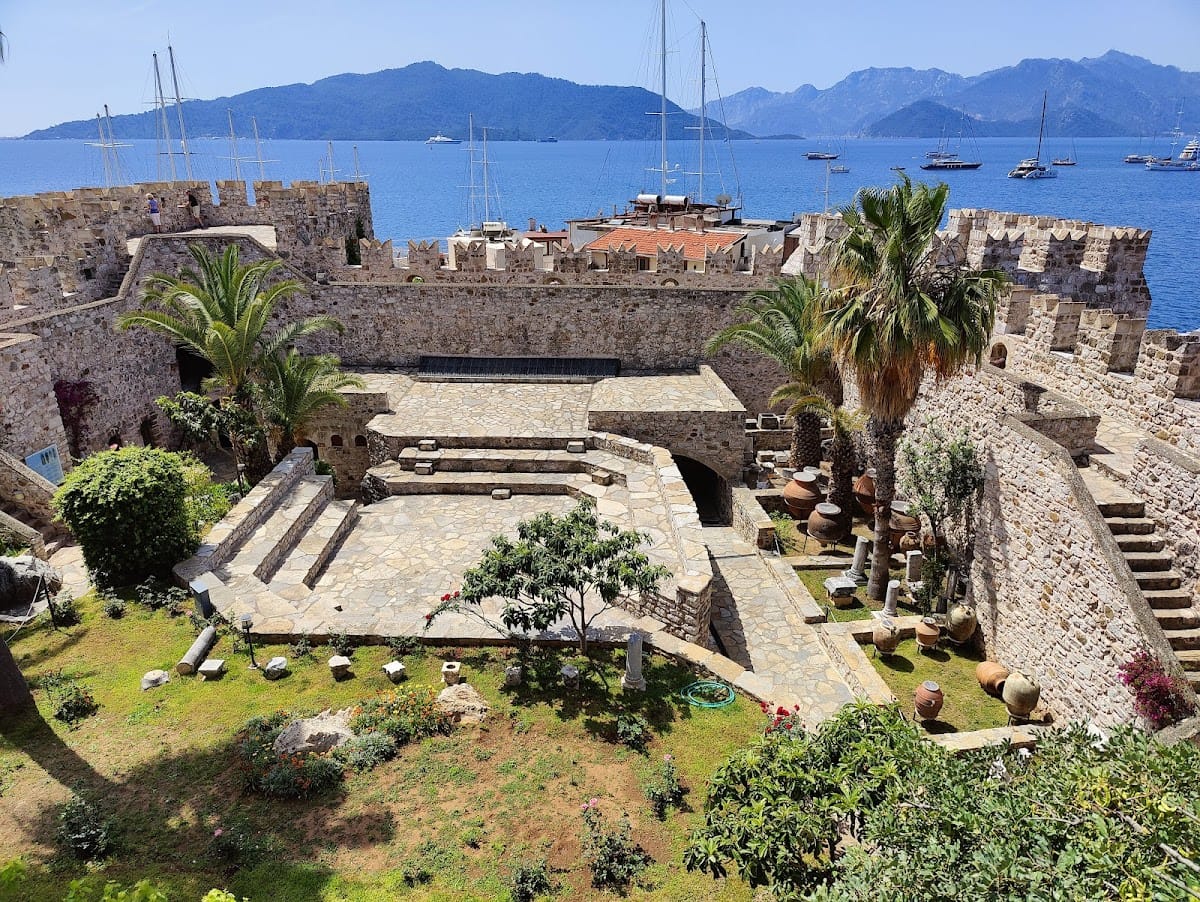
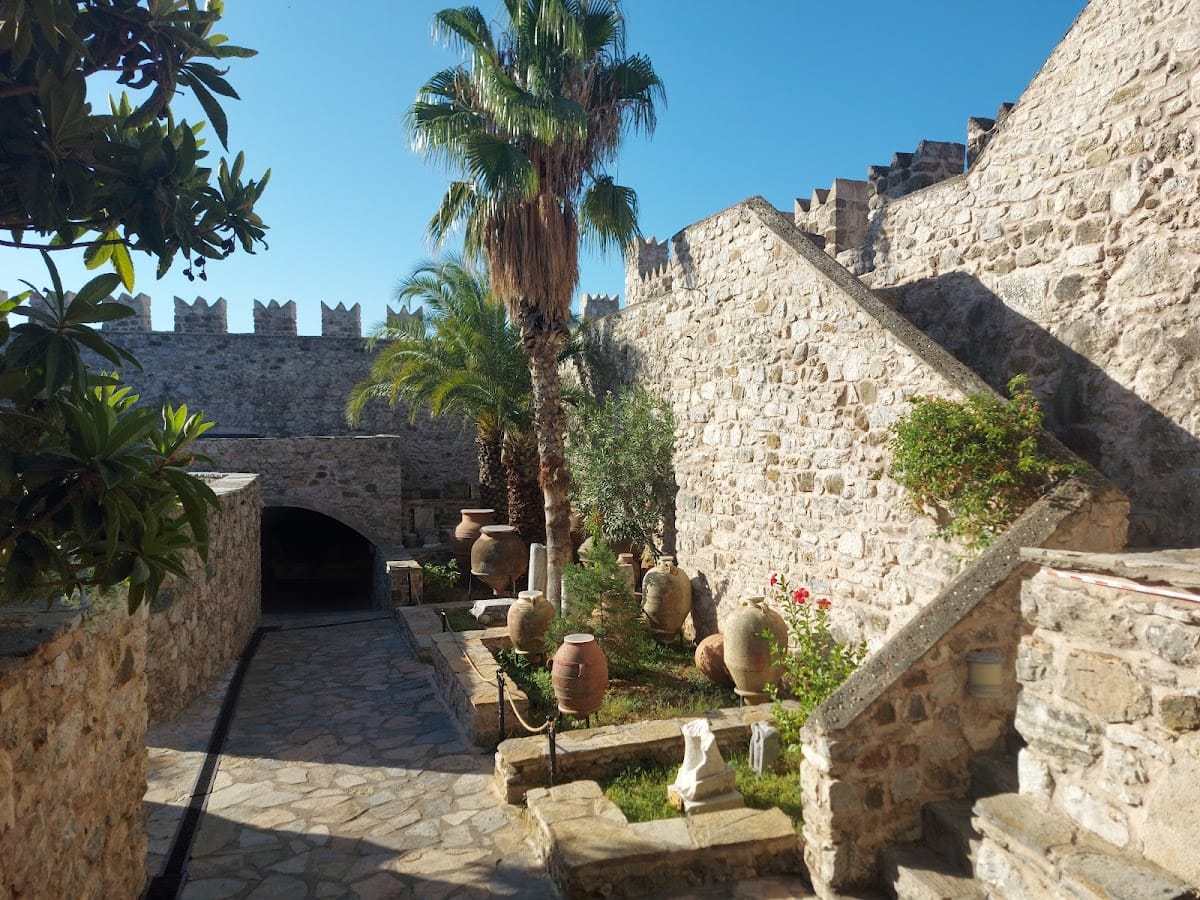
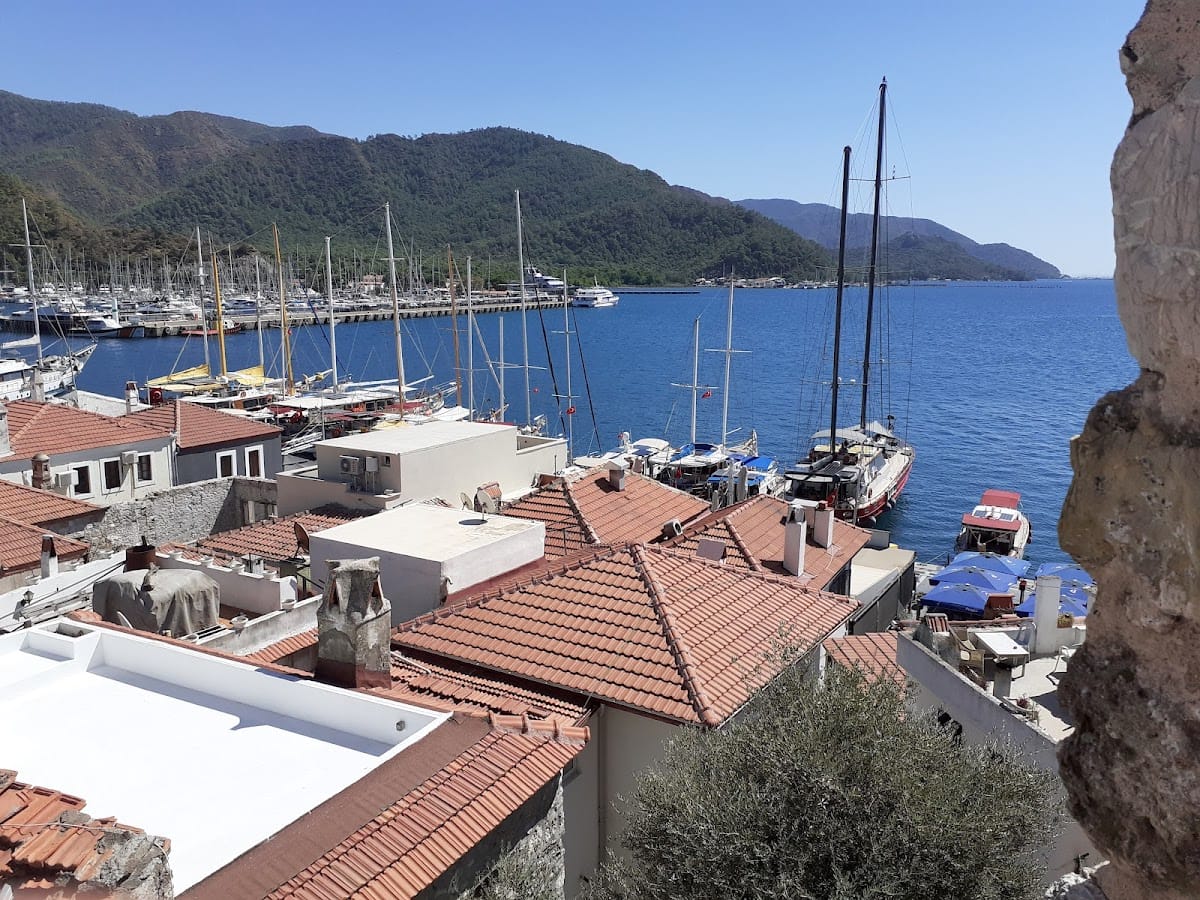
Built of stone and positioned above the city, Marmaris Castle contains the Marmaris Archaeology Museum within its historic structure. The museum occupies 18 rooms, including seven enclosed spaces, two archaeology halls, and one ethnography hall. Other parts of the complex serve as exhibition galleries and storage rooms. A fountain and a cistern, a structure for collecting and storing water, are also included within the museum complex.
Museum Collections
Archaeology Halls
The archaeology section displays amphorae from the Hellenistic, Roman, and Byzantine periods. Amphorae are large ceramic vessels that were commonly used in antiquity to transport liquids and agricultural products. The museum also contains pottery, glass objects, coins, and ornaments recovered through excavations at sites in the surrounding region, including Knidos, Burgazada, and Hisarönü.
Ethnography Hall
The ethnography section presents Ottoman-period objects, including coins, tools, and equipment. Across its archaeological, numismatic, and ethnographic categories, the museum inventory contains 14,984 registered objects.