Maria Hilf: A Pilgrimage Church and Chapel in Speiden, Germany
Site at a Glance
- Popularity
- Low
- Country
- Germany
- Primary era
- Early Modern
- Eras represented
- Early Modern, Modern
- Civilizations
- German, Holy Roman Empire
- Site type
- Religious
- Remains
- Sanctuary
On this page12 sections
History
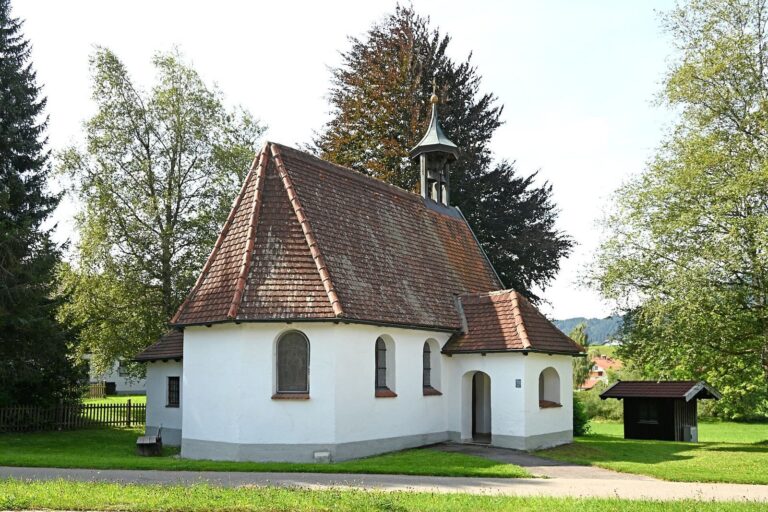
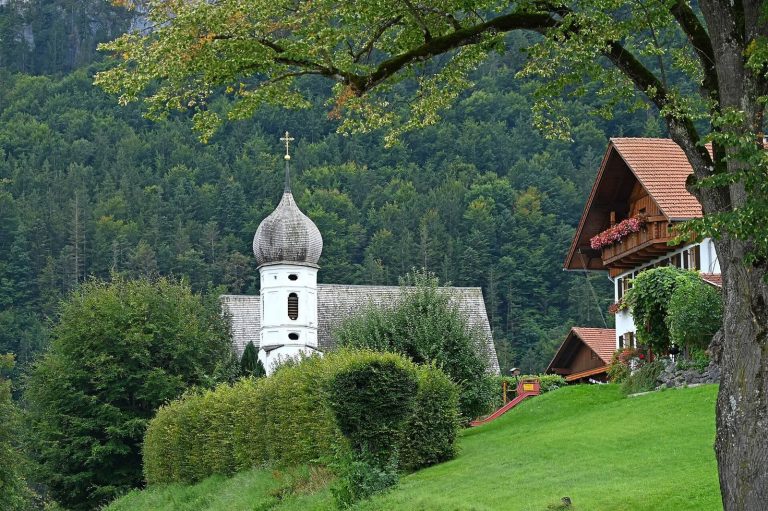
Maria Hilf is a pilgrimage site comprising a chapel and church in Speiden, in the municipality of Eisenberg, Germany. Its chapel was founded in 1635, and the church acquired its present appearance in 1783, with Rococo ornament and early Classicist features. Maria Hilf is a German devotional title meaning “Mary, Help of Christians,” and the site is counted among the oldest pilgrimage centers dedicated to this title.
Origins of the pilgrimage
Tradition places the origins of the chapel during the Thirty Years’ War, a European conflict fought from 1618 to 1648. While doing masonry work at the Swan Inn in Füssen, the small farmer Christian Steinacher is said to have found a statue of the Virgin Mary in an attic and taken it home.
An inscription on the chapel statue’s base relates that Steinacher’s daughter Annele prayed at a cross near their home, where three soldiers who had died of plague were buried. They belonged to the regiment of Count von Schlick. When asked about her prayers, Annele said the soldiers had helped her and saved her life while her father was away. In gratitude, Steinacher built the chapel in 1635 and placed the Madonna there for veneration.
A miracle book recounts that Maria Welz of Rieden, who used crutches, was healed while passing the chapel during its construction. She left the crutches and walked home. The book lists 155 additional miracles through 1657, with later handwritten additions that also relate the pilgrimage’s history.
Church construction and expansion
Offerings from the growing pilgrimage funded a larger church, built north of the chapel between 1644 and 1647. The building soon proved too small. An extension was contemplated in 1660, and the enlarged church was consecrated in 1678 by Johann Christoph von Freyberg, Prince-Bishop of Augsburg. A prince-bishop combined church leadership with authority over a territory.
The church initially suffered from maintenance problems. Its roof leaked, its striking clock was ruined, and its organ lacked pipes. Insecurity at the time delayed efforts to put the building in proper condition.
Later changes and disputes
New altars were installed for the pilgrimage’s centenary in 1736, and the church took on its present appearance in 1783. Speiden was divided between the territorial lordships of Freyberg-Eisenberg and Freyberg-Hohenfreyberg. Because the church’s land lay within both territories, the lordships disputed the right of patronage, the formal rights a patron held in relation to a church and its offices.
The parties required the parish priest and representatives of both lordships, or their deputies, to cooperate when emptying the offering boxes. If all three were not present at the appointed time, the boxes could fill up. Thieves sometimes used glue-coated rods to take their contents.
Remains
Layout and buildings
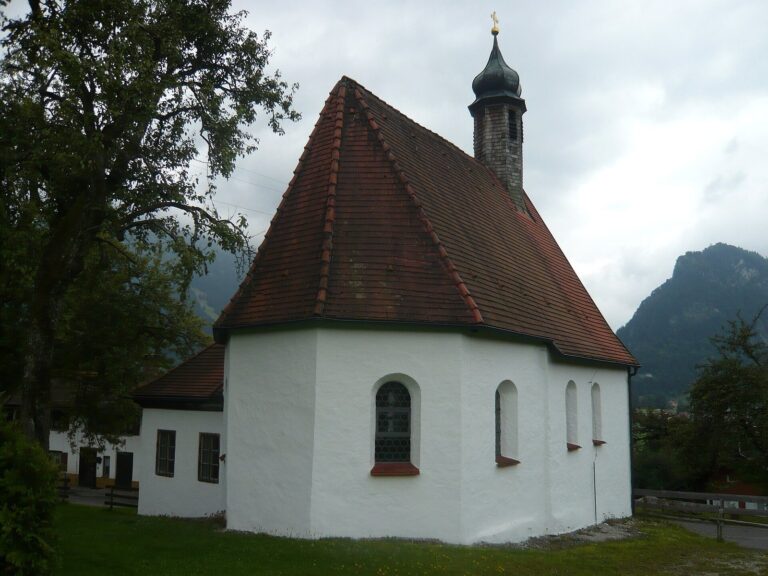
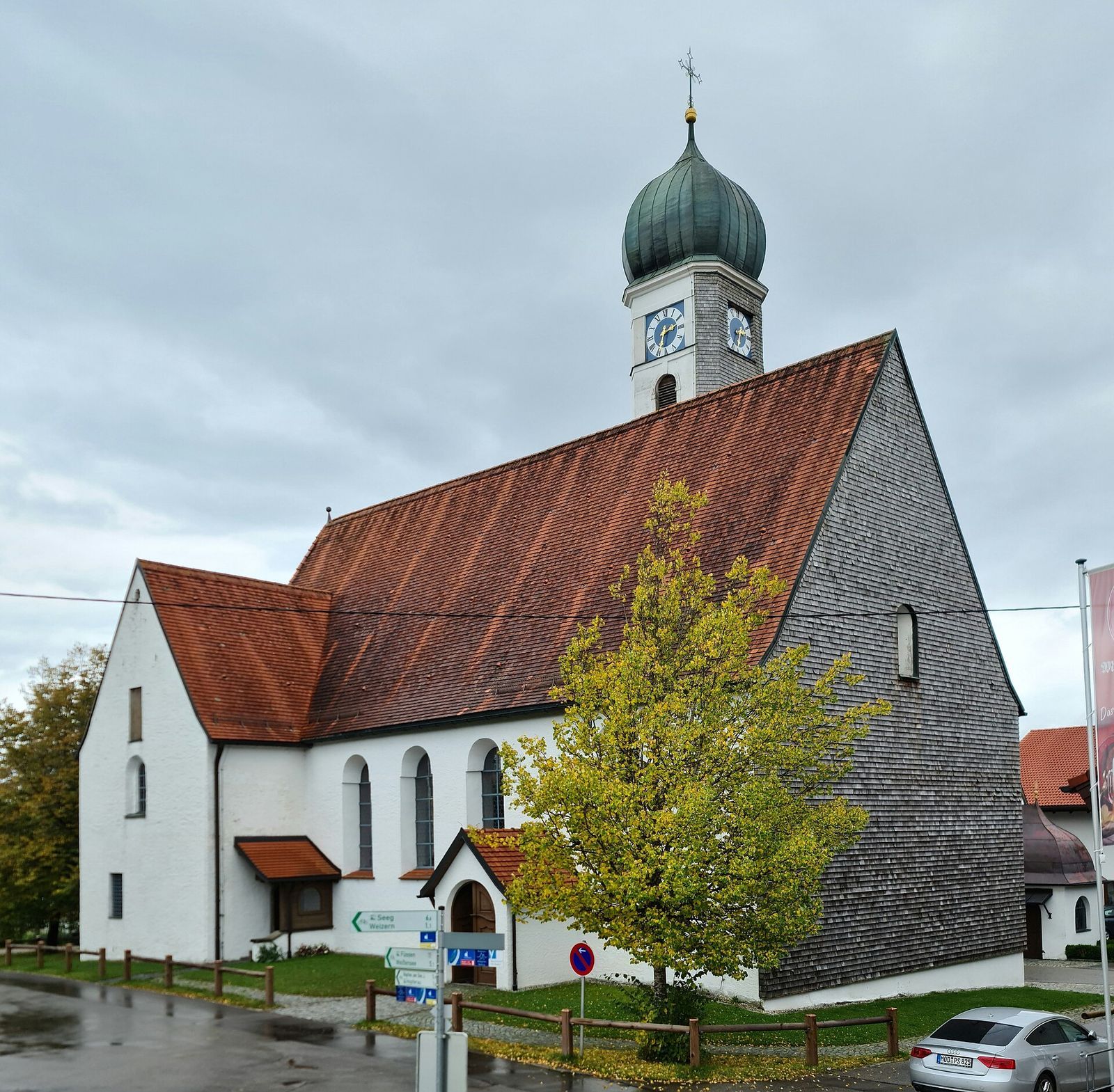
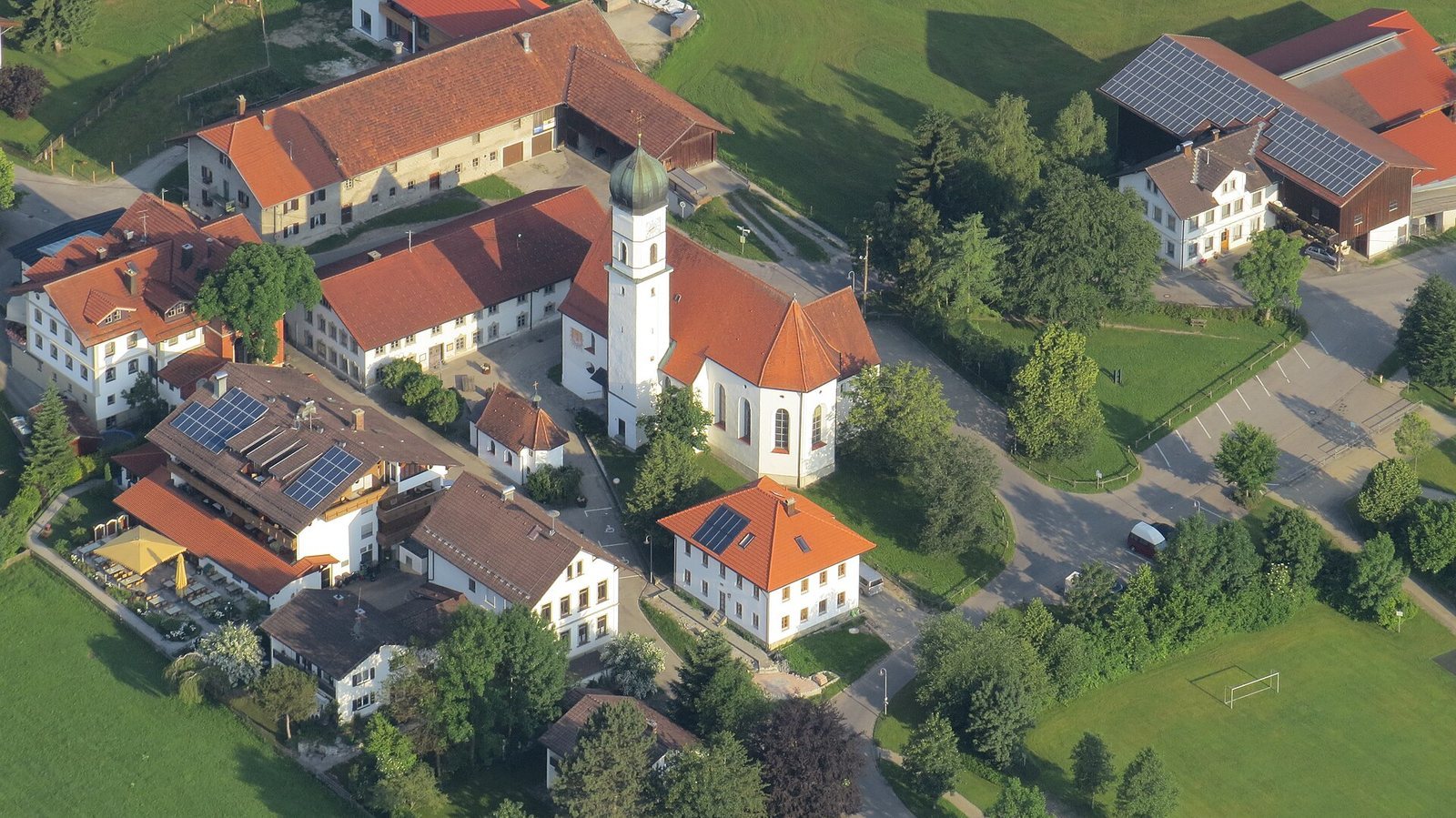
The site brings together a small chapel of grace, a shrine chapel associated with a venerated image, and a larger church to its north. The chapel and the church’s nave, or main body, stand on land belonging to Freyberg-Hohenfreyberg; the choir, the altar end of the church, lies on land belonging to Freyberg-Eisenberg. The later church extension incorporates parts of the earlier sacristy and tower.
Interior furnishings and decoration
The chapel image
The Madonna is crowned and seated on a throne, holding the Christ Child, who carries a globe, in her left arm. The child is only loosely attached to Mary’s figure and has stylistic features of the 14th century. The Gothic Madonna itself displays features associated with the early 16th and 17th centuries.
Altars and paintings
The main altar, a Rococo work by sculptor and woodcarver Peter Heel (1696–1767), includes statues of Saints Joachim and Zacharias. Heel also made the figures on the side altars: Saints Joseph and John the Evangelist on the left, and the apostles Peter and Paul on the right. The left side-altarpiece painting shows Mary with her parents, while the right depicts Saint John Nepomuk. The paintings are attributed to Johann Walch, probably Anton Joseph Walch.
Stucco and painted decoration
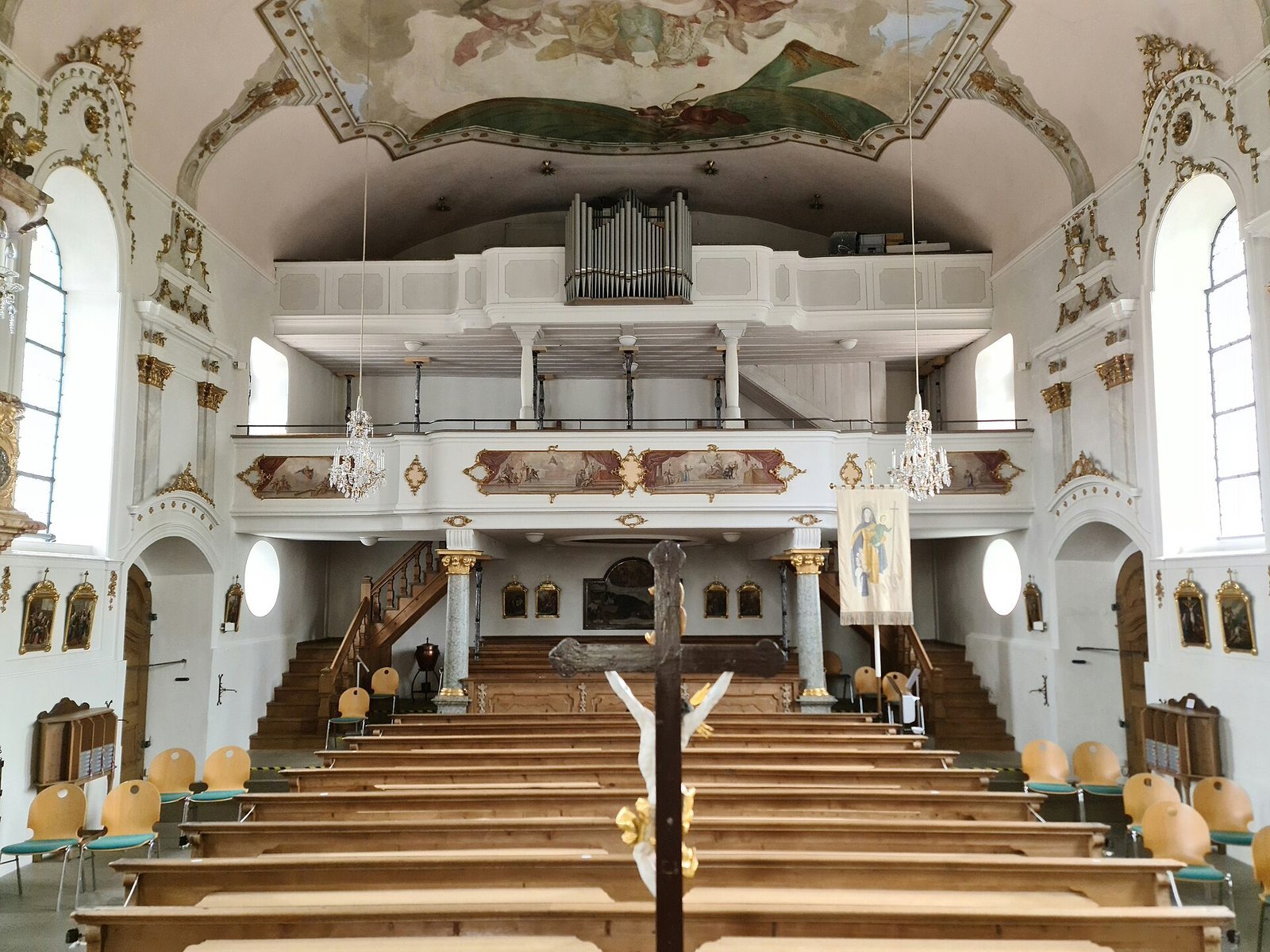
Craftsmen from Pfronten made the church’s high-quality stucco. Joseph Anton Geisenhof (1737–1797) and his son Johannes received the highest wages among them. The stucco frames a nave ceiling painting by Joseph Keller (1740–1823), which combines early Classicist features with a scene of heavenly grace reaching humanity through the Virgin Mary.
A central fresco in the choir depicts the Assumption of Mary, surrounded by medallions showing her presentation in the Temple, the Annunciation, Simeon’s prophecy, and the presentation of Jesus in the Temple. Four paintings on the lower gallery’s balustrade show Mary as a helper for newborns, the sick, the dying, and married couples.
Organ
Guido Nenninger built the church’s organ in 1977. It has 12 sound registers, two keyboards, and a foot-operated pedalboard.
Offering boxes
The offering boxes are designed so that three tools must be used at the same time to empty them.