Manor House in Zgłobice: A Nineteenth-Century Polish Estate
Site at a Glance
- Popularity
- Low
- Country
- Poland
- Primary era
- Modern
- Eras represented
- Modern
- Civilizations
- Habsburg
- Site type
- Domestic
- Remains
- Manor House
On this page11 sections
History
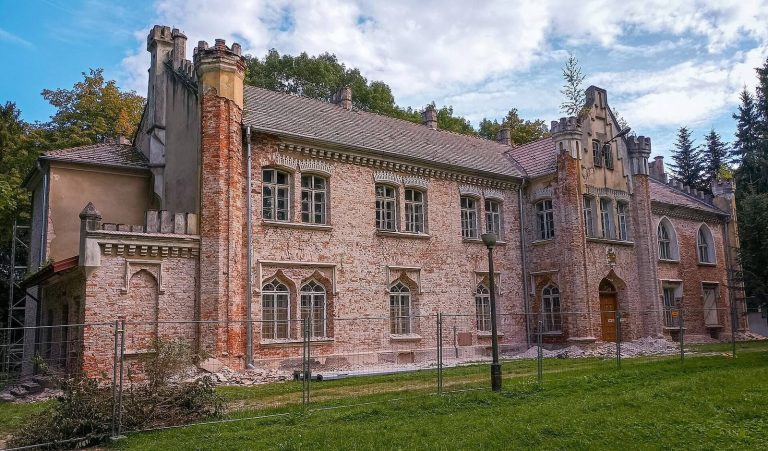
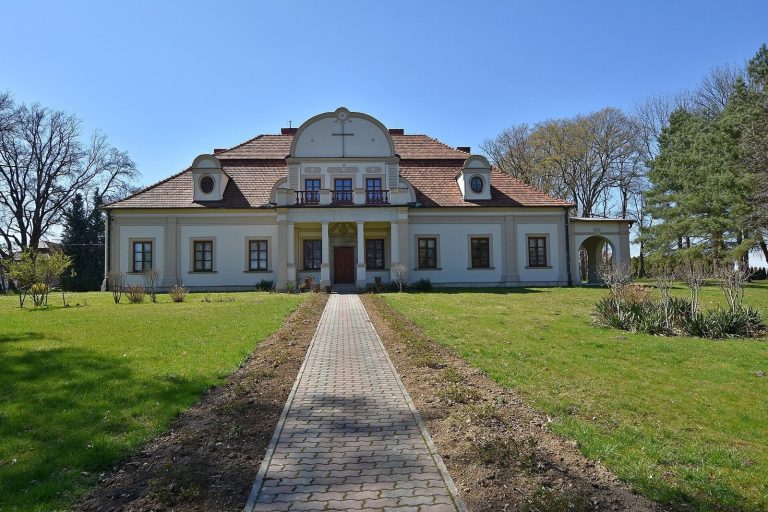
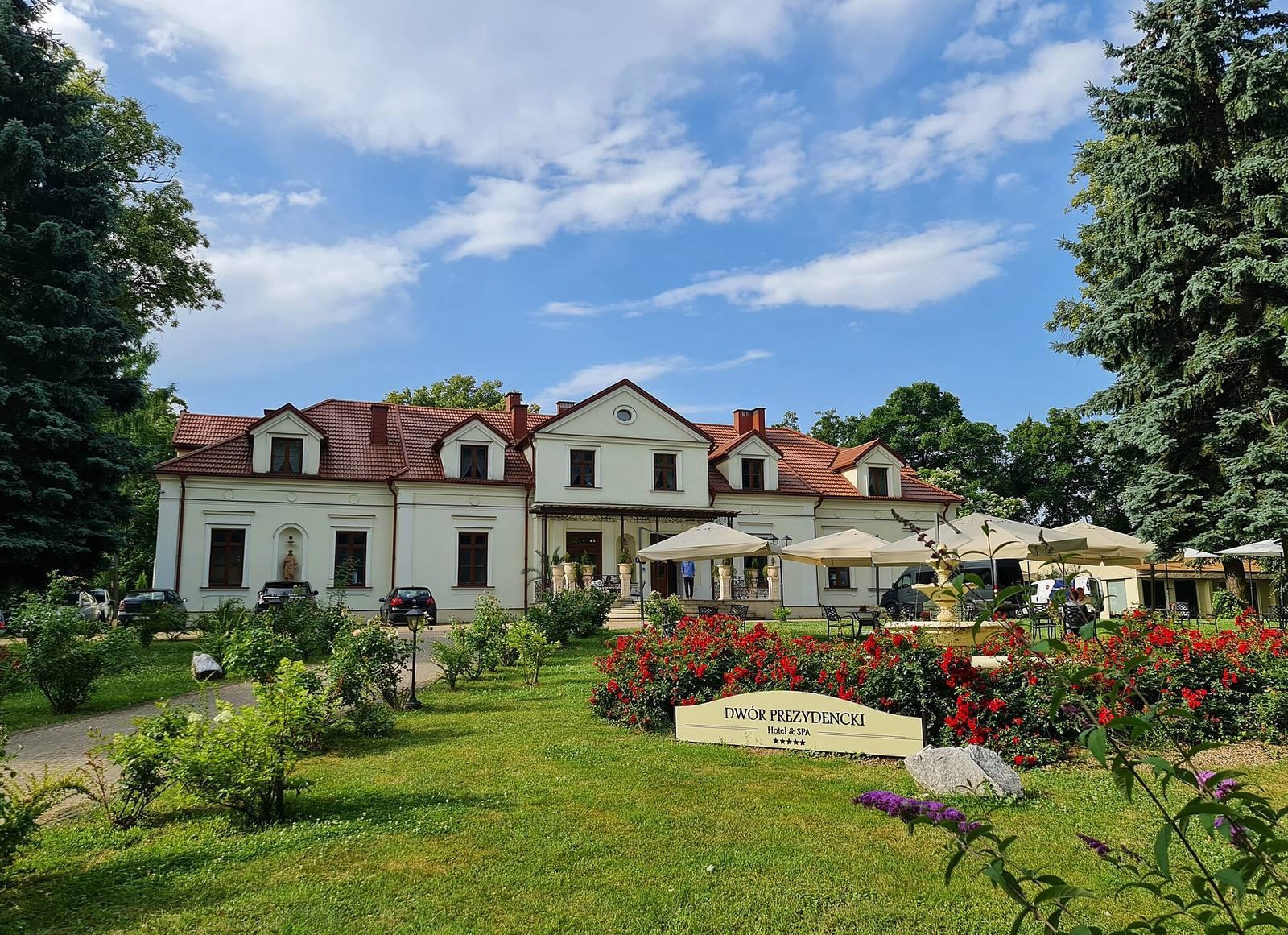
The Manor House in Zgłobice is an eclectic nineteenth-century residence in Poland, standing on a site associated with a fourteenth-century fortified settlement and castle. Its design combines elements from different architectural styles. Construction of the masonry house began in the second half of the nineteenth century, replacing an earlier wooden manor. Countess Aleksandra Lanckorońska, who owned the estate during that century, probably built it.
Origins and nineteenth-century owners
An 1848 land-survey plan already depicts a manor-and-park complex associated with the first half of the nineteenth century. The masonry manor developed later, in the second half of the century. Count Jan Zborowski owned Zgłobice in 1886. His wife, Helena Zborowska, wrote historical and youth novels, including several works composed at the estate. The Turnau family owned the property after the Zborowskis and made alterations to the house.
War and the Marszałkowicz estate
Bombardment during the First World War destroyed the manor’s roof. The roof was rebuilt, although the attic did not fully regain its earlier function. In 1922, Zofia Turnau received Zgłobice from her father, Jerzy Turnau, founder of the Higher Courses for Landowners in Lviv, an educational institution for the landed class. She married Adam Marszałkowicz in 1924, and they managed the estate until 1945. Their children Teresa, Andrzej, Helena, Jan, Maria, Jerzy, and Anna also lived there.
The interwar estate supported itself through farming. Carts carried its produce to the Tarnów market almost daily. Adam Marszałkowicz served as Tarnów’s first president, the city’s chief municipal officer, in 1933–1934. The manor later became known as the "Presidential Manor" in remembrance of his service. Their son Jerzy Adam was born and raised at Zgłobice. He became a Catholic priest and founded the Society for Aid to St. Brother Albert, named for a Polish Catholic saint known for helping poor and homeless people. The society assists people in those circumstances.
Second World War resistance
During the Second World War, Jan Dębski was sheltered at Zgłobice from the German occupation authorities. A Piast People’s Party activist, the agrarian party’s member of parliament, and deputy speaker of the Sejm, Poland’s lower house, he ran a clandestine workshop producing hand grenades known as Sidolówki for the Home Army, the principal Polish resistance organization. Materials arrived by truck, and a team distributed the grenades. Tobacco was grown specifically for its large leaves and strong smell, which helped conceal the operation. Andrzej Marszałkowicz kept watch, and grenades were sometimes carried away hidden beneath the bottoms of milk cans.
Adam Marszałkowicz later recalled that German soldiers once stopped him as he cycled with a basket of grenades concealed beneath apples. After he offered them apples, they let him continue. Adam’s resistance activity, including service as a county delegate of the London-based Polish government-in-exile on behalf of the Home Army, contributed to the estate’s unlawful seizure under agrarian reform.
Seizure and postwar use
The estate was seized on 23 February 1945. Zofia appealed, stating that it covered less than 50 hectares. After a county survey, the president of the Kraków District Land Office informed her on 4 May 1945 that the property did not come under the relevant provision of the Polish Committee of National Liberation’s agrarian-reform decree. The estate was returned on 1 August 1945, and people who had received divided land voluntarily returned their grant documents. The property changed hands several more times before its formal nationalization in 1959.
After the war, the manor served first as a primary school and later as an Agricultural Advisory Centre. In 1974, the manor, park, and two outbuildings entered the register of historic monuments. The building underwent a major renovation in 1976–1978.
Restitution and renovation
A decision to return the estate to its lawful owner was made in 1991, beginning a lengthy dispute between Tarnów Municipality and the Marszałkowicz family. While the manor stood abandoned, it was looted and vandalized. On 10 April 2007, the Ministry of Agriculture issued the final decision to return the estate. A Tarnów businessman acquired the manor and park in 2010, and a comprehensive renovation was completed in 2014.
Remains
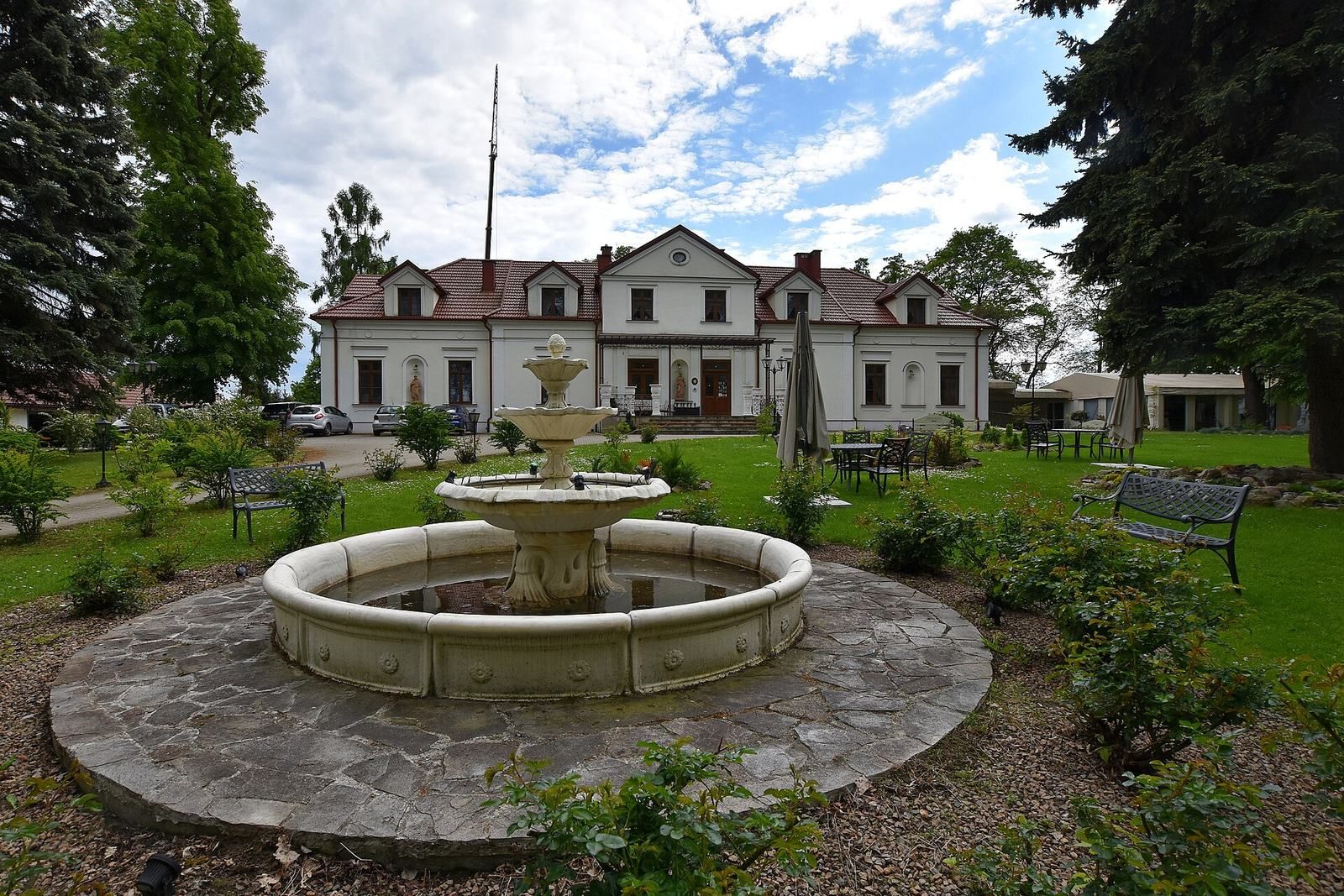
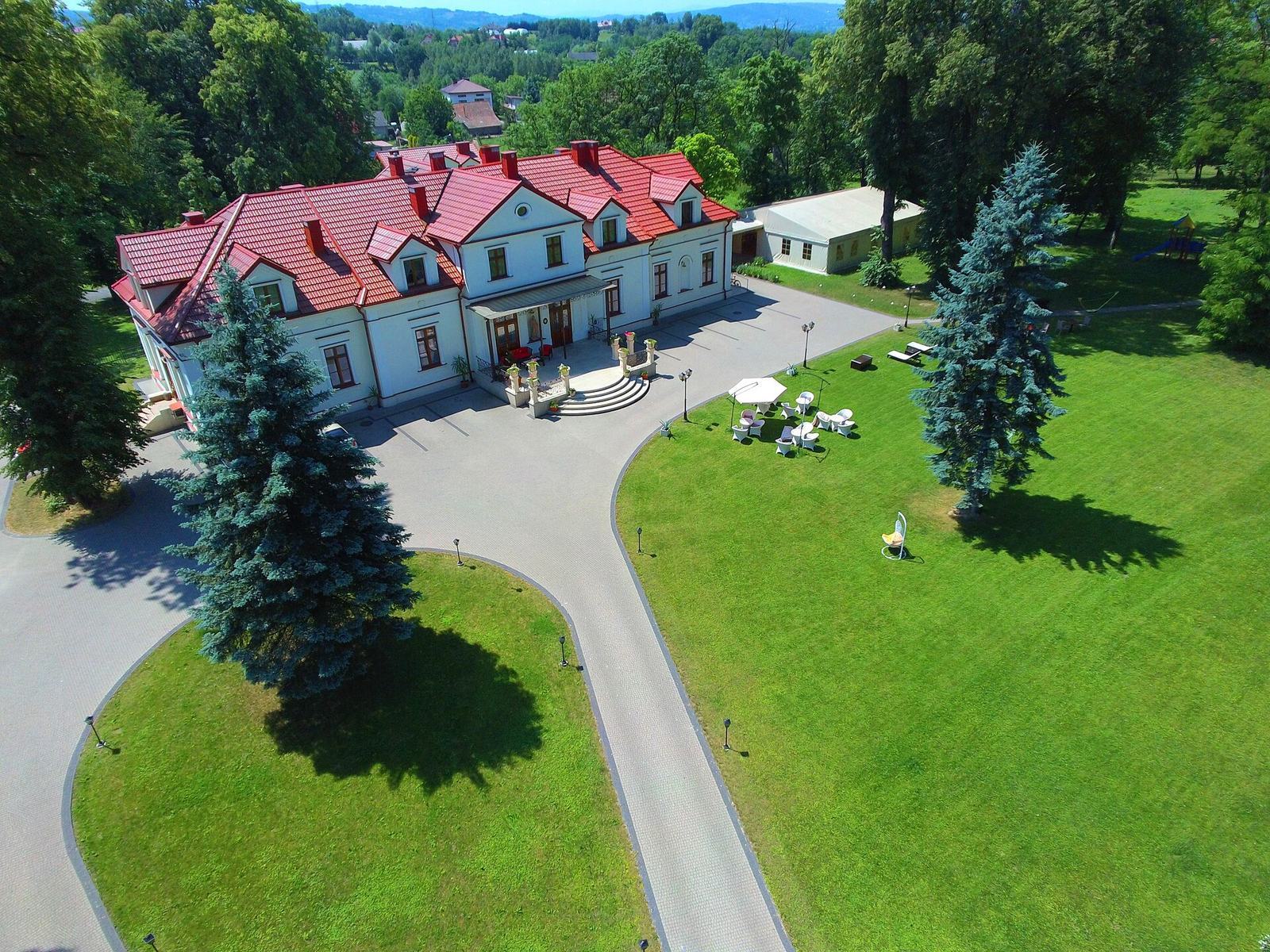
The estate brings together a two-storey masonry manor, a park, and two outbuildings. The house stands on raised ground along a long, steep slope above the Dunajec River. A separate villa is located on a hill beside the manor.
Buildings and grounds
Manor house
The two-storey manor is built of masonry and has an eclectic design. It replaced an earlier wooden house, and its surviving form reflects the later alterations made by the Turnau family. The building was renovated in 1976–1978 and comprehensively renovated in 2014.
Park and outbuildings
The manor belongs to a park complex that includes two outbuildings. The park’s layout was adjusted slightly in the nineteenth century, when new trees were planted, including a chestnut avenue.
Villa on the hill
The villa beside the manor has a cellar that housed the wartime workshop where grenades were made for the Home Army.