Manoir de Sautet: A Périgord Country Manor
Site at a Glance
- Popularity
- Very Low
- Country
- France
- Primary era
- Early Modern
- Eras represented
- Early Modern
- Civilizations
- French
- Site type
- Domestic
- Remains
- Elite Residence
On this page6 sections
History
Seventeenth-century origins
Manoir de Sautet is a country manor in Molières, France, probably used as a hunting lodge in the seventeenth century on land owned by the Cugnac family. Its long, low form belongs to the Périgord chartreuse type, a kind of country residence.
Enlargement and protection
The manor was enlarged in the eighteenth century. It is privately owned and was listed as a French historic monument on 20 March 1972, with protection covering its façades and roofs.
Remains
The manor and terrace
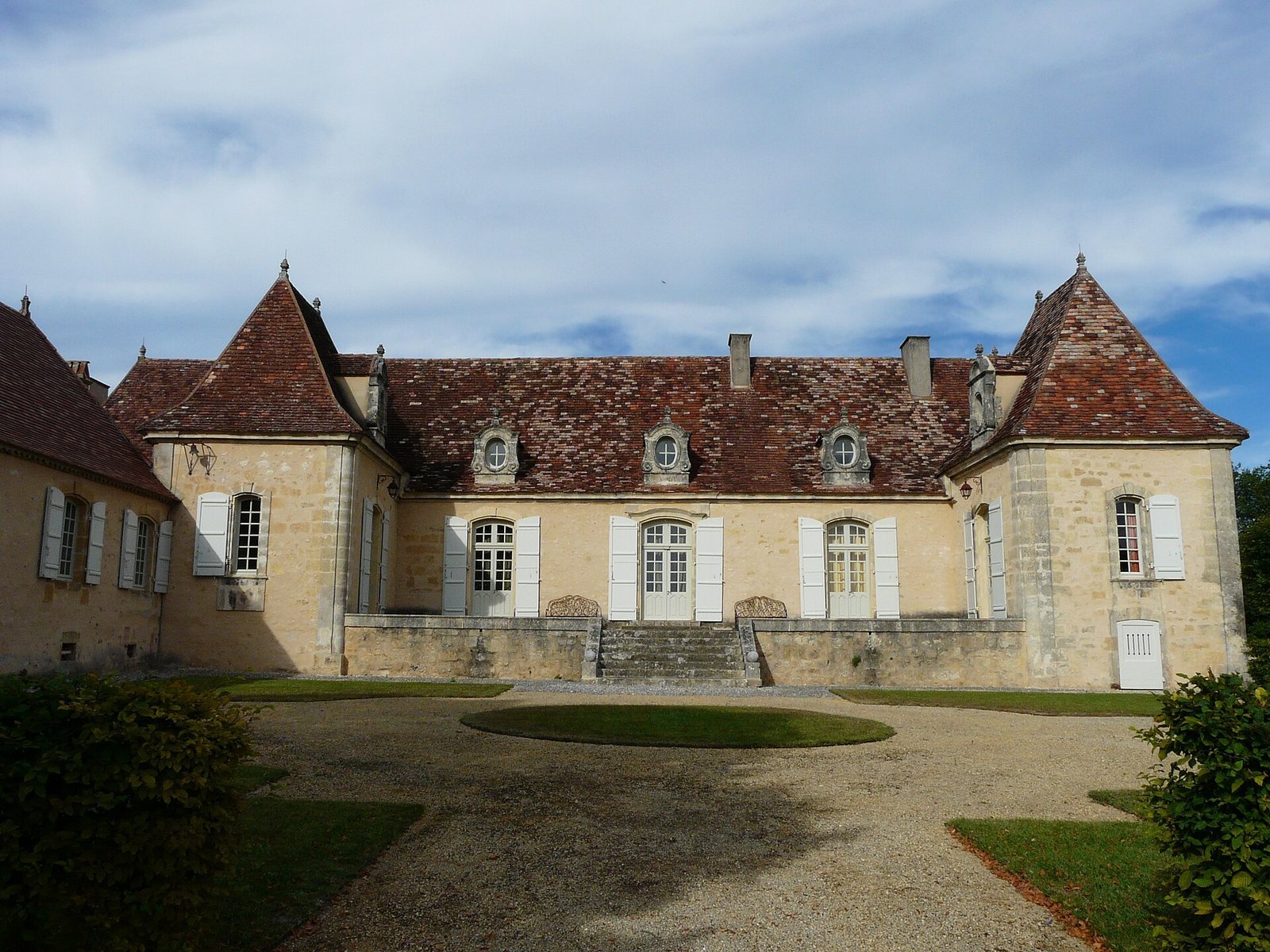
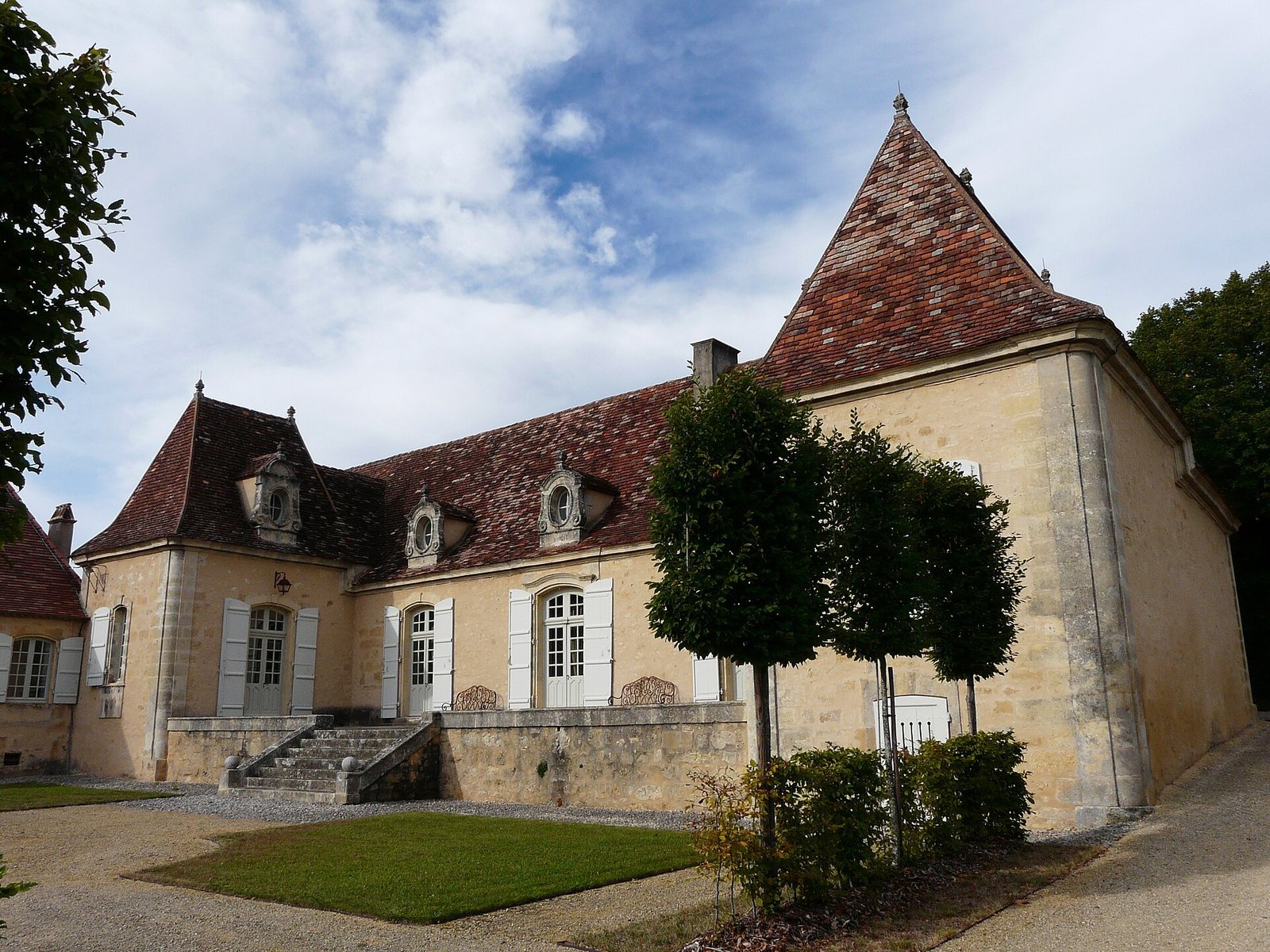
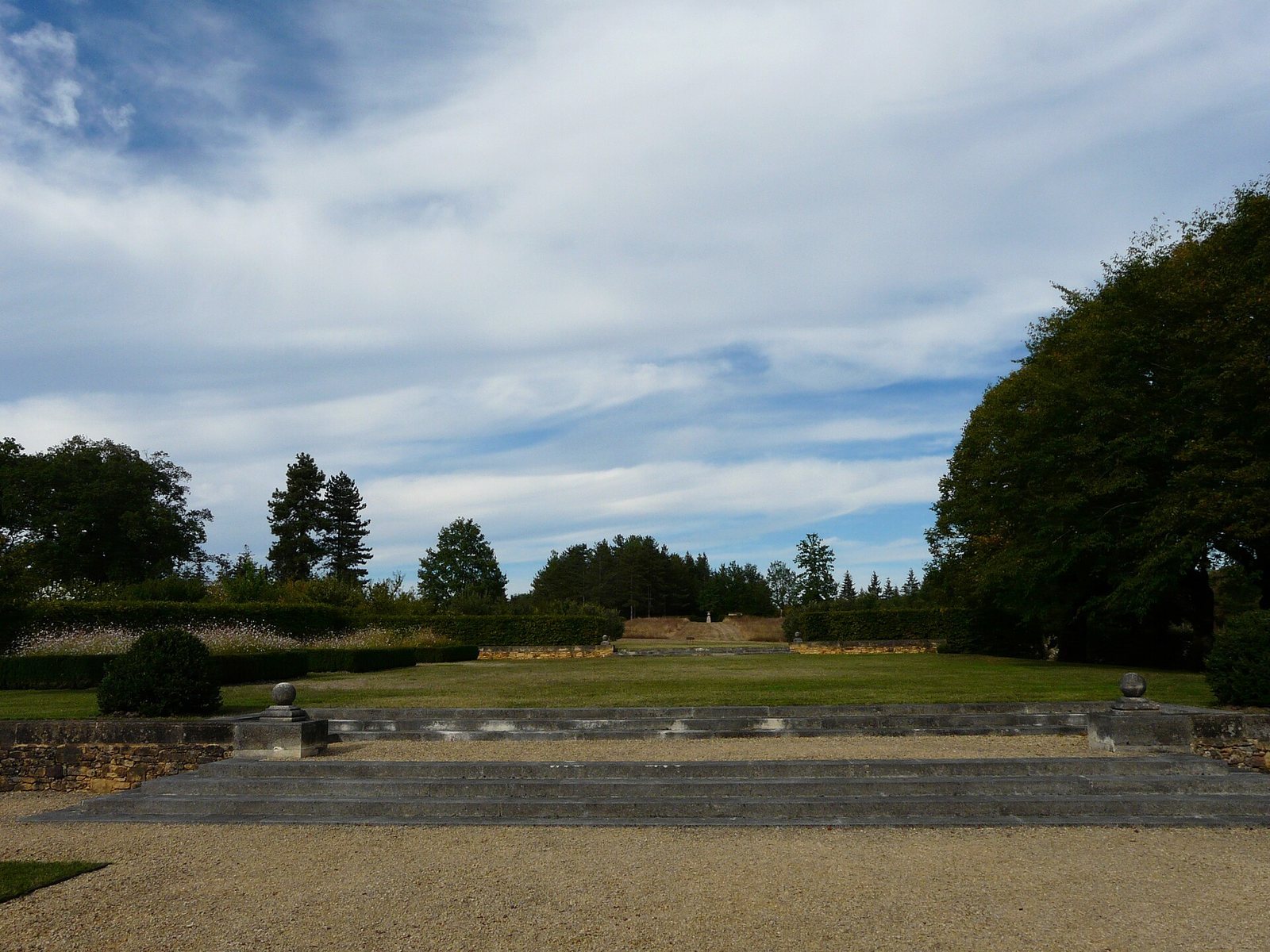
The manor has an elongated, low form, with a rectangular central body and two end pavilions set back from the principal façade to create a two-wing plan. Three large arched doorways occupy the front elevation. Dormer windows light the attic, with oval-curved frames supporting circular pediments topped by finials. A terrace runs across the front between the pavilions and is reached by a staircase.
Kitchen garden and setting
The manor and its kitchen-garden botanical garden cover six hectares. The garden grows vegetables and fruit trees associated with the heritage of the Périgord Noir. The property lies near the boundary between the Bergeracois and Périgord Noir regions, about 1.5 kilometres southwest of Molières’ bastide, a planned town of the kind associated with medieval southwestern France.