Izérable Fortified House: A Medieval Moated Residence in Morancé, France
Site at a Glance
- Popularity
- High
- Country
- France
- Primary era
- Medieval
- Eras represented
- Medieval
- Civilizations
- Holy Roman Empire
- Site type
- Military
- Remains
- Castle
On this page6 sections
History
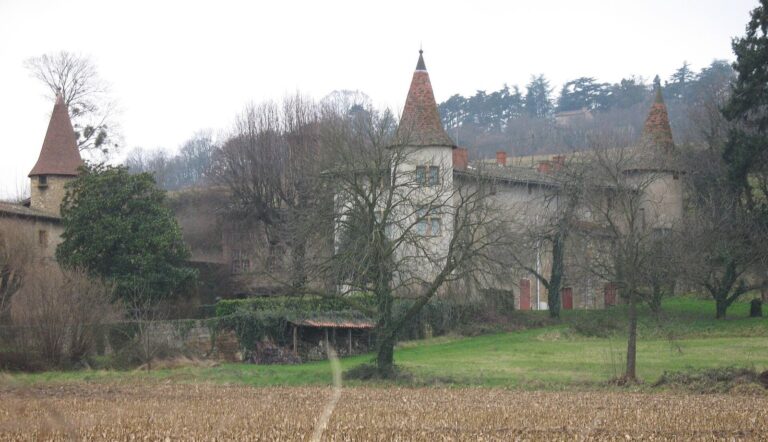
The Izérable fortified house is a medieval moated residence in Morancé, France, 1.5 kilometres east of the village in the Saône valley. Its fief, land held within a feudal relationship, dates to the thirteenth century. In February 1262, Chalenda de l’Izerable rendered homage, a formal acknowledgment of a superior lord, to the abbot of Ainay, a Benedictine abbey in Lyon.
Medieval lordship
Hugonin de Thélis held the fief in 1467. In 1477, judicial powers over the lordship passed to the count-canons of Lyon, members of the city’s cathedral chapter who held the title of count.
Chaponay ownership
The Dugué family acquired the property in the seventeenth century, and the Chaponay family succeeded them in 1680. Octavien de Chaponay, a knight who died in 1720, rendered homage to the king for the fief. His son Gaspard, who died in 1731, did the same. Gaspard’s son Pierre was a knight and marquis of Chaponay. Pierre’s son and successor, Pierre Élisabeth, was a knight and count of Chaponay and rendered homage to the king for his lands in 1779. Pierre Élisabeth’s son Pierre Anne (1754–1832) held the title of knight and marquis of Chaponay-Morancé.
The original building may have served as a leprosarium, an institution for people with leprosy. The estate is privately owned and used for agriculture.
Remains
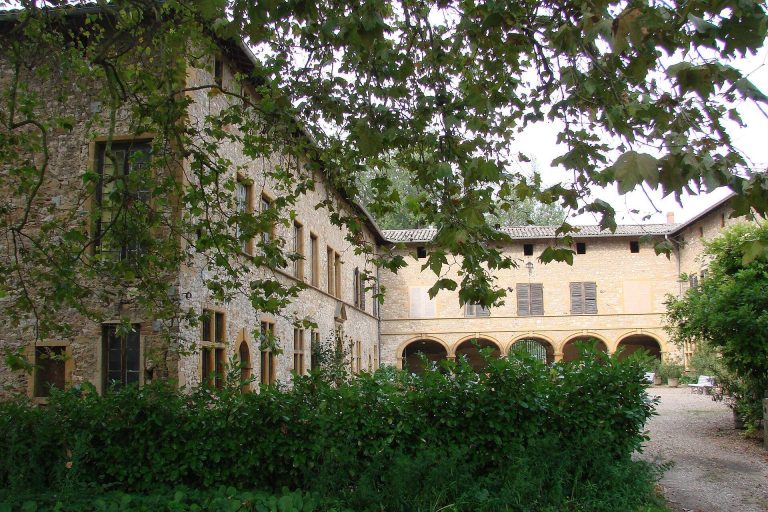
Courtyard and buildings
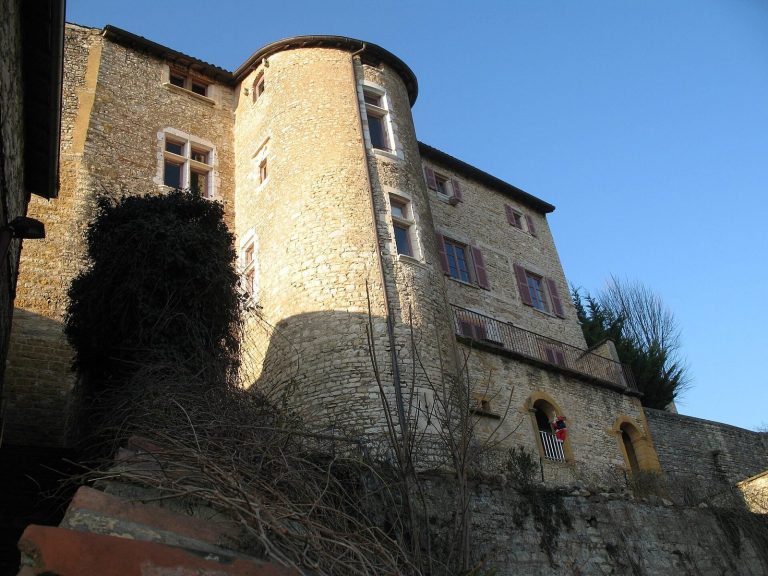
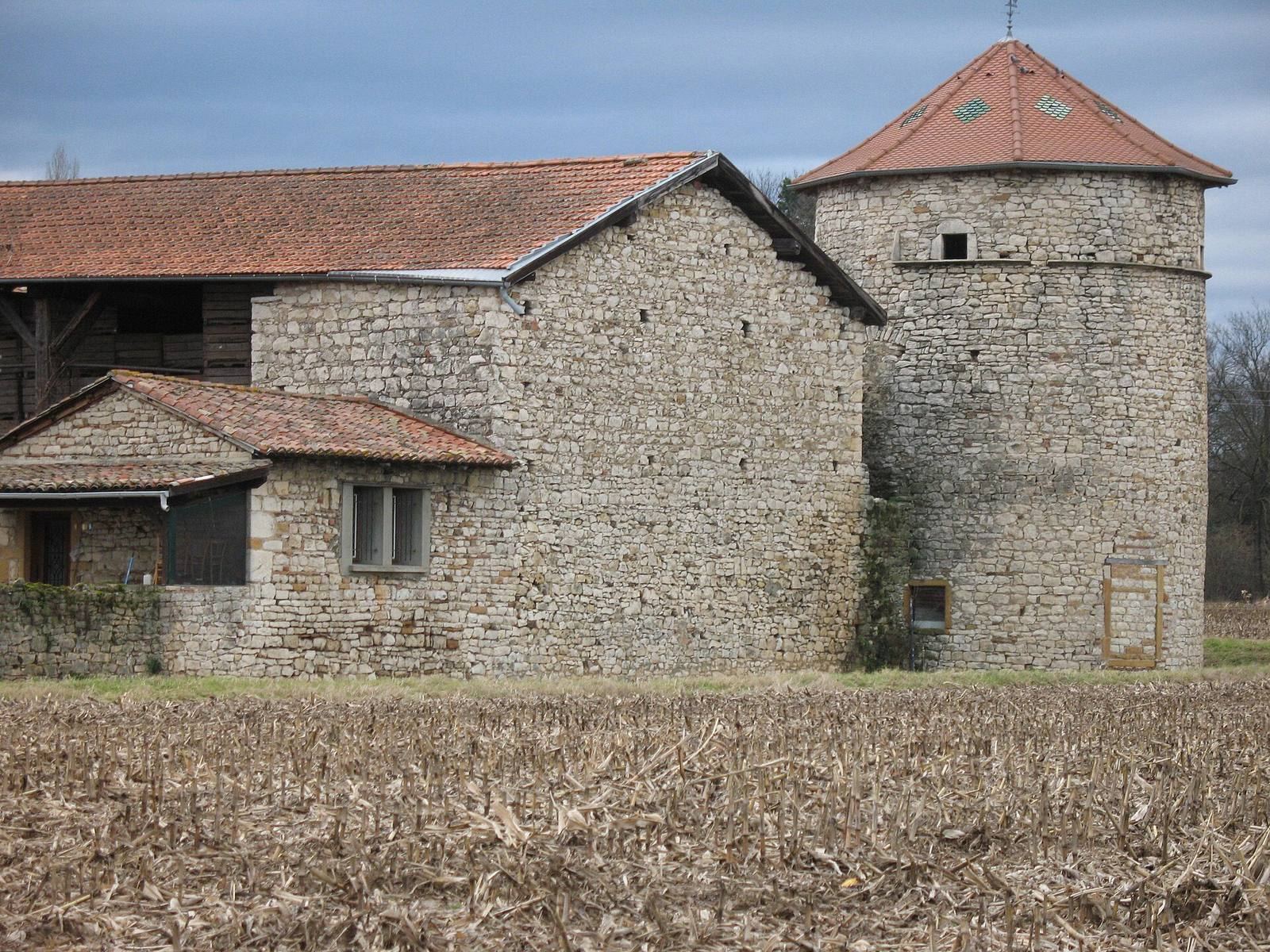
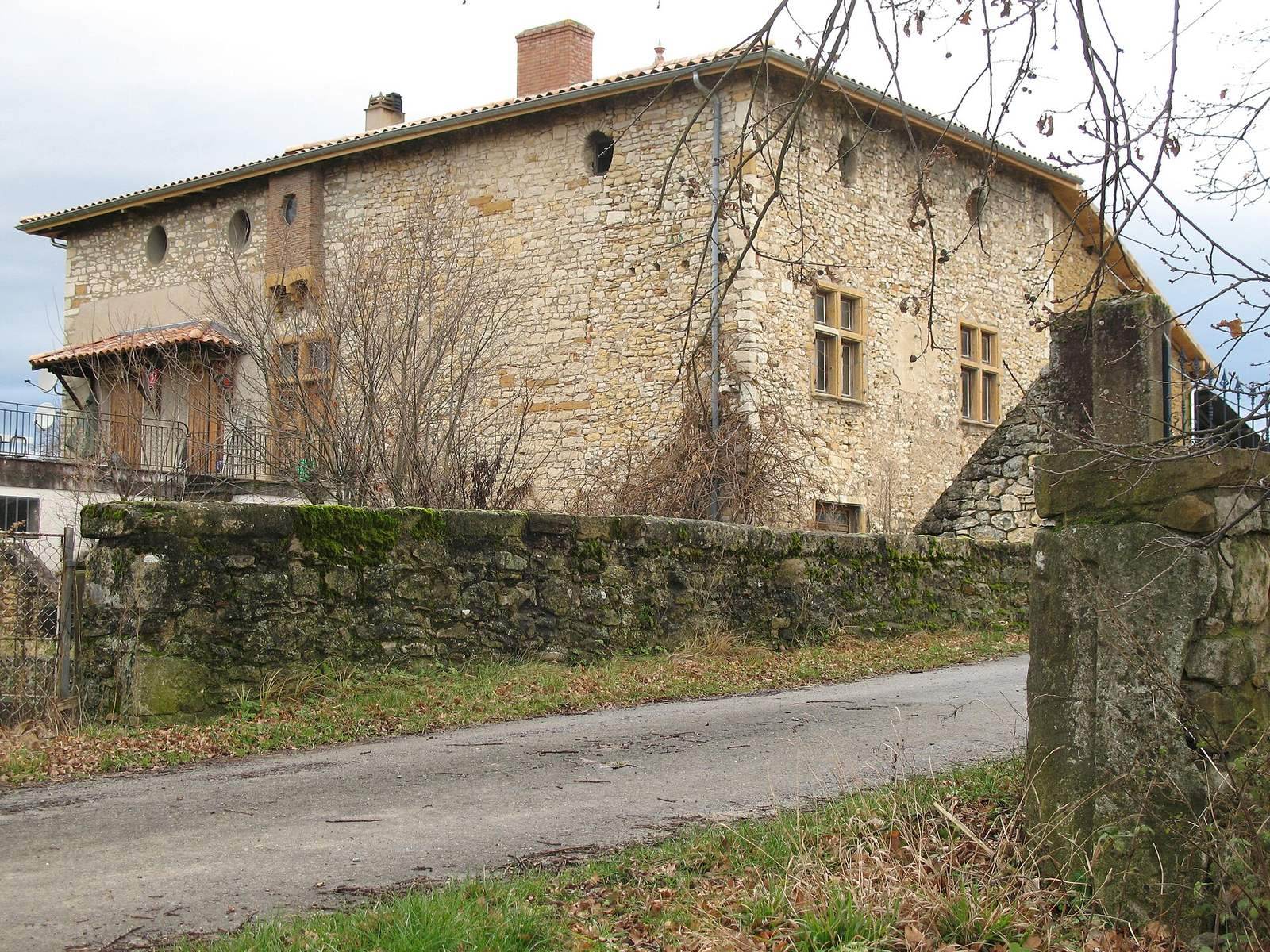
The buildings form a four-sided arrangement around a farm courtyard. A round tower occupies the northeastern corner, while a residential building stands to the southwest. Its windows are divided into sections by vertical supports, and small circular openings pierce the attic.
Moat and entrance
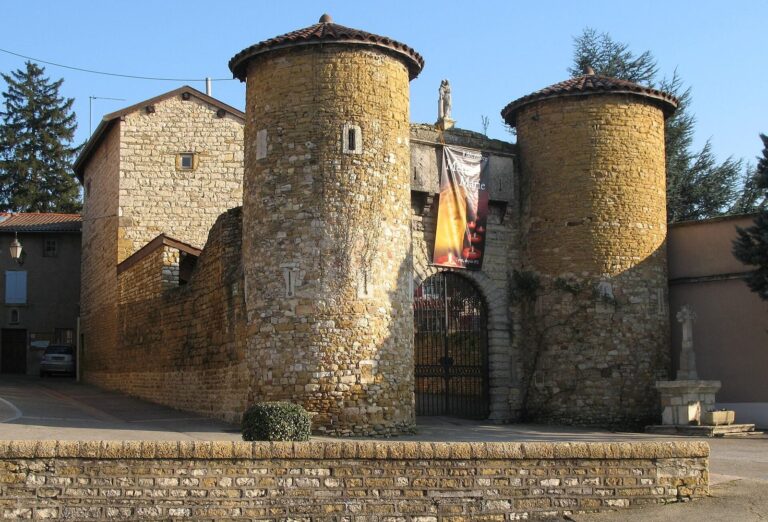
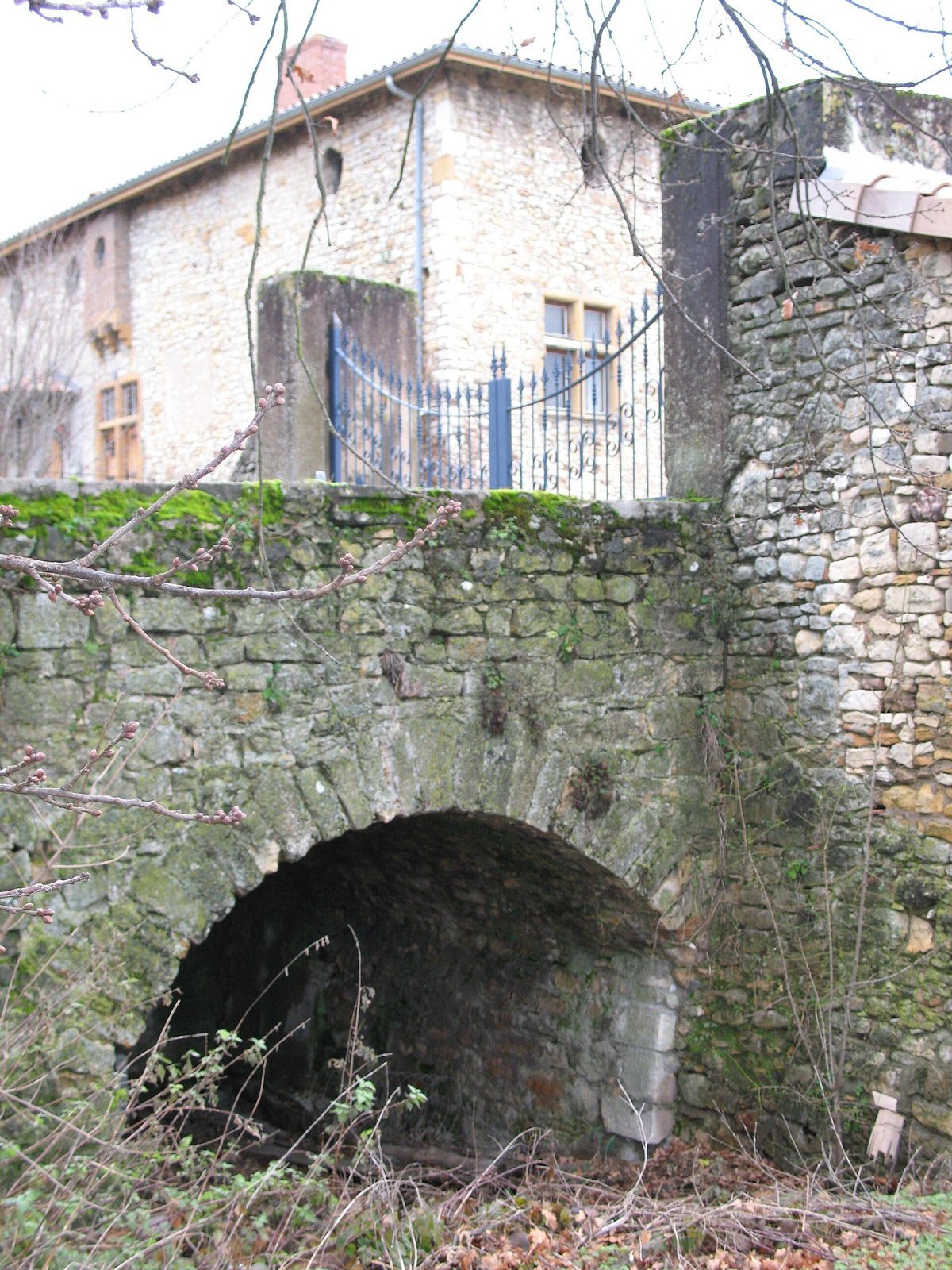
The imposing entrance is tentatively dated to the thirteenth century. Its only surviving element is the bridge that crossed the moat.