Lutheran Church in Bolshoye Kuzyomkino: A Parish Church in Ingria
Site at a Glance
- Popularity
- Very Low
- Country
- Russia
- Primary era
- Modern
- Eras represented
- Modern
- Civilizations
- Russian
- Site type
- Religious
- Remains
- Church
On this page6 sections
History
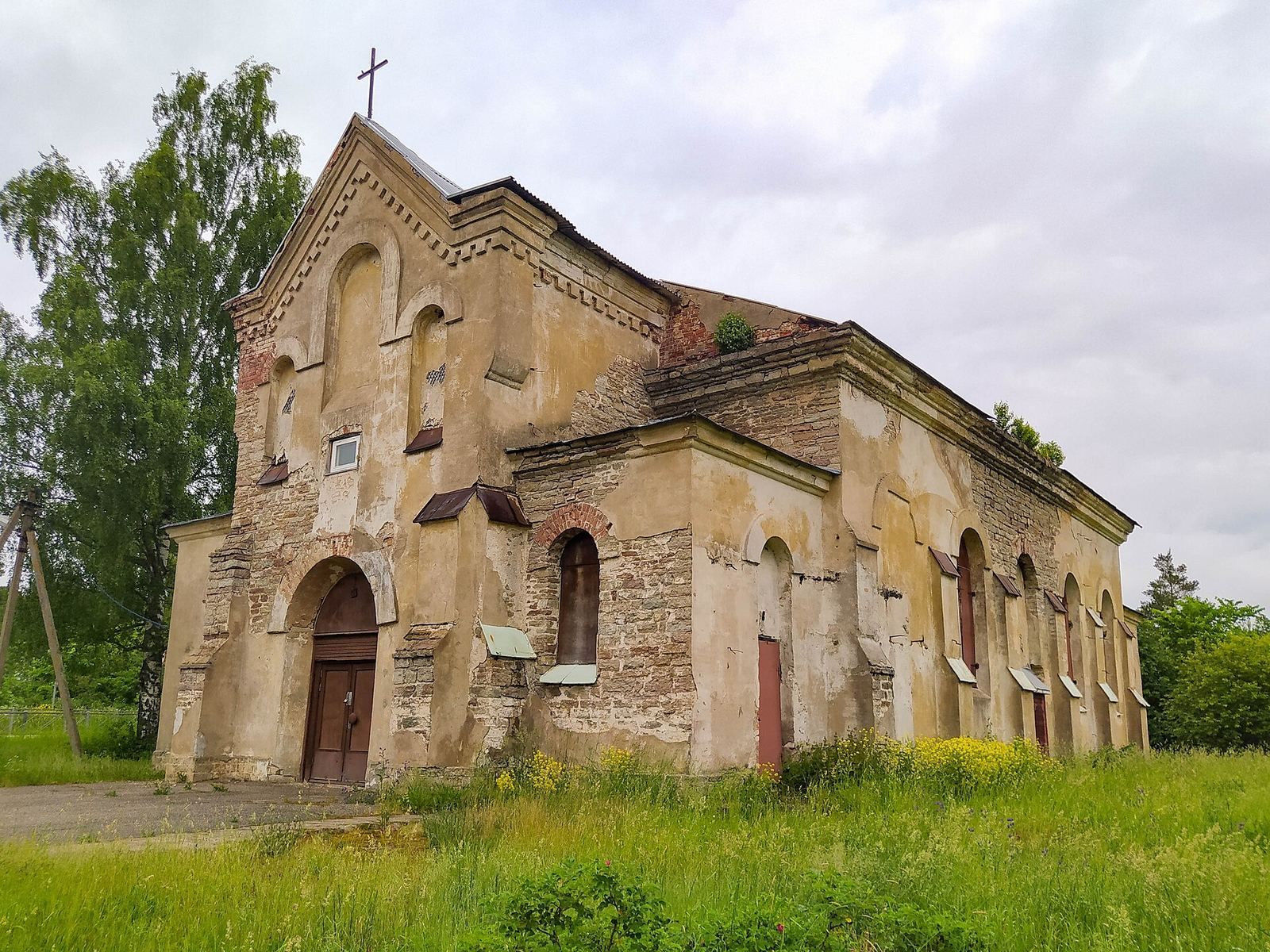
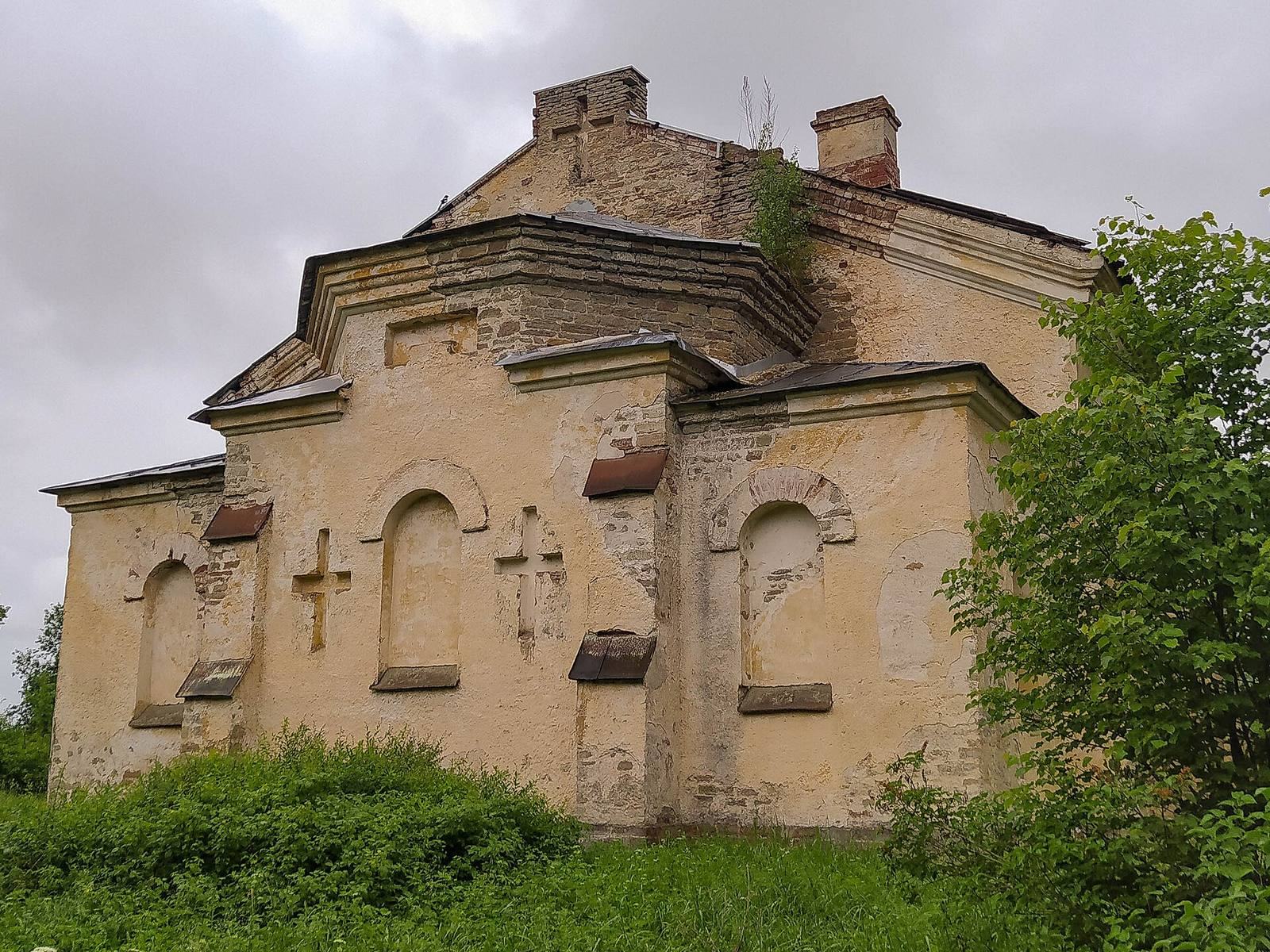
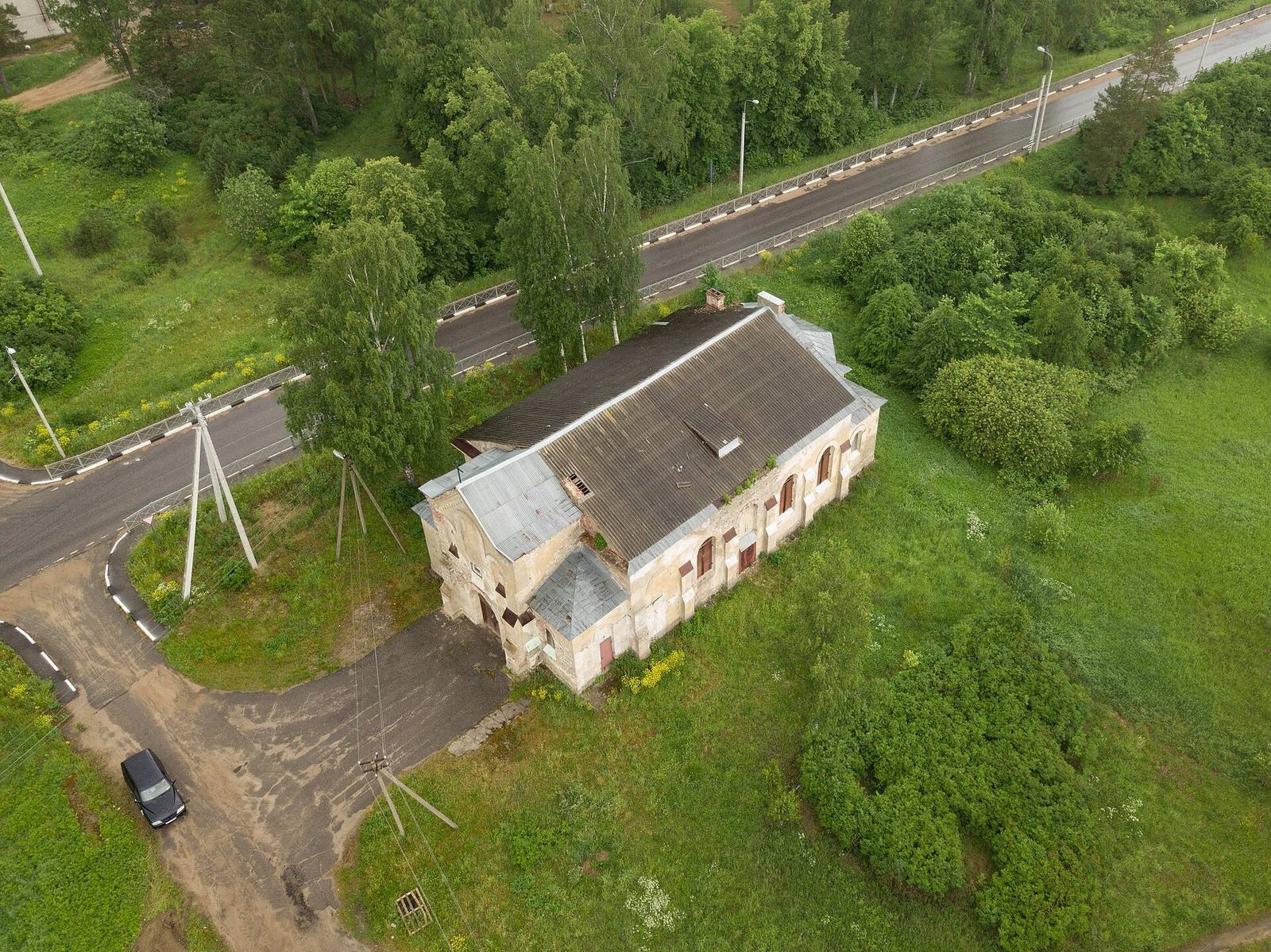
The Lutheran church in Bolshoye Kuzyomkino, Russia, is a parish church rebuilt in stone in 1878–79 in Russian Neo-Gothic style, a Russian form of Gothic Revival. It served the Kosemkina congregation, part of the Lutheran Protestant tradition that began in the Reformation. Its members were mainly Ingrian Finns, a Finnish-speaking population historically associated with Ingria, and later included Estonians.
Parish origins and the replacement church
The Kosemkina (Narvusi) Lutheran parish was established in 1640. In 1704 it became a chapel parish attached to St Michael’s Church in Narva. A chapel parish is a congregation connected to a larger parish. The first wooden church in Bolshoye Kuzyomkino was consecrated on 30 November 1732 and dedicated to Saint Andrew the First-Called, a traditional title for the apostle Andrew.
During the 1870s, Estonian tenants joined the mainly Ingrian Finnish congregation and helped make fundraising for a new church possible. The stone church was consecrated on 3 July 1879 by the pastor of Narva’s Swedish-German St Michael congregation, who also served as Kosemkina’s vicar. It was dedicated to the Holy Trinity, the Christian doctrine of God as Father, Son, and Holy Spirit, and was also known as Saint Andrew’s Evangelical Lutheran Church.
Parish growth and territorial change
The parish had 1,847 members in 1865. In 1904, its membership included 3,651 Finns and 80 Estonians; the following year it numbered about 3,800, including roughly 100 Estonians. It held 32 services each year in Finnish and Estonian. A Sunday school opened at the church in 1901 with funding from parishioners, teaching reading, writing, and the Lutheran catechism.
Prayer houses serving the parish opened in seven villages: two in 1888, two in 1895, two after 1896, and one in the late nineteenth century. All closed during the 1930s. By 1920, the parish’s territory encompassed 37 villages. Under the Tartu Peace Treaty of 2 February 1920, its southwestern portion became part of Estonia, in the area known as Estonian Ingria, the part of Ingria within Estonia. The remaining Russian portion became an independent parish, and Kallivere Lutheran parish separated from Kosemkina. Membership reached 4,260 in 1917 and was about 3,000 in 1928.
Closure, wartime use, and revival
The church was repaired in 1912. Worship ended in the mid-1930s, and the church closed later in that decade. It was then used as a club, including as a garrison club. Services resumed during the German occupation from 1941 to 1943. The church closed again in 1944 and returned to club use.
The Kosemkina parish was re-established in February 1990 within the Evangelical Lutheran Church of Ingria, a Lutheran church body serving congregations in the region. It belongs to that church’s West-Ingrian provostry, a regional grouping of congregations. Repairs to the church are ongoing, and services are held there.
Remains
The church and cemetery
The stone church is built in Russian Neo-Gothic style and has seating for 450. Its altar painting depicted the Savior blessing children. The church tower was demolished in 1936. The parish cemetery lies near the church; pastor Johan Wilhelm Kajander consecrated it on 23 August 1915.