Lau Church: A Medieval Parish Church on Gotland


Site at a Glance
- Rating
- 4.6
- Popularity
- Low
- Country
- Sweden
- Primary era
- Medieval
- External website
- Open
- Eras represented
- Medieval, Early Modern
- Civilizations
- Unclassified
- Site type
- Religious
- Remains
- Church
On this page11 sections
History
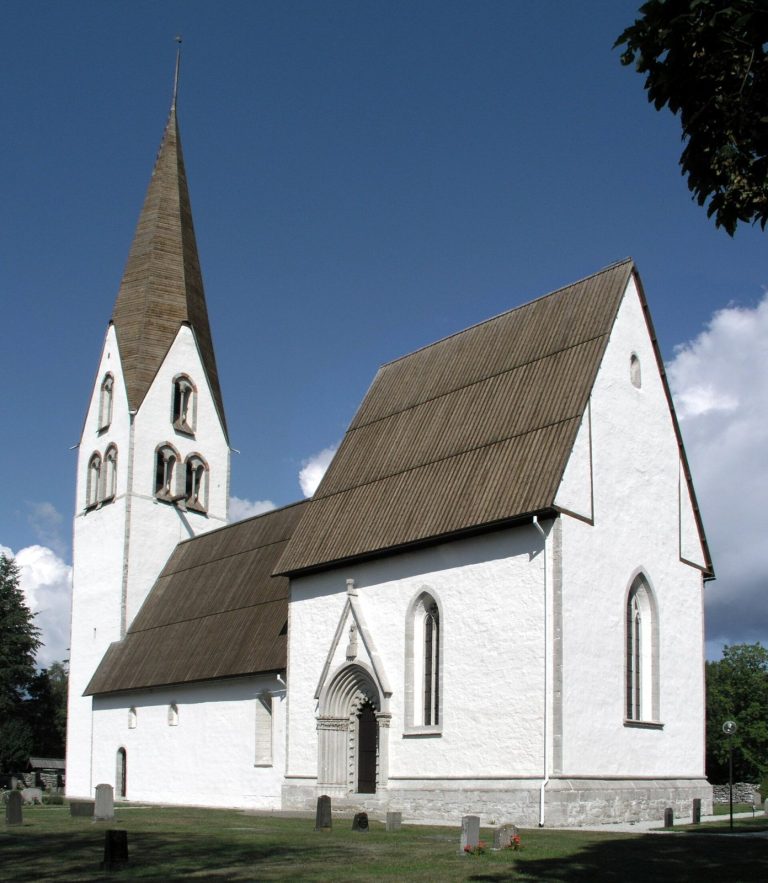
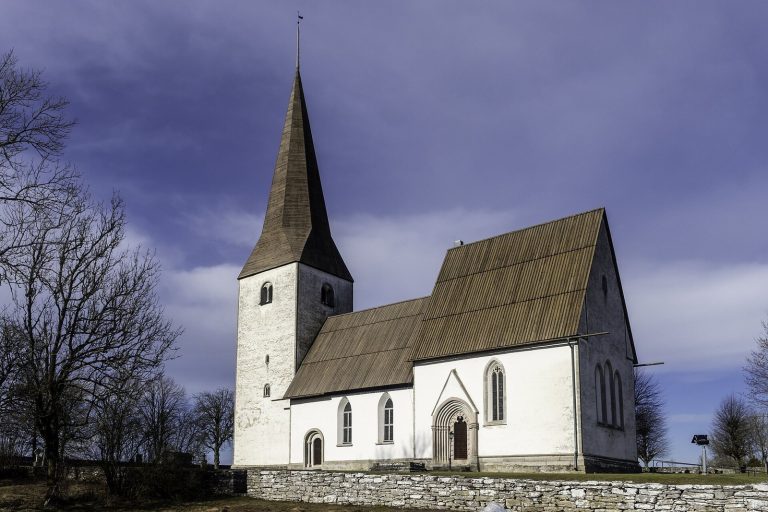
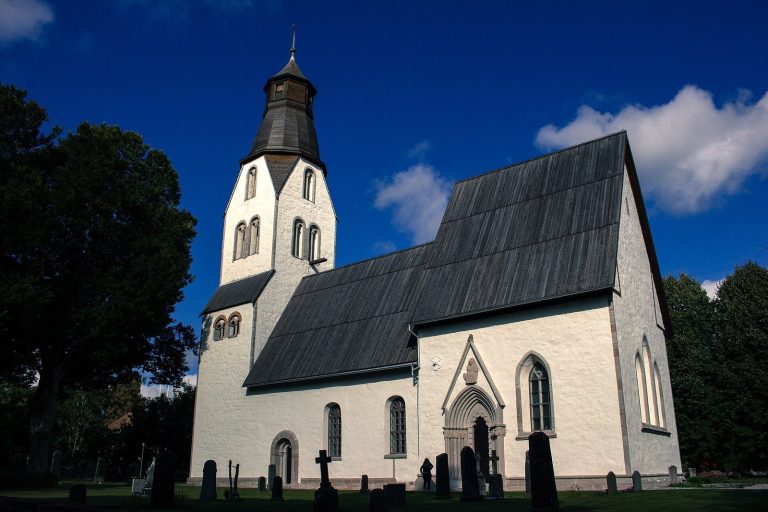
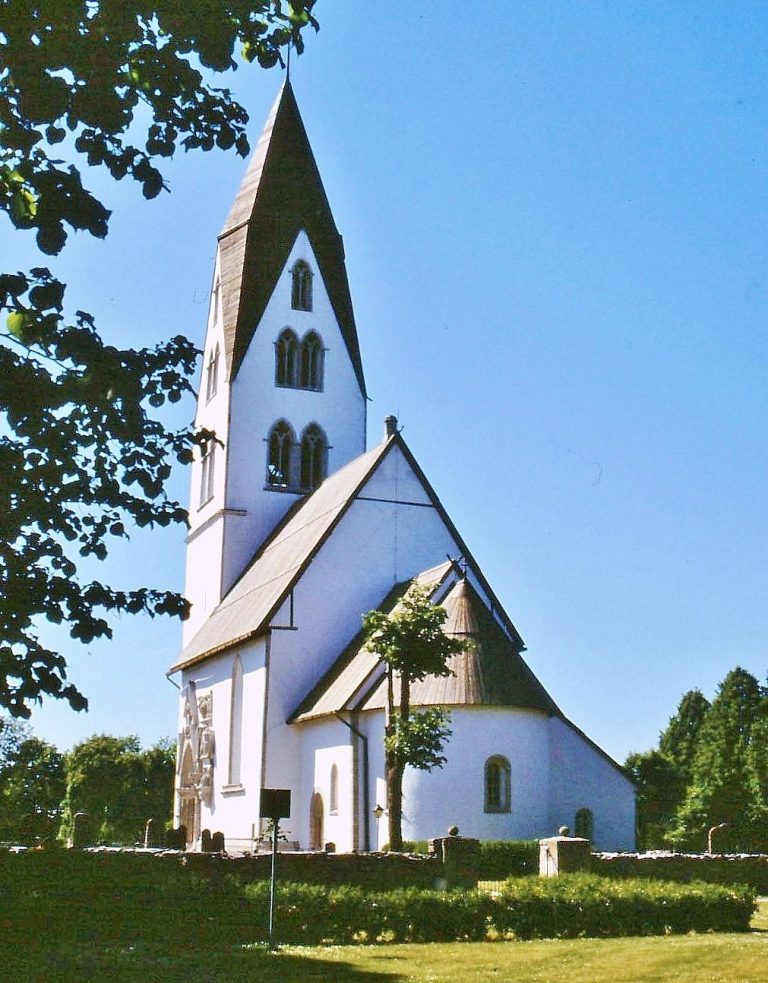
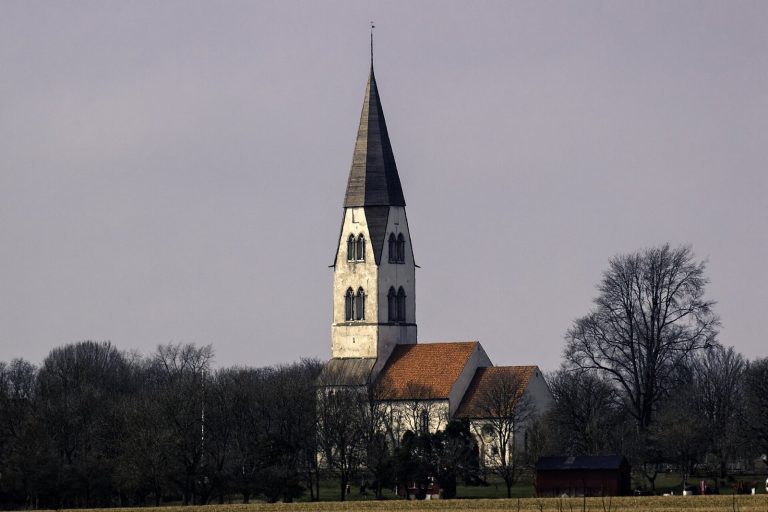
Lau Church is a medieval Church of Sweden church in Sweden, belonging to the Diocese of Visby, an ecclesiastical district of Sweden’s Lutheran national church. The present building dates from the early 13th century and is chiefly Romanesque, a medieval architectural style known for substantial masonry and rounded forms. Its exceptional size made it one of the largest rural churches on Gotland, and the largest during the 13th century, despite serving a relatively small parish.
Earlier setting and medieval construction
The area around the church had religious importance several centuries before the present building was erected. Pre-Christian burial grounds have been found both north and south of the church. The early 13th-century church may have replaced an earlier Romanesque building on the same site. Its large nave was followed by an equally ambitious choir, constructed around 1300 and possibly before 1288. A short civil war on Gotland may have interrupted the building plans.
The church’s scale has prompted several explanations. Its position near the coast and a good natural harbour may have allowed the parish to benefit from foreign trade. It may also have served pilgrims, including some who venerated Saint Olaf, the Norwegian king Olaf II Haraldsson, who later became an important figure in Scandinavian Christian pilgrimage. The most likely explanation is that Lau attracted large congregations when Dominican friars preached there in support of campaigns to convert non-Christian populations in Courland, Livonia, and Prussia.
Preaching and later history
Several papal letters requested that the Dominicans, a Catholic preaching and missionary order founded in the early 13th century, support these crusades not only in Visby but also at selected rural sites. Lau Church was probably one of the places chosen for this preaching. The association helps explain why a church serving a small parish was built on such a substantial scale.
The church underwent no major alterations after the Middle Ages. A thorough renovation took place between 1958 and 1960. South of the church are the remains of a defensive tower from the 12th century. After the tower was destroyed, it was converted into a rectory, which was later destroyed as well. Lau remains associated with the medieval rural churches of the Diocese of Visby and the Church of Sweden.
Remains
The surviving church is organized around a very large Romanesque nave and a similarly grand choir. Five external portals serve the building, while its western end shows that a tower was planned but never built. Inside, a high vaulted ceiling rests on large columns with sculpted bases and capitals. Medieval and later furnishings, wall paintings, window fragments, and a decorated baptismal font remain part of the church’s physical and artistic character.
Church structure
Nave and choir
The unusually large nave is the oldest part of the present church and dates from the early 13th century. Its Romanesque construction includes especially large portals with rich sculpture. The choir was built around 1300, or possibly before 1288, and matches the nave’s grand scale. Together, these two principal spaces form the central architectural body of the church.
Portals and western end
Lau Church has five external portals, more than any other rural church on Gotland. The large Romanesque entrances are among the building’s most elaborately sculpted features. The western end was constructed with a tower in mind, but the projected tower was never completed, leaving the church without a tower.
Interior features and furnishings
Vaults, paintings, and windows
The interior is dominated by a high vaulted ceiling carried by large columns whose bases and capitals are sculpted. A mural painted on the western wall in 1520 represents the Last Judgment. Several fragments of the original stained-glass windows also survive.
Altarpiece and triumphal cross
The early 15th-century altarpiece depicts the Coronation of the Virgin. It came from Lubeck and was repainted in the 18th century. The triumphal cross, a large cross placed at the entrance to the choir to mark the transition from the nave, dates from the mid-13th century and is one of the largest in the Nordic countries.
Baptismal font
The Romanesque baptismal font is made of limestone and dates from around 1200. It is attributed to the sculptor Sigraf and is among the church’s early artistic furnishings.