Langdon Court: A Former Manor House in Devon
Site at a Glance
- Popularity
- Medium
- Country
- United Kingdom
- Primary era
- Early Modern
- Eras represented
- Early Modern
- Civilizations
- English
- Site type
- Domestic
- Remains
- Manor House
On this page5 sections
History
Langdon Court is a former manor house at Down Thomas, near Plymouth, in the United Kingdom. Its single-courtyard mansion dates to 1693, and the estate’s ownership connects it to the Norman period, the Courtenay and Calmady families, and later changes in use.
Medieval manor and Crown tenure
The Domesday Book, a survey of England’s landholding and resources compiled after the Norman Conquest, records Langedone in 1087 as two manors. Before the conquest in 1066, Heca held one part and Goda the other. William the Conqueror granted the estate to Juhel de Totnes, a Norman nobleman, as one of 107 holdings he received in Devon in recognition of his support. Juhel later granted both parts to his knight Waldin and died between 1123 and 1130.
During the reign of Henry III, from 1216 to 1272, the estate passed from the Pipard family to the Courtenays, Earls of Devon, who held it for almost two centuries. The last Courtenay owner, then Marquess of Exeter, was beheaded for treason by Henry VIII in 1538. His opposition to the king’s break with Rome and creation of the Church of England may have contributed to his execution during the period of the Pilgrimage of Grace, a 1536 uprising against Henry’s religious and political changes. Langdon then reverted to the Crown before passing to Catherine Parr, Henry VIII’s last wife.
The Calmady family
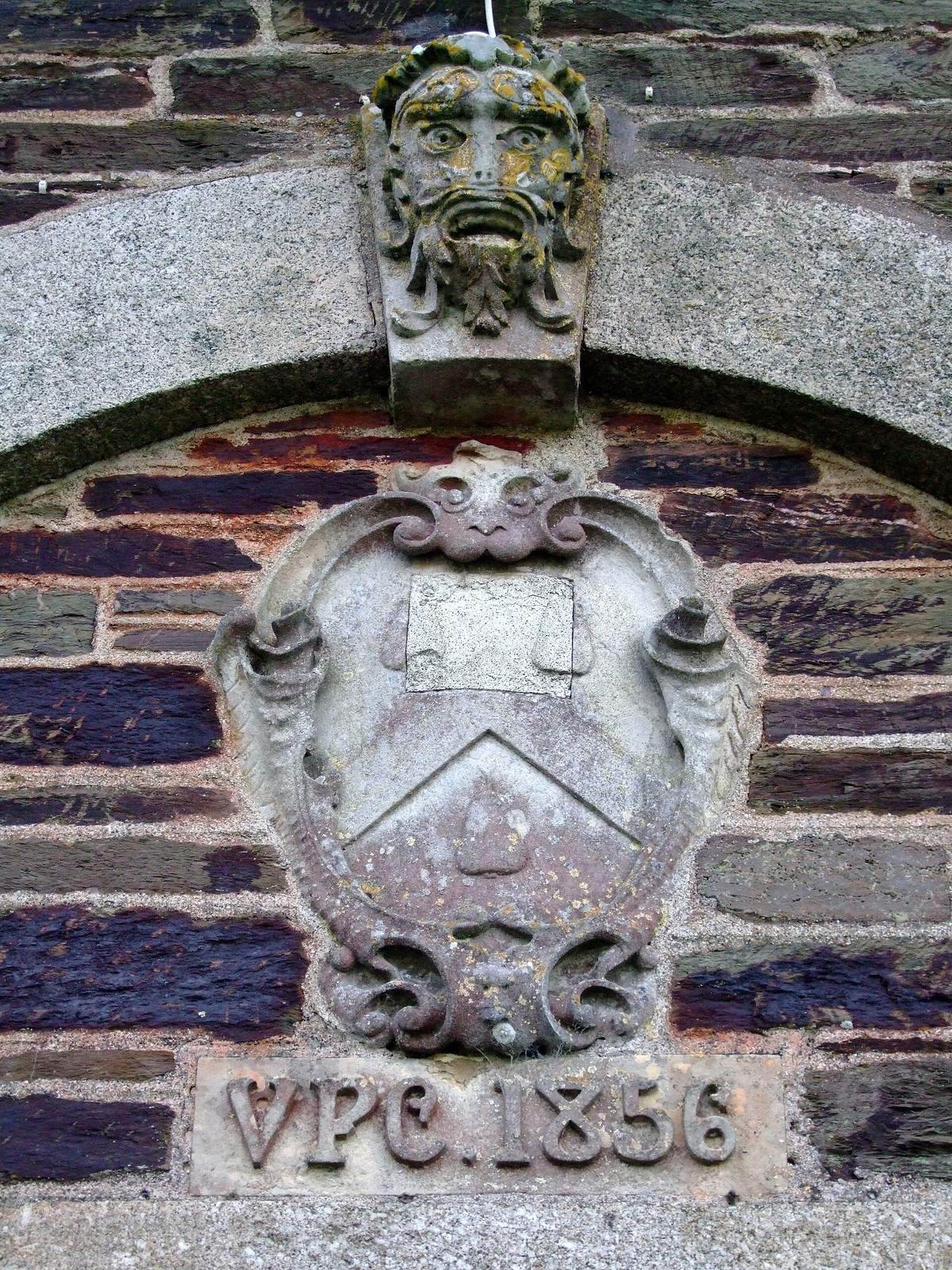
Vincent Calmady bought Langdon from the Crown in 1555. The Calmady family had been established at its namesake estate since at least 1337. Vincent’s first wife, Mary Nicks, had children who inherited Langdon. His purchase began an extensive period of building and landscaping at the estate.
Vincent’s son and heir, Josias I Calmady, married Katherine Courtenay in 1584. She was the daughter and co-heiress of Edward Courtenay of Ugbrooke. Their son Sir Shilston I Calmady was knighted in 1618 and killed on 13 February 1645 during the English Civil War, a series of conflicts between Royalist and Parliamentary forces. He died at the siege of Ford Abbey in Devon and was buried at nearby Membury parish church, where his monument survives. Josias II Calmady, Shilston’s third son and eventual heir, represented Okehampton in Parliament in 1680.
Charles Home Calmady died at Langdon Hall in 1807, aged 55. He had become an Admiral of the Blue, a Royal Navy flag-officer rank, in 1804, and served as a captain in the Bramdean Volunteer Cavalry in 1798. The Calmady family’s ownership ended in 1875, when Charles Calmady’s children sold the estate.
Later owners and changing uses
Richard Cory bought Langdon Court in 1876 and undertook extensive repairs and alterations to the house. His father, William Cory, had founded a London coal-shipping and bunkering firm. Richard hosted the Prince of Wales, later King Edward VII, at Langdon on several occasions; the prince was often accompanied by his friend, the actress Lillie Langtry.
After Cory’s death in 1904, the estate was broken up. Mrs. Kenyon-Slaney bought the house and ten acres, living there until the beginning of the Second World War. After the war, Plymouth City Council acquired the property for use as a convalescent home for children. The council sold the building in 1960, and it was converted into the Langdon Court Hotel. The hotel closed in June 2020 after losses associated with the COVID-19 pandemic.
Langdon Court is listed at Grade II*, a category for particularly important buildings. Its garden has separate Grade II status in the National Register of Historic Parks and Gardens.
Remains
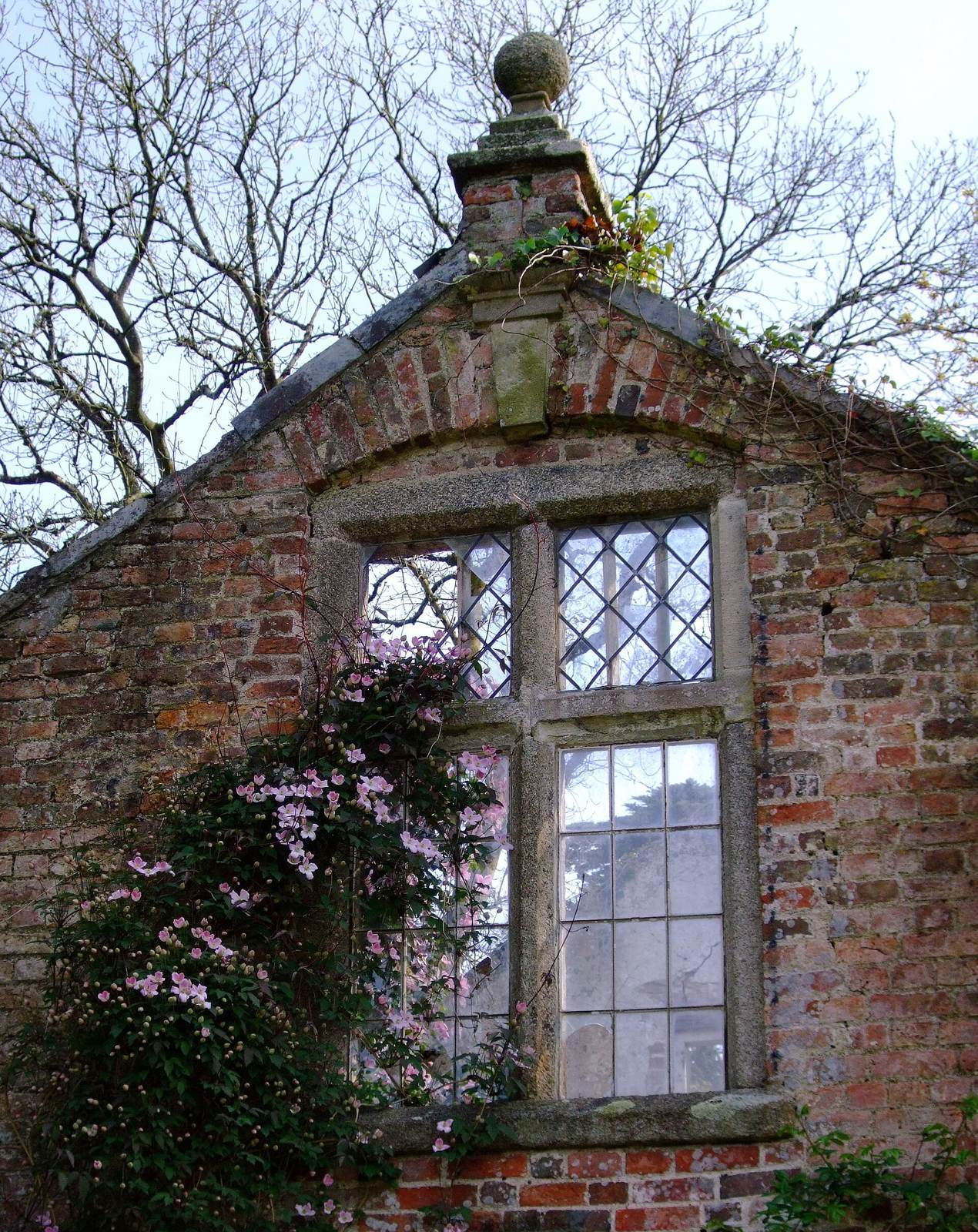
Langdon Court is a single-courtyard mansion. The grounds include a walled formal garden, and much of the building and landscaping from the Calmady period survives. The surviving grounds include the early English Renaissance garden created by the family.