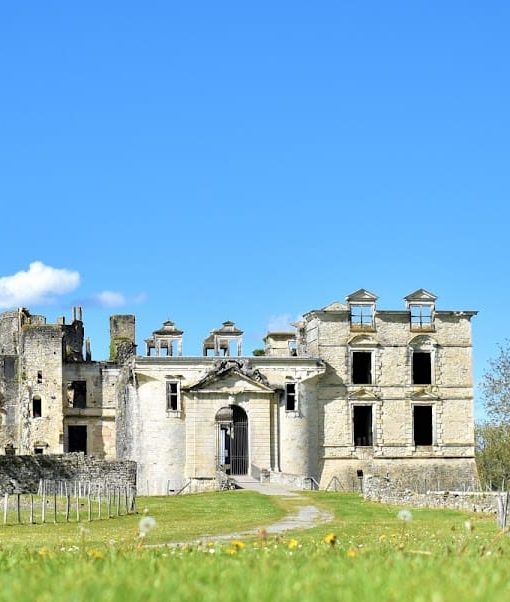
Château de Bellocq: A Béarnaise Fortress in France
Site at a Glance
- Rating
- 4.5
- Popularity
- Very Low
- Country
- France
- Primary era
- Medieval
- Eras represented
- Medieval
- Civilizations
- Unclassified
- Site type
- Military
- Remains
- Castle
On this page8 sections
History
Château de Bellocq is a medieval fortress in Bellocq, France, built by Gaston VII Moncade, viscount of Béarn, between 1250 and 1280. It stood on the Gave de Pau, the principal river route into Béarn, beside the frontier with English-controlled Guyenne, a southwestern region under English rule during part of the medieval period. The castle was intended to strengthen the territory and protect access to Orthez, the capital of Béarn.
Foundation and medieval defenses
The fortress was planned to accommodate a large garrison. After its completion, Gaston VII established a nearby bastide, a planned medieval settlement, and the settlement together with Bellocq’s fortified church became part of the wider defensive complex. A fortified house associated with the castle was built in 1281.
In 1370, Gaston Fébus, count of Foix and viscount of Béarn, reinforced Château de Bellocq and added other strong points in an effort to preserve Béarn’s independence against France, England, and Navarre. The castle therefore formed part of a broader network of defenses during a period when control of the territory was contested by several kingdoms.
Navarrese use and religious conflict
Henri II d’Albret, also known as Henry II of Navarre, repaired or strengthened the castle in 1542 in preparation for a possible Spanish invasion. From this period onward, the kings of Navarre sometimes left their castle at Pau for Bellocq. Jeanne d’Albret, queen of Navarre, stayed at Bellocq regularly while receiving spa treatments at Salies-de-Béarn during the sixteenth century.
In 1568, Charles IX of France sent the Baron of Terride to subjugate and govern Béarn, which was then largely Protestant, and to restore the Catholic hierarchy. Bellocq came under Catholic control, but it resisted a siege by a Protestant resistance army formed the following year by the military commander Gabriel de Montgomery at Jeanne d’Albret’s request.
Destruction and preservation
As Protestant influence returned in Béarn, Louis XIII ordered the fortress burned in 1620 to prevent its future use by Protestant forces. Château de Bellocq then lost its regional historical role, deteriorated, and was partly dismantled from 1622. The ruins were declared a monument historique, a protected historic monument, in 1925 and classified under the same designation in 1997. They are now owned by a private individual and the commune.
Remains
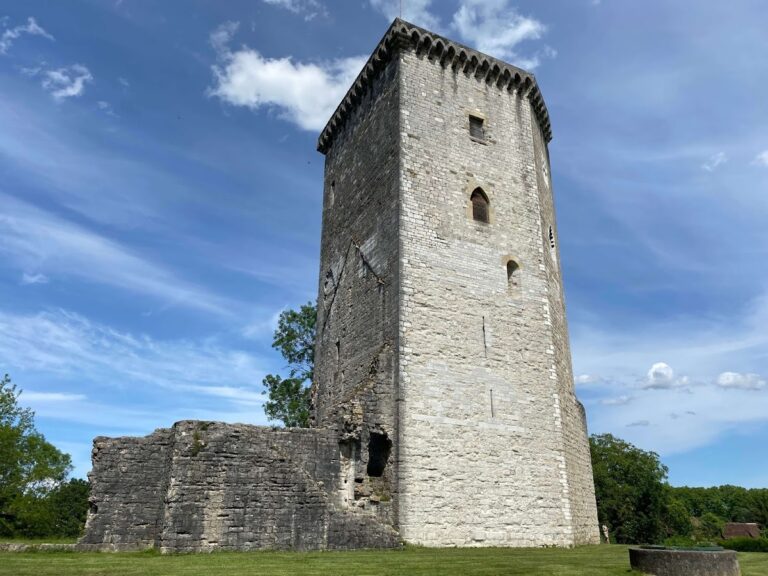
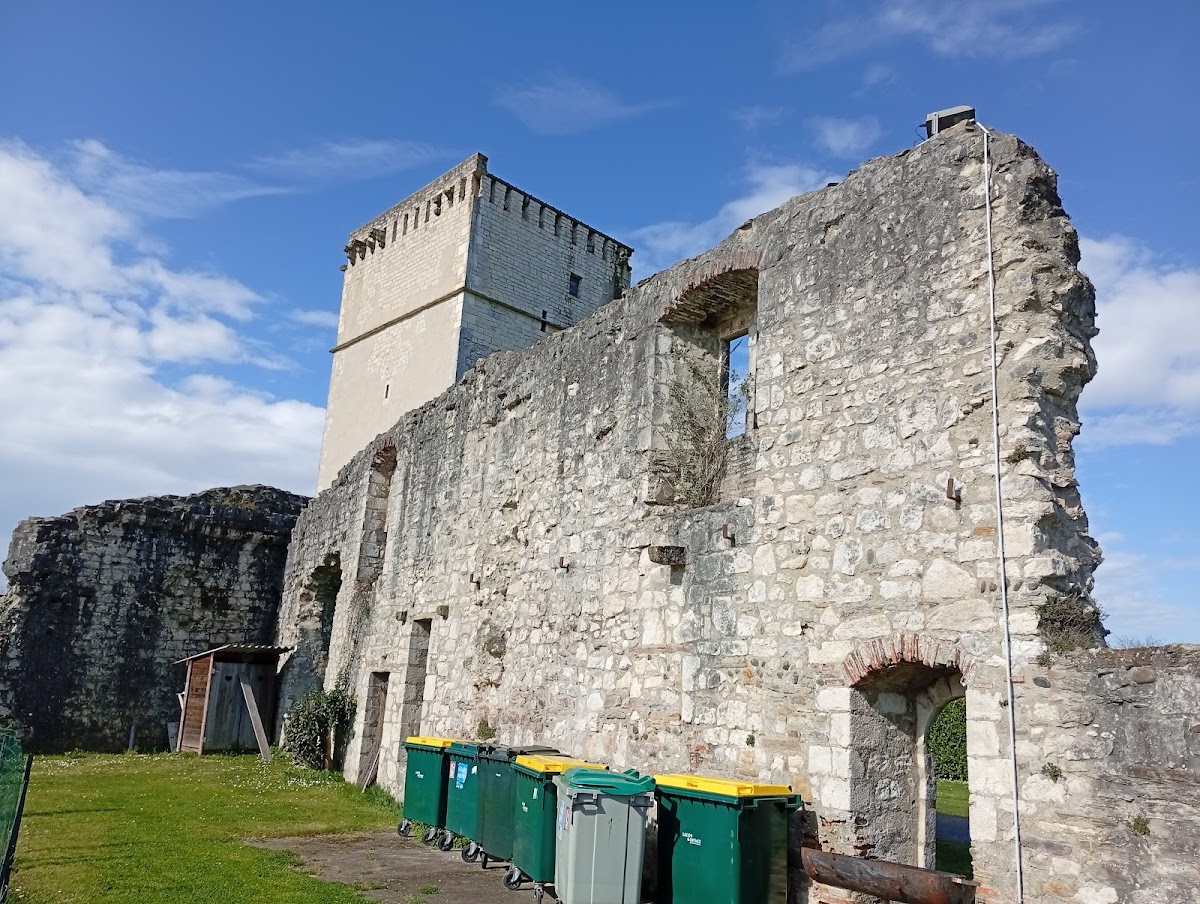
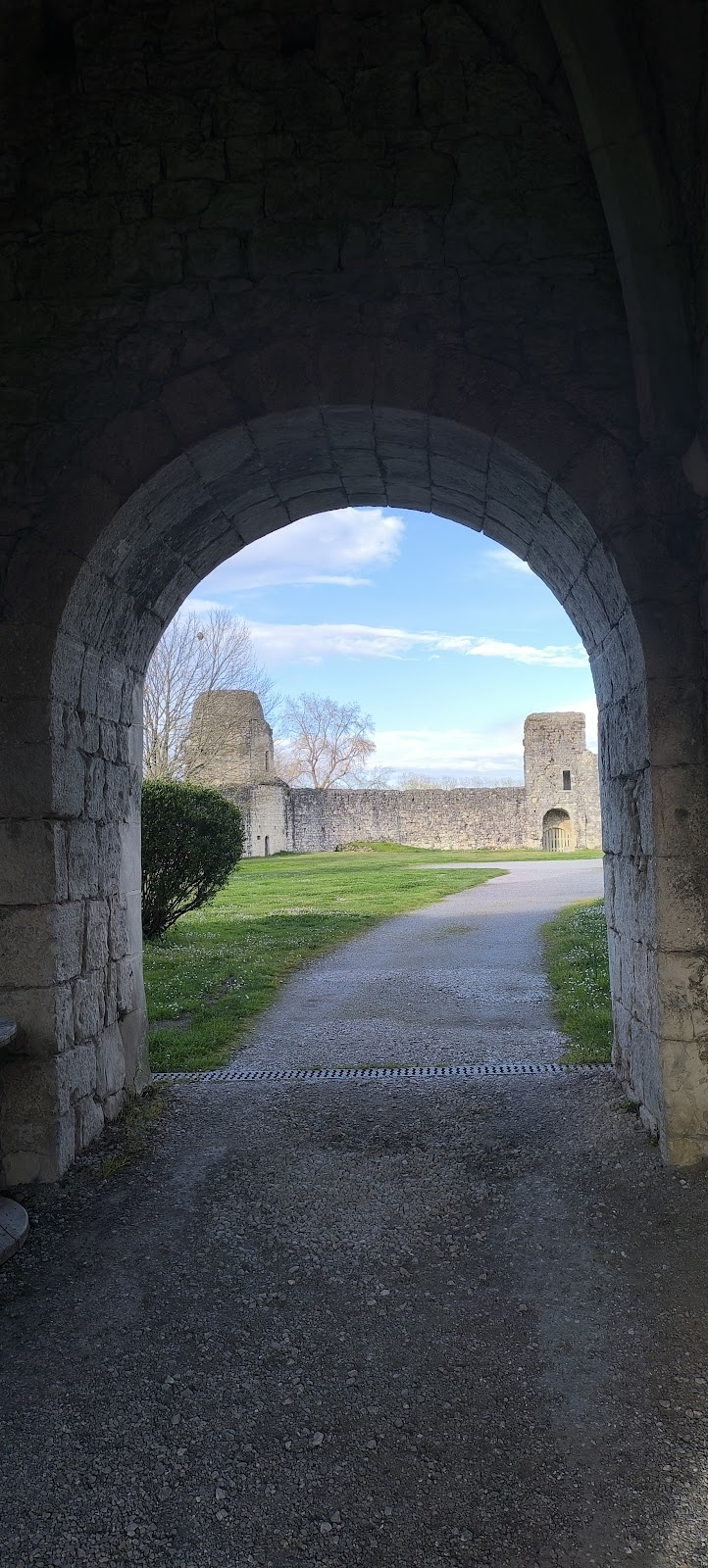
Château de Bellocq survives as ruins on rocky ground beside the Gave de Pau. The Béarnaise fortress forms an irregular quadrilateral and is linked to the fortified house built in 1281. Its defenses were remodelled during the fourteenth century and strengthened by seven towers arranged around crenellated curtain walls, the defensive walls connecting the towers.
Fortified enclosure
Towers and entrance
The seven towers comprise four round towers, one semicircular tower, and two square towers. One square tower formed the main entrance and contained the drawbridge. Because the castle had no separate keep, its larger gate tower served as the master tower, the principal defensive tower of the fortress.
Curtain walls
The curtain walls were approximately seven metres high and carried crenellations along their upper edges. Cruciform arrow slits, narrow openings that allowed defenders to fire while remaining protected, pierced the walls. Together with the towers and entrance, these surviving elements define the fortress’s irregular enclosure and its defensive character.