Kumeda-dera Temple: A Koyasan Shingon Buddhist Temple in Kishiwada


Site at a Glance
- Rating
- 4.1
- Popularity
- Low
- Country
- Japan
- Primary era
- Early Modern
- Eras represented
- Early Modern
- Civilizations
- Tokugawa
- Site type
- Religious
- Remains
- Temple
On this page9 sections
History
Kumeda-dera Temple is a Koyasan Shingon Buddhist temple in Kishiwada, Osaka, Japan, traditionally founded by the influential Buddhist priest Gyoki in 738. Its formal name is Ryugazan Ryuchi-in Kumeda-dera, and its principal image is Shaka Nyorai, the historical Buddha. The temple’s foundation tradition links it to Kumeda Pond, an irrigation reservoir whose excavation Gyoki is said to have directed.
Foundation and medieval development
Gyoki was known for organizing religious communities and directing public works, including irrigation projects. Tradition holds that Kumeda-dera was established to maintain and manage Kumeda Pond, giving rise to the temple’s secondary name, Ryuchi-in. An early description presents the temple as controlling a broad territory bounded by streams, ridges, roads, and mountain areas. Agricultural land within these boundaries generated income for Buddhist services and the resident clergy.
During the Heian period, Kumeda-dera came under the authority of Ichijo-in, a subtemple of Kofuku-ji, a major Buddhist temple in Nara. The temple declined after warriors entered the site during the Jokyu Disturbance of 1221, a conflict in which a retired emperor challenged the Kamakura shogunate and whose military consequences affected religious institutions and their estates. Ando Rensei revived Kumeda-dera in the middle of the Kamakura period.
Imperial patronage and wartime destruction
During the Northern and Southern Courts period, the fourteenth-century conflict between rival imperial courts, emperors and members of the imperial family showed strong devotion to Kumeda-dera. The temple also maintained a close relationship with Kusunoki Masashige, a military leader who supported the Southern Court, and received substantial protection. Warfare nevertheless repeatedly threatened its temple estates.
In the Muromachi period, Kumeda-dera became one of the Ankoku-ji temples established throughout Japan by Ashikaga Takauji and Ashikaga Tadayoshi. These temples formed part of a nationwide system intended to promote peace and memorial observances. During the Sengoku period, an era of prolonged warfare among competing regional powers, fire almost entirely destroyed the temple. Major damage occurred during the Battle of Kumeda in March 1562, fought between Miyoshi Jikyū and Hatakeyama Takamasa, as well as in fires connected with Oda Nobunaga’s campaign against Takaya Castle.
Rebuilding and continuing religious life
Kumeda-dera was revived in 1674. Repairs followed during the Horyaku era, the main hall was rebuilt in 1770, and major repairs to that hall took place in 1919. Five subtemples remain within the precinct. The temple is also included in several pilgrimage circuits: it is the twenty-third temple of the Izumi Saigoku Thirty-Three Sacred Sites, the eighty-eighth temple of the Izumi Eighty-Eight Sacred Sites, and the fifteenth temple of the Hanwa Saigoku Thirty-Three Kannon Sacred Sites.
The precinct is designated a historic site by Osaka Prefecture. Kumeda-dera’s important cultural properties include a colored silk painting of a star mandala, a Buddhist diagram representing astral deities and cosmological forces, eighteen volumes containing 132 temple documents, and a volume associated with the Kusunoki family. The document collection received an additional designation in 2020.
The temple remains part of local religious practice. During the Kishiwada October Festival, thirteen danjiri floats, large traditional festival floats, from the Yagi district and from Tajime and Imaki in the Yamadai district enter the precinct and gather before the Gyoki Hall. This ritual, known as the Gyoki visit, expresses gratitude to Gyoki for excavating Kumeda Pond. A market is held at the annual fair on April 21, popularly called “Odaishi on the 21st,” and the precinct is traditionally regarded as a cherry-blossom viewing site.
Remains
The surviving site consists of a temple precinct with a main gate, a main hall, and five subtemples, set within a wider landscape shaped by Kumeda Pond and the Kumeda burial-mound group. The temple’s historical territory also included agricultural land and was defined by streams, mountain ridges, roads, and other named landscape boundaries.
Temple precinct and associated landscape
Main gate, hall, and subtemples
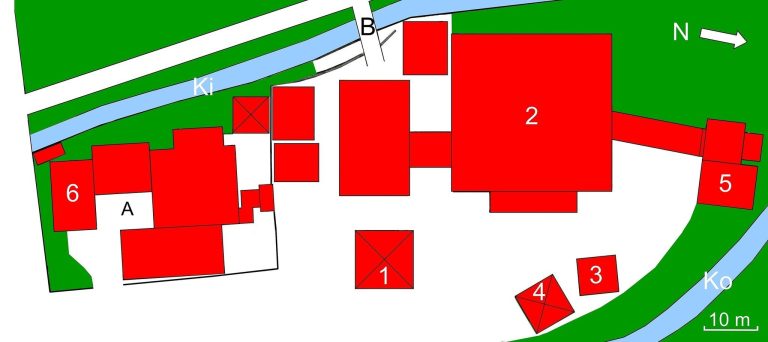
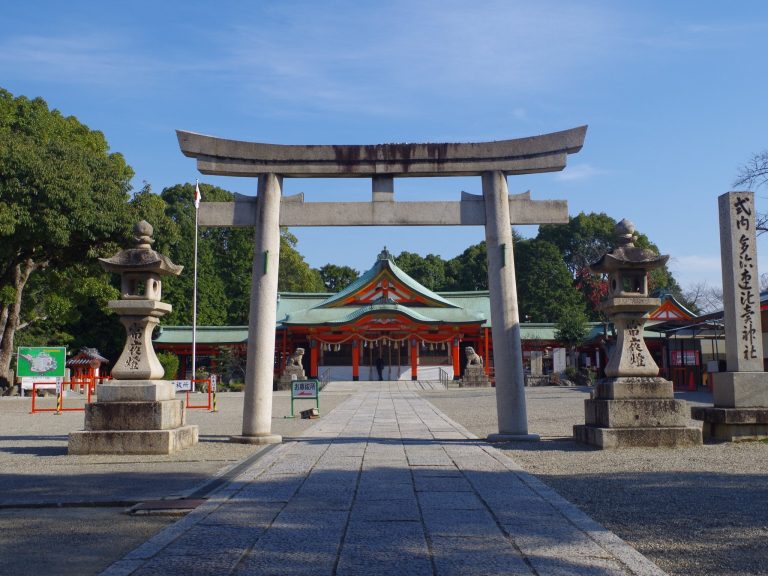
The main gate and main hall form the principal surviving buildings of Kumeda-dera, while five subtemples remain inside the precinct. The main hall was rebuilt in 1770 and underwent major repairs in 1919. The temple’s principal image is Shaka Nyorai. The precinct also contains the Gyoki Hall, where the danjiri floats assemble during the October festival’s Gyoki visit.
Kumeda Pond
Kumeda Pond lies southeast of the temple and has the largest water surface area among ponds in Osaka Prefecture. Its irrigation function is central to the temple’s foundation tradition, which credits Gyoki with directing the pond’s excavation and associates the temple with its management.
Kumeda burial-mound group
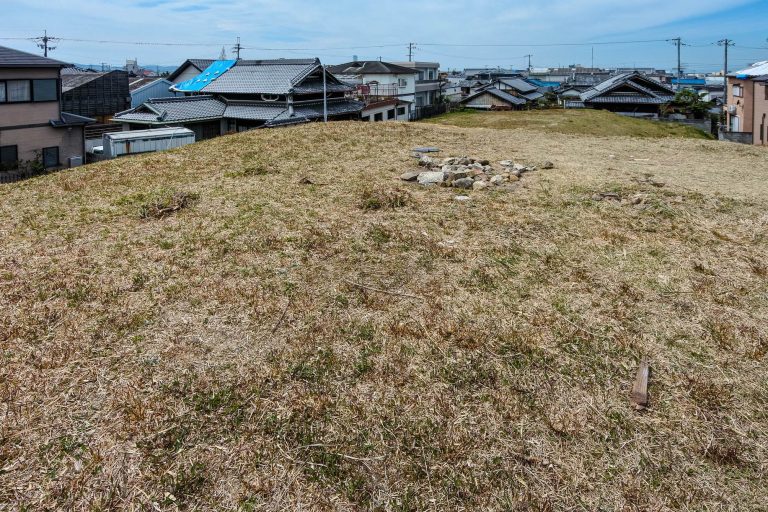
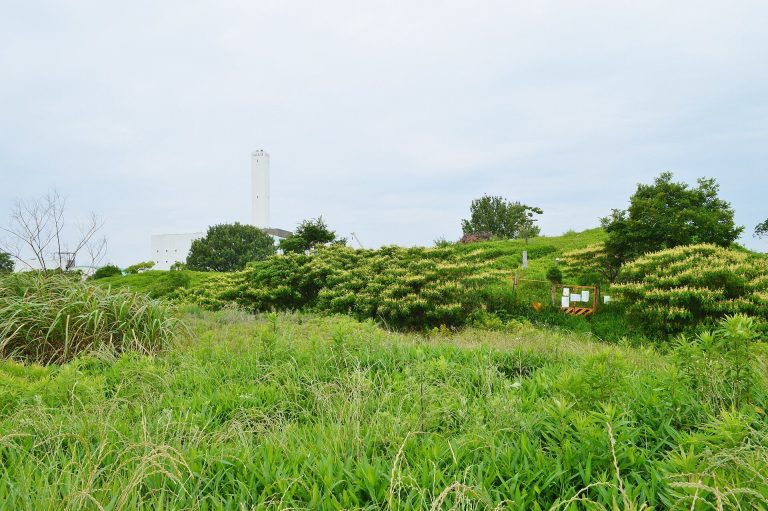
The Kumeda burial-mound group lies west of the temple. Kaifukiyama Kofun, a monumental ancient burial mound, is also known as the Tachibana no Moroe Mound. Another mound in the group is associated with Empress Kōmyō and is called the Kōmyō Mound.
Excavation established that Miyoshi Jikyū used Kaifukiyama Kofun as Kaifukiyama Castle during the Battle of Kumeda. This finding has also prompted the interpretation that Kumeda-dera may have formed part of the castle complex, although that proposed use remains unconfirmed.