Kretinga Manor: A Neo-Renaissance Palace and Ethnographic Museum in Lithuania
Site at a Glance
- Popularity
- Medium
- Country
- Lithuania
- Primary era
- Modern
- Eras represented
- Modern
- Civilizations
- Russian
- Site type
- Domestic
- Remains
- Elite Residence
On this page8 sections
History
Creation and family residence
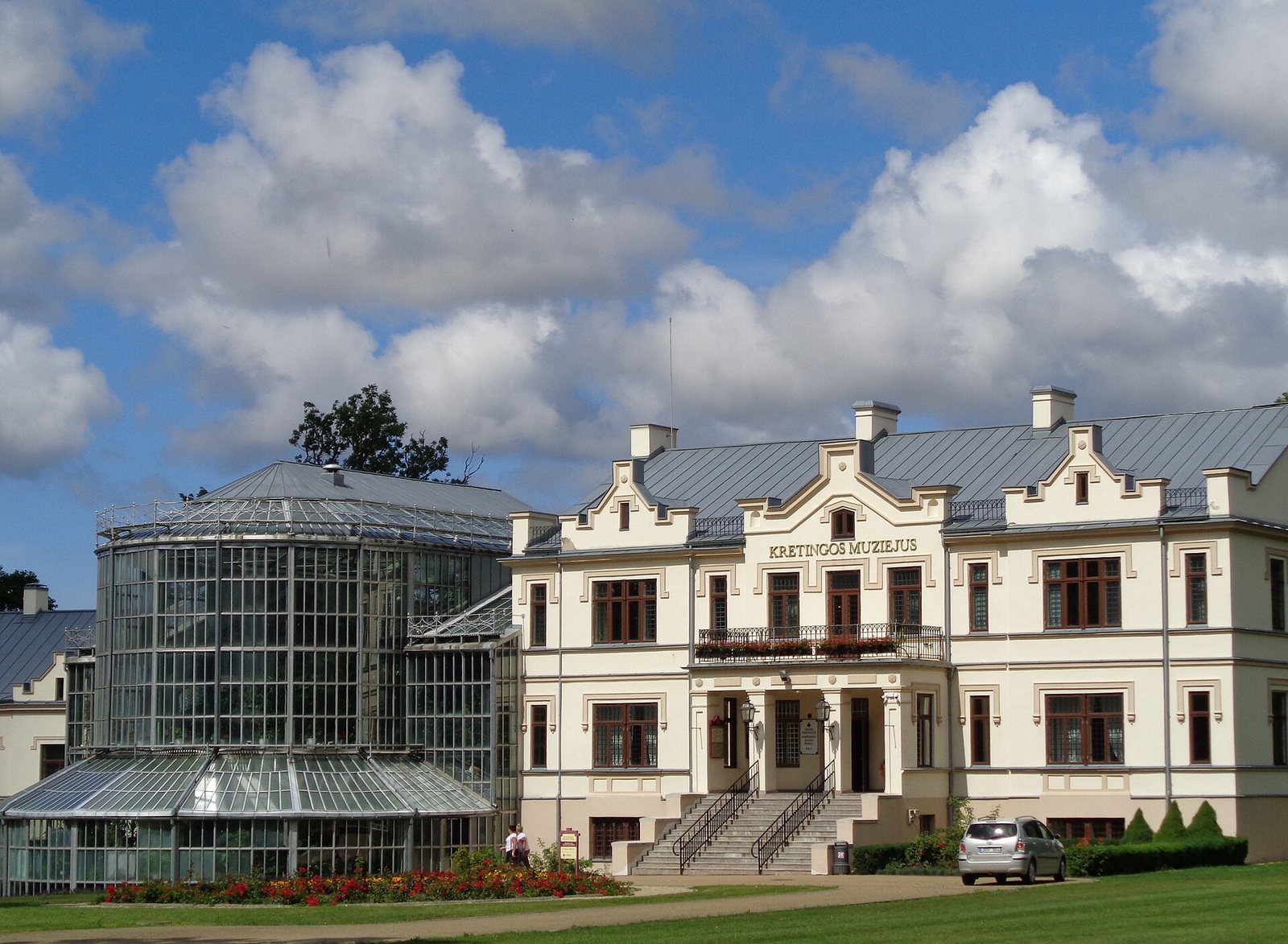
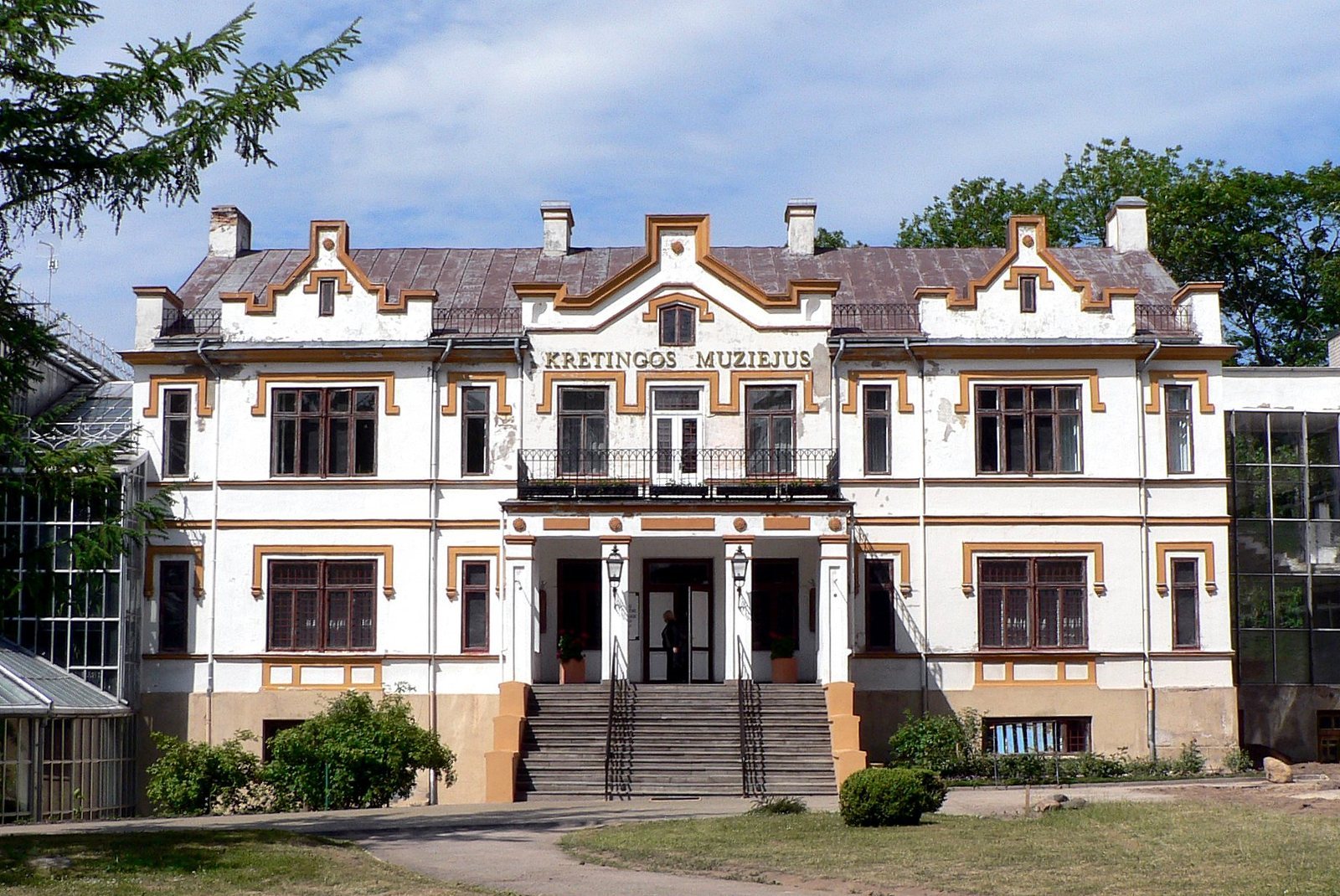
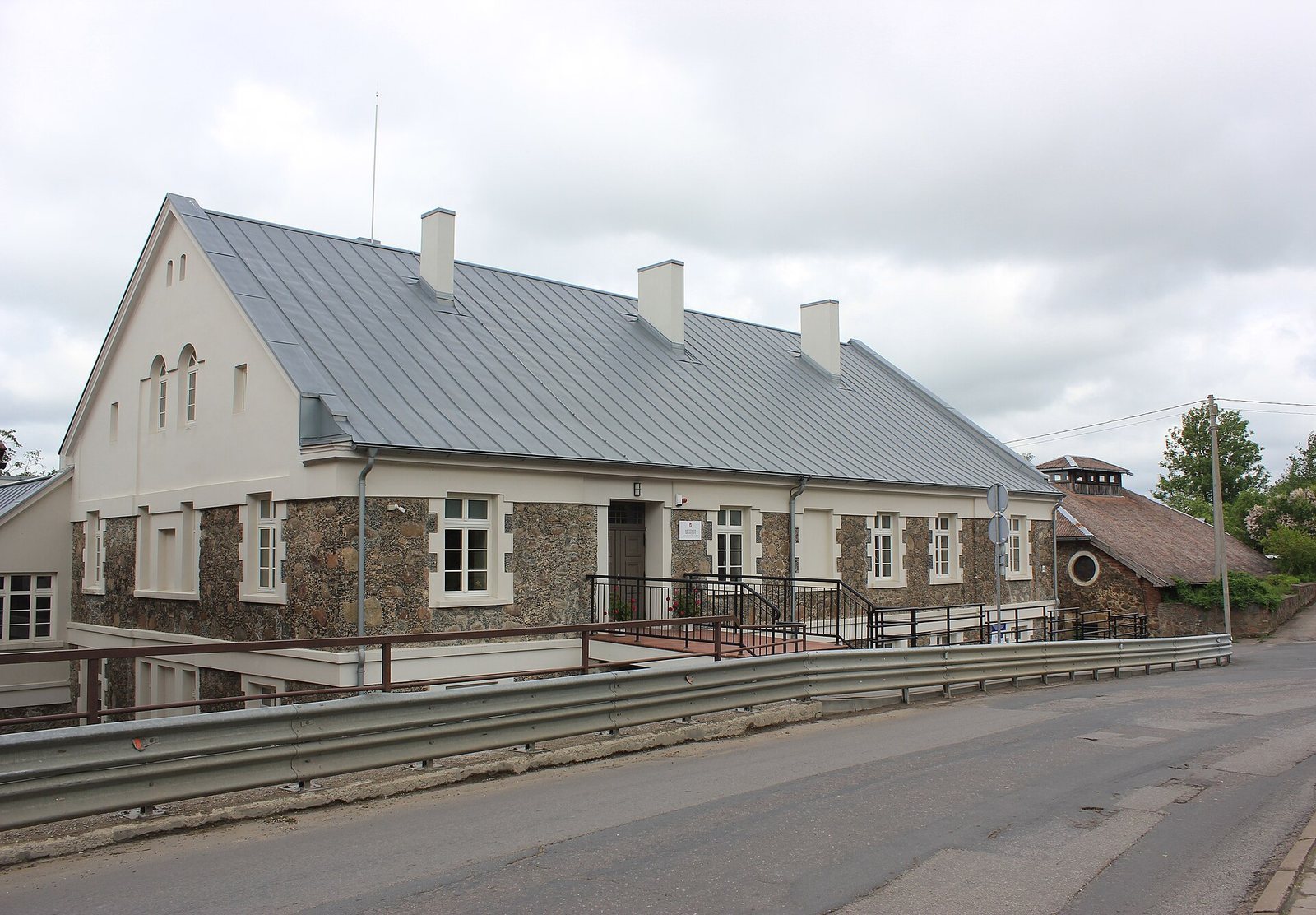
Kretinga Manor is a Neo-Renaissance palace in Lithuania, created in 1875 by Count Joseph Tyszkiewicz through the remodeling of two existing buildings. Neo-Renaissance is a revival of Renaissance architectural forms, and the palace’s design evoked architecture associated with the former Grand Duchy of Lithuania, a historic eastern European state. The estate had previously belonged to the Zubov family. Joseph was a member of the prominent Lithuanian-Polish noble family of Tyszkiewicz counts.
War and political change
The palace suffered partial damage during the First World War, but retained its character in interwar Lithuania. Count Alexander Tyszkiewicz, a descendant of Joseph and the last family member to live there, was deported to Siberia in 1940 after Lithuania was incorporated into the Soviet Union. German occupation followed in 1941, and the Soviet Union annexed Lithuania again in 1945.
During the Soviet period, the palace became an agricultural school. In 1940, Lithuanian Soviet authorities installed a casino in the orangery, a building designed to shelter citrus and other tender plants during winter. It later served as a community meeting room and sports hall, while a sports complex was built in the park.
Restoration and museum use
Extensive restoration in the 1980s adapted the palace for use as an ethnographic museum and brought the orangery and winter garden back into use. The palace now houses Kretinga’s ethnographic museum.
Remains
Palace and orangery
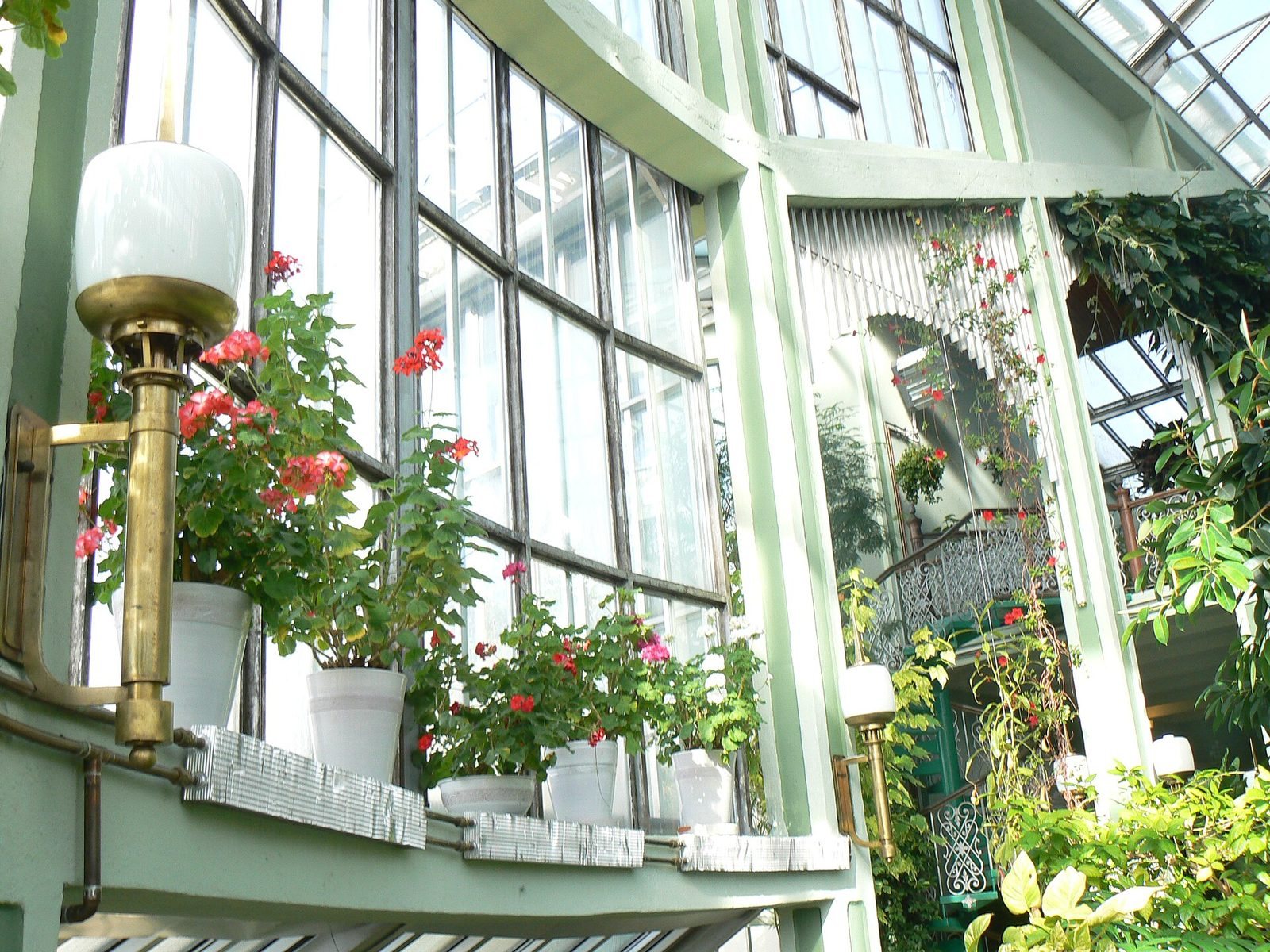
The palace has a rectangular plan and a low portico at the front. A three-storey orangery adjoins it. Joseph Tyszkiewicz created a winter garden within the orangery, incorporating ponds connected by channels, grottoes and a waterfall. The restored orangery contains more than 130 plant species.
Landscaped park
A landscaped park surrounds the palace. Austrian gardener Hajduk designed it in the 19th century, when it covered 300 hectares. Three oaks in the park are traditionally said to date from the time of Jan Karol Chodkiewicz, a Lithuanian military commander who held the rank of hetman, a senior commander in the Polish-Lithuanian Commonwealth.
Art collection
The Tyszkiewicz family assembled an extensive art collection for the palace. Part of the collection can now be viewed in the museum.