Church of St Andrew Bobola in Krajnik Górny: A Fifteenth-Century Parish Church
Site at a Glance
- Popularity
- Medium
- Country
- Poland
- Primary era
- Medieval
- Eras represented
- Medieval, Early Modern
- Civilizations
- Holy Roman Empire, Kingdom of Prussia, Margraviate of Brandenburg
- Site type
- Religious
- Remains
- Church
On this page10 sections
History
The Church of St Andrew Bobola in Krajnik Górny is a fifteenth-century Roman Catholic parish church in Poland. It is dedicated to St Andrew Bobola (1591–1657), a Polish Jesuit priest venerated as a Catholic saint and martyr. After the Second World War, the church was consecrated for Catholic worship in 1946.
Remains
Exterior and layout
Main building
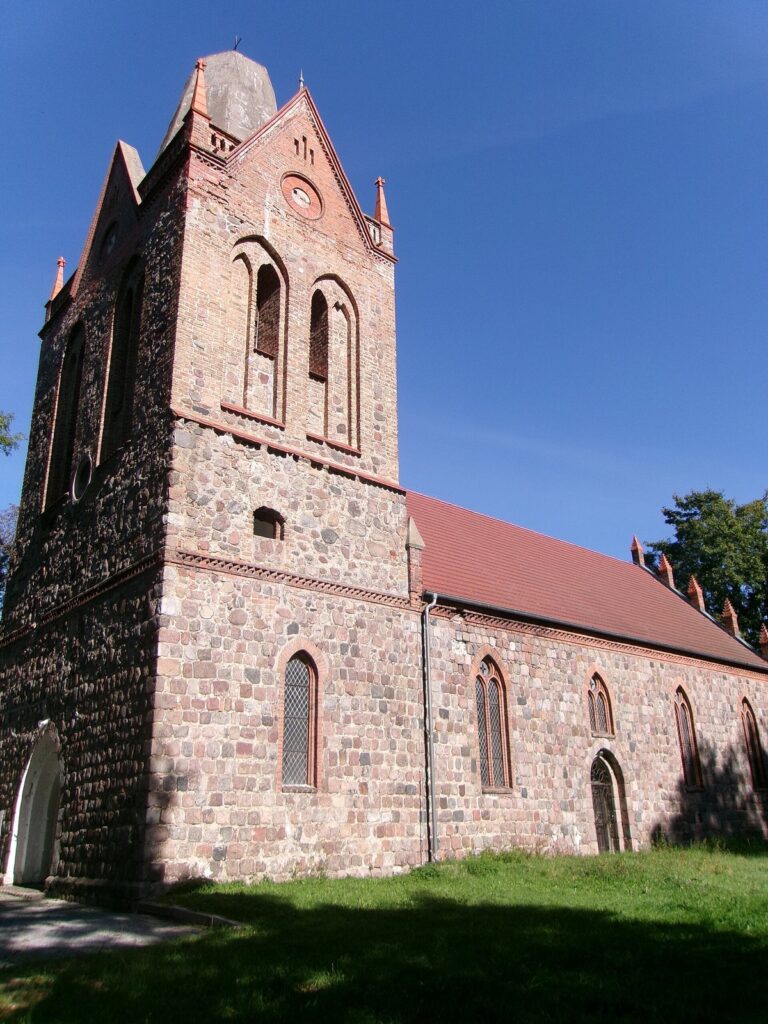
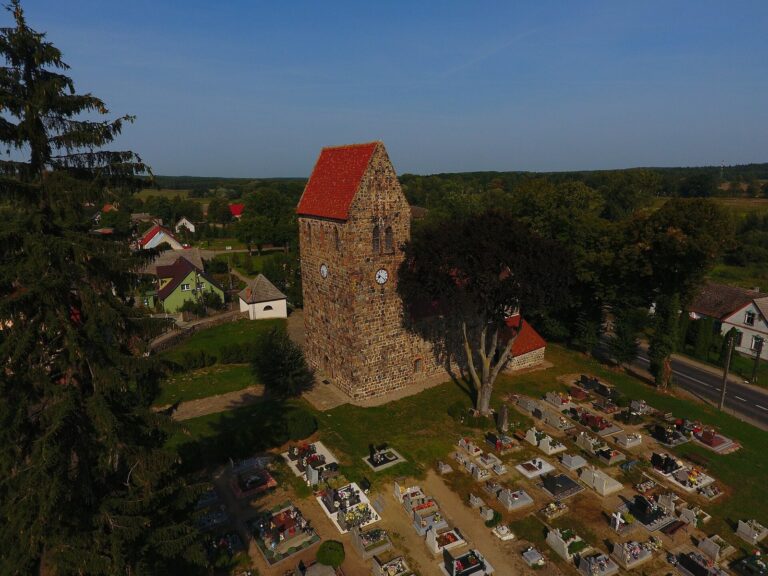
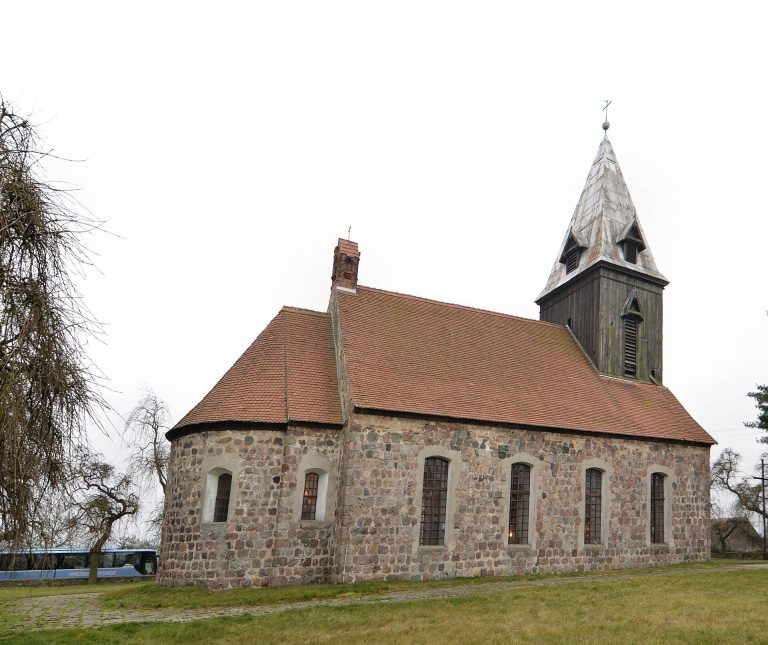
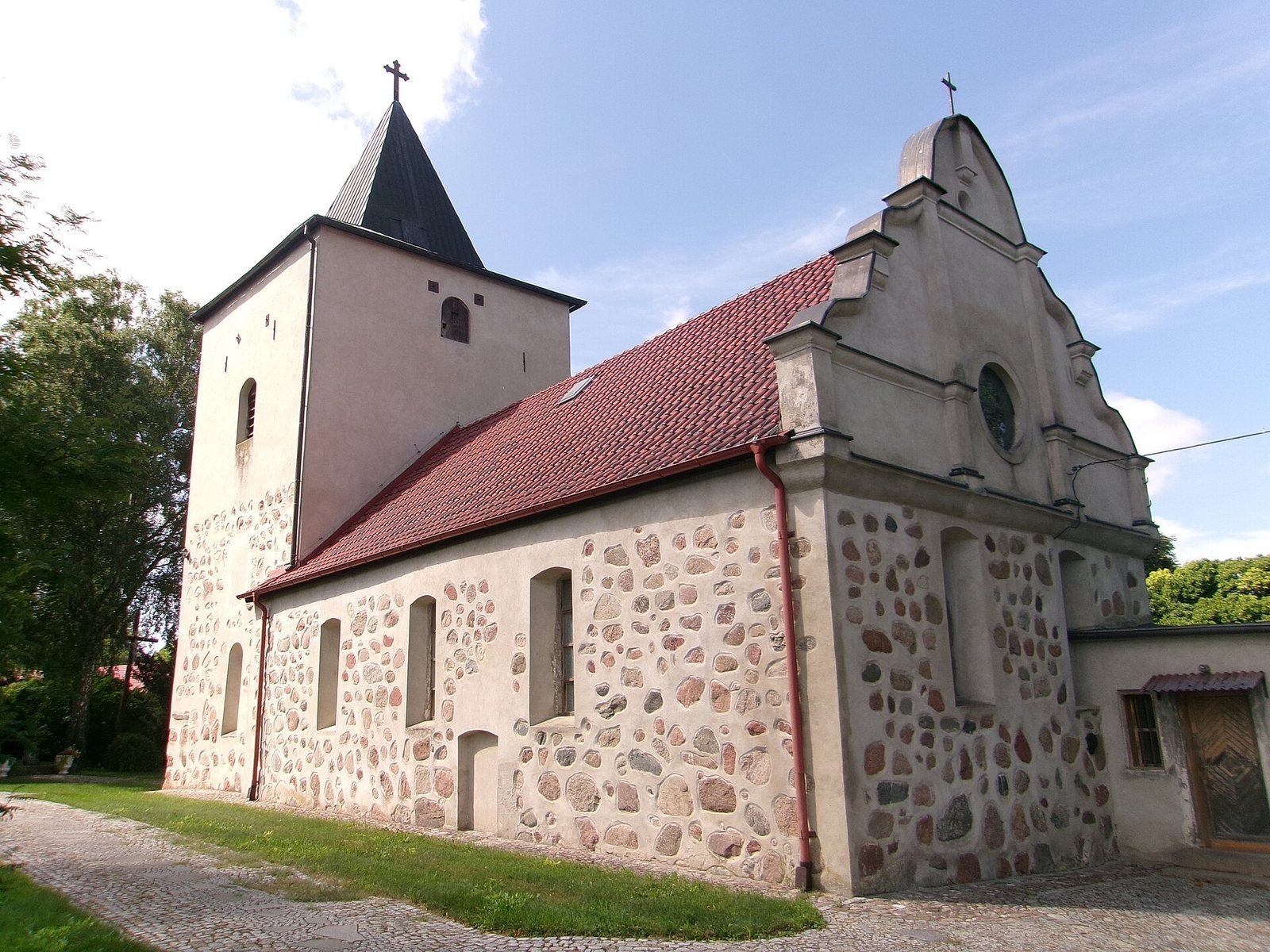
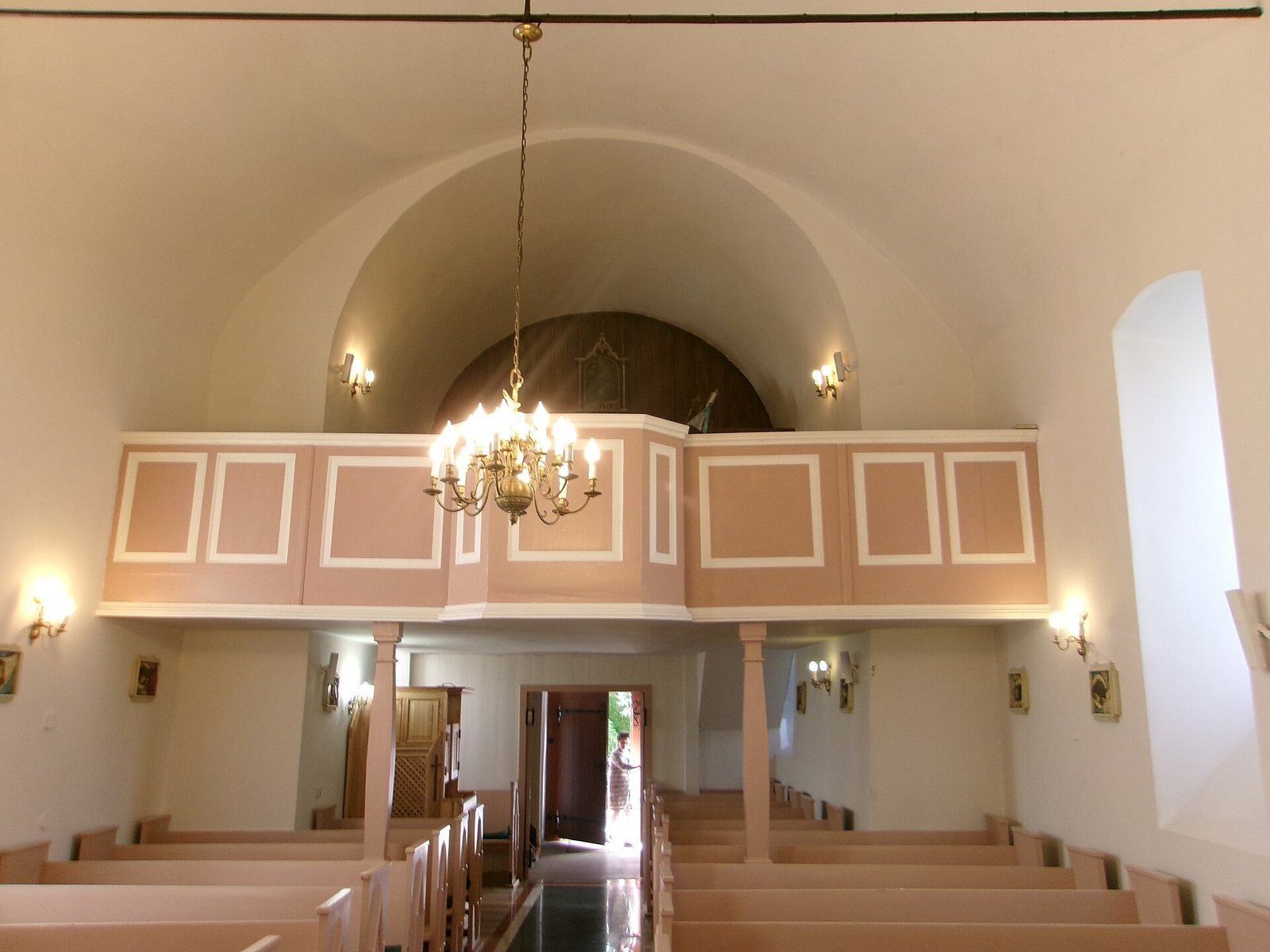
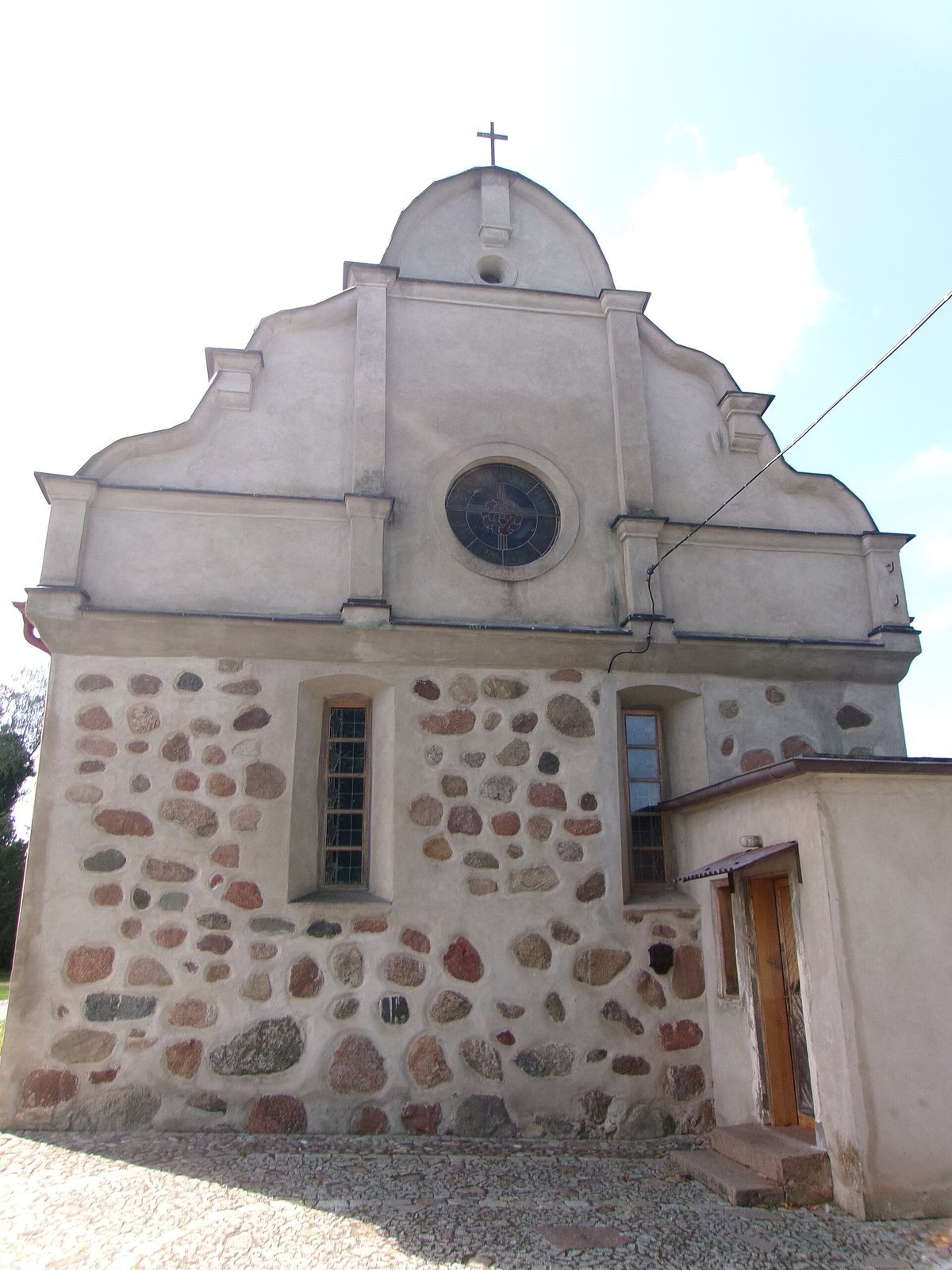
The church has a rectangular plan and a single-nave layout, forming one unified worship space without side aisles. It is aligned east to west, with the sanctuary at the eastern end. Its walls are built from large stones left by glaciers. The nave has a gabled roof, and a sacristy is attached to the east wall.
West tower and bells
A tower added to the west end of the nave in the sixteenth century rises to a pyramidal spire topped by a cross. Two bells hang within it, one dating from the fifteenth century and the other from the eighteenth.
East gable
The east gable dates to the late sixteenth or early seventeenth century and is in the Renaissance style.
Interior and furnishings
Chancel and altar
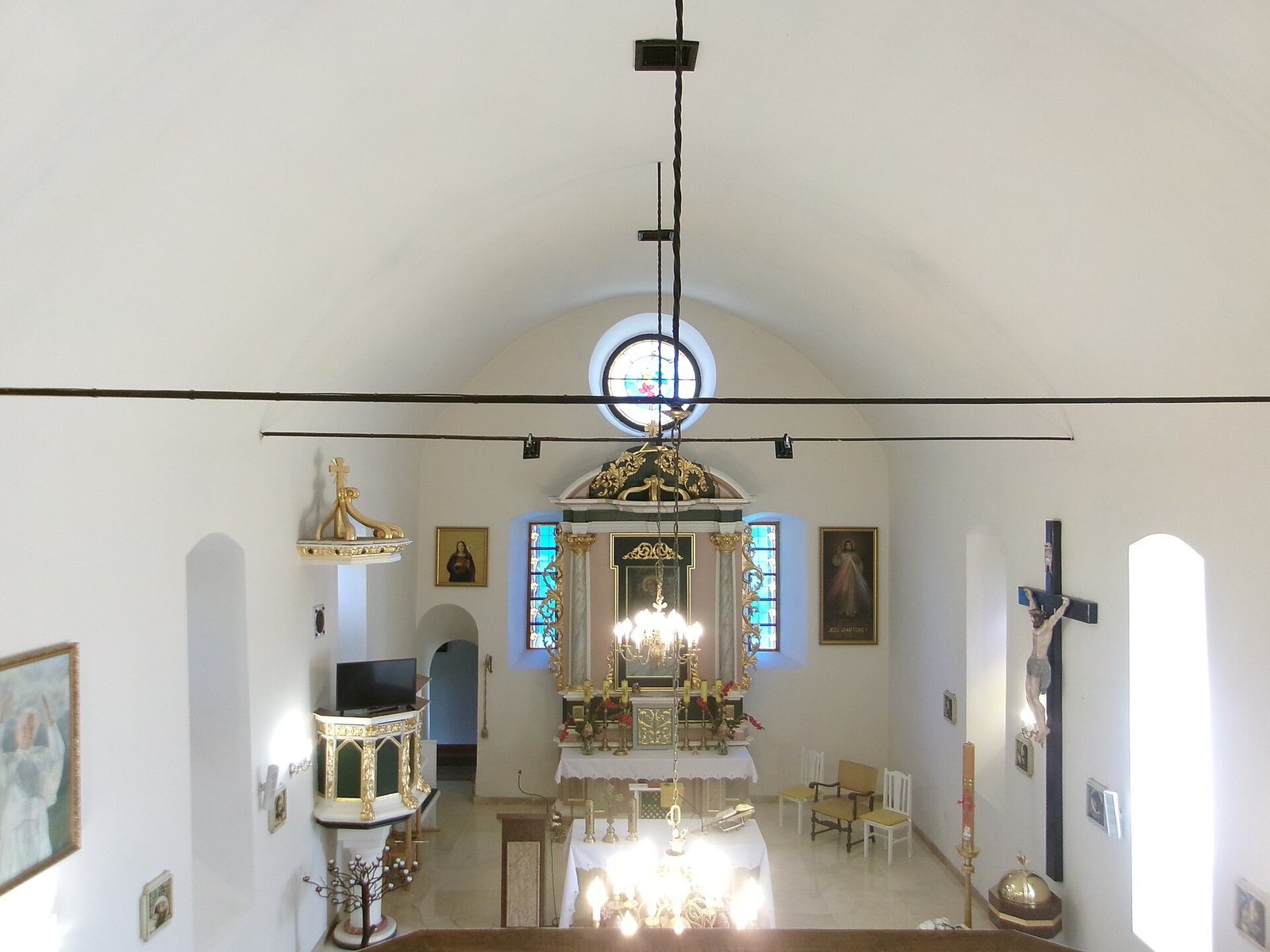
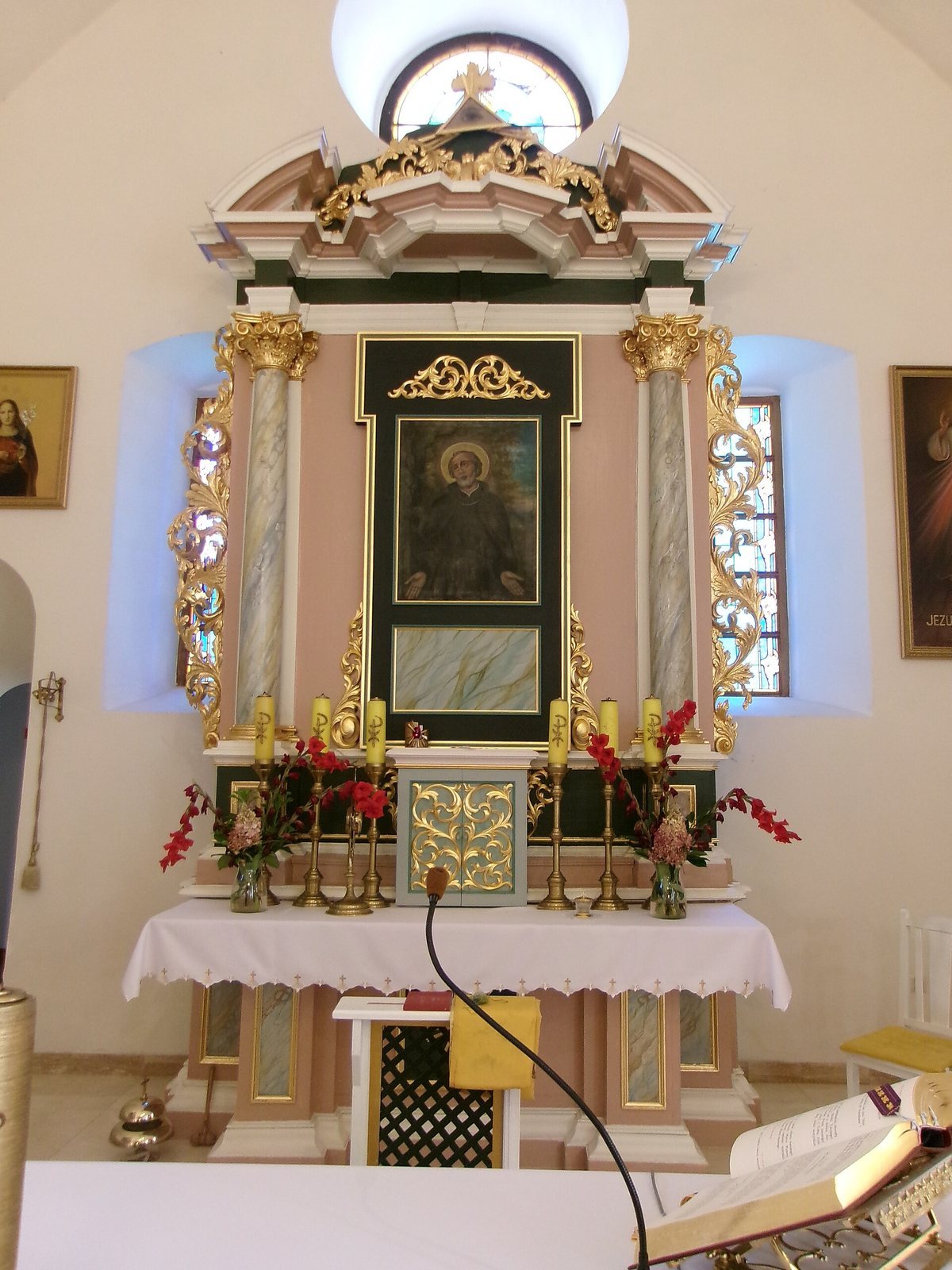
A barrel vault covers the interior, which has one altar. In the chancel, the area around the main altar, an eighteenth-century pulpit-altar combines the altar and a pulpit. Small columns and carved ornament frame it, along with a decorative horizontal band. A modern painting of St Andrew Bobola has been placed in the structure. Two rectangular windows flank the altar, with a round window above them.
Pulpit and choir gallery
A separate pulpit stands against a side wall and has an entrance from outside the church. Its canopy bears a painting of a dove representing the Holy Spirit, one of the persons of the Christian Trinity. At the west wall, columns support the choir gallery.
Processional image
A nineteenth-century portable devotional image, carried in religious processions, depicts the baptism of Jesus and the Holy Family with the Holy Spirit. Polish settlers brought it to the church after 1945 from Milczyce, in the former Lwów Voivodeship, an administrative region of Poland before the Second World War.