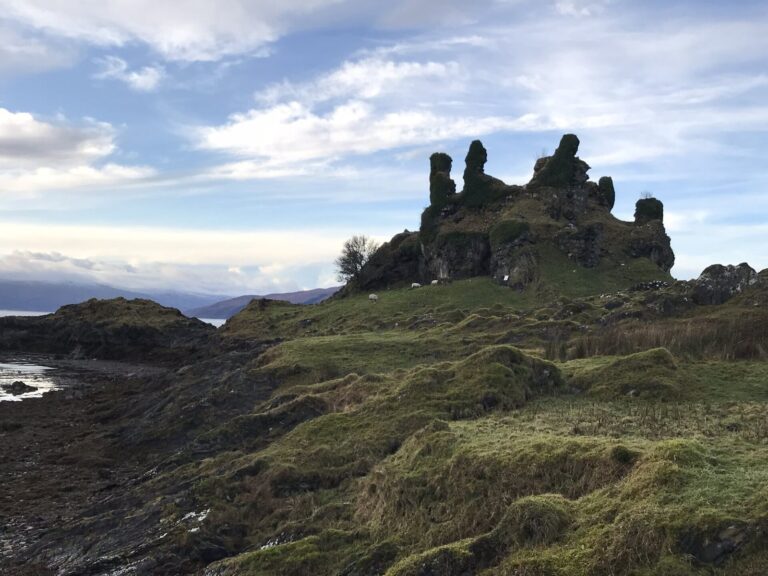
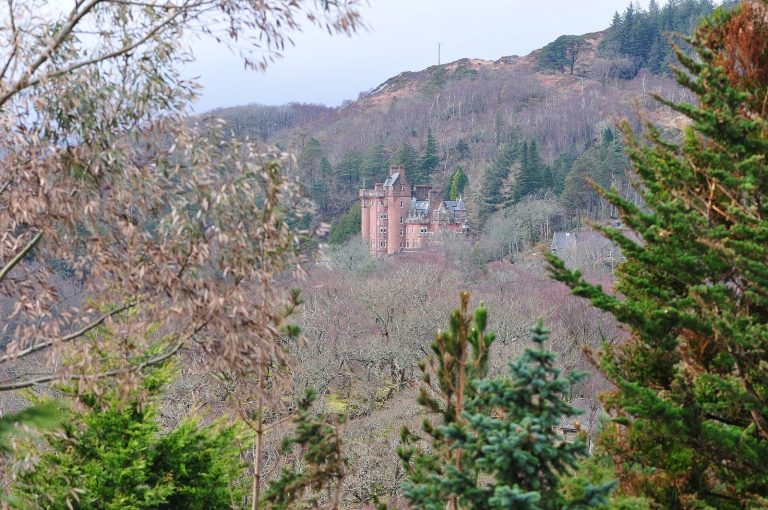
Kinlochaline Castle: A Scottish Coastal Fortress
Site at a Glance
- Rating
- 4.3
- Popularity
- Low
- Country
- United Kingdom
- Primary era
- Medieval
- Eras represented
- Medieval
- Civilizations
- Kingdom of Scotland
- Site type
- Military
- Remains
- Castle
On this page4 sections
History
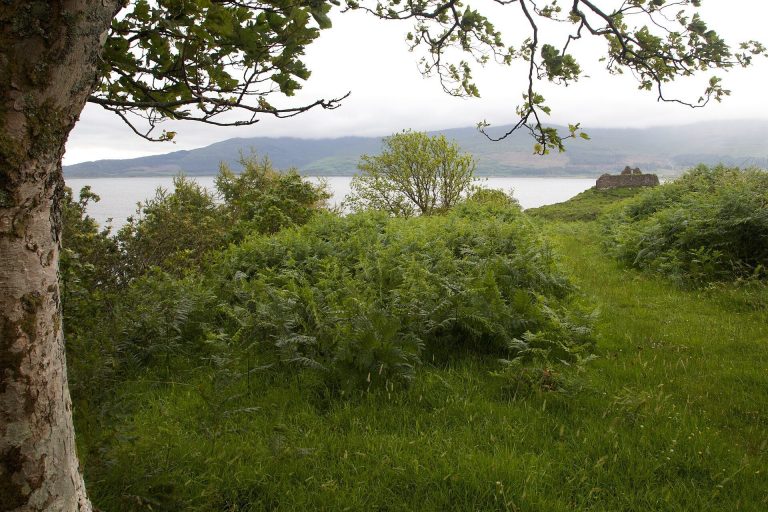
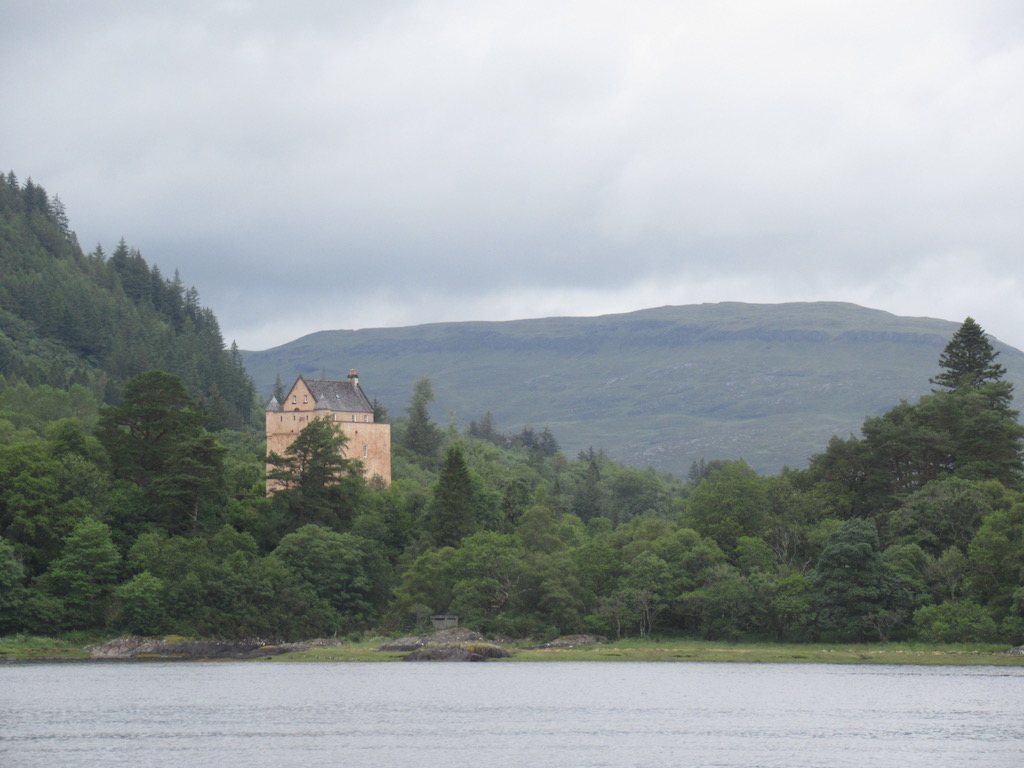
Kinlochaline Castle is a 12th-century fortress at the head of Loch Aline in Morvern, Scotland, in the United Kingdom. Its position was considered strategic for coastal defence.
Medieval origins and tradition
Clan MacInnes, a Scottish kinship group, is identified as the castle’s original owner. The castle is also known as Caisteal an Ime, meaning “Castle of Butter.”
A tradition tells that Dubh Chal, a MacInnes woman whose name is rendered “Lady of the Black Veil,” paid the builder in butter equal in volume to the castle.
Conflict, abandonment, and reconstruction
In 1644, during the Wars of the Three Kingdoms, conflicts involving England, Scotland, and Ireland in the mid-17th century, the castle was burned while under siege by the Scottish commander Alasdair MacColla. In 1679, Archibald Campbell, a Scottish nobleman and 9th Earl of Argyll, attacked it during a feud. The castle was abandoned around 1690.
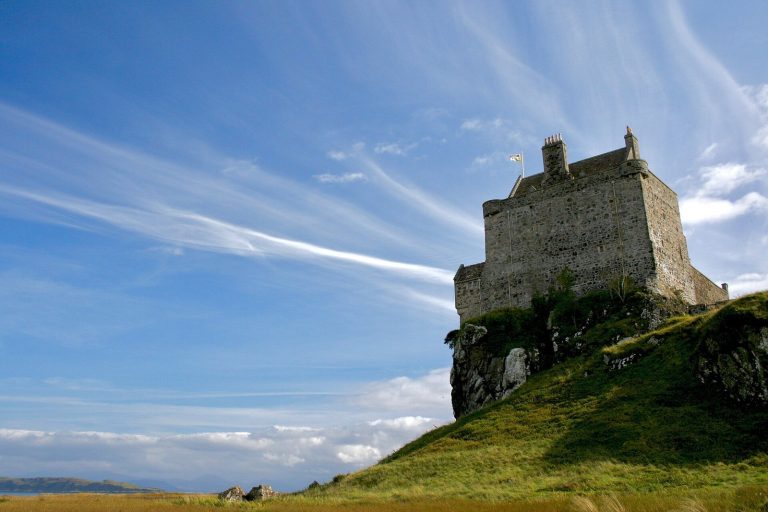
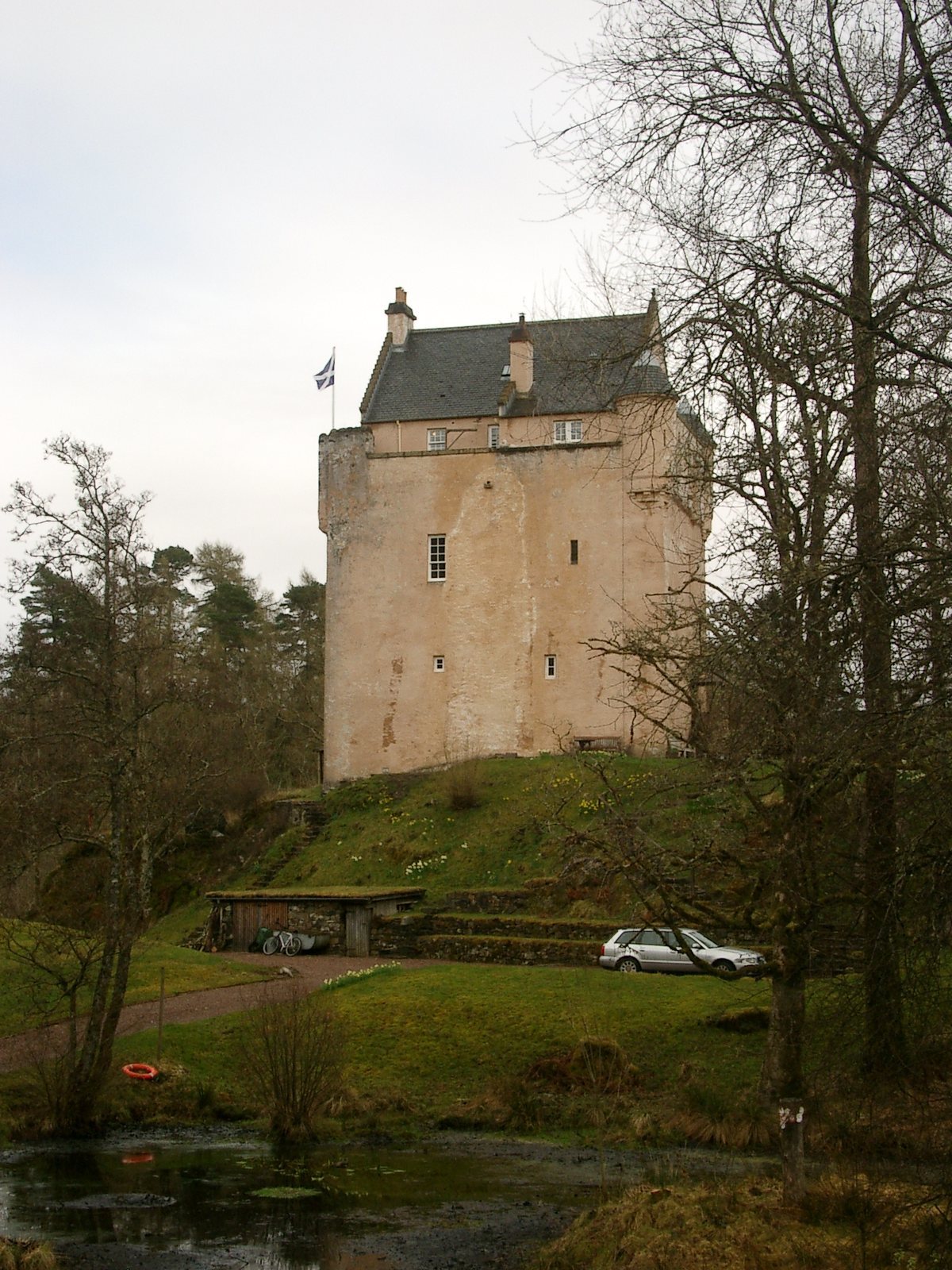
Historic Scotland, Scotland’s historic-environment agency, oversaw the castle’s reconstruction in the late 1990s. The restored building is now a residence.
Remains
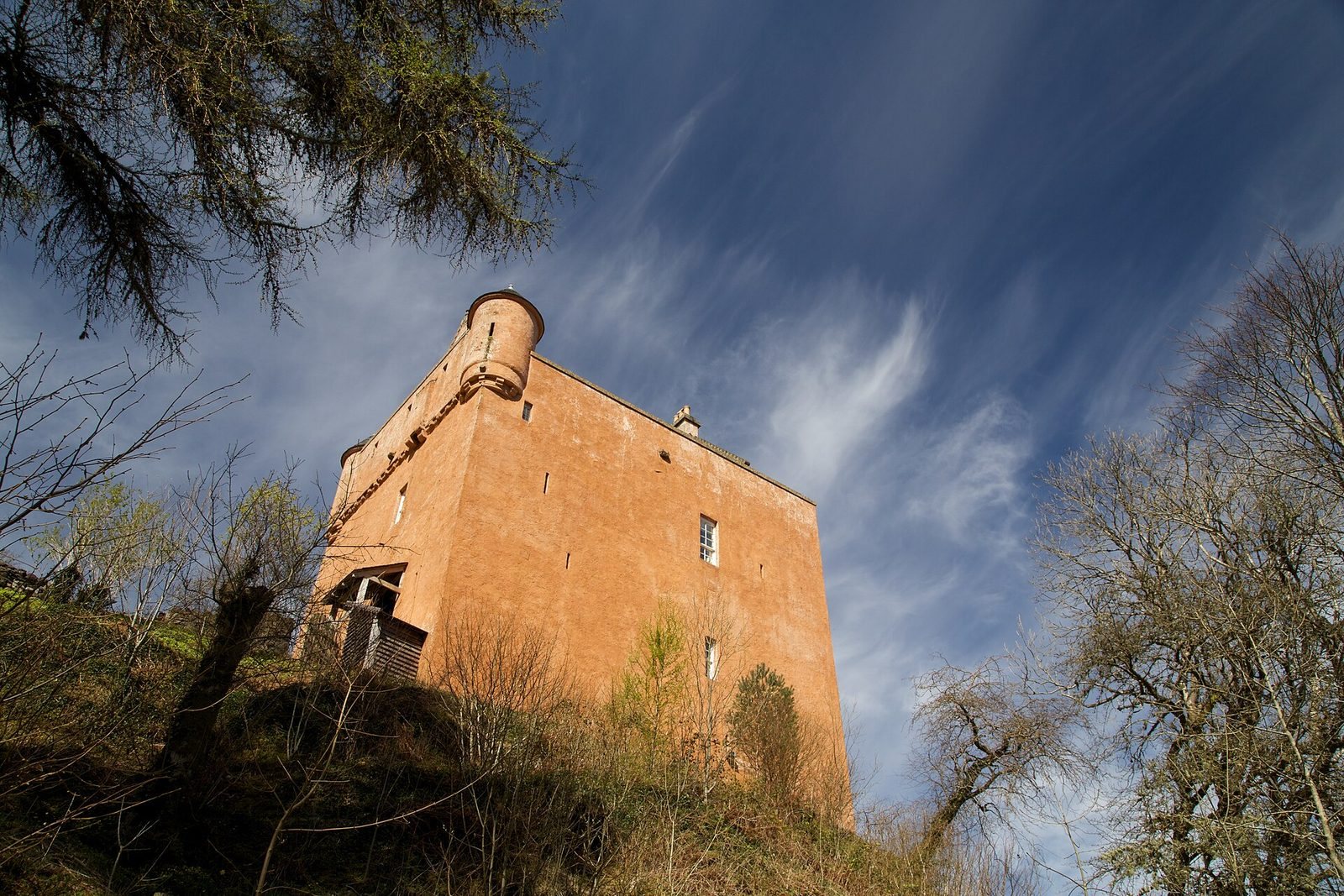
Kinlochaline is a Scottish tower house, a fortified residence arranged around a multi-storey tower. Roughly cubical in form, it rises four storeys and has a base measuring about 13 by 10 metres. Its walls are approximately 3 metres thick and are built from blocks of rare sandstone.