Kawai Ōtsukayama Kofun: A Fifth-Century Burial Mound in Japan
Site at a Glance
- Rating
- 3.8
- Popularity
- Very Low
- Country
- Japan
- Primary era
- Classical
- Eras represented
- Classical
- Civilizations
- Yamato
- Site type
- Burial
- Remains
- Burial Mound
On this page6 sections
History
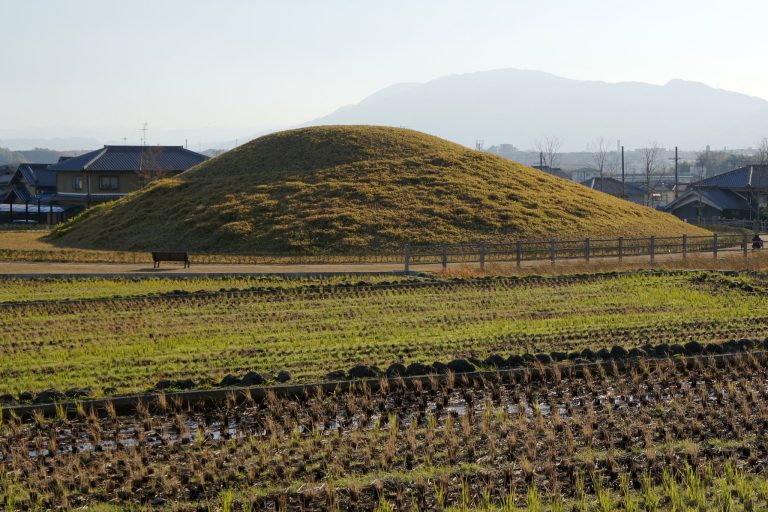
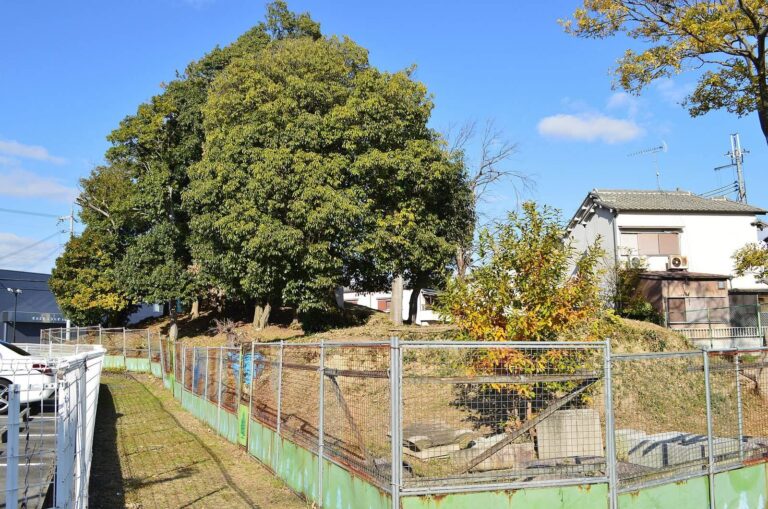
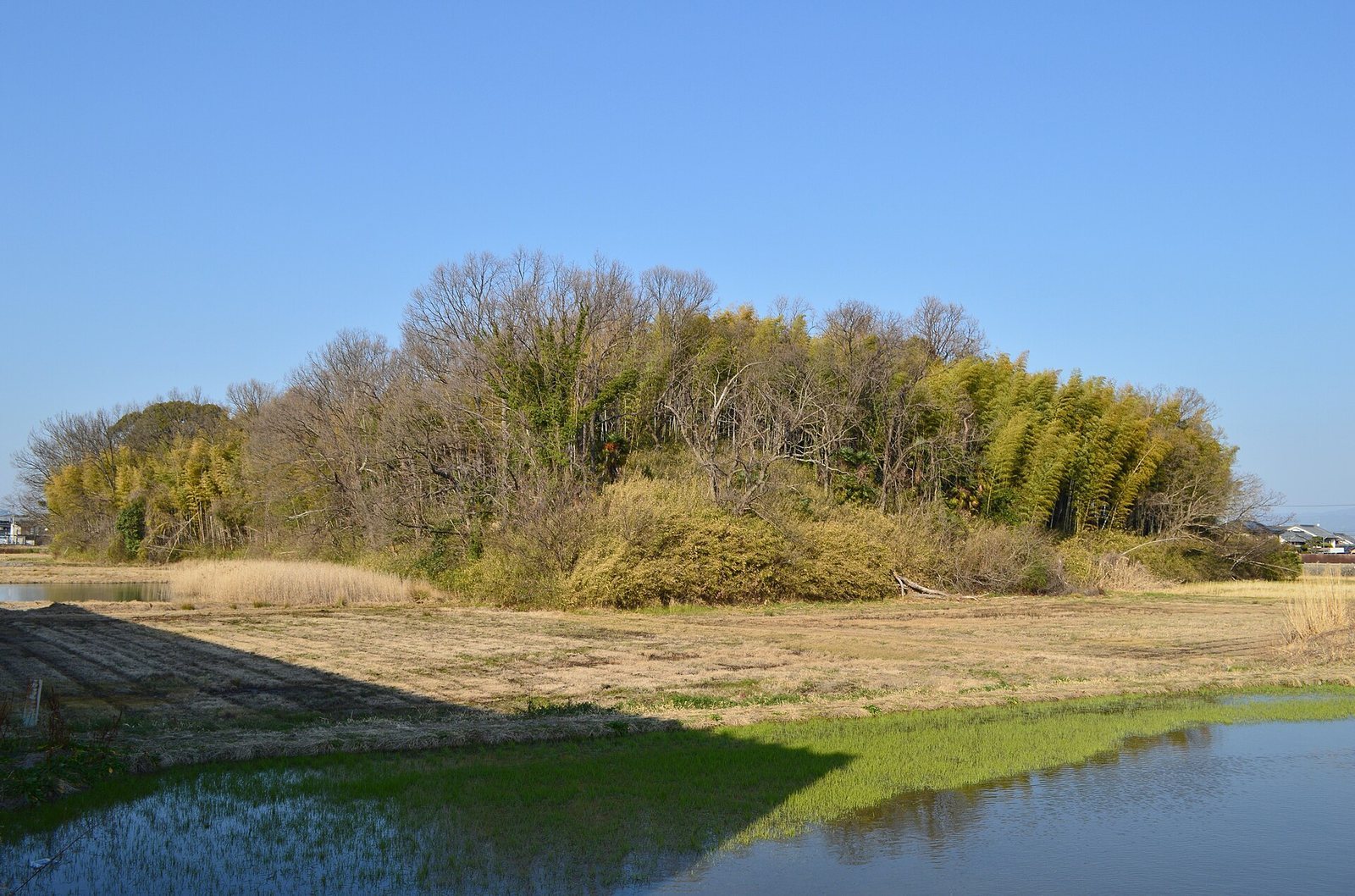
Kawai Ōtsukayama Kofun is a Japanese burial mound in Kawai, Kawai Town, Nara Prefecture, Japan. A kofun is a Japanese burial mound, and the term also refers to the period when such mounds were built. The tomb is part of the Ōtsukayama group in the northern Umami Kofun Group, which contains eight mounds of keyhole, square, and circular shapes. Kawai Ōtsukayama is a central member by size and ranks 27th in Japan. It was among the largest kofun in the Nara Basin in its period.
Fifth-century construction
The mound is estimated to have been built in the middle to latter part of the fifth century. Finds of pottery of Sue ware quality, a high-fired pottery, provide the basis for this dating.
Designation and damage in 2020
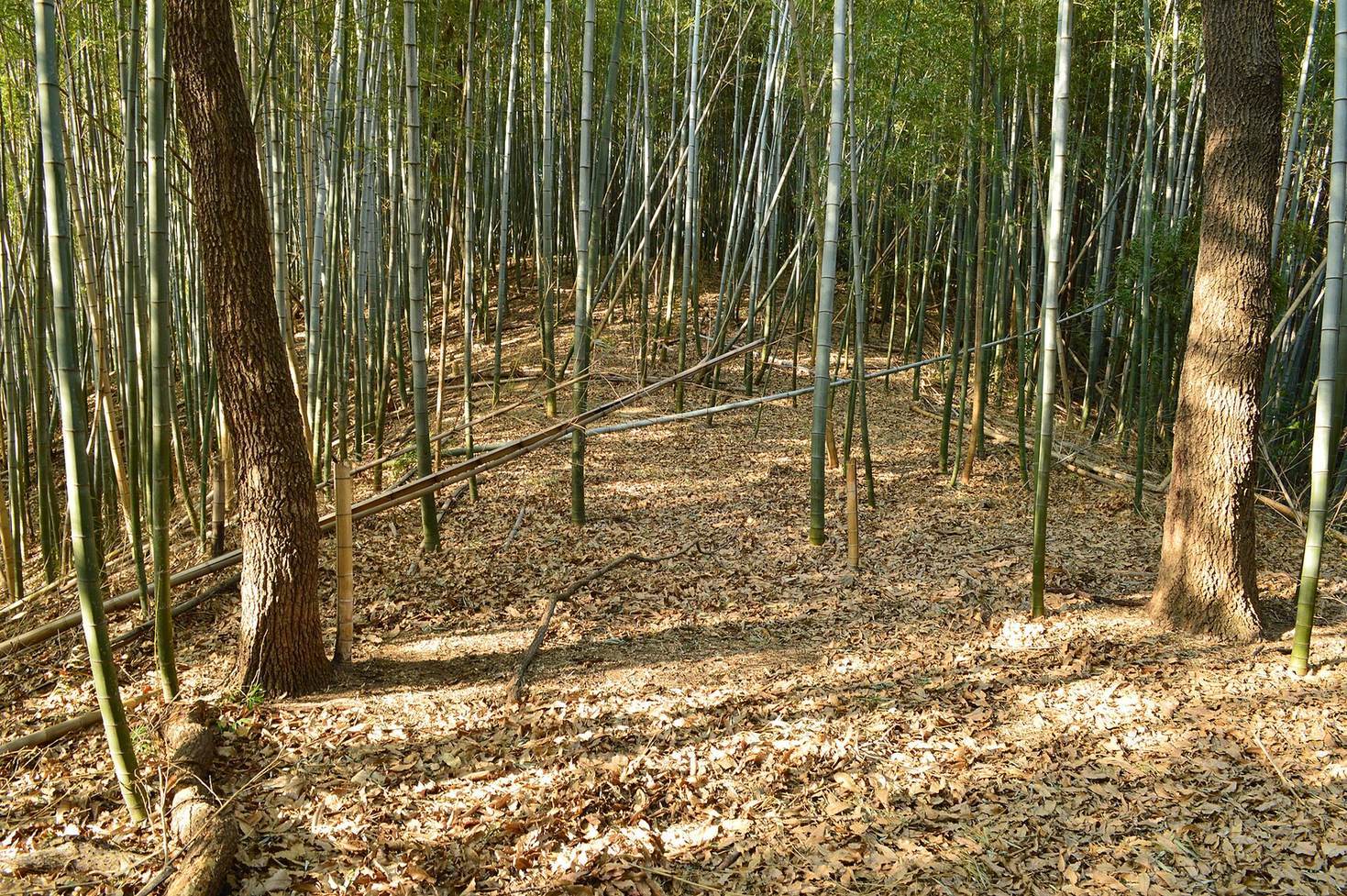
On 28 December 1956, Kawai Ōtsukayama and seven nearby mounds were designated together as the Ōtsukayama Kofun Group, a National Historic Site. Damage to the mound and the removal of two cylindrical haniwa, clay objects associated with burial mounds, were discovered on 27 April 2020. The town education board announced on 12 June that local children who had been digging for bamboo shoots and their guardians were responsible. One haniwa was returned in fragments by 1 May, and the other was returned by 28 May after being reassembled with adhesive. The incident was investigated as a suspected violation of Japan’s Cultural Properties Protection Act.
Remains
Mound and moat
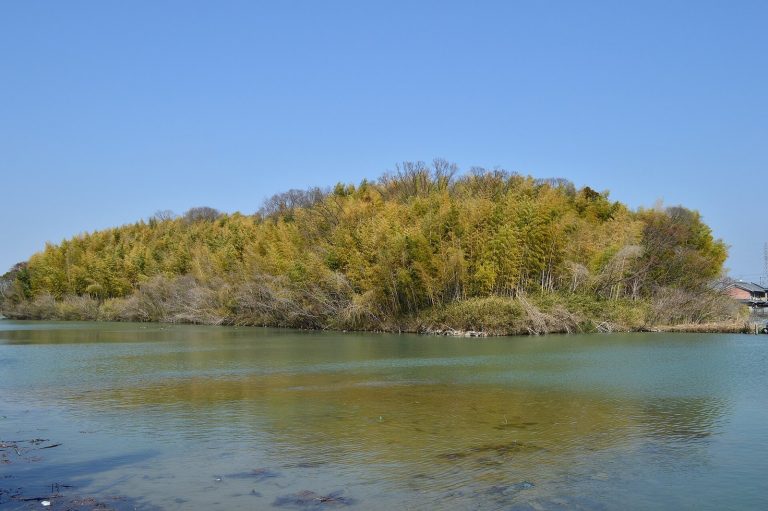
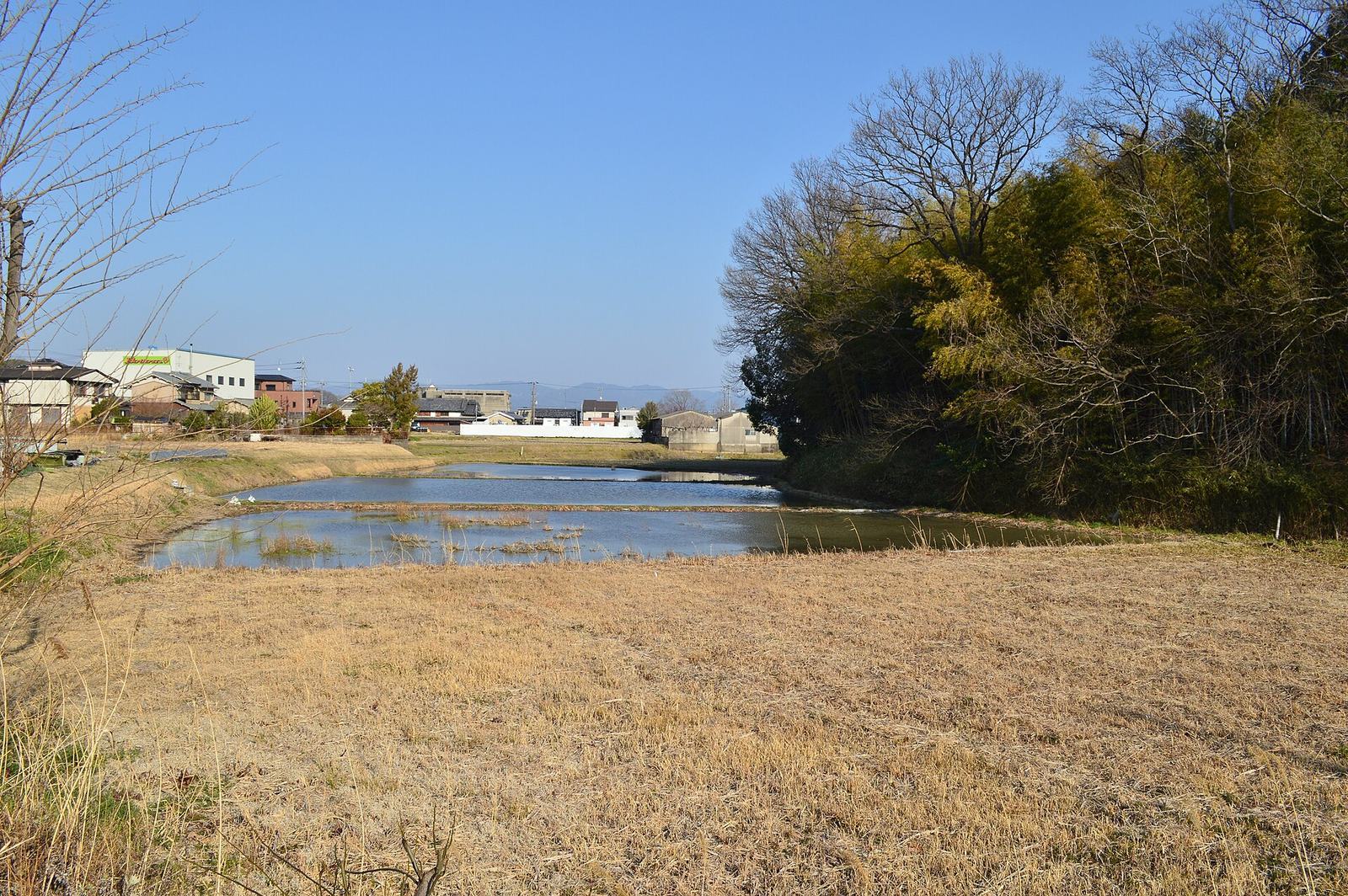
The three-tiered mound has a keyhole shape, with its front section facing south. Its length is given as 215 m, though another stated measurement is 197 m; the front section is 16.9 m high. The mound is in good condition. Rice paddies now occupy the moat area, where clear traces of a shield-shaped moat remain.
Surface features and finds
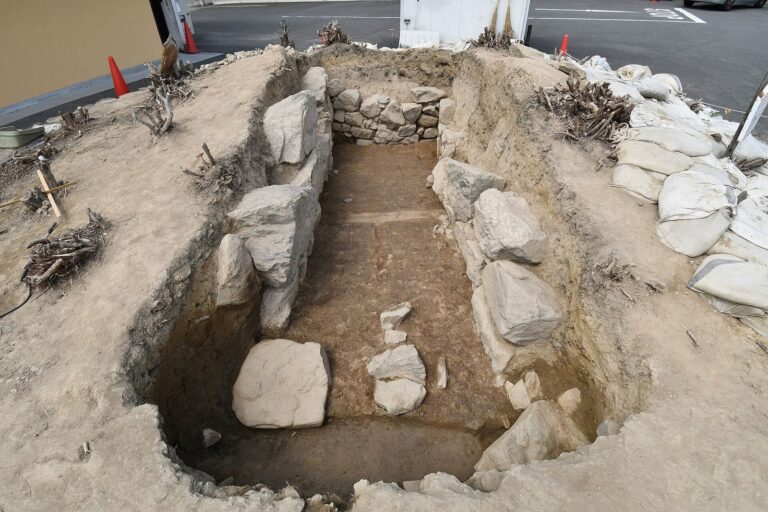
Stone surfacing and a surrounding arrangement of cylindrical haniwa have been identified on the mound. Finds also include morning-glory-shaped and figurative haniwa. The figurative examples include a house-shaped piece with small shields attached to its cylindrical section, as well as shield-shaped and umbrella-shaped forms. Pottery finds include Haji ware, an unglazed earthenware, made to imitate Sue ware.